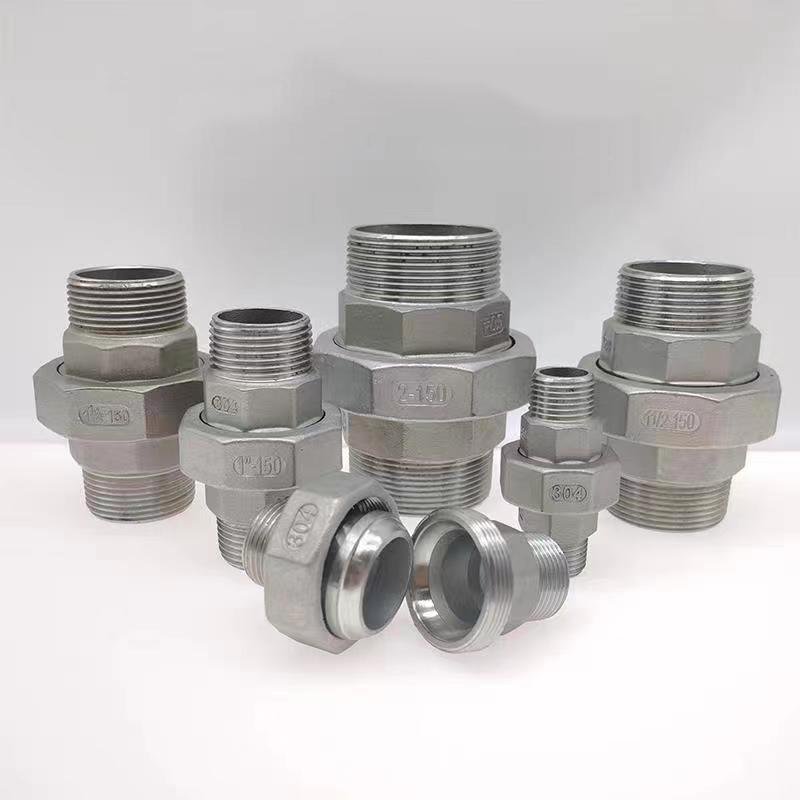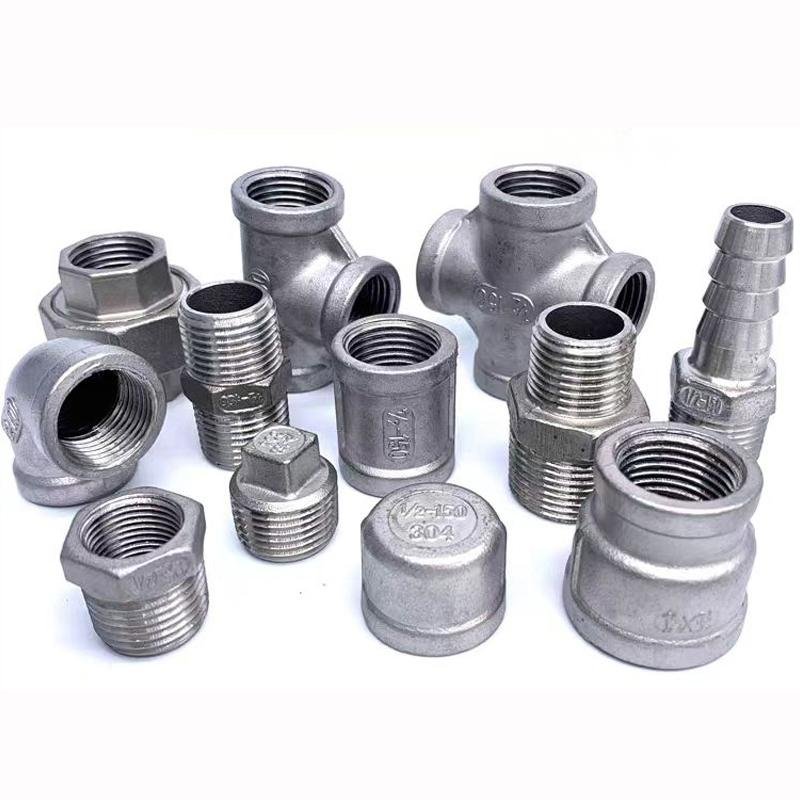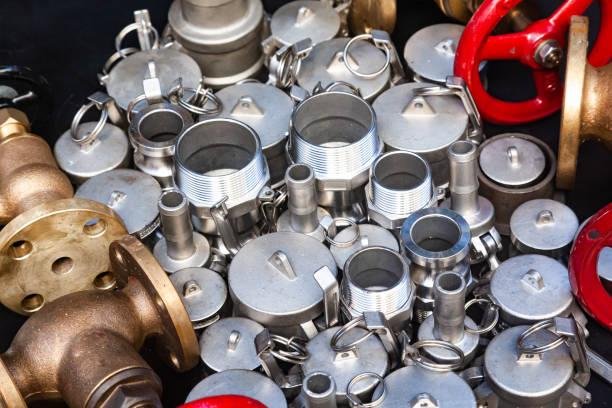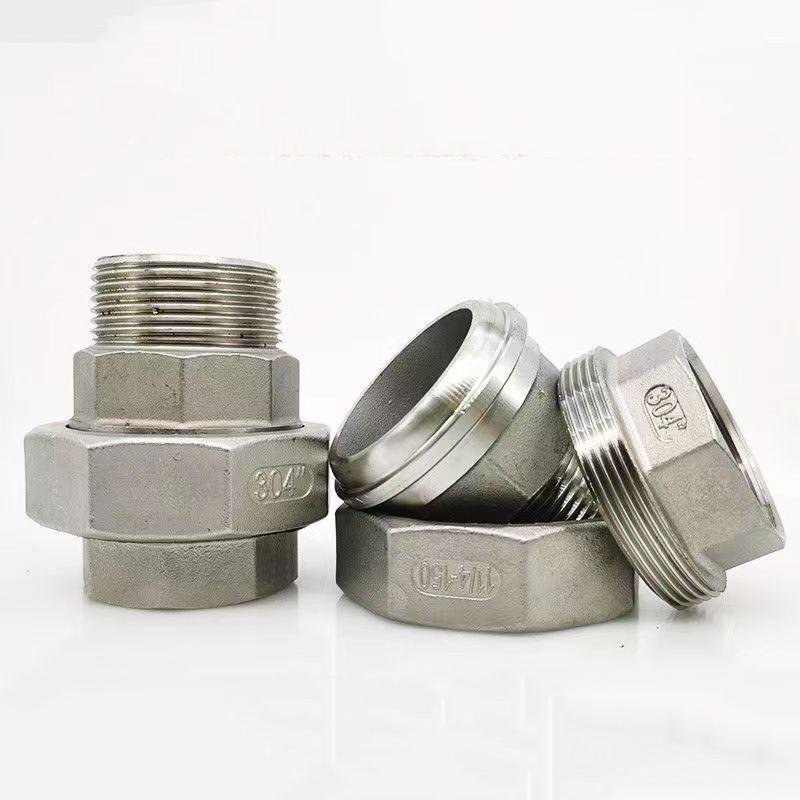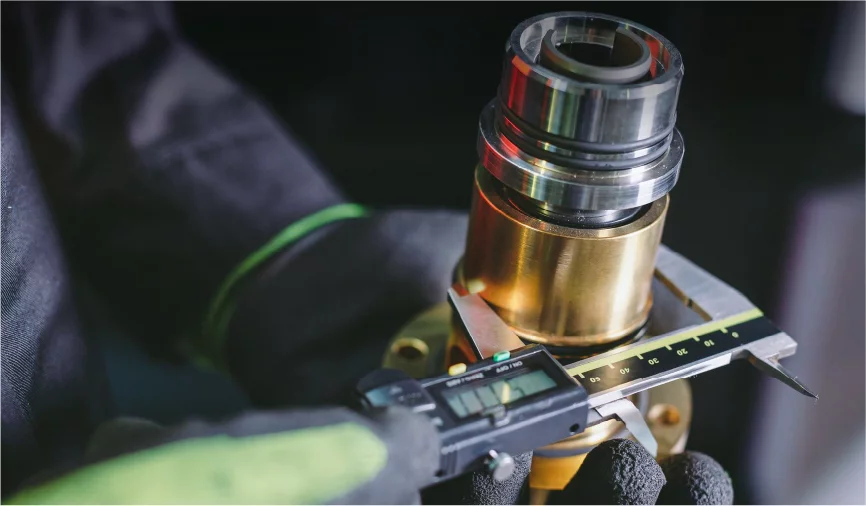
Soluciones Camlock para conexiones seguras

PROCAMLOCK ofrece cerraduras de leva duraderas para un funcionamiento seguro y eficiente.
Conexiones entre industrias.
Blogs

Tipos comunes de cerraduras de leva que debe conocer

Los Camlocks vienen en varios tipos según el material, la conexión del extremo y los estándares, con opciones como acero inoxidable, aluminio, plástico y latón, que ofrecen diferentes niveles de resistencia a la corrosión, durabilidad y rentabilidad, lo que hace que sea esencial seleccionar el tipo correcto para su industria y sistema de transmisión específicos.

Blogs

Última Noticias

Stainless-Steel-Check-Valves

Stainless Steel Check Valves: Applications and Manufacturer Insights

Stainless steel check valves are essential for preventing backflow in systems and ensuring the one-way movement of fluid. It offers durability, corrosion resistance, and reliability, making it an ideal choice in high-pressure and aggressive environments like chemical processing, oil and gas, food production, and water treatment.

What makes stainless steel check valves stand out is their ability to handle high pressure, abrupt changes in temperature, and corrosion without compromising system efficiency and safety.

A valve failure is something you want to avoid because it can bring your entire operation to a halt. Aside from the money it would cost you to replace, every hour of downtime eats into profits.

This issue is a common one – ABB reports that most industrial businesses suffer unplanned outages every month. One way you can avoid being part of the statistics is by using stainless steel check valves.

In this guide, we’ll explore the key applications of stainless steel check valves and share insights from leading manufacturers to help you understand what to look for when selecting the right valve for your project.

How Check Valves Work and Why Stainless Steel is Best

Check valves are essential components that allow fluid to flow in only one direction. The valve opens when fluid pressure pushes in the right direction. If the pressure reverses – for example, due to a pump shutting off or a system malfunction  – the valve automatically closes. This prevents backflow, protecting pumps, pipelines, and other equipment from damage.

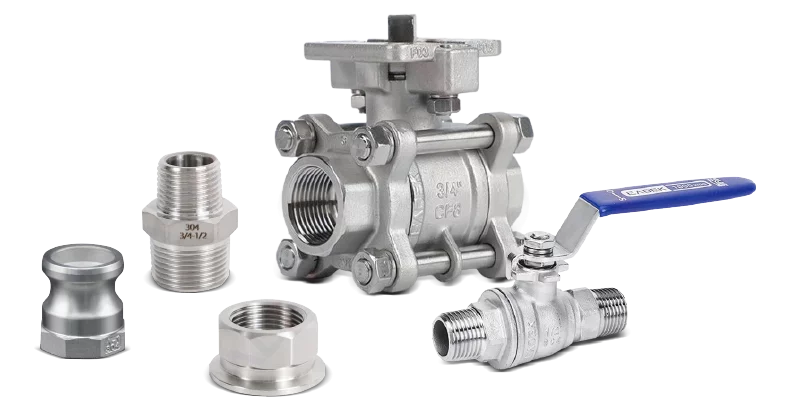
Here is a comprehensive selection of industrial valves, including check valves.

¿Por qué acero inoxidable?

Check valves are made from stainless steel because it’s resistant to rust and high temperatures. It pays off over time for businesses that cannot afford unexpected shutdowns.

Also, in industries like food processing, pharmaceuticals, and water treatment, high-grade stainless steel ensures production meets safety and hygienic standards.

Furthermore, stainless steel is a better long-term choice. Not only is it designed to last for decades, but stainless steel products are also 100% recyclable, with about 60% of each item made from recycled material.

To get a better idea of why stainless steel is the best option, refer to the table below.

CaracterísticaAcero inoxidableAcero al carbonoPlastic/PVCBronze/Brass
ActuaciónVery strong, resists corrosion, handles high pressure and temperatureStrong but prone to rust and scale in harsh environmentsGood for low-pressure, non-corrosive applications.Good corrosion resistance in water systems; moderate pressure/temperature tolerance.
Lifespan20 – 50 years with little maintenance10–20 years depending on the environment and coating.5–15 years; shorter if exposed to UV, heat, or chemicals15–30 years, but wears faster with abrasive fluids.
Cost (upfront)Higher initial cost.Moderate, cheaper than stainless.Lowest cost, budget friendlyMid-range, more expensive than iron but cheaper than stainless.
Cost (Long term)Lower, due to durability and low replacement needs.Higher, due to corrosion, repairs, and replacementsHigher, because of frequent replacements.Moderate; requires occasional replacement in demanding applications.

Industrial Applications of Stainless Steel Check Valves

Stainless steel check valves are used in many industries to control fluid flow and protect systems from backflow damage.

Chemical Processing & Manufacturing

In chemical plants, these valves prevent backflow that could mix hazardous substances or damage equipment. They are built to withstand tough chemicals without corroding.

In a solvent recovery system, for example, a check valve keeps solvents moving in the right direction and prevents them from contaminating waste streams.

For more on this, read about the role of stainless steel valves in chemical processing.

Water & Wastewater Management

These valves protect public health by stopping contaminated water from flowing back into the clean supply. Stainless steel helps prevent rust and wear – common problems in these environments – so the system keeps running.

For instance, during a power outage, a stainless steel check valve quickly shuts to stop wastewater from backing up and spilling into public areas. In irrigation systems, it also keeps dirty well water from mixing with clean sources.

Oil, Gas, and Petrochemicals

The oil and gas industry relies on these valves because they can withstand extreme pressure and heat, keeping pipelines safe. You’ll find them in refineries and offshore platforms, where they stop the backflow of flammable liquids and gases.

The use of high-quality stainless steel check valves prevents major problems. A government report linked one valve failure to a major leak that shut down a plant for over two months. Using stainless steel would have prevented that.

With energy demand rising in developing countries, the global network of pipelines is expected to expand by 2030. To keep supply flowing safely, companies are investing in durable components like stainless steel check valves.

Food, Beverage & Pharmaceutical Manufacturing

Hygiene is very important in these industries, and stainless steel check valves are used because they are easy to clean and do not rust easily. They are often made with polished finishes to prevent bacterial growth and keep products pure.

During food and beverage processing, these valves ensure ingredients move in the right direction, preventing cross-contamination between different product lines.

In a pharmaceutical plant, a check valve might be used in a purified water loop to ensure sterile water flows correctly, helping to keep medicines pure and safe for consumers.

Expert Advice – Recommendations When Choosing Check Valves

While stainless steel has many benefits, you need to match the valve to your specific application. The right choice can save you from costly downtime and safety risks.

Here’s how to pick the best fit for your system.

Choose the one appropriate for your project

There are different types of check valves you can use for your project. The most suitable valve depends on your system’s design and operating conditions. Each type has its benefits and limitations.

  • Swing Check: This valve uses a hinged disc that swings open when the flow moves forward, causing minimal pressure loss. It’s best for low-velocity systems because it doesn’t cause much pressure loss. The downside is that it needs more space and, in some cases, can cause “water hammer” – a sudden banging or pressure surge in the pipes that happens when the valve closes abruptly
  • Lift Check: This valve uses a disc or piston that lifts to allow flow. It can be shut firmly and works well in high-pressure, fast-flow systems with steady flow, such as those used for steam or gas.
  • Ball Check: The válvula de retención de bola is simple and uses a ball that lifts to allow flow. It has a self-cleaning effect as the ball moves, making it a low-maintenance option for different media, including viscous fluids and slurries.
  • Diaphragm Check: Using a flexible diaphragm, this valve is useful in systems where hygiene matters, like food, beverage, or pharmaceutical processes. It withstands corrosion well but isn’t the best option for high-pressure systems. You can learn more about its features here.

Consider Material Compatibility

While stainless steel is a durable material, not all grades perform the same. Pairing it with the wrong metal in a wet or harsh environment can cause galvanic corrosion, causing early wear.

Therefore, selecting the correct grade of stainless steel for your system is important.

Grade 316 stainless steel contains molybdenum, giving it better resistance to chlorides and aggressive chemicals than Grade 304. This makes 316 a preferred option for marine and chemical environments.

Case Study: Cast Iron Valve Failure from Galvanic Corrosion

While we have explored the effects of using the wrong material, here’s a real-life example of what can happen:

In a steam condensate system, a cast iron valve was installed in a stainless steel (AISI 304) pipe, right next to a copper heat exchanger.

Because these metals have very different electrical potentials, the cast iron corroded much faster than expected. Over time, the iron dissolved and left behind a weak, porous shell.

This case shows that understanding your environment and picking the right material is vital for safety and lasting performance. You can read the full report here.
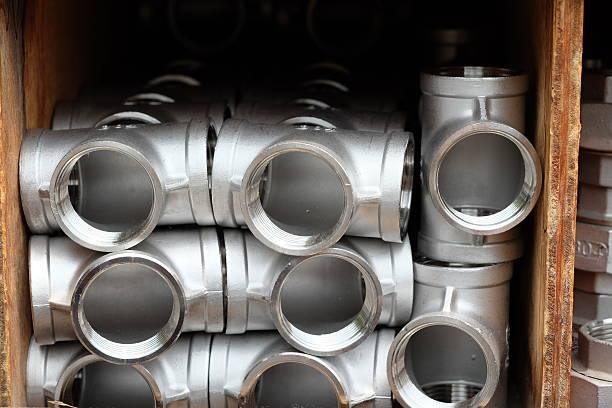
Choose a Reliable Manufacturer

A valve is only as good as the company behind it. Even the best design won’t last if the materials used in the manufacturing are poor. That’s why it’s worth paying attention to who you buy from.

Here are two key things to look for in a manufacturer:

  • Certifications: Check that their valves meet international standards such as API, ISO, or ASME. These stamps of approval show the valves have been properly designed, tested, and proven safe. For food and pharmaceutical use, FDA certification is essential. And if your system involves corrosive or sour gas, NACE certification is a must.
  • Beyond the Valve: The best manufacturers don’t just hand over a product; they offer technical support, tailored solutions, and warranties. Having that kind of support means less stress for you and a system you can count on for years.

To prevent future problems, find a manufacturer that offers partnership, not just a product. Procamlock specializes in high-quality stainless steel valves and fittings, providing reliable products and long-term support to ensure your systems run efficiently.

Installation and Maintenance Tips for Best Performance

Proper installation and maintenance are required to ensure a check valve’s long-term performance and safety. Here are tips to get the most out of your system.

Understand Pressure and Flow

Before you install anything, you need to understand a few basic terms, like:

  • En pressure rating: this is the maximum pressure a valve can safely handle.
  • En cracking pressure: the minimum upstream pressure needed to open the valve and allow fluid to pass.
  • En flow rate: the volume of fluid moving through the valve over time.

Ensure the valve you are using meets the pressure rating and flow rating of your system. This will help you ensure your system operates within its safe limits.

Installing Your Valve

When installing a check valve, confirm the flow direction – the arrow on the body shows the correct orientation. Position it as required (horizontal or vertical) since some designs allow only one. Before connecting, clean the pipeline to prevent debris from damaging the valve or blocking flow.

Maintenance Basics

Check valves need little maintenance, but regular inspections help them last longer and cut down on stoppages. Look for leaks, rust, or fatigue, and listen for unusual sounds such as chattering or whistling that may point to parts wearing out.

Global Market and Supply Chain Trends for 2025

The demand for stainless steel check valves is increasing because industries are growing and older infrastructure is being replaced. Also, new safety and environmental rules are pushing companies to choose stronger and longer-lasting components.

According to a recent DataIntelo report, the stainless steel valves market is expected to reach USD 21.3 billion by 2032.

Another industry analysis states that the global industrial valves market could reach about USD 93.64 billion in 2028 because of growth in developing regions and stricter safety rules. The Asia market is projected to dominate the market with countries like China and India taking the lead.

Supply Chain Challenges

But the growth also comes with challenges. Steel prices keep rising and falling, and shipping delays are still a problem. Both can push up costs and throw off project schedules. That’s why sourcing from reliable manufacturers with local support is becoming more important for avoiding delays and quality issues.

Conclusión

Unplanned downtime doesn’t just interrupt operations—it drains resources, inflates maintenance costs, and reduces overall efficiency. This is particularly important because maintenance inefficiency can cost your company up to four times more than necessary. Plants with poor efficiency may spend $400 million a year compared to $100 million at well-run sites. So, invest in durable parts so you can reduce downtime and cost.

Stainless steel check valves play a vital role in keeping systems running smoothly, especially in industries where reliability is non-negotiable. By choosing durable, corrosion-resistant components, you safeguard your plant against costly inefficiencies and unexpected failures.

For companies that want more than just a supplier, the key is finding a partner committed to performance and long-term value. Procamlock delivers high-quality stainless steel valves and fittings backed by expertise and customer-focused support—helping you reduce downtime, cut costs, and achieve lasting operational success.

Preguntas frecuentes

How can I fix a check valve stuck open or closed?

Most times, a stuck valve is caused by debris. A professional can fix this by flushing the system or disassembling and cleaning the valve. If that doesn’t help, the valve or its parts may need to be replaced.

What’s the difference between a check valve and a gate valve?

A check valve works automatically, letting fluid flow only one way. A gate valve is manual and uses a disc to fully open or close the flow, like an on/off switch.

How does cracking pressure affect my system?

Cracking pressure is the minimum pressure needed to push a check valve open. If your system pressure is below this level, the valve stays closed, which can restrict flow and cause performance issues.

How long do stainless steel check valves usually last?

A good stainless steel check valve can last decades – often 20 to 50 years or more. They have such a long life because the material is strong and resists rust.

Are stainless steel check valves suitable for high-temperature steam applications?

Yes. Certain stainless steel grades are designed to handle high-temperature steam. They resist both corrosion and thermal stress, keeping the system safe for years.

How do I know which grade of stainless steel is best for my industry?

The best grade depends on the specific environment, temperature, and chemicals involved. Grade 316 is often used in harsh conditions like chemical plants or marine systems, while Grade 304 is common for general use. The safest option is to confirm with a material specialist.

Can valves be customized for special systems or sizes?

Yes, many manufacturers offer custom solutions for unique systems. They can adjust size, pressure rating, or materials to match your exact system requirements.

Where can I buy stainless steel check valves in bulk for export?

For bulk export, it’s best to go through known manufacturers with established global logistics. Companies like ProCamLock supply stainless steel check valves worldwide, ensuring quality standards and smooth delivery.

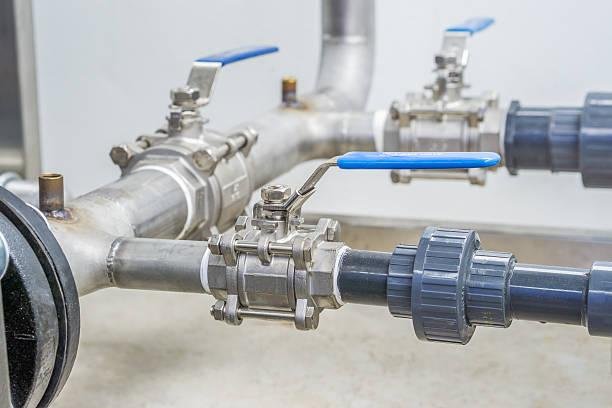
Maintenance Tips for Stainless Steel Ball Valves and Pipe Fittings

Regular maintenance contributes a lot to the lifespan of your stainless steel ball valves and fittings. Once a week, have a quick look: any tiny beads of water around the joints? Clean off deposits with a soft cloth, then add a thin film of the right lubricant. These simple habits can go a long way to help prevent rust, unexpected breakdowns, and save real money in the long run.

Do you want to extend the lifespan of your stainless steel valves and fittings? Give them a little regular care. This will help prevent breakdowns and expensive replacements. It’s surprising today to see how many systems fail early, not because the parts were faulty, but because of poor maintenance.
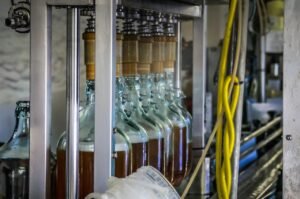
Sometimes, when things such as a tiny leak, a bit of rust, or a stiff valve that won’t budge happen, we assume they are minor issues. But in a chemical plant or food factory, that small issue can result in serious problems soon enough. If you don’t properly maintain your ball valves and pipe fittings, you’re likely to deal with problems like contamination risk, production halt, or even safety penalties.

Replacing a damaged valve usually costs more than we often expect, whereas cleaning and checking it regularly will only cost you a cloth and five minutes of your time. Some industry reports even say nearly 40% of valve failures happen because of poor or irregular maintenance. That clearly means that maintenance is more vital than most people know. 
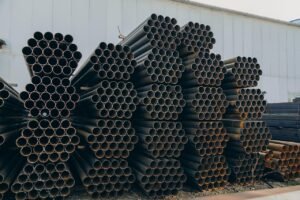
So, in this guide, we’ll show you simple things you can do to keep your stainless steel ball valves and fittings working as they should.

Understand What You’re Working With

When it comes to maintenance, you must have an understanding of what you are working with. Always check the specs before using any maintenance product or tool. The right cleaner for 316 might not be ideal for 304. And applying the wrong treatment could do more harm than good.

So, before you grab a wrench or go for a cleaning spray, first try to figure out exactly what kind of stainless steel you’re dealing with. This is one thing we always suggest starting with – and trust us, it makes everything else easier.

Most ball valves and fittings are made from 304 or 316 stainless steel. Both of these steel grades do pretty well in resisting rust and wear, but because of the little molybdenum content of 316, it has an extra protection in chloride-rich settings like seawater, de-icers, and many chemicals. That’s why it’s the type that is mostly used in marine, chemical, or food processing setups.

You will also need to know the valve type. Between the two-piece and the three-piece ball valves, the former is simple and sturdy, making it a perfect choice for general use. On the other hand, three-piece valves are built to be taken apart. This is what makes them an ideal option when you need to clean things thoroughly or replace internal parts quickly.

And don’t forget about the pipe fittings. Whether you’re using couplings, elbows, or unions, each one wears in its unique way. Some traps build up more easily, while others might loosen over time. When you know the layout, it will be much easier for you to spot issues early and maintain things properly.

Daily and weekly checks matter

Stainless steel is built to last, but it shouldn’t be fit-and-forget; you need to conduct daily and weekly checks. Dedicating a few minutes each day or week to maintain it can help you catch small faults early and save on costly repairs. These small steps take minutes and add years to your system:

  • Give it a proper look: Check for tea-staining, odd coloring, tiny rust specks, or dampness around the joints. These are early signs of wear or corrosion.
  • Don’t ignore drips: Even the tiniest leak is something to be concerned about. They don’t fix themselves. So, find it and sort it.
  • Work the handle, end to end: Open and close the handle fully to see how it feels. It should feel smooth and consistent. If it’s stiff, loose, or sticky, clean and lubricate it.
  • Quick wipe-down: Use a soft cloth with warm water or a pH-neutral stainless cleaner. Don’t use abrasives, chlorides, bleach, or steel wool.
  • Feel the joints: Lightly check unions, couplings, and seals. If anything’s loose, swollen, or misshapen, investigate and replace O-rings as needed.
  • Use your senses: Hissing, a faint whine, or unusual smells can point to leaks or trapped media.

Deep Cleaning and Lubrication: Monthly and Seasonal Care

A quick wipe keeps things tidy, but every so often your stainless-steel valves and fittings need a proper service. This is the only way to catch things you might have missed during daily checks.
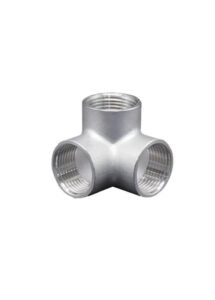
Let’s consider some of the things you need to do here:

Clean without being too rough

Start simple: use a soft microfibre cloth, warm water, and a pH-neutral cleaner. Don’t use bleach and anything gritty to avoid removing the protective layer of the steel. A drop of mild washing-up liquid often does the trick.

To deal with fingerprints or oily patches, use a dedicated stainless-steel cleaner. Wipe with the grain, not against it, then rinse and dry with a clean towel to prevent streaks and water spots.

Disassemble with Care

If you’re working with a two-piece or three-piece ball valve, you should take it apart now and then for a proper clean. To do that, always isolate and depressurize the line first, then follow your site’s safety steps (that is, PPE on and lockout/tagout applied).

Taking one apart isn’t as daunting as it sounds. For most designs, what you need to do is:

  1. Loosen the bolts or clamps
  2. Gently pull the body apart
  3. Take out the ball and inspect it for gunk or wear

If anything feels stuck, don’t force it. A touch of lubricant or a look at the manufacturer’s guide usually helps.

Lubricate the right way

Once everything is clean and dry, add a thin film of food-grade or silicone-based lubricant to the moving parts: think seats, stem, and seals. Cycle the valve a few times to work it in, then wipe off any excess so it doesn’t collect grit.

Avoid using petroleum greases to lubricate because they can attack elastomers and aren’t suitable for food or many chemical duties.

The bottom line is to lubricate regularly, as even a valve that already feels smooth can benefit from a light coat. It helps prevent stick-slip, reduces wear, and makes the next service quicker.

Check O-rings and seals

Look closely for nicks, cracks, swelling, flat spots, or stiffness. If you spot any of these, replace the part. It would do you good to keep a small kit of spares matched to your media and temperature, so you can quickly change leaks without delaying production.

Also, when fitting new rings, add a small portion of approved lubricant and seat them squarely without twisting them.

Avoiding Common Mistakes That Shorten Lifespan

Even the toughest stainless steel gear can wear out fast if it’s not handled right. Let’s go over some simple but common mistakes that can cut their life short, plus how to avoid them.

1. Over-tightening fittings

It’s easy to think tighter means better, but turning a valve or fitting too hard can cause damage. You could end up warping the threads or crushing internal seals. A good rule of thumb is to tighten by hand, then give it just a little extra nudge. That’s usually enough to tighten valves and fittings.


2. Using the wrong sealant

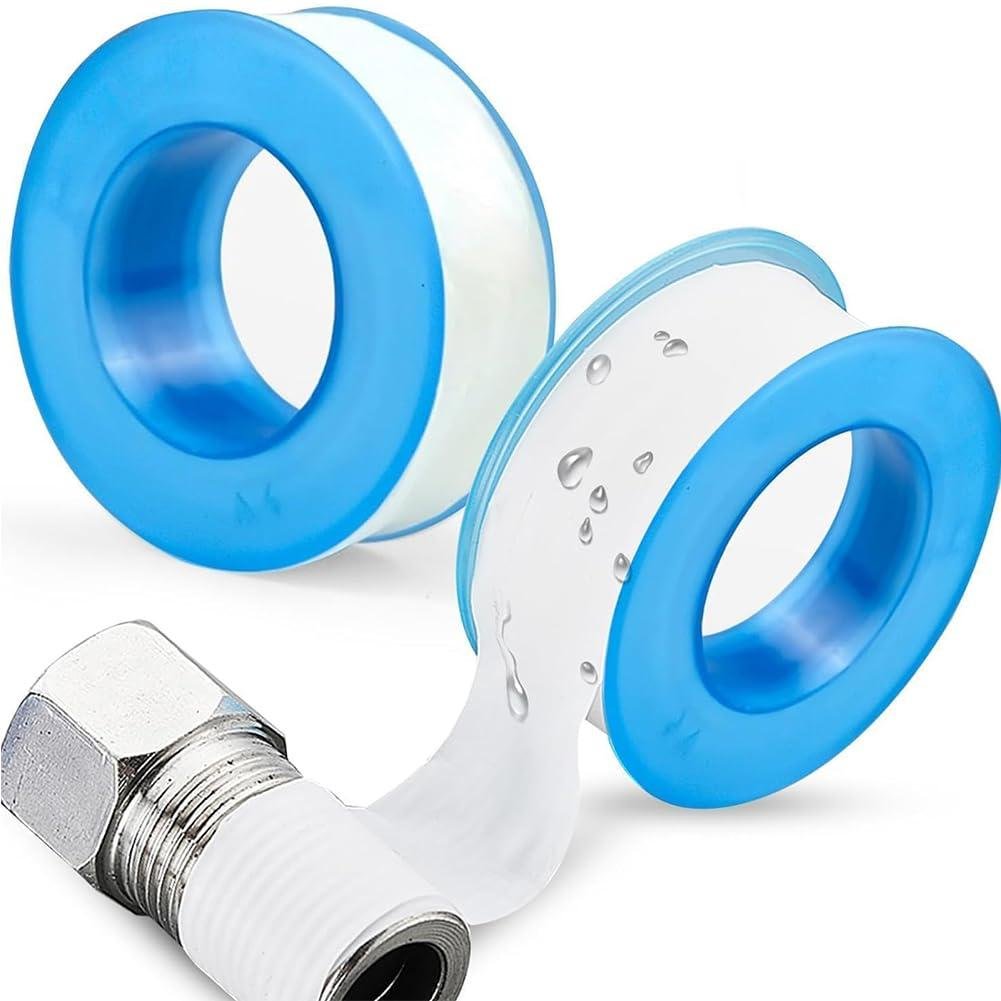
Teflon (PTFE) tape is fine for many water and air jobs. But high pressure, vibration, or aggressive chemicals often need a proper thread paste or the compound the manufacturer recommends. If you use the wrong stuff, you’ll get weeping threads or softened plastics. So choose a sealant rated for the pressure, temperature, and media where the fittings will be used.

3. Mixing different metals

Joining stainless steel to copper or brass can trigger galvanic corrosion, especially in wet systems. That’s when one metal sacrifices itself, and the joint starts to pit and seize. It’s always recommended to keep materials the same or break the circuit with a dielectric union/insulating joint. If you must mix, insulate the connection and use a compatible sealant so the joint lasts.

4. Leaving ball valves stuck in one position

Ball valves work best when they’re either fully open or fully closed. Leaving them halfway or not using them for ages can lead to buildup or stiffness. Even if a valve isn’t in use, give it a turn now and then to keep things moving.

5. Forgetting to log your checks

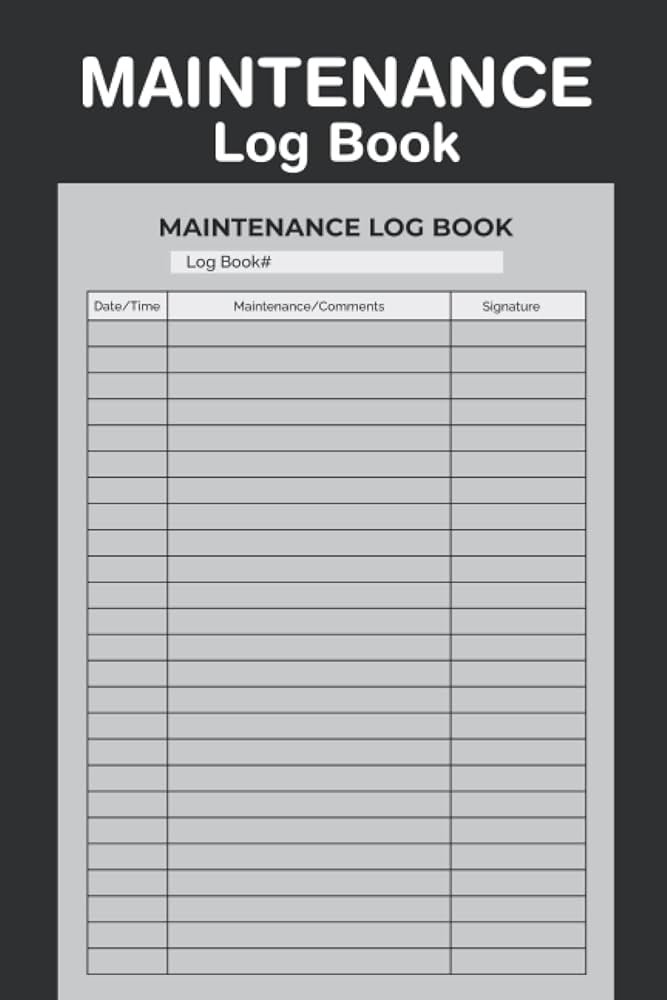
One last tip is to keep a basic maintenance log. Nothing fancy; just a quick note of what was checked and when should suffice. It’ll help you catch patterns and fix small problems before they become big and expensive.

Real-World Example of Maintenance Making a Difference

Stainless steel is tough, but it still needs a little help to last, especially in harsh places. Here’s what that looks like in the real world.

A coastal marine site fitted its system with 304 stainless ball valves. For months, everything ran smoothly. Then the salt in the air and constant humidity began to bite, light tea-staining showed up around joints and threads, and handles grew stiff. A few valves started to weep at the seats, and the maintenance team found themselves constantly patching things up.

They took a step back and changed their approach. First, they upgraded the problem spots to 316 stainless, which stands up better to chlorides and salt spray. Next, they introduced a simple monthly routine and also kept a small kit of spare seals matched to the media and temperature.

The difference was dramatic.

Downtime due to valve issues dropped by 60% in the first six months. Repair costs went down, and systems ran more smoothly. The team now spends less time fixing problems and more time keeping things running efficiently.

It’s a great reminder that when you pair the right materials with the right maintenance habits, everything lasts longer and performs better.

Global Market and Supply Chain Trends, 2025

Keeping your stainless steel valves and fittings in good shape is more essential now than ever to keep up with the competitive business world.

In 2025, more industries are using corrosion-resistant materials like 316 stainless steel, and because of this, demand has shot up fast, impacting the Stainless Steel market value positively. What this means is that more people are dealing with harsh conditions and looking for better long-term solutions.

The only issue is that with increased demand, the materials are getting harder to find.

Lead times for certain grades, especially 316L, which has extra molybdenum for added protection, are stretching out. Some suppliers now give 10 to 14 weeks, depending on where you’re sourcing from.

So, if you’re not paying attention to proper maintenance now to keep you ahead, a small valve issue could quickly turn into a major delay that will cause you to wait for weeks before you can get replacements.

This is why regular maintenance matters more than ever. You need to practice regular smart upkeep to extend the life of what you already have, and buy yourself time when parts are hard to get.

There’s also a shift toward predictive maintenance. More facilities are using sensors and data to catch issues early, before failure happens. However, if you’re not there yet, just having a solid visual and cleaning routine can save thousands down the line.

Recommended Maintenance Schedule

Keeping stainless steel valves and fittings in good condition isn’t complicated. Most of the time, we just need a consistent routine to keep things in top shape. So, we have provided a practical schedule you can follow to make maintenance easy for you, regardless of your industry:

TaskFrequencyNotes
Visual checkWeeklyLook for drips, loose unions, tea-staining, or scuffs.
Wipe down surfacesWeeklyUse a soft cloth and pH-neutral cleaner. Skip abrasives and harsh sprays.
Lubricate ball valvesMonthlyApply a thin film of food-grade or silicone-based lubricant to stems, seats, and seals. Cycle the valve fully, then wipe excess.
Deep clean & sealsQuarterlyStrip down if needed. Inspect O-rings and seats for cracks, swelling, or flat spots. Replace any that look tired.
Pressure integrity checkAnnuallyTest system pressure (and reliefs) on high-pressure or critical lines. Retorque supports if required.

How to Extend Lifespan in Harsh Environments

If you’ve got valves working near the sea, around chemicals, or in hot, high-pressure setups, understand that they need a bit more protection to keep going strong.

For outdoor or marine use, try using covers or special coatings to block out salt, moisture, and other nasty stuff. In chemical environments, double-check that your fittings can handle what’s flowing through them. It’s not one-size-fits-all, so you need to check to confirm.

And if you’re dealing with high temps or pressure, basic fittings won’t cut it. You’ll want gear that’s rated for those extremes.

Additionally, if you’re still using 304 stainless steel in rough conditions, it might be time to switch to 316. It holds up much better against corrosion, especially when there’s salt or harsh chemicals involved. Sure, it’s a bit pricier, but it’s cheaper than emergency repairs and unplanned downtime.

How to Work with Your Supplier for Maintenance Success

Your supplier shouldn’t just be someone who drops off parts and disappears. The good ones are there to partner with you to keep things running smoothly for the long haul.

Here’s how to make that relationship count:

  • Ask for maintenance tips when buying: Don’t wait until something goes wrong. Most reliable suppliers have useful advice based on your setup and materials.
  • Get the paperwork: Always ask for things like MTCs (material test certificates) and valve specs. Knowing exactly what you’re working with makes future maintenance way easier.
  • Use their support: If they offer after-sales help, take it and reach out any time there is an issue, even supposedly trivial ones like a weird noise. That’s what they’re there for, after all.
  • Keep the conversation going. When you stay in touch with your supplier, it makes it very easy to reorder or upgrade parts, especially if you’re ever in a pinch.
  • Ask questions. Don’t hesitate. A reliable supplier will be more than willing to explain what you’re buying and how to keep it in great shape.

Pensamiento final

Regular maintenance of your ball valves and fittings is more about protecting your investment. A quick wipe here, a little lube there, will keep your machine running smoother for longer.

Don’t forget that a few minutes of simple maintenance today can save you a major headache and a huge invoice tomorrow.

If you ever need help picking the right gear or figuring out a maintenance routine that works for you, just reach out to us. The team at Procamlock is always happy to help.

Preguntas frecuentes

How often should I lubricate stainless steel ball valves?

About once a month is usually enough to lubricate a stainless steel ball valve. However, you can do it more often if the valve gets heavy use or is in a tough environment. Just make sure you’re using food-grade or silicone-based lubricant.

Can I use vinegar or bleach to clean stainless fittings?

Nope. Vinegar and bleach are too harsh and can damage the protective layer of stainless fittings. Stick with pH-neutral cleaners and a soft cloth instead.

What’s the best way to prevent corrosion in outdoor fittings?

Use 316 stainless steel if you’re near the sea or dealing with chemicals. You can also use protective coatings or put the fittings inside weather-resistant covers.

How do I know when a ball valve needs replacement vs repair?

If it’s leaking all the time, getting harder to turn even after lubing, or the seals look worn out, it’s probably time to replace it. Minor stuff like grime or stiffness, however, can usually be fixed.

Do I need special tools for maintaining stainless steel valves?

Not really. Most of the time, all you need is an adjustable wrench, a soft brush, and the right lubricant. Just be gentle and follow the basics.

Where can I get replacement parts for these valves?

Right here at Procamlock. We stock quality stainless steel valves, fittings, and accessories, and we’re always ready to help you find exactly what fits your setup.

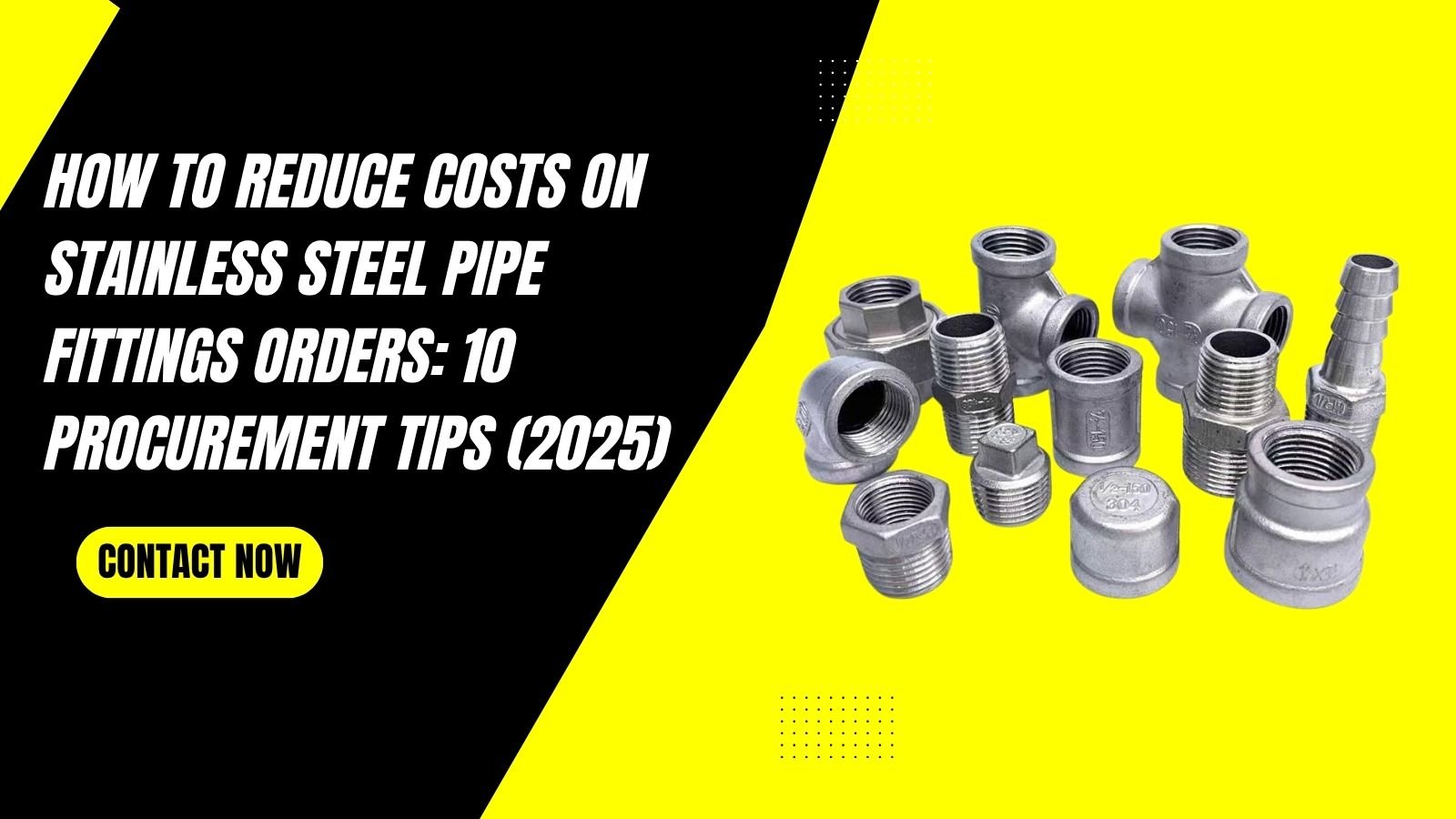
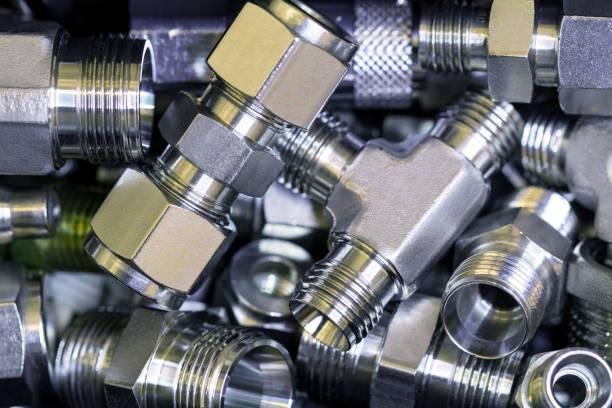
How to Reduce Costs on Stainless Steel Pipe Fittings Orders: 10 Procurement Tips (2025)

Buying the wrong stainless steel pipe fittings can quietly blow a project budget. A cheap part that fails inspection or arrives damaged costs more in rework, rush freight, and lost hours than the money you saved up front. This guide shows simple, practical steps on how to reduce costs on stainless steel pipe fittings without cutting corners on quality.

Here, you’ll learn how to pick a small set of standard SKUs, choose the right alloy for the job, and use supplier leverage for better stainless steel fittings price negotiation. We also cover landed-cost thinking so you won’t be surprised by freight or duty, and quick checks to avoid common traps, among other stainless steel pipe fittings procurement tips.

The ultimate goal here is to balance product quality with cost-effective practices on both sides (you and your clients). Procamlock is a trusted manufacturer of stainless steel pipe fittings. We are reliable and put customer satisfaction first by providing fittings of top quality, flexible MOQs, customer support, and price negotiations, to mention a few. Contact us today to get started with procuring stainless steel pipe fittings that meet your project needs.

The True Cost of Stainless Steel Pipe Fittings

The true cost of a stainless steel fitting is more than the price on the stickers. It is made up of the unit price, inspection and testing, rejects and rework, installation labor, downtime, shipping and duties, inventory carrying costs, and warranty or repair risk. If you ignore these extra items when manufacturing or reselling, you may lose more money than what you are saving on cheap parts.

Here’s a short example to make this easier to understand (Prices shown are purely illustrative):

  • Option A: You buy a cheap unit at $5.00 per piece. Then, add inspection ($0.75), installation labor ($12), a 4% reject rate with $100 rework per reject, and a small downtime risk. That gives a total installed cost ≈ $23.75 per fitting.
  • Option B: You buy a higher-quality unit, which costs $8.00, plus inspection ($0.50), the same installation labor, a 0.5% reject rate, and lower downtime risk. Total installed cost ≈ $21.40 per fitting.

That means you’re saving $2.35 per fitting when you choose the better-quality option (although it didn’t look that way from the start). On 10,000 fittings, that adds up to roughly $23,500 saved. The lesson is simple. The true cost of stainless steel pipe fittings comes from the landed and installed cost, not just the unit price.

Stainless steel fittings cost what they do because of a string of inputs and processes that add up long before a fitting reaches the jobsite. The single biggest driver is raw material. The nickel and molybdenum content (the extra alloy in 316/316L) makes that grade significantly more expensive than 304/304L. Plus, market trends affect nickel and steel prices and can move your unit cost overnight.

Manufacturing method is another factor. Forged fittings need more machining, so they cost more than cast or pressed fittings, but they’re stronger and safer for high-pressure systems. Complex shapes, tight tolerances, and small productions increase manufacturing time and scrap rates. For food, pharma, and similar industries, you also have to consider surface finishing, which adds both time and cost to the price of stainless steel pipe fittings.

Testing and traceability add another layer. MTCs, third-party lab reports, PMI checks, and hydrostatic tests all cost money to generate and audit; they also increase supplier cost and time, but they reduce your risk. Packaging, logistics, duties, and currency affect landed cost. Then, when you add inventory and warranty costs, which is the capital tied up in stock, you get to see all that adds to your true price.

Here are some procurement tips to reduce costs on your stainless steel pipe fittings orders:

Standardize your SKUs (Stock Keeping Units)

Identify 6 to 12 core fittings (in common sizes/materials) and lock down their specs. Focusing on a few SKUs means each unit is ordered in much larger batches.  Plus, the lesser variety lets you take advantage of bulk pipe fittings discounts and cut procurement costs. This way, you unlock bigger discounts and win customer loyalty.

One tip to keep in mind here: Use standard sizes. You don’t want to have a store full of fittings that take forever to sell. Instead, go for parts made to common dimensions, so unit prices will be ultimately lower and you sell out faster. Also, standard specs of stainless steel pipe fittings makes ordering and quality checks simpler; since they are often produced in larger amounts. You also want to keep inventory simple, at least in the early days, then expand with more varieties as needed or demanded.

Specify the Right Stainless Steel for Your Project, Not the Fanciest

If you’re buying stainless steel pipe fittings for a project, ensure that it is suitable for the environment and not the fanciest you hear of. Stainless steel 304/304L is advisable for general service, while 316/316L is often reserved for special cases. 304 is cheaper and is more suitable for mild conditions like plumbing, indoor systems, and moderate environments. 316L has extra nickel/molybdenum added to it; hence, you only need it in highly corrosive conditions, high-salt or oxidizing applications, like chlorides, seawater, or acids.

If it’s not a need, you shouldn’t overpay for 316L. Simply put: If you don’t need the added resistance of 316, standard 304 will give you similar results at a lower price.

Consolidate Suppliers for Volume Leverage

You don’t need 10 suppliers for one stainless steel fitting. For your key fittings, work with 1 or 2 of your preferred suppliers. Buying a larger total volume from fewer vendors gives you the leverage to negotiate for better pricing and bulk discounts. And, bulk purchase commitments translate to lower per-unit costs and stronger supplier support.

Before you make a preferred pick of a stainless steel pipe fittings supplier, research them thoroughly. Check their capacity, quality track record, lead times, and customer support. Working closely with a small supplier set helps streamline procurement and build strong partnerships. These focused relationships will often mean faster delivery and more flexibility on price as volumes grow. Feel free to check annual volume forecasts or ask suppliers about volume-discount programs. A multi-year buying plan lets you push for the best contract terms and price breaks.

Buy on Landed Cost, Not Unit Price

Always compare the total landed cost, not just the piece price. When requesting quotes, insist on a breakdown of unit cost plus testing, packaging, freight, and duties. This “total landed cost” shows the true expense to get the goods to your door.

A low per-unit price can vanish when you see the high shipping or import fees. Hence, it is advisable to ask for the total landed cost instead of the unit price alone. You can also evaluate your suppliers by the full landed price, so you’re not surprised by hidden charges.

Using landed costs also allows you to negotiate smarter. For example, if a quote has very high freight relative to the item price, you can ask about consolidating shipments, cheaper shipping modes, or including freight in the unit price. Plus, adjusting order sizes can also cut per-unit freight and duty.

Use Bulk Purchase Options like Blanket POs or VMI for Fast-Turn Items

Blanket Purchase Orders is when you lock in a fixed low price on a large volume order, then schedule deliveries over time. This secures the lowest bulk pricing without having to pay for all inventory upfront. Here, you save the cost of a big order while receiving goods as needed.

A Vendor-Managed Inventory (VMI) occurs when you have your supplier hold common fittings on consignment. Then, after your bulk purchase, they warehouse the products so they’re “ready-to-ship” on demand. This eliminates rush fees and ensures you have stock available for urgent jobs without expedited shipping.

Both methods speed up fast-turn items and lower cost of pipe fittings procurement. Blanket POs reduce repetitive order fees and price volatility, while VMI guarantees that the pipe fittings are on hand with minimal lead time. This way, urgent orders don’t incur extra rush charges or high last-minute pricing.

MOQ vs. Holding Cost (EOQ Thinking)

Many manufacturers use the Economic Order Quantity (EOQ) model to balance the ordering and holding costs. For highly demanded stainless steel pipe fittings, ordering just above a supplier’s minimum order quantity (MOQ) can give you volume discounts, reducing the per-unit price more than the added carrying cost. The key is to ensure that the savings from the holding costs exceed the extra warehousing expense.

In practice, applying the EOQ formula or inventory software can help pinpoint this “sweet spot.” Using EOQ effectively also means you don’t keep more on hand than needed, freeing cash for other uses. However, if some steel pipe fittings aren’t selling as fast as the forecast claims, extra stock becomes deadstock, tying up cash and eroding profit.

Pre-Qualify Suppliers with MTC & Sample Tests

Always ensure the raw materials meet specifications upfront to save significant cost. Insist that each batch of bulk stainless steel pipe fittings orders come with a Material Test Certificate (MTC) that confirms the alloy and treatment. Before full production, verify one or two sample parts against this certificate (a first-article inspection) to catch any defects early.

Asking for the full certificate package (material certificates, weld logs, test reports) with every shipment is one of the best practices for buying stainless steel fittings in bulk. A small upfront vetting step is far cheaper than fixing a bad batch of product later, so it’s best you do it.

Optimize Inspections: Sample Smart, Not 100%

Inspecting every single unit of an order is usually overkill except for the most critical parts. However, you can use statistical AQL sampling, which is generally sufficient, to save a lot of time and labor. Oftentimes, quality standards explicitly use sampling plans so that reasonable quality can be assured without inspecting every piece.

You can reserve a full inspection for safety-critical, high-value, or custom orders where defects have intolerable consequences. This way, standard SKUs get their representative spot-checks, while inspection resources focus on the parts that really matter.

Ship Your Stainless Steel Pipe Fittings Smartly

Consolidating cartons into one sea container (and using standard pallets) can slash freight costs per piece and reduce import duties on steel pipe fittings. By filling a whole container, you only pay for the space you use. Optimizing pallet loads (standard sizes, no wasted gaps) lets you fit more parts in each shipment.

This spreads shipping and handling costs across more units and even cuts damage: for instance, full-container loads see about half the damage rate of mixed LCL shipments. Research shows LTL pallet consolidation can cut freight costs by 10 – 50%, so booking pallets or groupage loads is an effective way to reduce costs on stainless steel pipe fittings.

Design for Procurement

To cut costs on bulk stainless steel pipe fittings orders, design units for procurement. This means favoring standard, off-the-shelf choices. Instead of designing multiple units in exotic finishes, custom threads, or one-off sizes; use standard thread forms and common plate thicknesses. This way, suppliers can readily stock or batch-produce common dimensions and threads of stainless steel pipe fittings.

Likewise, when specific surface finishes and specs are needed, keep them focused and limited to where it is needed. They often dramatically raise manufacturing time and price; hence, you should involve procurement early so they can suggest simpler alternatives. Those small choices cut lead time and lower the unit cost of stainless steel pipe fittings.

Mistakes to Avoid When Bulk Buying Stainless Steel Pipe Fittings

  • Buying cheap stainless pipe fittings on unit price alone is a common trap. Low sticker price can hide high freight, testing, rework, and downtime costs. Always compare landed and installed cost, not just the per-piece rate.
  • Skipping Material Test Certificates (MTCs) and pre-shipment tests is another costly mistake. Accepting shipments without MTCs lets wrong alloys or heat treatments slip through. Ask for batch MTCs and a first-article sample test before full production runs.
  • Ignoring MOQ, lead times, and holding costs causes rush orders and premium freight. Small, frequent buys look flexible but often cost more. Run a simple EOQ check and balance MOQ discounts against storage costs.
  • Weak stainless pipe fittings supplier vetting and inspection plans invite quality problems. Don’t rely on one phone call. Check factory capacity, export experience, references, and ask for past test reports. Use AQL sampling for commodity SKUs and full inspection for critical lots.
  • Other mistakes to avoid: Using exotic alloys where unnecessary, neglecting packaging and palletization (which leads to transit damage), and skipping warranty/return terms.

The fixes are simple: match material to the service, request robust packaging, confirm warranty coverage, and write clear inspection clauses into POs. These steps stop surprises and increase cost savings on stainless steel pipe fittings over the project life.

Conclusión

In summary, wrap up your SKU audit this week and pick 6 to 12 core fittings to standardize. Ask suppliers for landed-cost quotes that show unit price, testing, packing, freight, and duties. Request MTCs and a stamped sample before big orders to avoid rework and delays. Choose one or two trusted suppliers to work with and negotiate volume discounts or rebate tiers. Use blanket POs or VMI for fast-turn items to cut rush fees and steady unit pricing. Apply simple EOQ thinking so your MOQ savings aren’t swallowed by holding costs or dead stock. Use AQL sampling for commodity SKUs and full checks for safety-critical lots. Finally, design with procurement in mind by choosing standard threads, common finishes, and tolerances that cut machining and lead time.

These small changes add up over time. Standardize, buy on landed cost, vet materials, and lock in supplier terms that reward volume. If you’re ready to put this into practice, contact Procamlock to request a bulk quote for your next stainless-steel pipe fittings order. Our team will help with landed-cost quotes, MTC checks, and a simple template to get you started.

Preguntas frecuentes

  • How do I decide between 304/304L and 316/316L for my project?

For general, indoor, or non-chloride environments, use 304/304L. Then, when chloride, seawater, or harsh chemicals are present, or for critical marine/oxygen services, choose 316/316L. 304L is also recommended for use in welded assemblies to avoid carbide precipitation.

  • What tests and certificates should I ask for to avoid costly rejects?

Ask for Material Test Certificates – MTCs (which include ASTM and ISO certifications) for all wetted parts, dimensional checks, visual inspection, and pressure/hydro or seat-leak tests as appropriate. Add PMI or lab reports and third-party inspection for critical units.

  • How should I compare supplier quotes so I don’t get fooled by low prices?

Compare landed cost (which is unit + testing + packing + freight + duties + returns) and check lead time, MOQ, MTCs, warranty, and inspection scope. A lower unit price can lose you money if other line items are high.

  • Are forged fittings worth the extra cost versus cast or pressed fittings?

Forged fittings offer higher strength and reliability for pressure-critical systems. Cast or pressed fittings are cheaper for low-pressure, non-critical uses. Your choice between the two depends on the risk and safety requirements.

  • What common specification mistakes cause the biggest hidden costs at install?

Over-specifying alloys, vague temp/pressure ratings, missing MTC/inspection clauses, nonstandard threads/sizes, and poor packaging. Always address these issues in the PO to prevent rework and delays.

Global Suppliers of Stainless Steel Pipe Fittings: USA vs UK vs Asia (2025 Comparison Guide)

Failed accesorios de tubería can trigger unexpected downtimes and cost anywhere from thousands to hundreds of thousands of dollars per hour. Then, if there are compliance penalties or shipping delays in the mix, the risks multiply quickly. Every procurement manager knows that the right supplier choice can save a project or sink it. That is why global sourcing decisions cannot be left to guesswork. The USA, UK, and Asia each bring different strengths and trade-offs when it comes to stainless steel pipe fittings. From quality standards and certifications to cost, lead time, and minimum order quantities, the differences are significant. Logistics and regional compliance rules make the market even more complex.

In this guide, we’ll compare suppliers of stainless steel pipe fittings across these three regions, highlighting what they do best and common challenges they face. You’ll see when to pick the USA, when the UK makes more sense, and when Asia is the smarter option. We’ll also cover dual-sourcing strategies and how to safely place a test order before scaling up.

Why Stainless Steel Pipe Fitting Quality & Compliance Vary by Region

At first glance, stainless steel pipe fittings look the same no matter where you source them. Most suppliers claim they are compliant with ISO, ASTM, or ASME standards. Hence, these shared frameworks create a baseline for quality across the USA, UK, and Asia. But how those standards are applied is not the same everywhere.

In the USA, detailed documentation means quality control is deeply rooted in production. The UK places heavy emphasis on traceability and EU-related compliance, often requiring extra paperwork and third-party verification. Asia offers scale and competitive pricing, and many mills produce ASME/EN-spec fittings with full MTRs. The main risk is supplier selection, hence the need to vet factories, ask for batch-level MTRs, and use third-party testing to confirm compliance.

Stainless Steel Pipe Fitting Suppliers in USA, UK, and Asia Compared: Strengths, Trade-offs & Best Fits

In practice, the “right” stainless steel pipe fittings supplier often depends on deadlines, budgets, and compliance pressure. Many teams even dual-source because each region has different strengths, trade-offs, and risks. The table below gives a side-by-side view of the main factors that could impact your stainless steel pipe fittings catalog.

Criteria USA UK Asia
Required Standards/Certificates ASME, ASTM, ISO 9001; common mill test reporting (MTRs). (ASME/ASTM) EN standards, PED (EU), UKCA/CE for UK market; ISO 9001. ASTM/JIS/GB and ISO 9001 common; certification quality varies by mill; many exporters supply ASME/EN-spec material on request.
Quality High emphasis on audit trail and documentation; strong domestic QA culture. Strong focus on third-party verification for EU projects. Good documentation culture. Mixed, many mills offer excellent MTRs and third-party testing; documentation quality depends on the selected supplier and audit frequency.
Lead Times Short for domestic stock: days – 2 weeks. Longer for custom mill runs: 4 – 8 weeks. Medium: 2 – 6 weeks typical (depends on EU/UK stock levels and customs). Custom runs similar to the USA. Expect longer total lead times when sourcing from Asia. Typical production windows plus ocean transit often push total delivery to multiple weeks. Ocean transit alone commonly ranges from 2 – 6 weeks, depending on routing and port pair.
MOQs Distributors often sell low quantities; mills expect larger lots or roll orders. Similar to the USA, distributors for small runs, mills for higher volumes. Traders/agents can provide low MOQs; mills commonly set higher MOQs for custom tooling. Many factories accept smaller orders via traders.
Cost Drivers Higher labor & energy; domestic alloy surcharge exposure; lower freight for domestic orders. Compliance and testing overheads; energy costs; duties for some imports. Lower labor costs and competitive mill pricing; alloy surcharges still apply; freight and duties add to landed cost.
Logistics Simpler domestic logistics; faster domestic clearance. Export complexity if shipping out. Good intra-EU/UK networks, but watch UK-EU divergence (UKCA timeline impacts). Customs steps post-Brexit. Longer transit; potential port congestion; must plan for customs, duties, and document verification. Air freight reduces time but increases cost.
Best Fit Fast maintenance/urgent MRO; projects requiring Buy America or strict ASME compliance. Regulated European projects where CE/UKCA/PED compliance matters. High-volume runs, competitive unit price needs, and flexible custom tooling. Good for brands scaling production.
Risk Notes Higher unit cost; some alloy price sensitivity domestically. Brexit/UKCA transitions can complicate cross-border projects; check local acceptance of CE. Quality and documentation vary by supplier. Do factory audits, ask for MTRs, and third-party tests. Plan longer lead times.

Certifications, Quality & Compliance of Stainless Steel Pipe Fittings Suppliers by Region

  • USA:

USA stainless steel pipe fittings suppliers typically follow ASME/ASTM standards. For federal projects, many U.S. buyers must meet Buy America domestic-content rules, which require domestic iron and steel for covered procurements. Many U.S. manufacturers are ISO 9001-certified and provide full mill-test reports. This rigorous quality drive yields robust, corrosion-resistant fittings (suitable for high-pressure service), but also higher prices and longer lead times.

  • UK/EU:

UK stainless steel pipe fittings suppliers emphasize CE marking (soon UKCA in Britain) under the EU Pressure Equipment Directive. Fittings sold in Europe come with EN 10204 material certificates and detailed CE/UKCA declarations. Thanks to large market volumes, prices stay moderate while documentation standards remain high. In practice, a top-category PED item requires pressure testing and a CE declaration, much like an ASME-rated part in the U.S. Suppliers in EU markets typically follow CE/EN rules. For Great Britain, suppliers should track UKCA updates; since acceptance of CE-marked goods depends on product category and guidance updates.

  • Asia:

Many stainless steel pipe fittings suppliers in Asia (China, India, etc.) compete on price and scale. They often act as high-volume OEM manufacturers or wholesale pipe fittings suppliers, producing global stainless steel pipe fittings catalogs of high-pressure parts. Some hold ISO 9001 or local standards (e.g., JIS, GB), but international buyers insist on factory audits and third-party sample testing to verify material and dimensions. Longer transit times mean planning inventory in advance. In short, Asia’s low-cost imports expand the market for high-pressure, corrosion-resistant fittings, but buyers must carefully vet certifications and inspections.

Cost, Lead Time & MOQ Comparison of Global Stainless Steel Pipe Fittings Suppliers

When sourcing stainless steel pipe fittings from global suppliers, procurement teams weigh cost, lead times, and order flexibility. These factors shift noticeably depending on whether you buy from the USA, the UK, or Asia stainless steel pipe fittings suppliers.

  • USA:

USA stainless steel pipe fittings suppliers usually charge the highest per-unit costs due to labor and compliance rules. Minimum order quantities (MOQs) are flexible, especially with pipe fitting distributors carrying stock catalogs. Lead times stretch if you need mill-direct custom fittings, but stock orders move fast. Logistics delays are lesser for domestic projects, making them best for time-sensitive or government-funded builds.

  • UK:

UK stainless steel pipe fittings suppliers strike a balance between cost and delivery. They handle wholesale pipe fittings efficiently, with moderate MOQs compared to custom runs. Lead times are shorter than in Asia but longer than those of U.S. distributors. Their logistics advantage lies in reliable regional transport networks. These suppliers are ideal for projects requiring corrosion-resistant fittings with strong documentation, such as chemical or HVAC systems.

  • Asia:

Asia stainless steel pipe fittings suppliers are cost leaders, offering the lowest unit prices. They cater to large MOQs for mill-direct orders, but wholesale pipe fittings suppliers can ship smaller lots. Lead times increase with ocean freight, sometimes adding weeks. Planning ahead helps offset transit delays. Asia stainless steel pipe fittings manufacturers excel at high pressure pipe fittings and OEM runs. Their best-fit use case is large-volume, cost-sensitive projects where logistics timelines are predictable.

Regional Strategies for Managing Risks in Sourcing Stainless Steel Pipe Fittings

  • Like every business, the stainless steel pipe fittings industry has its own risks. Hybrid sourcing reduces single-point failure risk. You can contact Asian suppliers for high-volume runs, and keep the European or US supply for time-sensitive projects.
  • If you have suppliers in different regions, you can segment them by roles. For instance, you can use USA stainless steel pipe fittings suppliers when the lead time is crucial, UK suppliers where regulatory traceability matters, and Asian mills for competitive unit cost and tooling flexibility.
  • Reduce compliance risks with dual-certified routes. Ask for ASME and UKCA/CE paperwork when projects cross borders. Also, ask for MTRs and third-party test reports from each stainless steel pipe fittings supplier. Then, keep records in a shared compliance folder.
  • If you are starting out with a new supplier, use small pilot orders to verify corrosion-resistant fittings and high pressure pipe fittings before scaling. When you’ve established trust, keep a vetted list of trusted stainless steel pipe fittings manufacturers and wholesale pipe fittings suppliers.
  • To keep projects moving and protect cost margins, hedge alloy volatility by mixing suppliers across regions. You can include steel-surcharge clauses in contracts to share the risk. Negotiate tiered pricing tied to order volume and metal indexes. Remember to track your stainless steel pipe fittings catalog prices weekly to spot swings in supply.

Stainless Steel Pipe Fittings Sourcing Channels by Region

Here are some of the channels you can use to source stainless steel pipe fittings from global suppliers:

  • USA: For equipment demos and supplier meetings, attend industry events like FABTECH. You can also use industry directories such as Thomasnet to find USA stainless steel pipe fittings suppliers. Always check the Buy America register for public-project compliance.
  • UK: Visit UK exhibitions (eg, UK Metals Expo) and BSSA (British Stainless Steel Association) meetings to meet certified vendors. You can use BSI listings and trade associations to locate UK stainless steel pipe fittings suppliers. And regional trade shows help verify CE/UKCA paperwork and PED compliance.
  • Asia: To get a broad choice of suppliers, source through the Canton Fair, Global Sources, and Alibaba Gold Suppliers. For focused catalogs and wholesale pipe fittings suppliers, use Made-in-China and Taiwantrade. You can work with local procurement agents for factory audits and sample orders.
  • Other channels: LinkedIn connects engineers and supplier representatives. Industry forums and buyer groups offer candid supplier feedback. For on-site QC and lab testing, SGS and Bureau Veritas are third-party inspection firms available.
  • Best channel: Trade shows remain top for first-hand checks and relationship building. But if you are not available for the shows, you can build a short-list with online catalogs, then run factory audits or third-party inspections before placing large orders with any stainless steel pipe fittings manufacturer.

How to Build a Region-Smart Sourcing Plan

You need to build a region-smart sourcing plan around three things: quality checks, sourcing channels, and a tight vetting process.

  • Start with product quality checks. Request full MTRs, heat numbers, and third-party lab reports. Ask for pressure and dimensional test results for high pressure pipe fittings. You can also inspect a physical sample or use a paid third-party inspection before scaling. Track traceability and corrosion-resistant fittings data in your QC folder.
  • Where and how to source depends on your priorities. You can use USA stainless steel pipe fittings suppliers for urgent domestic needs (if they are closest to your target audience). For PED/UKCA projects, work with UK stainless steel pipe fittings suppliers. Then, for competitive mill pricing and OEM flexibility, go for Asia stainless steel pipe fittings suppliers. You can combine suppliers in different regions to balance cost and speed.
  • Vetting and ordering must be procedural. Document your suppliers, their sample quality, lead time, and MOQ. Place a pilot order to further verify the product, then negotiate terms, alloy surcharge clauses, and a clear warranty. Calculate the product cost from catalogs and quotes, not just the unit price. It is advisable to keep a preferred-supplier list of vetted stainless steel pipe fittings manufacturers that you can reach into for fast reorders.

Common Red Flags (and What to Do Instead)

Warning signs often appear early in the sourcing process. Here are the common ones and how to act:

Red flags:

  • Prices far below market value for complex fittings. Usually, a sign of material or process compromises.
  • Slow, vague, or evasive communication from your contact person.
  • Missing or partial MTRs, test reports, or other important paperwork.
  • Inconsistent markings, poor packaging, or samples that differ from production units.
  • Refusal to allow third-party inspections or sample testing before production.

Do this instead:

  • Ask for batch-level MTRs and heat numbers before approving production.
  • Ask for hydrostatic or PMI testing for high pressure pipe fittings or accredited labs.
  • Inspect samples with a pilot order to validate machining, finish, and corrosion resistance.
  • Hire third-party inspectors (SGS, Bureau Veritas) for factory audits and pre-shipment checks.
  • Include acceptance criteria, retest clauses, and warranty terms in your purchase order.
  • Maintain a shortlist of vetted stainless steel pipe fittings suppliers for quick fallback.

Conclusión

For procurement agents, the real choice of a supplier depends on balancing budget, timing, and compliance needs. Whether you need corrosion-resistant fittings for food plants, high pressure pipe fittings for oil projects, or a stainless steel pipe fittings catalog, global stainless steel pipe fittings suppliers provide different but complementary strengths. Ensure the supplier you pick is compliant with your market; verify MTRs, test reports, and certification before buying; and align your region strategy with the supplier’s strengths to meet project needs. Do the homework upfront; your projects will thank you later.

Preguntas frecuentes

  • What standards should my fittings meet for US/UK/EU projects?

For the US, ask for ASME/ASTM compliance (e.g., ASME B16.9, ASTM A403). For the EU – PED conformity and EN material/certificates (EN 10204). For the UK – CE/UKCA acceptance and equivalent PED evidence.

  • How do lead times compare between USA, UK, and Asia?

Stocked parts ship fastest from local distributors (days to weeks). Custom mill runs typically take longer: U.S./UK runs often take 4 – 8 weeks. Asia orders add production plus ocean transit, commonly 6 – 12 weeks.

  • Can I meet Buy America / UKCA requirements with Asian sources?

Yes, you can meet Buy America standards with Asian sources for private projects. However, if you are sourcing stainless steel pipe fittings for government projects, then you may need to meet the Buy America requirements. Asian suppliers can meet UKCA/CE requirements if they complete the required conformity assessments and appoint an authorised representative in the UK/EU as needed.

  • Do all regions provide MTRs and third-party testing transparently?

Most reputable suppliers do. But always insist on batch-level MTRs and independent lab results.

  • Should I always dual-source fittings to hedge trade risk?

Not always, but dual-sourcing helps on critical projects. You can use domestic backup for spares and Asia sources for bulk orders.

El papel de los accesorios de tubería de acero inoxidable en el procesamiento de alimentos y bebidas

Imagen de Mark Lee de Pixabay

¿Conoces esa sensación cuando una bebida sabe bien? Ahora imagínatela con un sabor metálico o ácido. En el procesamiento de alimentos y bebidas, evitar esto es la clave de las estrictas normas de seguridad e higiene.

Aunque las máquinas grandes acaparan toda la atención, son las piezas más pequeñas, trabajando en segundo plano, las que mantienen todo en marcha. Un ejemplo son los accesorios de tubería de acero inoxidable.

Puede parecer un conector básico, pero juega un papel importante al favorecer el flujo higiénico y reducir el riesgo de contaminación.

Pero ¿cómo lo hacen exactamente? Descubrámoslo a continuación.

¿Qué son los accesorios de tubería de acero inoxidable?

La definición más simple es: accesorios para tuberías de acero inoxidable. Unen tuberías o ayudan a cambiar su dirección. Generalmente incluyen:

  • Codos:para cambiar de dirección.
  • Tees: para dividir el flujo en diferentes líneas.
  • Reductores: para ajustar el tamaño de la tubería.
  • Acoplamientos y uniones:para conectar tuberías del mismo tamaño.
  • Adaptadores: para unir diferentes tipos o extremos de tuberías.

Pero en el procesamiento de alimentos, no se trata solo de plomería o estructura; los accesorios deben ser higiénicos por diseño. Esto significa:

  • Sin pequeños rincones ni grietas donde puedan esconderse partículas de comida o bacterias.
  • Fácil de limpiar y enjuagar.
  • Menor riesgo de contaminación por acumulación de residuos.

Este diseño limpio ayuda a los procesadores a cumplir estrictos estándares de higiene sin ralentizar la producción.

¿Por qué acero inoxidable?

Imagen de Bakhrom Tursunov de Pixabay

El acero inoxidable es ampliamente preferido en accesorios de calidad alimentaria porque:

  • Es resistente a la corrosión y no se oxida incluso con agua constante, agentes de limpieza o calor.
  • Resiste altas presiones y temperaturas.
  • No reacciona con los alimentos, los productos químicos ni la humedad. Según el Instituto del Níquel, los accesorios de tubería de acero inoxidable son los preferidos en el procesamiento de alimentos porque... No contaminan los alimentos y mantienen la seguridad alimentaria.Los accesorios de tubería de acero inoxidable duran mucho tiempo y no se rompen ni se filtran en los productos.

Si no está seguro de si el acero inoxidable es la mejor opción, aquí le ofrecemos una solución rápida. Comparación con accesorios de leva de aluminio Para ayudarle a decidir.

Por qué es importante la elección de materiales en el procesamiento de alimentos y bebidas

En la producción de alimentos y bebidas, la elección del material va más allá de la durabilidad; la seguridad también es una prioridad. Esto se debe a que el uso de un material inadecuado en los equipos puede causar contaminación, retiradas de productos o incluso riesgos para la salud de los consumidores.

Las fábricas de alimentos y bebidas se someten a una limpieza intensiva a diario. Hablamos de agua caliente, vapor, productos químicos fuertes y enjuagues constantes. Si a esto le sumamos la exposición diaria a la humedad, los ingredientes ácidos y los cambios de temperatura, el resultado es un entorno difícil. No todos los materiales lo soportan.

Digamos que optas por materiales más económicos, como el plástico. Al principio podrías ahorrar dinero, pero conlleva graves riesgos, como:

  • Absorción de residuos debido a su naturaleza porosa.
  • Grietas por calor y limpiadores agresivos
  • La contaminación bacteriana debida a las grietas antes mencionadas arruina lotes enteros.
  • Deformación o degradación, que provoca fugas o reemplazos repetidos

Lo cierto es que no se pueden escatimar esfuerzos cuando la seguridad alimentaria está en juego. El acero inoxidable puede costar más al principio, pero al final compensa. Ayuda a que las operaciones funcionen sin problemas sin riesgo de contaminación.

Y ahora, los organismos reguladores priorizan cada vez más la seguridad alimentaria, con controles más estrictos sobre los materiales utilizados en el procesamiento de alimentos. En Estados Unidos, la Ley de Modernización de la Seguridad Alimentaria (FSMA) ha centrado su atención en las medidas preventivas. India ha reforzado su supervisión de los materiales en contacto con alimentos, mientras que China implementó importantes actualizaciones a su Ley de Seguridad Alimentaria en 2015-2016. Mientras tanto, Europa sigue directrices como la Guía Técnica de la EDQM, que describe los estándares para los metales y aleaciones utilizados en plantas de procesamiento de alimentos.

En un campo donde un lote defectuoso puede arruinar una marca, elegir acero inoxidable no es sólo una preferencia: es una necesidad.

Y para garantizar que todo cumpla con los estándares de higiene y seguridad, estos accesorios siguen certificaciones como 3-A Sanitary Standards y ASME BPE que cubren limpieza, calidad del material y diseño.

El papel que desempeñan los accesorios de acero inoxidable en las plantas de procesamiento

Los accesorios de tubería de acero inoxidable permiten que los líquidos, ya sea leche, jugo, cerveza o algo más espeso, se distribuyan de forma segura y fluida en cada etapa del procesamiento. Aquí se presentan algunas maneras en que ayudan en las plantas de procesamiento de alimentos.

1. Conectan bombas, filtros, tanques y pasteurizadores.

Esto significa que conectan diferentes partes de la línea de producción para que todo fluya correctamente y funcione como un solo sistema. Por ejemplo, en una planta láctea, los accesorios ayudan a mantener un flujo fluido e higiénico desde los tanques de almacenamiento hasta las unidades de pasteurización y las líneas de embotellado.

2. Garantizan una transferencia higiénica y sellada a los contenedores.

Esto es especialmente cierto cuando el producto está listo para embotellarse o envasarse; el ajuste garantiza la higiene del trasvase a los contenedores y lo mantiene seguro para el consumo.

En el procesamiento de jugos, donde la acidez de las frutas puede ser perjudicial para la mayoría de los materiales, el acero inoxidable 316 resiste la corrosión y mantiene la pureza del jugo. Este grado de acero protege el jugo de las reacciones metálicas, manteniéndolo seguro y fresco.

3. Manejan pasos de alta presión en la producción.

Los accesorios de acero inoxidable son fuertes; no se doblan, rompen ni tienen fugas incluso cuando la presión es alta durante el procesamiento.

En las cervecerías, por ejemplo, los accesorios deben soportar el calor, la acidez y la carbonatación, sin comprometer la calidad ni la seguridad del producto. Afortunadamente, los accesorios de acero inoxidable están diseñados para resistir las duras condiciones de elaboración sin afectar el sabor ni la pureza de la cerveza.

4. Son fáciles de limpiar.

Esto se debe a su interior liso y pulido, que no acumula residuos ni bacterias. La mayoría de las plantas utilizan sistemas CIP (limpieza in situ), donde los líquidos de limpieza se introducen en el equipo sin necesidad de desmontar nada. Esto ahorra tiempo y esfuerzo, permitiendo una limpieza rápida y eficiente entre lotes.

El acero inoxidable resiste esta limpieza repetida sin desgastarse ni perder su acabado liso. Según OutokumpuEl acero inoxidable puede soportar más de 1000 ciclos de limpieza en sistemas CIP (limpieza in situ) sin perder rendimiento. Esto lo hace ideal para aplicaciones como las industrias de alimentos y bebidas, química y farmacéutica, donde se requiere una limpieza frecuente y rigurosa.

Beneficios del acero inoxidable más allá de la limpieza

La limpieza es una de las principales razones por las que se utilizan accesorios de acero inoxidable en el procesamiento de alimentos y bebidas, pero eso es solo el punto de partida. Estos accesorios también aportan valor a largo plazo de otras maneras. Aquí hay cinco beneficios subestimados, pero importantes, más allá de la limpieza:

1. Construido para soportar condiciones extremas

Las plantas de alimentos someten a sus equipos a un gran desgaste. Entre las fluctuaciones de temperatura, la vibración constante y el movimiento, los equipos pueden desgastarse rápidamente. Los accesorios de acero inoxidable están diseñados para soportar estas condiciones sin averiarse ni perder fiabilidad.

Esto se traduce en menos reemplazos de piezas, operaciones diarias más fluidas y equipos que se mantienen resistentes con un uso continuo. Además, cuando las cosas se mueven rápidamente, se necesitan piezas que puedan seguir el ritmo; el acero inoxidable ofrece eso.

2. Mantiene la pérdida de producto al mínimo

Las fugas en el sistema pueden ser molestas y costosas, lo cual perjudica el negocio. Los accesorios de acero inoxidable se fabrican con precisión. Se ajustan firmemente en su lugar para que los materiales permanezcan exactamente donde deben.

Esto le ayuda a reducir el desperdicio, mantener la calidad del lote constante y proteger los ingredientes sensibles de la exposición. Y en productos de alto valor como la cerveza, los concentrados de jugo o los lácteos, donde prevenir pérdidas es esencial, el uso de materiales que las eviten es vital.

Imagen de Imágenes de dominio público de Pixabay

3. Diseñado para procesos de alto riesgo

Estos accesorios no solo resisten. Durante el tratamiento térmico, el llenado a presión o la limpieza química intensa, el acero inoxidable se mantiene sólido.

Mantiene su forma, resiste la deformación por calor o productos químicos y se mantiene confiable durante procesos intensivos. El acero inoxidable está diseñado para funcionar bajo presión sin comprometer la seguridad ni la calidad del producto.

4. Te ayuda a ahorrar más a largo plazo

Los accesorios de acero inoxidable pueden ser más costosos al principio, pero con el tiempo se amortizan. Esto se debe a que se obtiene un valor real al reducir el mantenimiento imprevisto, evitar tiempos de inactividad inesperados y disminuir la probabilidad de rechazo de lotes. Ofrecen una mayor vida útil y confiabilidad, lo que ayuda a evitar problemas posteriores.

5. Garantiza el cumplimiento normativo

Las normas de seguridad alimentaria son estrictas, y su incumplimiento puede ocasionar problemas graves. Los accesorios de acero inoxidable certificados facilitan el cumplimiento de las normas de saneamiento, seguridad y materiales.

Consejos de mantenimiento para accesorios de acero inoxidable

Aunque los accesorios de acero inoxidable son duraderos, requieren un cuidado regular para mantener su buen funcionamiento y su higiene. Aquí tienes algunos consejos sencillos pero eficaces para mantenerlos en óptimas condiciones.

Imagen de Foto-RaBe de Pixabay

1. Limpie de forma rutinaria, incluso entre ciclos CIP programados.

Como se mencionó anteriormente, la mayoría de las plantas utilizan CIP (limpieza in situ), pero las inspecciones visuales siguen siendo importantes. Limpie las superficies exteriores y observe si hay signos de acumulación o manchas.

2. Utilice los productos de limpieza adecuados

Evite los limpiadores abrasivos que contengan cloruros o lejía, ya que pueden dañar la capa protectora del acero inoxidable con el tiempo. Utilice detergentes aprobados para uso alimentario y siga las instrucciones de dilución.

3. Esté atento al desgaste

Incluso el acero inoxidable puede mostrar signos de fatiga, especialmente en zonas de alta presión o donde los accesorios se desarman y ensamblan repetidamente. Revise las juntas, sellos y uniones para detectar indicios tempranos de fugas o tensión. Si están dañados, reemplácelos y no los reutilice.

4. Evite mezclar metales

Si va a reemplazar una pieza o ampliar su equipo, no mezcle acero inoxidable con otros metales como el acero al carbono. Esto puede causar corrosión galvánica, donde un metal empieza a degradar al otro.

5. Mantenga un registro de mantenimiento para realizar un seguimiento de las inspecciones, limpiezas y reemplazos de piezas.

Esto ayuda a prevenir sorpresas y facilita las auditorías. Con un mantenimiento constante, los accesorios de acero inoxidable no solo durarán más, sino que también seguirán cumpliendo su función crucial de mantener la seguridad de sus productos y la eficiencia de su planta.

Qué tener en cuenta al elegir los accesorios

Elegir el adecuado puede marcar una gran diferencia en la seguridad del producto, la eficiencia de la planta y los costos a largo plazo. Aquí hay algunos aspectos importantes a tener en cuenta al seleccionar accesorios de acero inoxidable para sus instalaciones:

1. Requisitos específicos de la aplicación

Piense en lo que soportará el accesorio. Considere:

  • Niveles de presión y temperatura: ¿Se enfrentará a altas temperaturas o a un flujo de alta presión?
  • Caudal: ¿Necesita manipular líquidos espesos o de rápido movimiento?
  • Exposición química: ¿Entrará en contacto con agentes de limpieza, ácidos o sal?
  • Condiciones ambientales y climáticas: ¿Bajo qué condiciones atmosféricas o climáticas funcionará?

2. Grado de acero inoxidable

Diferentes trabajos requieren distintos tipos de acero inoxidable. Los dos más comunes son:

  • 304: Ideal para uso general, resistente a la corrosión y fácil de limpiar.
  • 316: Ofrece protección adicional en entornos salados, ácidos o más corrosivos (como plantas de jugos o productos lácteos).

Si no está seguro de si usar acero inoxidable 304 o 316, esta sencilla comparación puede ayudarle a determinar cuál se adapta a su proceso.

Además, para necesidades más especializadas, algunas instalaciones utilizan aleaciones personalizadas diseñadas para desafíos específicos.

3. Facilidad de limpieza y mantenimiento

Busque accesorios con superficies sin juntas, resistentes a los residuos y con diseños sencillos que no retengan residuos ni bacterias. Los accesorios fáciles de limpiar ahorran tiempo durante los ciclos de limpieza y reducen el riesgo de contaminación.

4. Compatibilidad con sistemas existentes

Verifique los tamaños, las conexiones y la disposición de su equipo actual. El conector adecuado debe integrarse a la perfección sin necesidad de realizar grandes modificaciones en las tuberías ni la maquinaria.

5. Cumplimiento de los estándares de la industria

Asegúrese de que los accesorios cumplan con las normas sanitarias pertinentes.

Reflexiones finales

En el procesamiento de alimentos y bebidas, incluso los componentes más pequeños pueden tener un gran impacto. Los accesorios de tubería de acero inoxidable desempeñan un papel fundamental para mantener las condiciones de higiene, garantizar la eficiencia operativa y proteger la integridad del producto de principio a fin. No solo conectan tuberías, sino que mantienen unida toda la operación.

La durabilidad de las tuberías de acero inoxidable, su resistencia a la corrosión y su cumplimiento con las normas internacionales de seguridad alimentaria las convierten en un componente fundamental de cualquier sistema de procesamiento de alimentos bien diseñado. Elegir accesorios de acero inoxidable de alta calidad no se trata solo de conexiones, sino de proteger su producto, sus clientes y su marca.

Como un Fabricante líder de accesorios para tuberías de acero inoxidableEstamos orgullosos de apoyar a las empresas de alimentos y bebidas con productos y soluciones diseñados para el rendimiento, la seguridad y la confiabilidad a largo plazo.

¿Está listo para actualizar su sistema de procesamiento? Póngase en contacto con nuestro equipo hoy para Conozca más sobre nuestros accesorios de acero inoxidable.

Preguntas frecuentes

¿Por qué no utilizar accesorios de acero normales?

El acero común se oxida y corroe fácilmente. Esto puede contaminar los alimentos y dañar rápidamente los equipos. El acero inoxidable evita estos problemas.

¿Cuál es la gran diferencia entre el acero inoxidable 304 y 316?

El 316 tiene un ingrediente añadido (molibdeno) que lo hace aún más resistente a la corrosión, especialmente en ambientes salados o ácidos.

¿Cuánto duran estos accesorios?

Si se instalan y cuidan adecuadamente, los accesorios de acero inoxidable pueden durar tanto como el equipo del que forman parte: a menudo varios años o incluso décadas.

¿Existen alternativas viables al acero inoxidable?

Algunos plásticos se utilizan en casos específicos, pero para la mayoría del procesamiento de alimentos y bebidas, el acero inoxidable sigue siendo la opción más confiable y segura.

Acoplamientos Camlock para la seguridad de la industria química: Reducción de los riesgos operativos

En la industria química, garantizar la transferencia segura de fluidos es fundamental para evitar accidentes y mantener la eficiencia. Acoplamientos Camlock-también conocido como Acoplamientos de levas y ranuras-ofrecen una solución fiable para mitigar riesgos como las fugas, la corrosión y los errores humanos. Este artículo explora cómo Acoplamientos ProCamlock Camlock mejorar seguridad en la industria químicaLa seguridad, la eficiencia y la protección de los trabajadores y el medio ambiente.

Comprender los riesgos del procesamiento químico

El procesamiento químico implica la manipulación de líquidos peligrosos, sustancias corrosivas y operaciones volátiles, por lo que la seguridad es una prioridad absoluta. Los riesgos más comunes son:

  • Fugas y derrames: Las conexiones de mala calidad provocan fugas de productos químicos, lo que supone riesgos para la salud y el medio ambiente.
  • Daños por corrosión: Los fluidos agresivos degradan los racores tradicionales, provocando fallos en el sistema.
  • Error humano: Los sistemas complejos aumentan la probabilidad de cometer errores durante la conexión o desconexión.
  • Tiempo de inactividad: Las averías de los equipos y su mantenimiento frecuente provocan costosos retrasos en la producción.

Para hacer frente a estos retos, los fabricantes de productos químicos necesitan racores de desconexión rápida que sean rápidos, fiables y resistentes a las condiciones más duras. Aquí es donde Acoplamientos Camlock para la seguridad de la industria química brillar. <

Cómo los acoplamientos Camlock mejoran la seguridad en la industria química

Acoplamientos Camlock son racores de conexión rápida que permiten realizar conexiones seguras y sin herramientas en cuestión de segundos. Así es como mejoran la seguridad y la eficiencia en las aplicaciones químicas:

  • Prevención de fugas: Los cierres herméticos minimizan la exposición peligrosa y los residuos durante las transferencias de productos químicos.
  • Resistencia a la corrosión: Disponible en Acoplamientos Camlock de acero inoxidablepolipropileno y otros materiales resistentes a los productos químicos.
  • Funcionamiento rápido: El diseño sin herramientas reduce el tiempo de conexión, disminuyendo el riesgo de error humano.
  • Versatilidad: Compatible con varios sistemas de transferencia de productos químicos, incluidas mangueras, tuberías y unidades de almacenamiento.
  • Durabilidad: Fabricados para soportar entornos difíciles y un uso repetido sin degradarse.

Descubra nuestros acoplamientos Camlock para encontrar la solución perfecta a sus necesidades de procesamiento químico.

Aplicaciones reales de los acoplamientos Camlock en la industria química

Acoplamientos Camlock son esenciales en diversos escenarios de procesamiento químico, garantizando la seguridad y la eficacia:

  • Manipulación de ácidos y álcalis: Su alta resistencia a las sustancias corrosivas garantiza una manipulación segura y la protección del operario.
  • Transferencia de disolventes: Minimiza las emisiones de vapor y los vertidos durante las operaciones de transferencia.
  • Sistemas de tratamiento de residuos: El montaje y desmontaje rápidos permiten una limpieza y mantenimiento rápidos del sistema.
  • Carga y descarga de camiones cisterna: Agiliza el trasvase de líquidos entre vehículos e instalaciones, reduciendo el tiempo de inactividad.
  • Producción farmacéutica: Garantiza conexiones sin contaminación para procesos químicos sensibles.

Por qué es importante la calidad en los acoplamientos Camlock

No todos Acoplamientos Camlock son iguales. Los accesorios de baja calidad pueden provocar:

  • Accesorios sueltos, lo que aumenta el riesgo de fugas y exposición.
  • Desgaste prematuro bajo presión o con productos químicos agresivos.
  • Tiempo de inactividad del sistema debido a sustituciones o averías frecuentes.

Elección de alta calidad Racores Camlock para la seguridad de la industria química de un fabricante de confianza garantiza la fiabilidad y el rendimiento a largo plazo.

ProCamlock: Su socio de confianza para acoplamientos Camlock de la industria química

ProCamlock es uno de los principales fabricantes de Acoplamientos Camlockespecializada en soluciones para el sector químico. He aquí por qué destacamos:

  • Amplia gama de productos: Oferta Acoplamientos Camlock de acero inoxidablealuminio, polipropileno y latón para diversas aplicaciones.
  • Fabricación de precisión: Productos con certificación ISO, CE y RoHS y un riguroso control de calidad.
  • Soluciones a medida: Asistencia OEM y tamaños/materiales a medida para flujos de trabajo químicos específicos.
  • Red mundial de servicios: Entrega rápida y asistencia técnica en Norteamérica, Europa y Asia.

Con décadas de experiencia, ProCamlock ayuda a las instalaciones químicas a funcionar de forma más segura e inteligente. Contáctanos hoy para consultas de expertos.

Preguntas más frecuentes (FAQ)

¿Para qué se utilizan los acoplamientos Camlock en la industria química?
Los acoplamientos Camlock se utilizan para conexiones seguras y sin fugas durante las transferencias de productos químicos, como la manipulación de ácidos, la transferencia de disolventes y el tratamiento de residuos.

¿Son los acoplamientos ProCamlock Camlock compatibles con todos los productos químicos?
Sí, nuestro Acoplamientos Camlock están disponibles en materiales como acero inoxidable y polipropileno, lo que garantiza su compatibilidad con una amplia gama de productos químicos.

Reflexiones finales

En la industria química, donde una sola fuga puede provocar una catástrofe, invertir en Acoplamientos Camlock para la seguridad de la industria química es esencial. Acoplamientos ProCamlock Camlock proporcionan una solución sólida y eficaz para reducir los riesgos operativos, garantizando la seguridad y la productividad. Listo para mejorar sus operaciones de procesamiento químico? Póngase en contacto con ProCamlock hoy mismo

Los 10 principales proveedores de acoplamientos Camlock de acero inoxidable del mundo en 2025

Los acoplamientos de leva de acero inoxidable son componentes esenciales en industrias que requieren soluciones seguras y de conexión rápida para la transferencia de fluidos. Conocidos por su durabilidad, resistencia a la corrosión y versatilidad, estos accesorios se utilizan ampliamente en sectores como el de alimentos y bebidas, el farmacéutico, el de petróleo y gas, y el de procesamiento químico. Seleccionar un proveedor confiable es fundamental para garantizar productos de alta calidad que cumplan con las normas y satisfagan las necesidades específicas de cada aplicación. Este artículo destaca a los 10 principales fabricantes mundiales de acoplamientos de leva de acero inoxidable, mostrando su experiencia, oferta de productos y reputación en el sector. Ya sea que busque productos para aplicaciones industriales, sanitarias o de alta presión, estos proveedores ofrecen soluciones excepcionales.

1. ProCamlock

Acoplamientos CamLock de polipropileno

Perfil de la empresa:
ProCamlock, fundada en 2015, es un fabricante y proveedor líder de acoplamientos de leva de acero inoxidable, con sede en el Parque Industrial de Changshan, ciudad de Quzhou, provincia de Zhejiang, China. Con una década de experiencia en producción, la empresa se ha forjado una sólida reputación por ofrecer soluciones de transferencia de fluidos de alta calidad, especialmente en el ámbito de los acoplamientos y válvulas de leva. ProCamlock opera una planta de fabricación de vanguardia de más de 33.000 metros cuadrados, con más de 300 profesionales dedicados. La fábrica está equipada con tecnología avanzada, que incluye fundición de precisión, mecanizado CNC y rigurosos sistemas de control de calidad, lo que garantiza el cumplimiento de las certificaciones ISO 9001:2015, ISO 14001, CE, RoHS y TS. Esto permite a ProCamlock producir acoplamientos de leva de acero inoxidable duraderos y resistentes a la corrosión, diseñados para aplicaciones industriales exigentes como el procesamiento químico, el petróleo y el gas, la producción de alimentos y el tratamiento de aguas.

La empresa ha experimentado un crecimiento constante desde sus inicios, ampliando su alcance global mediante la exportación a mercados de Norteamérica, Europa y otros mercados. ProCamlock prioriza la personalización, ofreciendo soluciones de acoplamientos de leva de acero inoxidable a medida para satisfacer las necesidades específicas de cada cliente en cuanto a tamaño, material y diseño. Su compromiso con la innovación, la calidad y la satisfacción del cliente se evidencia en su soporte en línea 24/7 y su capacidad para proporcionar planos técnicos y muestras para su evaluación. La fábrica mantiene una alta productividad a la vez que cumple con estrictos estándares de calidad, realizando inspecciones exhaustivas de cada acoplamiento producido para garantizar su fiabilidad y resistencia a fugas. La trayectoria de desarrollo de ProCamlock la posiciona como una marca de confianza en la industria de la manipulación de fluidos, con un enfoque en el suministro de acoplamientos de leva de acero inoxidable rentables y de alto rendimiento, así como sus accesorios.

Productos principales:

  • Acoplamientos de leva de acero inoxidable (tipos A, B, C, D, E, F, DC, DP)
  • Accesorios sanitarios de triple abrazadera
  • válvulas de bola
  • Juntas y sellos
  • Accesorios sanitarios personalizados

2. Seal Fast Inc.

Perfil de la empresa:
Seal Fast, Inc., con sede en Houston, Texas, es un fabricante y proveedor líder de productos industriales, especializado en acoplamientos de leva de acero inoxidable. Fundada en 1933 por JE Bobo, la empresa comenzó como representante de ventas antes de fundar Seal Fast, Inc. en 1965 para centrarse en la producción de acoplamientos de leva y ranura. En 1982, se fusionó con JE Bobo Company para formar Seal Fast-Bobo Incorporated. Con más de nueve décadas de experiencia en producción, Seal Fast se ha convertido en un líder mundial, ofreciendo soluciones fiables y de alta calidad para industrias como la de procesamiento químico, petróleo y gas, tratamiento de aguas, agricultura y protección contra incendios. Certificada bajo la norma ISO 9001:2015, la empresa garantiza un control de calidad superior, produciendo acoplamientos de leva de acero inoxidable duraderos y otros accesorios en sus modernas instalaciones de Houston. El compromiso de Seal Fast con la innovación y la satisfacción del cliente impulsa su desarrollo continuo, con una sólida red de distribución global. La fábrica admite una amplia gama de aplicaciones y ofrece productos diseñados para la transferencia de fluidos segura y sin fugas.

Productos principales:

  • Acoplamientos de leva de acero inoxidable (1/2” a 6”)
  • Accesorios de manguera
  • válvulas industriales
  • Accesorios de conexión rápida
  • Acoplamientos personalizados para aplicaciones de combustible y productos químicos

3. K&G Machinery Co., Ltd.

Perfil de la empresa:
K&G Machinery Co., Ltd., fundada en 1988 en Yuhuan, Zhejiang, China, es un fabricante y proveedor líder especializado en acoplamientos de leva de acero inoxidable y otras soluciones de tecnología de fluidos. Con casi 40 años de experiencia en producción, K&G se ha convertido en una empresa internacional de tecnología de fluidos, que opera bajo dos marcas: K&G, especializada en acoplamientos para mangueras, accesorios para tuberías y abrazaderas, y CANTAI, dedicada a válvulas. La empresa se ha forjado una sólida reputación por ofrecer acoplamientos de leva de acero inoxidable de alta calidad, conocidos por su durabilidad, resistencia a la corrosión y facilidad de uso, y que prestan servicios a industrias como la del petróleo y el gas, la química, la agricultura y el tratamiento de aguas. El compromiso de K&G con la calidad queda patente en sus certificaciones internacionales, como CE, ISO9001, OHSAS18001 e ISO14001, y en las pruebas de producto 100% previas a la entrega para garantizar su fiabilidad.

Productos principales:

  • Acoplamientos de leva de acero inoxidable (tipos A, B, C, D, E, F, DC, DP)
  • Accesorios de leva de latón y aluminio
  • Acoplamientos de leva de polipropileno
  • Acoplamientos Bauer
  • Abrazaderas y válvulas de manguera

4. LOVELOCK Industry Co., Ltd.

Perfil de la empresa:
Fundada en 2010 en Shanghái, China, LOVELOCK Industry Co., Ltd. se especializa en sistemas de transferencia de fluidos, incluyendo acoplamientos de leva de alta calidad. Al servicio de industrias como la petrolera, la química y la agrícola, LOVELOCK prioriza la satisfacción del cliente, la sostenibilidad y la rapidez en las entregas. Sus productos cumplen con los estándares internacionales y su enfoque en la innovación garantiza conexiones fiables y resistentes a la corrosión.

Productos principales:

  • Acoplamientos de leva de acero inoxidable (1/2” a 6”)
  • Accesorios de leva de latón y aluminio
  • Acoplamientos de pasador y orejeta
  • Vástagos de manguera
  • Acoplamientos de aire universales

5. Ningbo Chili Metal Products Co., Ltd.

Perfil de la empresa:
Ubicada en Cixi, Zhejiang, China, cerca de los puertos de Ningbo y Shanghái, Ningbo Chili Metal Products Co., Ltd. es un fabricante profesional de accesorios para mangueras industriales. Con un enfoque en la calidad y la asequibilidad, sus acoplamientos de leva se exportan a Norteamérica, Australia, Europa y el Sudeste Asiático. La certificación ISO 9001:2015 y su ubicación estratégica garantizan una producción y entrega eficientes.

Productos principales:

  • Acoplamientos de leva de acero inoxidable (tipos A, B, C, D, E, F)
  • Acoplamientos Storz
  • Acoplamientos Guillemin
  • Acoplamientos de pasador y orejeta
  • Abrazaderas de manguera

6. Unión de metales

Perfil de la empresa:
Union Metal, con más de 15 años de experiencia, es un proveedor confiable de accesorios camlock con sede en China. Especializados en acoplamientos camlock de acero inoxidable 304 y 316 de alta calidad, atienden a industrias como la petrolera, la minera y la química. Sus productos cumplen con la norma EN14420-8, y su enfoque en precios competitivos y un servicio al cliente puntual los convierte en un proveedor global de referencia.

Productos principales:

  • Acoplamientos de leva de acero inoxidable (SS304, SS316)
  • Accesorios de leva de aluminio y latón
  • Acoplamientos de leva de polipropileno
  • Accesorios de triple abrazadera
  • Accesorios DIN11851

7. Incorporación de néctar

Perfil de la empresa:
Nectar Incorporation, con sede en India, es un fabricante profesional de acoplamientos de leva de acero inoxidable, reconocido por su alta calidad y precios competitivos. Sirviendo a industrias como la alimentaria y la química, Nectar se especializa en accesorios resistentes a la corrosión para aplicaciones sanitarias e industriales. Su compromiso con la satisfacción del cliente y una producción eficiente le han ganado una sólida reputación en el mercado global.

Productos principales:

  • Acoplamientos de leva de acero inoxidable (tipos A, B, C, D, E, F, DC, DP)
  • accesorios sanitarios
  • Vástagos de manguera
  • Adaptadores de conexión rápida
  • Accesorios de leva personalizados

8. JINAN ICM INDUSTRIES VÁLVULAS Y ACCESORIOS CO., LTD.

Perfil de la empresa:
JINAN ICM INDUSTRIES, con sede en China, es un fabricante líder de acoplamientos de leva de acero inoxidable y otros accesorios industriales. Con un enfoque en la calidad y la precisión, sus productos se utilizan en las industrias de protección contra incendios, petrolera y química. Su proximidad a los principales puertos garantiza un transporte marítimo global eficiente, y su cumplimiento de las normas internacionales garantiza la fiabilidad.

Productos principales:

  • Acoplamientos de leva de acero inoxidable (1/2” a 6”)
  • Accesorios de leva de aluminio y latón
  • Acoplamientos de leva de polipropileno
  • Acoplamientos de mangueras de aire
  • Acoplamientos de manguera de aire SureLock

9. Soluciones de ingeniería Chamunda

Perfil de la empresa:
Con sede en Ahmedabad, Gujarat, India, Chamunda Engineering Solutions es un fabricante y proveedor líder de acoplamientos de leva de acero inoxidable 304. Atiende a los mercados nacionales e internacionales y se especializa en accesorios duraderos y antioxidantes para aplicaciones de transferencia de fluidos. Su compromiso con la puntualidad y la calidad los ha convertido en una opción confiable para clientes industriales.

Productos principales:

  • Acoplamientos de leva de acero inoxidable 304 (tipos A, B, C, D, E, F, DC, DP)
  • Separadores de humedad
  • válvulas de compuerta de filo de cuchillo
  • válvulas de pulpa
  • Acoplamientos de liberación rápida

10. Tubes International

Perfil de la empresa:
Con sede en Poznań, Polonia, Tubes International ha sido un proveedor de confianza de acoplamientos camlock desde 1994. Especializados en accesorios de acero inoxidable, aluminio y polipropileno, prestan servicio a industrias como la del petróleo y el gas y la química. Sus productos cumplen con la norma militar estadounidense MIL-C-27487 y la norma europea EN 14420-7, lo que garantiza su compatibilidad y fiabilidad.

Productos principales:

  • Acoplamientos de leva de acero inoxidable (1/2” a 8”)
  • Accesorios de leva de aluminio y latón
  • Acoplamientos de leva de polipropileno
  • Accesorios de leva con brida
  • Juntas (NBR, EPDM, Viton)

Conclusión

El mercado global de acoplamientos de leva de acero inoxidable es sólido, con fabricantes líderes que ofrecen soluciones de alta calidad, duraderas y versátiles para diversas industrias. Desde la experiencia sanitaria de Steel & O'Brien hasta el legado centenario de Seal Fast, estos proveedores ofrecen productos que cumplen con los más estrictos estándares y necesidades de aplicación. Ya sea que priorice la resistencia a la corrosión, la entrega rápida o la personalización, estas empresas ofrecen opciones confiables. Para las empresas que buscan acoplamientos de leva de primera calidad, es importante asociarse con un proveedor confiable como ProCamlock Garantiza el acceso a productos premium con el respaldo de la experiencia del sector. Visita Sitio web de ProCamlock para explorar sus soluciones innovadoras y mejorar sus sistemas de transferencia de fluidos hoy.


Blogs

Explorar Temas

Tipos de Camlock

Descripción general de diferentes Camlock
tipos de acoplamiento.

Tipos de Camlock

Descripción general de diferentes Camlock
tipos de acoplamiento.

Tipos de Camlock

Descripción general de diferentes Camlock
tipos de acoplamiento.

Tipos de Camlock

Descripción general de diferentes Camlock
tipos de acoplamiento.

Tipos de Camlock

Descripción general de diferentes Camlock
tipos de acoplamiento.
es_ESSpanish
Desplácese al inicio