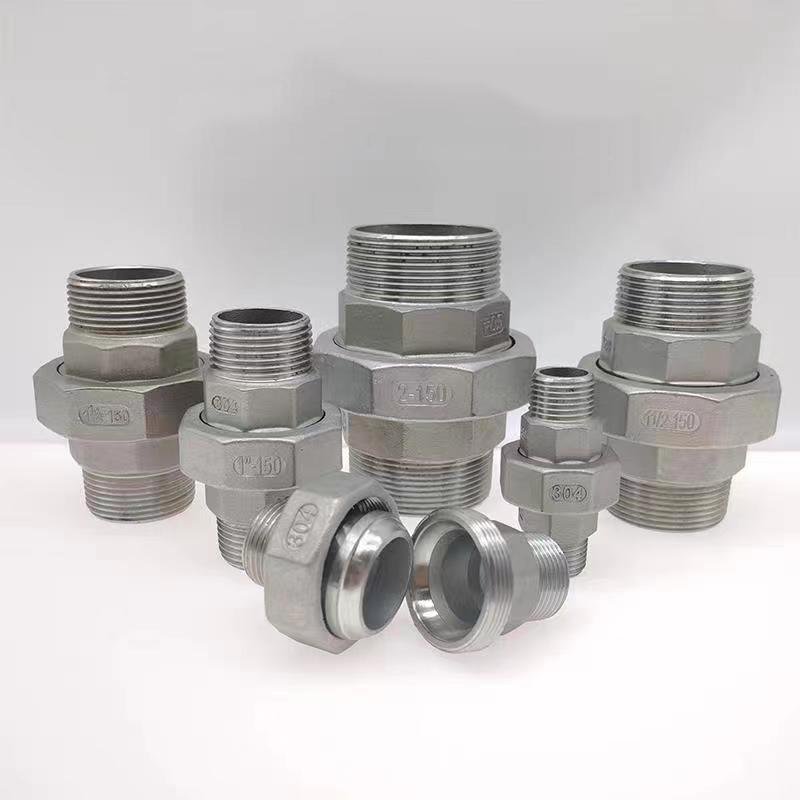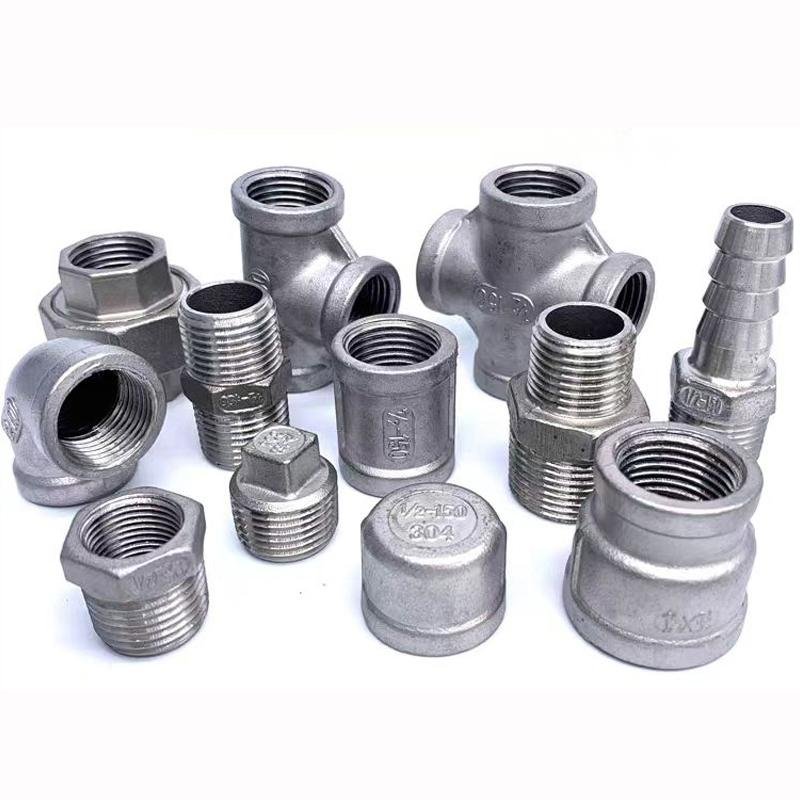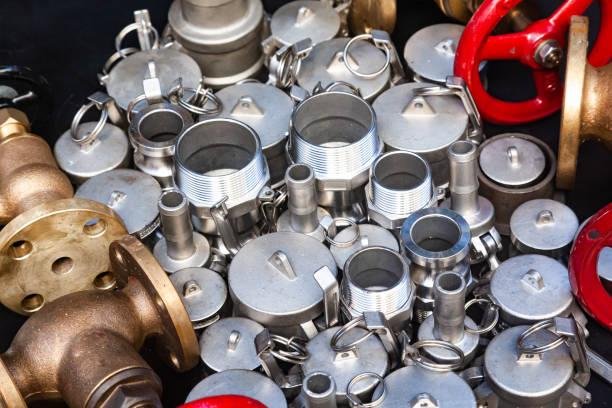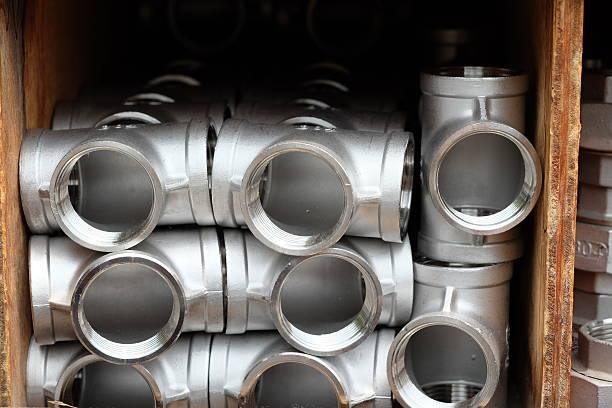
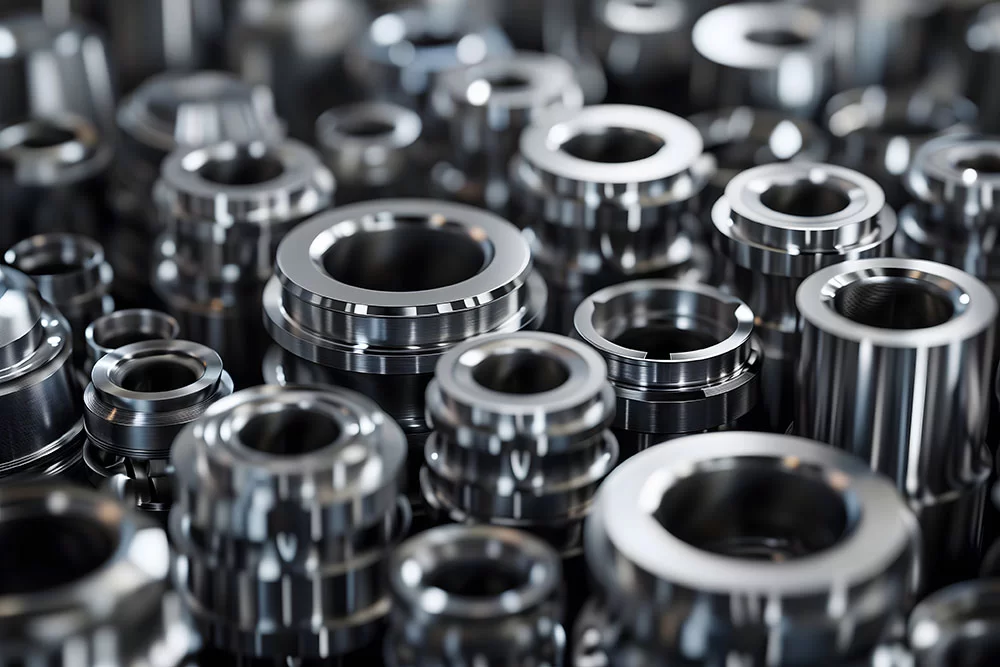
Giải pháp Camlock cho kết nối an toàn

PROCAMLOCK cung cấp khóa camlock bền bỉ, an toàn và hiệu quả
kết nối giữa các ngành công nghiệp.
Blog

Các loại khóa cam phổ biến bạn nên biết

Có nhiều loại Camlock khác nhau tùy theo vật liệu, kết nối cuối và tiêu chuẩn, với các tùy chọn như thép không gỉ, nhôm, nhựa và đồng thau, mang lại khả năng chống ăn mòn, độ bền và hiệu quả về chi phí khác nhau, khiến việc lựa chọn đúng loại cho ngành công nghiệp và hệ thống truyền động cụ thể của bạn trở nên cần thiết.

Blog

Mới nhất Tin tức

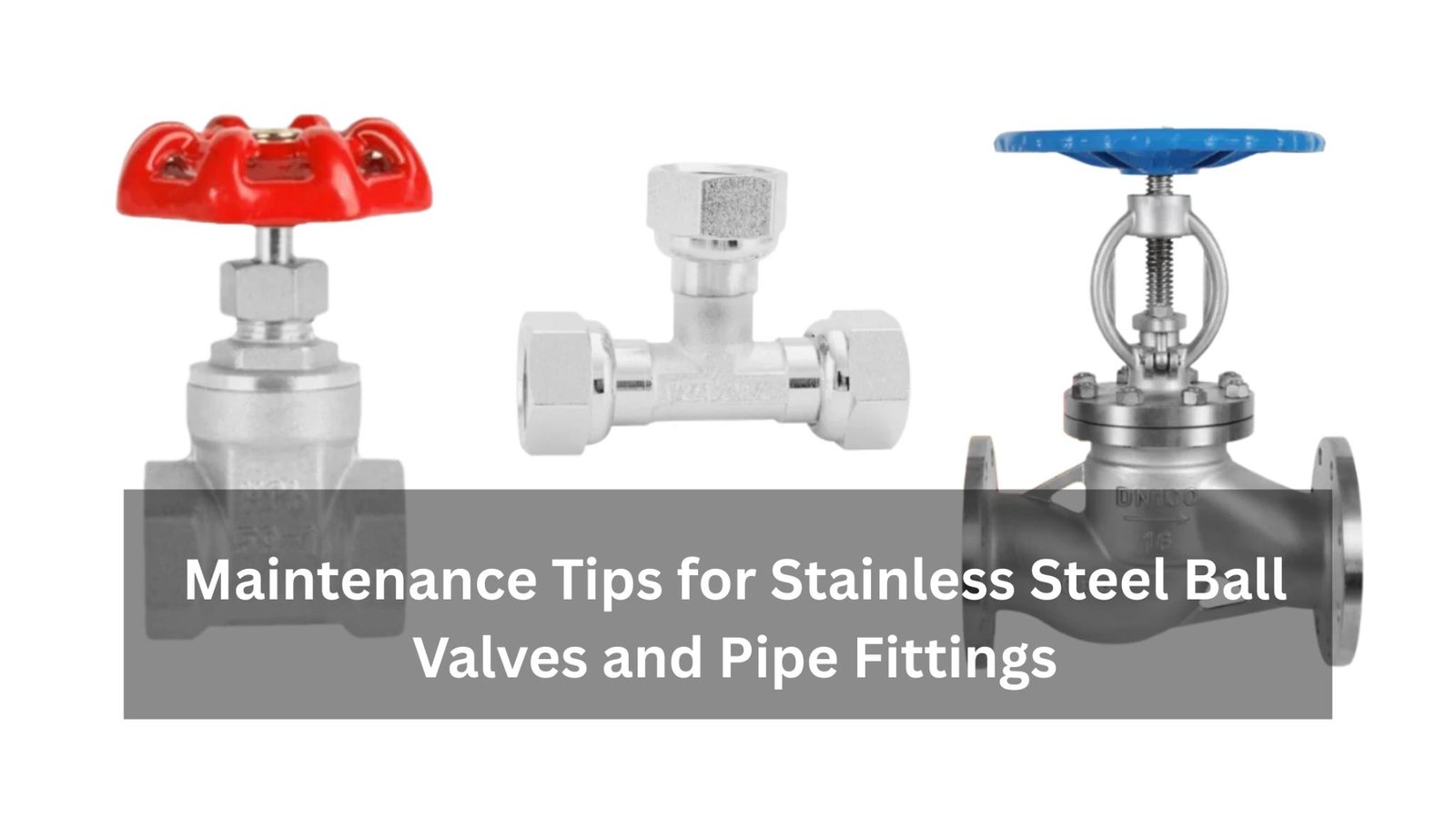
Maintenance Tips for Stainless Steel Ball Valves and Pipe Fittings

Regular maintenance contributes a lot to the lifespan of your stainless steel ball valves and fittings. Once a week, have a quick look: any tiny beads of water around the joints? Clean off deposits with a soft cloth, then add a thin film of the right lubricant. These simple habits can go a long way to help prevent rust, unexpected breakdowns, and save real money in the long run.

Do you want to extend the lifespan of your stainless steel valves and fittings? Give them a little regular care. This will help prevent breakdowns and expensive replacements. It’s surprising today to see how many systems fail early, not because the parts were faulty, but because of poor maintenance.

Sometimes, when things such as a tiny leak, a bit of rust, or a stiff valve that won’t budge happen, we assume they are minor issues. But in a chemical plant or food factory, that small issue can result in serious problems soon enough. If you don’t properly maintain your ball valves and pipe fittings, you’re likely to deal with problems like contamination risk, production halt, or even safety penalties.

Replacing a damaged valve usually costs more than we often expect, whereas cleaning and checking it regularly will only cost you a cloth and five minutes of your time. Some industry reports even say nearly 40% of valve failures happen because of poor or irregular maintenance. That clearly means that maintenance is more vital than most people know. 
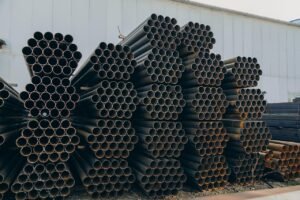
So, in this guide, we’ll show you simple things you can do to keep your stainless steel ball valves and fittings working as they should.

Understand What You’re Working With

When it comes to maintenance, you must have an understanding of what you are working with. Always check the specs before using any maintenance product or tool. The right cleaner for 316 might not be ideal for 304. And applying the wrong treatment could do more harm than good.

So, before you grab a wrench or go for a cleaning spray, first try to figure out exactly what kind of stainless steel you’re dealing with. This is one thing we always suggest starting with – and trust us, it makes everything else easier.

Most ball valves and fittings are made from 304 or 316 stainless steel. Both of these steel grades do pretty well in resisting rust and wear, but because of the little molybdenum content of 316, it has an extra protection in chloride-rich settings like seawater, de-icers, and many chemicals. That’s why it’s the type that is mostly used in marine, chemical, or food processing setups.

You will also need to know the valve type. Between the two-piece and the three-piece ball valves, the former is simple and sturdy, making it a perfect choice for general use. On the other hand, three-piece valves are built to be taken apart. This is what makes them an ideal option when you need to clean things thoroughly or replace internal parts quickly.

And don’t forget about the pipe fittings. Whether you’re using couplings, elbows, or unions, each one wears in its unique way. Some traps build up more easily, while others might loosen over time. When you know the layout, it will be much easier for you to spot issues early and maintain things properly.

Daily and weekly checks matter

Stainless steel is built to last, but it shouldn’t be fit-and-forget; you need to conduct daily and weekly checks. Dedicating a few minutes each day or week to maintain it can help you catch small faults early and save on costly repairs. These small steps take minutes and add years to your system:

  • Give it a proper look: Check for tea-staining, odd coloring, tiny rust specks, or dampness around the joints. These are early signs of wear or corrosion.
  • Don’t ignore drips: Even the tiniest leak is something to be concerned about. They don’t fix themselves. So, find it and sort it.
  • Work the handle, end to end: Open and close the handle fully to see how it feels. It should feel smooth and consistent. If it’s stiff, loose, or sticky, clean and lubricate it.
  • Quick wipe-down: Use a soft cloth with warm water or a pH-neutral stainless cleaner. Don’t use abrasives, chlorides, bleach, or steel wool.
  • Feel the joints: Lightly check unions, couplings, and seals. If anything’s loose, swollen, or misshapen, investigate and replace O-rings as needed.
  • Use your senses: Hissing, a faint whine, or unusual smells can point to leaks or trapped media.

Deep Cleaning and Lubrication: Monthly and Seasonal Care

A quick wipe keeps things tidy, but every so often your stainless-steel valves and fittings need a proper service. This is the only way to catch things you might have missed during daily checks.
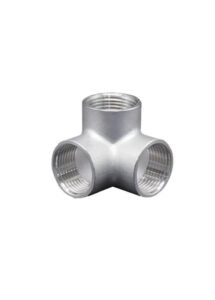
Let’s consider some of the things you need to do here:

Clean without being too rough

Start simple: use a soft microfibre cloth, warm water, and a pH-neutral cleaner. Don’t use bleach and anything gritty to avoid removing the protective layer of the steel. A drop of mild washing-up liquid often does the trick.

To deal with fingerprints or oily patches, use a dedicated stainless-steel cleaner. Wipe with the grain, not against it, then rinse and dry with a clean towel to prevent streaks and water spots.

Disassemble with Care

If you’re working with a two-piece or three-piece ball valve, you should take it apart now and then for a proper clean. To do that, always isolate and depressurize the line first, then follow your site’s safety steps (that is, PPE on and lockout/tagout applied).

Taking one apart isn’t as daunting as it sounds. For most designs, what you need to do is:

  1. Loosen the bolts or clamps
  2. Gently pull the body apart
  3. Take out the ball and inspect it for gunk or wear

If anything feels stuck, don’t force it. A touch of lubricant or a look at the manufacturer’s guide usually helps.

Lubricate the right way

Once everything is clean and dry, add a thin film of food-grade or silicone-based lubricant to the moving parts: think seats, stem, and seals. Cycle the valve a few times to work it in, then wipe off any excess so it doesn’t collect grit.

Avoid using petroleum greases to lubricate because they can attack elastomers and aren’t suitable for food or many chemical duties.

The bottom line is to lubricate regularly, as even a valve that already feels smooth can benefit from a light coat. It helps prevent stick-slip, reduces wear, and makes the next service quicker.

Check O-rings and seals

Look closely for nicks, cracks, swelling, flat spots, or stiffness. If you spot any of these, replace the part. It would do you good to keep a small kit of spares matched to your media and temperature, so you can quickly change leaks without delaying production.

Also, when fitting new rings, add a small portion of approved lubricant and seat them squarely without twisting them.

Avoiding Common Mistakes That Shorten Lifespan

Even the toughest stainless steel gear can wear out fast if it’s not handled right. Let’s go over some simple but common mistakes that can cut their life short, plus how to avoid them.

1. Over-tightening fittings

It’s easy to think tighter means better, but turning a valve or fitting too hard can cause damage. You could end up warping the threads or crushing internal seals. A good rule of thumb is to tighten by hand, then give it just a little extra nudge. That’s usually enough to tighten valves and fittings.


2. Using the wrong sealant

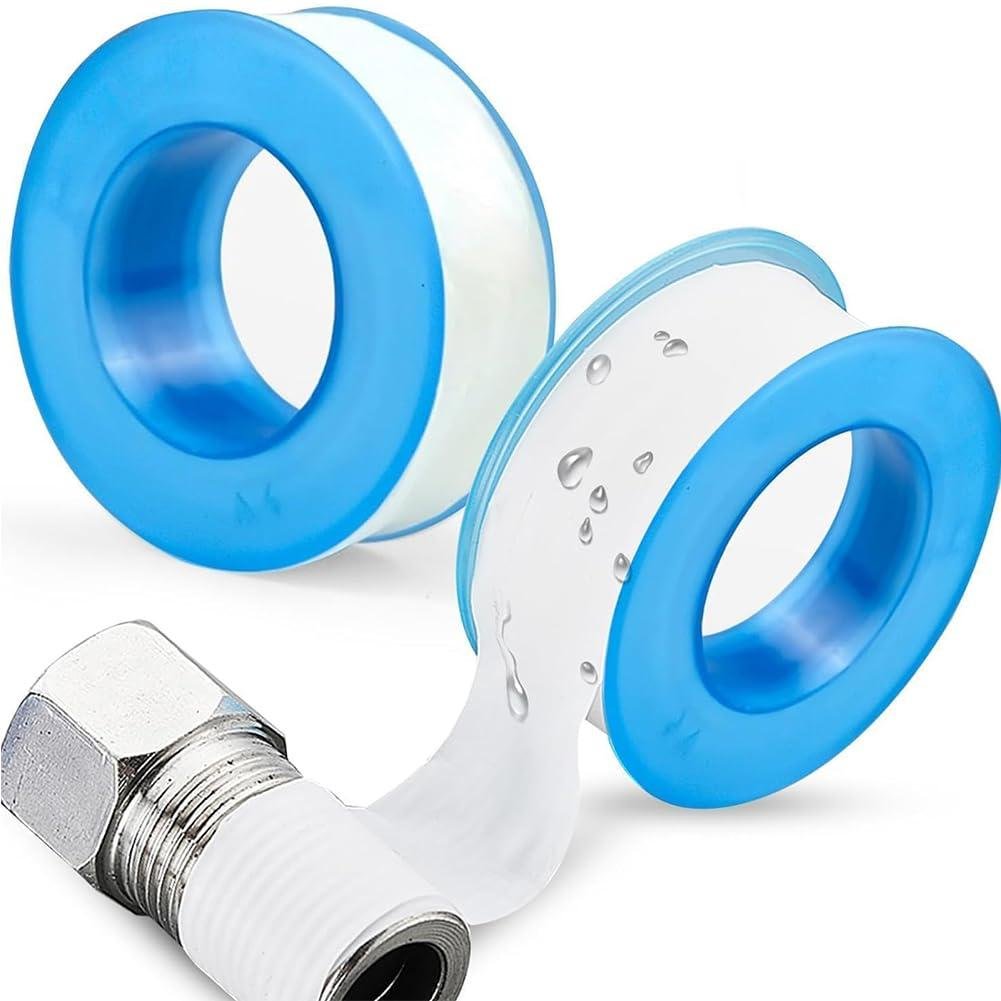
Teflon (PTFE) tape is fine for many water and air jobs. But high pressure, vibration, or aggressive chemicals often need a proper thread paste or the compound the manufacturer recommends. If you use the wrong stuff, you’ll get weeping threads or softened plastics. So choose a sealant rated for the pressure, temperature, and media where the fittings will be used.

3. Mixing different metals

Joining stainless steel to copper or brass can trigger galvanic corrosion, especially in wet systems. That’s when one metal sacrifices itself, and the joint starts to pit and seize. It’s always recommended to keep materials the same or break the circuit with a dielectric union/insulating joint. If you must mix, insulate the connection and use a compatible sealant so the joint lasts.

4. Leaving ball valves stuck in one position

Ball valves work best when they’re either fully open or fully closed. Leaving them halfway or not using them for ages can lead to buildup or stiffness. Even if a valve isn’t in use, give it a turn now and then to keep things moving.

5. Forgetting to log your checks

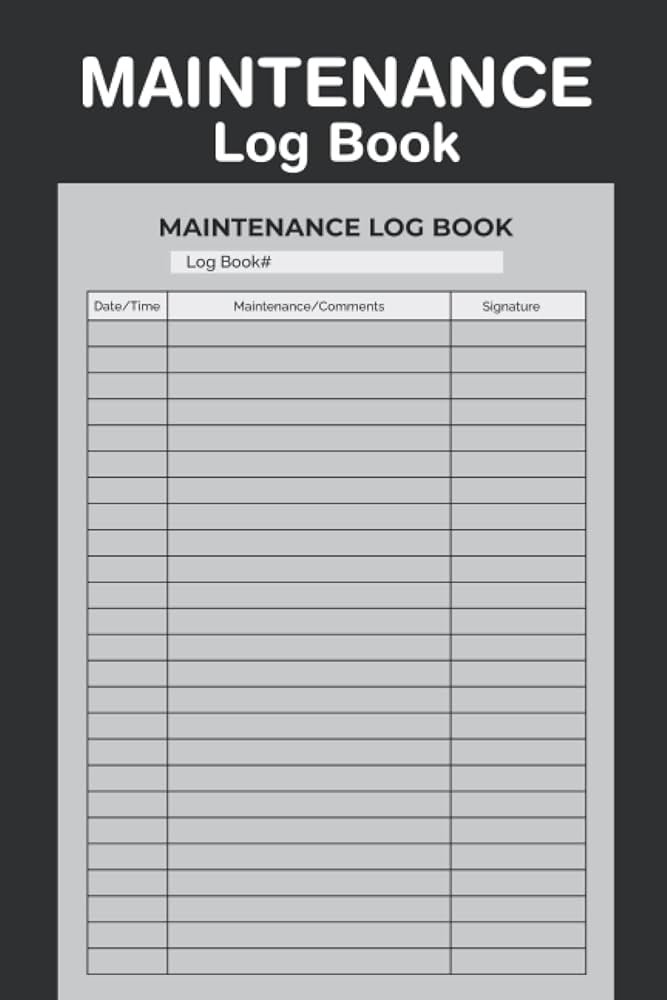
One last tip is to keep a basic maintenance log. Nothing fancy; just a quick note of what was checked and when should suffice. It’ll help you catch patterns and fix small problems before they become big and expensive.

Real-World Example of Maintenance Making a Difference

Stainless steel is tough, but it still needs a little help to last, especially in harsh places. Here’s what that looks like in the real world.

A coastal marine site fitted its system with 304 stainless ball valves. For months, everything ran smoothly. Then the salt in the air and constant humidity began to bite, light tea-staining showed up around joints and threads, and handles grew stiff. A few valves started to weep at the seats, and the maintenance team found themselves constantly patching things up.

They took a step back and changed their approach. First, they upgraded the problem spots to 316 stainless, which stands up better to chlorides and salt spray. Next, they introduced a simple monthly routine and also kept a small kit of spare seals matched to the media and temperature.

The difference was dramatic.

Downtime due to valve issues dropped by 60% in the first six months. Repair costs went down, and systems ran more smoothly. The team now spends less time fixing problems and more time keeping things running efficiently.

It’s a great reminder that when you pair the right materials with the right maintenance habits, everything lasts longer and performs better.

Global Market and Supply Chain Trends, 2025

Keeping your stainless steel valves and fittings in good shape is more essential now than ever to keep up with the competitive business world.

In 2025, more industries are using corrosion-resistant materials like 316 stainless steel, and because of this, demand has shot up fast, impacting the Stainless Steel market value positively. What this means is that more people are dealing with harsh conditions and looking for better long-term solutions.

The only issue is that with increased demand, the materials are getting harder to find.

Lead times for certain grades, especially 316L, which has extra molybdenum for added protection, are stretching out. Some suppliers now give 10 to 14 weeks, depending on where you’re sourcing from.

So, if you’re not paying attention to proper maintenance now to keep you ahead, a small valve issue could quickly turn into a major delay that will cause you to wait for weeks before you can get replacements.

This is why regular maintenance matters more than ever. You need to practice regular smart upkeep to extend the life of what you already have, and buy yourself time when parts are hard to get.

There’s also a shift toward predictive maintenance. More facilities are using sensors and data to catch issues early, before failure happens. However, if you’re not there yet, just having a solid visual and cleaning routine can save thousands down the line.

Recommended Maintenance Schedule

Keeping stainless steel valves and fittings in good condition isn’t complicated. Most of the time, we just need a consistent routine to keep things in top shape. So, we have provided a practical schedule you can follow to make maintenance easy for you, regardless of your industry:

TaskFrequencyNotes
Visual checkWeeklyLook for drips, loose unions, tea-staining, or scuffs.
Wipe down surfacesWeeklyUse a soft cloth and pH-neutral cleaner. Skip abrasives and harsh sprays.
Lubricate ball valvesMonthlyApply a thin film of food-grade or silicone-based lubricant to stems, seats, and seals. Cycle the valve fully, then wipe excess.
Deep clean & sealsQuarterlyStrip down if needed. Inspect O-rings and seats for cracks, swelling, or flat spots. Replace any that look tired.
Pressure integrity checkAnnuallyTest system pressure (and reliefs) on high-pressure or critical lines. Retorque supports if required.

How to Extend Lifespan in Harsh Environments

If you’ve got valves working near the sea, around chemicals, or in hot, high-pressure setups, understand that they need a bit more protection to keep going strong.

For outdoor or marine use, try using covers or special coatings to block out salt, moisture, and other nasty stuff. In chemical environments, double-check that your fittings can handle what’s flowing through them. It’s not one-size-fits-all, so you need to check to confirm.

And if you’re dealing with high temps or pressure, basic fittings won’t cut it. You’ll want gear that’s rated for those extremes.

Additionally, if you’re still using 304 stainless steel in rough conditions, it might be time to switch to 316. It holds up much better against corrosion, especially when there’s salt or harsh chemicals involved. Sure, it’s a bit pricier, but it’s cheaper than emergency repairs and unplanned downtime.

How to Work with Your Supplier for Maintenance Success

Your supplier shouldn’t just be someone who drops off parts and disappears. The good ones are there to partner with you to keep things running smoothly for the long haul.

Here’s how to make that relationship count:

  • Ask for maintenance tips when buying: Don’t wait until something goes wrong. Most reliable suppliers have useful advice based on your setup and materials.
  • Get the paperwork: Always ask for things like MTCs (material test certificates) and valve specs. Knowing exactly what you’re working with makes future maintenance way easier.
  • Use their support: If they offer after-sales help, take it and reach out any time there is an issue, even supposedly trivial ones like a weird noise. That’s what they’re there for, after all.
  • Keep the conversation going. When you stay in touch with your supplier, it makes it very easy to reorder or upgrade parts, especially if you’re ever in a pinch.
  • Ask questions. Don’t hesitate. A reliable supplier will be more than willing to explain what you’re buying and how to keep it in great shape.

Suy nghĩ cuối cùng

Regular maintenance of your ball valves and fittings is more about protecting your investment. A quick wipe here, a little lube there, will keep your machine running smoother for longer.

Don’t forget that a few minutes of simple maintenance today can save you a major headache and a huge invoice tomorrow.

If you ever need help picking the right gear or figuring out a maintenance routine that works for you, just reach out to us. The team at Procamlock is always happy to help.

Câu hỏi thường gặp

How often should I lubricate stainless steel ball valves?

About once a month is usually enough to lubricate a stainless steel ball valve. However, you can do it more often if the valve gets heavy use or is in a tough environment. Just make sure you’re using food-grade or silicone-based lubricant.

Can I use vinegar or bleach to clean stainless fittings?

Nope. Vinegar and bleach are too harsh and can damage the protective layer of stainless fittings. Stick with pH-neutral cleaners and a soft cloth instead.

What’s the best way to prevent corrosion in outdoor fittings?

Use 316 stainless steel if you’re near the sea or dealing with chemicals. You can also use protective coatings or put the fittings inside weather-resistant covers.

How do I know when a ball valve needs replacement vs repair?

If it’s leaking all the time, getting harder to turn even after lubing, or the seals look worn out, it’s probably time to replace it. Minor stuff like grime or stiffness, however, can usually be fixed.

Do I need special tools for maintaining stainless steel valves?

Not really. Most of the time, all you need is an adjustable wrench, a soft brush, and the right lubricant. Just be gentle and follow the basics.

Where can I get replacement parts for these valves?

Right here at Procamlock. We stock quality stainless steel valves, fittings, and accessories, and we’re always ready to help you find exactly what fits your setup.

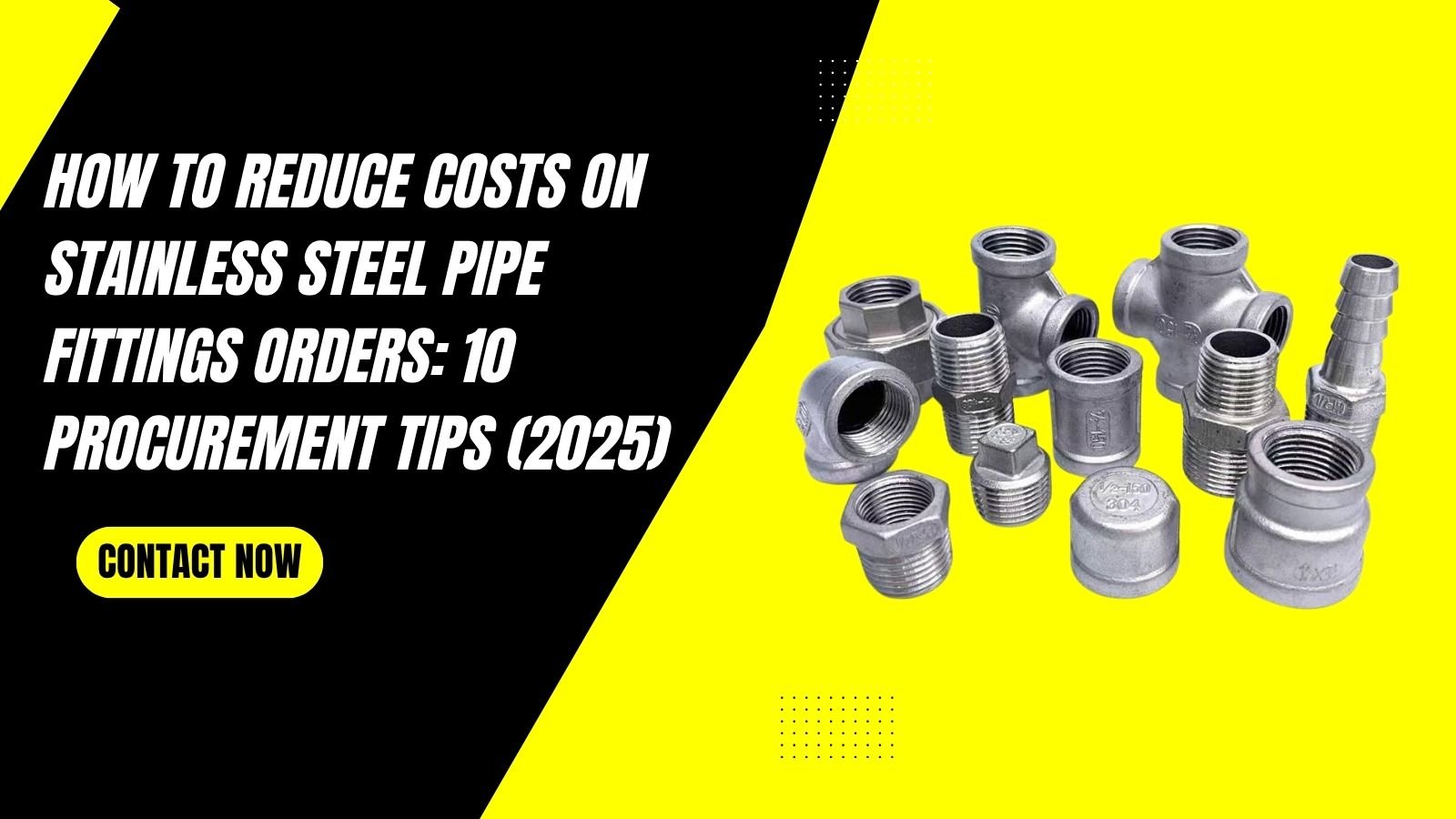
How to Reduce Costs on Stainless Steel Pipe Fittings Orders: 10 Procurement Tips (2025)

Buying the wrong stainless steel pipe fittings can quietly blow a project budget. A cheap part that fails inspection or arrives damaged costs more in rework, rush freight, and lost hours than the money you saved up front. This guide shows simple, practical steps on how to reduce costs on stainless steel pipe fittings without cutting corners on quality.

Here, you’ll learn how to pick a small set of standard SKUs, choose the right alloy for the job, and use supplier leverage for better stainless steel fittings price negotiation. We also cover landed-cost thinking so you won’t be surprised by freight or duty, and quick checks to avoid common traps, among other stainless steel pipe fittings procurement tips.

The ultimate goal here is to balance product quality with cost-effective practices on both sides (you and your clients). Procamlock is a trusted manufacturer of stainless steel pipe fittings. We are reliable and put customer satisfaction first by providing fittings of top quality, flexible MOQs, customer support, and price negotiations, to mention a few. Contact us today to get started with procuring stainless steel pipe fittings that meet your project needs.

The True Cost of Stainless Steel Pipe Fittings

The true cost of a stainless steel fitting is more than the price on the stickers. It is made up of the unit price, inspection and testing, rejects and rework, installation labor, downtime, shipping and duties, inventory carrying costs, and warranty or repair risk. If you ignore these extra items when manufacturing or reselling, you may lose more money than what you are saving on cheap parts.

Here’s a short example to make this easier to understand (Prices shown are purely illustrative):

  • Option A: You buy a cheap unit at $5.00 per piece. Then, add inspection ($0.75), installation labor ($12), a 4% reject rate with $100 rework per reject, and a small downtime risk. That gives a total installed cost ≈ $23.75 per fitting.
  • Option B: You buy a higher-quality unit, which costs $8.00, plus inspection ($0.50), the same installation labor, a 0.5% reject rate, and lower downtime risk. Total installed cost ≈ $21.40 per fitting.

That means you’re saving $2.35 per fitting when you choose the better-quality option (although it didn’t look that way from the start). On 10,000 fittings, that adds up to roughly $23,500 saved. The lesson is simple. The true cost of stainless steel pipe fittings comes from the landed and installed cost, not just the unit price.

Stainless steel fittings cost what they do because of a string of inputs and processes that add up long before a fitting reaches the jobsite. The single biggest driver is raw material. The nickel and molybdenum content (the extra alloy in 316/316L) makes that grade significantly more expensive than 304/304L. Plus, market trends affect nickel and steel prices and can move your unit cost overnight.

Manufacturing method is another factor. Forged fittings need more machining, so they cost more than cast or pressed fittings, but they’re stronger and safer for high-pressure systems. Complex shapes, tight tolerances, and small productions increase manufacturing time and scrap rates. For food, pharma, and similar industries, you also have to consider surface finishing, which adds both time and cost to the price of stainless steel pipe fittings.

Testing and traceability add another layer. MTCs, third-party lab reports, PMI checks, and hydrostatic tests all cost money to generate and audit; they also increase supplier cost and time, but they reduce your risk. Packaging, logistics, duties, and currency affect landed cost. Then, when you add inventory and warranty costs, which is the capital tied up in stock, you get to see all that adds to your true price.

Here are some procurement tips to reduce costs on your stainless steel pipe fittings orders:

Standardize your SKUs (Stock Keeping Units)

Identify 6 to 12 core fittings (in common sizes/materials) and lock down their specs. Focusing on a few SKUs means each unit is ordered in much larger batches.  Plus, the lesser variety lets you take advantage of bulk pipe fittings discounts and cut procurement costs. This way, you unlock bigger discounts and win customer loyalty.

One tip to keep in mind here: Use standard sizes. You don’t want to have a store full of fittings that take forever to sell. Instead, go for parts made to common dimensions, so unit prices will be ultimately lower and you sell out faster. Also, standard specs of stainless steel pipe fittings makes ordering and quality checks simpler; since they are often produced in larger amounts. You also want to keep inventory simple, at least in the early days, then expand with more varieties as needed or demanded.

Specify the Right Stainless Steel for Your Project, Not the Fanciest

If you’re buying stainless steel pipe fittings for a project, ensure that it is suitable for the environment and not the fanciest you hear of. Stainless steel 304/304L is advisable for general service, while 316/316L is often reserved for special cases. 304 is cheaper and is more suitable for mild conditions like plumbing, indoor systems, and moderate environments. 316L has extra nickel/molybdenum added to it; hence, you only need it in highly corrosive conditions, high-salt or oxidizing applications, like chlorides, seawater, or acids.

If it’s not a need, you shouldn’t overpay for 316L. Simply put: If you don’t need the added resistance of 316, standard 304 will give you similar results at a lower price.

Consolidate Suppliers for Volume Leverage

You don’t need 10 suppliers for one stainless steel fitting. For your key fittings, work with 1 or 2 of your preferred suppliers. Buying a larger total volume from fewer vendors gives you the leverage to negotiate for better pricing and bulk discounts. And, bulk purchase commitments translate to lower per-unit costs and stronger supplier support.

Before you make a preferred pick of a stainless steel pipe fittings supplier, research them thoroughly. Check their capacity, quality track record, lead times, and customer support. Working closely with a small supplier set helps streamline procurement and build strong partnerships. These focused relationships will often mean faster delivery and more flexibility on price as volumes grow. Feel free to check annual volume forecasts or ask suppliers about volume-discount programs. A multi-year buying plan lets you push for the best contract terms and price breaks.

Buy on Landed Cost, Not Unit Price

Always compare the total landed cost, not just the piece price. When requesting quotes, insist on a breakdown of unit cost plus testing, packaging, freight, and duties. This “total landed cost” shows the true expense to get the goods to your door.

A low per-unit price can vanish when you see the high shipping or import fees. Hence, it is advisable to ask for the total landed cost instead of the unit price alone. You can also evaluate your suppliers by the full landed price, so you’re not surprised by hidden charges.

Using landed costs also allows you to negotiate smarter. For example, if a quote has very high freight relative to the item price, you can ask about consolidating shipments, cheaper shipping modes, or including freight in the unit price. Plus, adjusting order sizes can also cut per-unit freight and duty.

Use Bulk Purchase Options like Blanket POs or VMI for Fast-Turn Items

Blanket Purchase Orders is when you lock in a fixed low price on a large volume order, then schedule deliveries over time. This secures the lowest bulk pricing without having to pay for all inventory upfront. Here, you save the cost of a big order while receiving goods as needed.

A Vendor-Managed Inventory (VMI) occurs when you have your supplier hold common fittings on consignment. Then, after your bulk purchase, they warehouse the products so they’re “ready-to-ship” on demand. This eliminates rush fees and ensures you have stock available for urgent jobs without expedited shipping.

Both methods speed up fast-turn items and lower cost of pipe fittings procurement. Blanket POs reduce repetitive order fees and price volatility, while VMI guarantees that the pipe fittings are on hand with minimal lead time. This way, urgent orders don’t incur extra rush charges or high last-minute pricing.

MOQ vs. Holding Cost (EOQ Thinking)

Many manufacturers use the Economic Order Quantity (EOQ) model to balance the ordering and holding costs. For highly demanded stainless steel pipe fittings, ordering just above a supplier’s minimum order quantity (MOQ) can give you volume discounts, reducing the per-unit price more than the added carrying cost. The key is to ensure that the savings from the holding costs exceed the extra warehousing expense.

In practice, applying the EOQ formula or inventory software can help pinpoint this “sweet spot.” Using EOQ effectively also means you don’t keep more on hand than needed, freeing cash for other uses. However, if some steel pipe fittings aren’t selling as fast as the forecast claims, extra stock becomes deadstock, tying up cash and eroding profit.

Pre-Qualify Suppliers with MTC & Sample Tests

Always ensure the raw materials meet specifications upfront to save significant cost. Insist that each batch of bulk stainless steel pipe fittings orders come with a Material Test Certificate (MTC) that confirms the alloy and treatment. Before full production, verify one or two sample parts against this certificate (a first-article inspection) to catch any defects early.

Asking for the full certificate package (material certificates, weld logs, test reports) with every shipment is one of the best practices for buying stainless steel fittings in bulk. A small upfront vetting step is far cheaper than fixing a bad batch of product later, so it’s best you do it.

Optimize Inspections: Sample Smart, Not 100%

Inspecting every single unit of an order is usually overkill except for the most critical parts. However, you can use statistical AQL sampling, which is generally sufficient, to save a lot of time and labor. Oftentimes, quality standards explicitly use sampling plans so that reasonable quality can be assured without inspecting every piece.

You can reserve a full inspection for safety-critical, high-value, or custom orders where defects have intolerable consequences. This way, standard SKUs get their representative spot-checks, while inspection resources focus on the parts that really matter.

Ship Your Stainless Steel Pipe Fittings Smartly

Consolidating cartons into one sea container (and using standard pallets) can slash freight costs per piece and reduce import duties on steel pipe fittings. By filling a whole container, you only pay for the space you use. Optimizing pallet loads (standard sizes, no wasted gaps) lets you fit more parts in each shipment.

This spreads shipping and handling costs across more units and even cuts damage: for instance, full-container loads see about half the damage rate of mixed LCL shipments. Research shows LTL pallet consolidation can cut freight costs by 10 – 50%, so booking pallets or groupage loads is an effective way to reduce costs on stainless steel pipe fittings.

Design for Procurement

To cut costs on bulk stainless steel pipe fittings orders, design units for procurement. This means favoring standard, off-the-shelf choices. Instead of designing multiple units in exotic finishes, custom threads, or one-off sizes; use standard thread forms and common plate thicknesses. This way, suppliers can readily stock or batch-produce common dimensions and threads of stainless steel pipe fittings.

Likewise, when specific surface finishes and specs are needed, keep them focused and limited to where it is needed. They often dramatically raise manufacturing time and price; hence, you should involve procurement early so they can suggest simpler alternatives. Those small choices cut lead time and lower the unit cost of stainless steel pipe fittings.

Mistakes to Avoid When Bulk Buying Stainless Steel Pipe Fittings

  • Buying cheap stainless pipe fittings on unit price alone is a common trap. Low sticker price can hide high freight, testing, rework, and downtime costs. Always compare landed and installed cost, not just the per-piece rate.
  • Skipping Material Test Certificates (MTCs) and pre-shipment tests is another costly mistake. Accepting shipments without MTCs lets wrong alloys or heat treatments slip through. Ask for batch MTCs and a first-article sample test before full production runs.
  • Ignoring MOQ, lead times, and holding costs causes rush orders and premium freight. Small, frequent buys look flexible but often cost more. Run a simple EOQ check and balance MOQ discounts against storage costs.
  • Weak stainless pipe fittings supplier vetting and inspection plans invite quality problems. Don’t rely on one phone call. Check factory capacity, export experience, references, and ask for past test reports. Use AQL sampling for commodity SKUs and full inspection for critical lots.
  • Other mistakes to avoid: Using exotic alloys where unnecessary, neglecting packaging and palletization (which leads to transit damage), and skipping warranty/return terms.

The fixes are simple: match material to the service, request robust packaging, confirm warranty coverage, and write clear inspection clauses into POs. These steps stop surprises and increase cost savings on stainless steel pipe fittings over the project life.

Phần kết luận

In summary, wrap up your SKU audit this week and pick 6 to 12 core fittings to standardize. Ask suppliers for landed-cost quotes that show unit price, testing, packing, freight, and duties. Request MTCs and a stamped sample before big orders to avoid rework and delays. Choose one or two trusted suppliers to work with and negotiate volume discounts or rebate tiers. Use blanket POs or VMI for fast-turn items to cut rush fees and steady unit pricing. Apply simple EOQ thinking so your MOQ savings aren’t swallowed by holding costs or dead stock. Use AQL sampling for commodity SKUs and full checks for safety-critical lots. Finally, design with procurement in mind by choosing standard threads, common finishes, and tolerances that cut machining and lead time.

These small changes add up over time. Standardize, buy on landed cost, vet materials, and lock in supplier terms that reward volume. If you’re ready to put this into practice, contact Procamlock to request a bulk quote for your next stainless-steel pipe fittings order. Our team will help with landed-cost quotes, MTC checks, and a simple template to get you started.

Câu hỏi thường gặp

  • How do I decide between 304/304L and 316/316L for my project?

For general, indoor, or non-chloride environments, use 304/304L. Then, when chloride, seawater, or harsh chemicals are present, or for critical marine/oxygen services, choose 316/316L. 304L is also recommended for use in welded assemblies to avoid carbide precipitation.

  • What tests and certificates should I ask for to avoid costly rejects?

Ask for Material Test Certificates – MTCs (which include ASTM and ISO certifications) for all wetted parts, dimensional checks, visual inspection, and pressure/hydro or seat-leak tests as appropriate. Add PMI or lab reports and third-party inspection for critical units.

  • How should I compare supplier quotes so I don’t get fooled by low prices?

Compare landed cost (which is unit + testing + packing + freight + duties + returns) and check lead time, MOQ, MTCs, warranty, and inspection scope. A lower unit price can lose you money if other line items are high.

  • Are forged fittings worth the extra cost versus cast or pressed fittings?

Forged fittings offer higher strength and reliability for pressure-critical systems. Cast or pressed fittings are cheaper for low-pressure, non-critical uses. Your choice between the two depends on the risk and safety requirements.

  • What common specification mistakes cause the biggest hidden costs at install?

Over-specifying alloys, vague temp/pressure ratings, missing MTC/inspection clauses, nonstandard threads/sizes, and poor packaging. Always address these issues in the PO to prevent rework and delays.

Global Suppliers of Stainless Steel Pipe Fittings: USA vs UK vs Asia (2025 Comparison Guide)

Failed phụ kiện đường ống can trigger unexpected downtimes and cost anywhere from thousands to hundreds of thousands of dollars per hour. Then, if there are compliance penalties or shipping delays in the mix, the risks multiply quickly. Every procurement manager knows that the right supplier choice can save a project or sink it. That is why global sourcing decisions cannot be left to guesswork. The USA, UK, and Asia each bring different strengths and trade-offs when it comes to stainless steel pipe fittings. From quality standards and certifications to cost, lead time, and minimum order quantities, the differences are significant. Logistics and regional compliance rules make the market even more complex.

In this guide, we’ll compare suppliers of stainless steel pipe fittings across these three regions, highlighting what they do best and common challenges they face. You’ll see when to pick the USA, when the UK makes more sense, and when Asia is the smarter option. We’ll also cover dual-sourcing strategies and how to safely place a test order before scaling up.

Why Stainless Steel Pipe Fitting Quality & Compliance Vary by Region

At first glance, stainless steel pipe fittings look the same no matter where you source them. Most suppliers claim they are compliant with ISO, ASTM, or ASME standards. Hence, these shared frameworks create a baseline for quality across the USA, UK, and Asia. But how those standards are applied is not the same everywhere.

In the USA, detailed documentation means quality control is deeply rooted in production. The UK places heavy emphasis on traceability and EU-related compliance, often requiring extra paperwork and third-party verification. Asia offers scale and competitive pricing, and many mills produce ASME/EN-spec fittings with full MTRs. The main risk is supplier selection, hence the need to vet factories, ask for batch-level MTRs, and use third-party testing to confirm compliance.

Stainless Steel Pipe Fitting Suppliers in USA, UK, and Asia Compared: Strengths, Trade-offs & Best Fits

In practice, the “right” stainless steel pipe fittings supplier often depends on deadlines, budgets, and compliance pressure. Many teams even dual-source because each region has different strengths, trade-offs, and risks. The table below gives a side-by-side view of the main factors that could impact your stainless steel pipe fittings catalog.

Criteria USAUKAsia
Required Standards/CertificatesASME, ASTM, ISO 9001; common mill test reporting (MTRs). (ASME/ASTM)EN standards, PED (EU), UKCA/CE for UK market; ISO 9001.ASTM/JIS/GB and ISO 9001 common; certification quality varies by mill; many exporters supply ASME/EN-spec material on request.
QualityHigh emphasis on audit trail and documentation; strong domestic QA culture.Strong focus on third-party verification for EU projects. Good documentation culture.Mixed, many mills offer excellent MTRs and third-party testing; documentation quality depends on the selected supplier and audit frequency.
Lead TimesShort for domestic stock: days – 2 weeks. Longer for custom mill runs: 4 – 8 weeks.Medium: 2 – 6 weeks typical (depends on EU/UK stock levels and customs). Custom runs similar to the USA.Expect longer total lead times when sourcing from Asia. Typical production windows plus ocean transit often push total delivery to multiple weeks. Ocean transit alone commonly ranges from 2 – 6 weeks, depending on routing and port pair.
MOQsDistributors often sell low quantities; mills expect larger lots or roll orders.Similar to the USA, distributors for small runs, mills for higher volumes.Traders/agents can provide low MOQs; mills commonly set higher MOQs for custom tooling. Many factories accept smaller orders via traders.
Cost DriversHigher labor & energy; domestic alloy surcharge exposure; lower freight for domestic orders.Compliance and testing overheads; energy costs; duties for some imports.Lower labor costs and competitive mill pricing; alloy surcharges still apply; freight and duties add to landed cost.
LogisticsSimpler domestic logistics; faster domestic clearance. Export complexity if shipping out.Good intra-EU/UK networks, but watch UK-EU divergence (UKCA timeline impacts). Customs steps post-Brexit.Longer transit; potential port congestion; must plan for customs, duties, and document verification. Air freight reduces time but increases cost.
Best FitFast maintenance/urgent MRO; projects requiring Buy America or strict ASME compliance.Regulated European projects where CE/UKCA/PED compliance matters.High-volume runs, competitive unit price needs, and flexible custom tooling. Good for brands scaling production.
Risk NotesHigher unit cost; some alloy price sensitivity domestically.Brexit/UKCA transitions can complicate cross-border projects; check local acceptance of CE.Quality and documentation vary by supplier. Do factory audits, ask for MTRs, and third-party tests. Plan longer lead times.

Certifications, Quality & Compliance of Stainless Steel Pipe Fittings Suppliers by Region

  • USA:

USA stainless steel pipe fittings suppliers typically follow ASME/ASTM standards. For federal projects, many U.S. buyers must meet Buy America domestic-content rules, which require domestic iron and steel for covered procurements. Many U.S. manufacturers are ISO 9001-certified and provide full mill-test reports. This rigorous quality drive yields robust, corrosion-resistant fittings (suitable for high-pressure service), but also higher prices and longer lead times.

  • UK/EU:

UK stainless steel pipe fittings suppliers emphasize CE marking (soon UKCA in Britain) under the EU Pressure Equipment Directive. Fittings sold in Europe come with EN 10204 material certificates and detailed CE/UKCA declarations. Thanks to large market volumes, prices stay moderate while documentation standards remain high. In practice, a top-category PED item requires pressure testing and a CE declaration, much like an ASME-rated part in the U.S. Suppliers in EU markets typically follow CE/EN rules. For Great Britain, suppliers should track UKCA updates; since acceptance of CE-marked goods depends on product category and guidance updates.

  • Asia:

Many stainless steel pipe fittings suppliers in Asia (China, India, etc.) compete on price and scale. They often act as high-volume OEM manufacturers or wholesale pipe fittings suppliers, producing global stainless steel pipe fittings catalogs of high-pressure parts. Some hold ISO 9001 or local standards (e.g., JIS, GB), but international buyers insist on factory audits and third-party sample testing to verify material and dimensions. Longer transit times mean planning inventory in advance. In short, Asia’s low-cost imports expand the market for high-pressure, corrosion-resistant fittings, but buyers must carefully vet certifications and inspections.

Cost, Lead Time & MOQ Comparison of Global Stainless Steel Pipe Fittings Suppliers

When sourcing stainless steel pipe fittings from global suppliers, procurement teams weigh cost, lead times, and order flexibility. These factors shift noticeably depending on whether you buy from the USA, the UK, or Asia stainless steel pipe fittings suppliers.

  • USA:

USA stainless steel pipe fittings suppliers usually charge the highest per-unit costs due to labor and compliance rules. Minimum order quantities (MOQs) are flexible, especially with pipe fitting distributors carrying stock catalogs. Lead times stretch if you need mill-direct custom fittings, but stock orders move fast. Logistics delays are lesser for domestic projects, making them best for time-sensitive or government-funded builds.

  • UK:

UK stainless steel pipe fittings suppliers strike a balance between cost and delivery. They handle wholesale pipe fittings efficiently, with moderate MOQs compared to custom runs. Lead times are shorter than in Asia but longer than those of U.S. distributors. Their logistics advantage lies in reliable regional transport networks. These suppliers are ideal for projects requiring corrosion-resistant fittings with strong documentation, such as chemical or HVAC systems.

  • Asia:

Asia stainless steel pipe fittings suppliers are cost leaders, offering the lowest unit prices. They cater to large MOQs for mill-direct orders, but wholesale pipe fittings suppliers can ship smaller lots. Lead times increase with ocean freight, sometimes adding weeks. Planning ahead helps offset transit delays. Asia stainless steel pipe fittings manufacturers excel at high pressure pipe fittings and OEM runs. Their best-fit use case is large-volume, cost-sensitive projects where logistics timelines are predictable.

Regional Strategies for Managing Risks in Sourcing Stainless Steel Pipe Fittings

  • Like every business, the stainless steel pipe fittings industry has its own risks. Hybrid sourcing reduces single-point failure risk. You can contact Asian suppliers for high-volume runs, and keep the European or US supply for time-sensitive projects.
  • If you have suppliers in different regions, you can segment them by roles. For instance, you can use USA stainless steel pipe fittings suppliers when the lead time is crucial, UK suppliers where regulatory traceability matters, and Asian mills for competitive unit cost and tooling flexibility.
  • Reduce compliance risks with dual-certified routes. Ask for ASME and UKCA/CE paperwork when projects cross borders. Also, ask for MTRs and third-party test reports from each stainless steel pipe fittings supplier. Then, keep records in a shared compliance folder.
  • If you are starting out with a new supplier, use small pilot orders to verify corrosion-resistant fittings and high pressure pipe fittings before scaling. When you’ve established trust, keep a vetted list of trusted stainless steel pipe fittings manufacturers and wholesale pipe fittings suppliers.
  • To keep projects moving and protect cost margins, hedge alloy volatility by mixing suppliers across regions. You can include steel-surcharge clauses in contracts to share the risk. Negotiate tiered pricing tied to order volume and metal indexes. Remember to track your stainless steel pipe fittings catalog prices weekly to spot swings in supply.

Stainless Steel Pipe Fittings Sourcing Channels by Region

Here are some of the channels you can use to source stainless steel pipe fittings from global suppliers:

  • USA: For equipment demos and supplier meetings, attend industry events like FABTECH. You can also use industry directories such as Thomasnet to find USA stainless steel pipe fittings suppliers. Always check the Buy America register for public-project compliance.
  • UK: Visit UK exhibitions (eg, UK Metals Expo) and BSSA (British Stainless Steel Association) meetings to meet certified vendors. You can use BSI listings and trade associations to locate UK stainless steel pipe fittings suppliers. And regional trade shows help verify CE/UKCA paperwork and PED compliance.
  • Asia: To get a broad choice of suppliers, source through the Canton Fair, Global Sources, and Alibaba Gold Suppliers. For focused catalogs and wholesale pipe fittings suppliers, use Made-in-China and Taiwantrade. You can work with local procurement agents for factory audits and sample orders.
  • Other channels: LinkedIn connects engineers and supplier representatives. Industry forums and buyer groups offer candid supplier feedback. For on-site QC and lab testing, SGS and Bureau Veritas are third-party inspection firms available.
  • Best channel: Trade shows remain top for first-hand checks and relationship building. But if you are not available for the shows, you can build a short-list with online catalogs, then run factory audits or third-party inspections before placing large orders with any stainless steel pipe fittings manufacturer.

How to Build a Region-Smart Sourcing Plan

You need to build a region-smart sourcing plan around three things: quality checks, sourcing channels, and a tight vetting process.

  • Start with product quality checks. Request full MTRs, heat numbers, and third-party lab reports. Ask for pressure and dimensional test results for high pressure pipe fittings. You can also inspect a physical sample or use a paid third-party inspection before scaling. Track traceability and corrosion-resistant fittings data in your QC folder.
  • Where and how to source depends on your priorities. You can use USA stainless steel pipe fittings suppliers for urgent domestic needs (if they are closest to your target audience). For PED/UKCA projects, work with UK stainless steel pipe fittings suppliers. Then, for competitive mill pricing and OEM flexibility, go for Asia stainless steel pipe fittings suppliers. You can combine suppliers in different regions to balance cost and speed.
  • Vetting and ordering must be procedural. Document your suppliers, their sample quality, lead time, and MOQ. Place a pilot order to further verify the product, then negotiate terms, alloy surcharge clauses, and a clear warranty. Calculate the product cost from catalogs and quotes, not just the unit price. It is advisable to keep a preferred-supplier list of vetted stainless steel pipe fittings manufacturers that you can reach into for fast reorders.

Common Red Flags (and What to Do Instead)

Warning signs often appear early in the sourcing process. Here are the common ones and how to act:

Red flags:

  • Prices far below market value for complex fittings. Usually, a sign of material or process compromises.
  • Slow, vague, or evasive communication from your contact person.
  • Missing or partial MTRs, test reports, or other important paperwork.
  • Inconsistent markings, poor packaging, or samples that differ from production units.
  • Refusal to allow third-party inspections or sample testing before production.

Do this instead:

  • Ask for batch-level MTRs and heat numbers before approving production.
  • Ask for hydrostatic or PMI testing for high pressure pipe fittings or accredited labs.
  • Inspect samples with a pilot order to validate machining, finish, and corrosion resistance.
  • Hire third-party inspectors (SGS, Bureau Veritas) for factory audits and pre-shipment checks.
  • Include acceptance criteria, retest clauses, and warranty terms in your purchase order.
  • Maintain a shortlist of vetted stainless steel pipe fittings suppliers for quick fallback.

Phần kết luận

For procurement agents, the real choice of a supplier depends on balancing budget, timing, and compliance needs. Whether you need corrosion-resistant fittings for food plants, high pressure pipe fittings for oil projects, or a stainless steel pipe fittings catalog, global stainless steel pipe fittings suppliers provide different but complementary strengths. Ensure the supplier you pick is compliant with your market; verify MTRs, test reports, and certification before buying; and align your region strategy with the supplier’s strengths to meet project needs. Do the homework upfront; your projects will thank you later.

Câu hỏi thường gặp

  • What standards should my fittings meet for US/UK/EU projects?

For the US, ask for ASME/ASTM compliance (e.g., ASME B16.9, ASTM A403). For the EU – PED conformity and EN material/certificates (EN 10204). For the UK – CE/UKCA acceptance and equivalent PED evidence.

  • How do lead times compare between USA, UK, and Asia?

Stocked parts ship fastest from local distributors (days to weeks). Custom mill runs typically take longer: U.S./UK runs often take 4 – 8 weeks. Asia orders add production plus ocean transit, commonly 6 – 12 weeks.

  • Can I meet Buy America / UKCA requirements with Asian sources?

Yes, you can meet Buy America standards with Asian sources for private projects. However, if you are sourcing stainless steel pipe fittings for government projects, then you may need to meet the Buy America requirements. Asian suppliers can meet UKCA/CE requirements if they complete the required conformity assessments and appoint an authorised representative in the UK/EU as needed.

  • Do all regions provide MTRs and third-party testing transparently?

Most reputable suppliers do. But always insist on batch-level MTRs and independent lab results.

  • Should I always dual-source fittings to hedge trade risk?

Not always, but dual-sourcing helps on critical projects. You can use domestic backup for spares and Asia sources for bulk orders.

Vai trò của phụ kiện ống thép không gỉ trong chế biến thực phẩm và đồ uống

Hình ảnh của Mark Lee từ Pixabay

Bạn có biết cảm giác khi một thức uống có vị ngon không? Giờ hãy tưởng tượng nó có vị kim loại hoặc chua. Trong chế biến thực phẩm và đồ uống, việc tránh điều này chính là mục tiêu của các quy tắc an toàn và vệ sinh nghiêm ngặt.

Trong khi những cỗ máy lớn thu hút mọi sự chú ý, thì chính những bộ phận nhỏ hơn hoạt động ở phía sau mới là thứ duy trì hoạt động. Một ví dụ là phụ kiện ống thép không gỉ.

Nó có thể trông giống như một đầu nối cơ bản, nhưng nó đóng vai trò quan trọng trong việc hỗ trợ luồng chảy vệ sinh và giảm nguy cơ ô nhiễm.

Nhưng chính xác thì họ làm được điều đó như thế nào? Chúng ta hãy cùng tìm hiểu bên dưới.

Phụ kiện ống thép không gỉ là gì?

Định nghĩa đơn giản nhất là: phụ kiện đường ống làm bằng thép không gỉ. Chúng kết nối các đường ống với nhau hoặc giúp thay đổi hướng của chúng. Chúng thường bao gồm:

  • Khuỷu tay: để thay đổi hướng.
  • Tê: dùng để chia dòng chảy thành nhiều dòng khác nhau.
  • Bộ giảm: để điều chỉnh kích thước ống.
  • Khớp nối và liên kết: để kết nối các ống có cùng kích thước.
  • Bộ chuyển đổi: để nối các loại ống hoặc đầu ống khác nhau.

Nhưng trong chế biến thực phẩm, vấn đề không chỉ nằm ở hệ thống ống nước hay kết cấu; các phụ kiện cần phải được thiết kế hợp vệ sinh. Điều này có nghĩa là:

  • Không có góc nhỏ hay khe hở nào để thức ăn hoặc vi khuẩn ẩn náu.
  • Dễ dàng vệ sinh và xả sạch.
  • Giảm nguy cơ ô nhiễm do cặn bẩn tích tụ.

Thiết kế sạch sẽ này giúp các nhà chế biến đáp ứng các tiêu chuẩn vệ sinh nghiêm ngặt mà không làm chậm quá trình sản xuất.

Tại sao lại là thép không gỉ?

Hình ảnh của Bakhrom Tursunov từ Pixabay

Thép không gỉ được ưa chuộng rộng rãi trong các phụ kiện thực phẩm vì:

  • Chống ăn mòn, không bị gỉ sét ngay cả khi tiếp xúc thường xuyên với nước, chất tẩy rửa hoặc nhiệt độ cao.
  • Nó chịu được áp suất và nhiệt độ cao.
  • Nó không phản ứng với thực phẩm, hóa chất hoặc độ ẩm. Theo Viện Niken, phụ kiện đường ống bằng thép không gỉ được ưa chuộng trong chế biến thực phẩm vì: chúng không làm ô nhiễm thực phẩm và đảm bảo an toàn thực phẩm.Phụ kiện ống thép không gỉ có độ bền cao và không bị phân hủy hoặc rò rỉ vào sản phẩm.

Nếu bạn không chắc chắn liệu thép không gỉ có phải là lựa chọn tốt hơn hay không, đây là một câu trả lời nhanh chóng so sánh với phụ kiện camlock nhôm để giúp bạn quyết định.

Tại sao lựa chọn vật liệu lại quan trọng trong chế biến thực phẩm và đồ uống

Trong sản xuất thực phẩm và đồ uống, việc lựa chọn vật liệu không chỉ quan trọng về độ bền mà còn phải đảm bảo an toàn. Việc sử dụng vật liệu không phù hợp cho thiết bị có thể gây nhiễm bẩn, thu hồi sản phẩm, hoặc thậm chí là nguy cơ sức khỏe cho người tiêu dùng.

Các nhà máy thực phẩm và đồ uống phải trải qua quy trình vệ sinh nghiêm ngặt mỗi ngày. Chúng ta đang nói về nước nóng, hơi nước, hóa chất mạnh và việc rửa liên tục. Thêm vào đó, việc tiếp xúc hàng ngày với độ ẩm, các thành phần có tính axit và sự thay đổi nhiệt độ, tạo nên một môi trường khắc nghiệt. Không phải vật liệu nào cũng có thể chịu được điều đó.

Vì vậy, giả sử bạn chọn vật liệu rẻ hơn, chẳng hạn như nhựa. Ban đầu có thể tiết kiệm tiền, nhưng nó lại mang đến những rủi ro nghiêm trọng, chẳng hạn như:

  • Sự hấp thụ cặn do bản chất xốp của chúng
  • Các vết nứt do nhiệt và chất tẩy rửa mạnh
  • Sự nhiễm khuẩn do các vết nứt nói trên làm hỏng toàn bộ lô hàng
  • Cong vênh hoặc xuống cấp, gây rò rỉ hoặc phải thay thế nhiều lần

Sự thật là, bạn không thể cắt giảm chi phí khi vấn đề an toàn thực phẩm đang bị đe dọa. Thép không gỉ có thể đắt hơn ban đầu, nhưng về lâu dài sẽ được đền đáp xứng đáng. Nó giúp hoạt động sản xuất diễn ra suôn sẻ mà không có nguy cơ nhiễm bẩn.

Hiện nay, các cơ quan quản lý đang ngày càng ưu tiên an toàn thực phẩm, với các biện pháp kiểm soát chặt chẽ hơn đối với vật liệu sử dụng trong chế biến thực phẩm. Tại Hoa Kỳ, Đạo luật Hiện đại hóa An toàn Thực phẩm (FSMA) đã chuyển trọng tâm sang các biện pháp phòng ngừa. Ấn Độ đã tăng cường giám sát vật liệu tiếp xúc với thực phẩm, trong khi Trung Quốc đã có những cập nhật đáng kể đối với Luật An toàn Thực phẩm trong giai đoạn 2015-2016. Trong khi đó, Châu Âu tuân thủ các hướng dẫn như Hướng dẫn Kỹ thuật của EDQM, trong đó nêu rõ các tiêu chuẩn đối với kim loại và hợp kim được sử dụng trong các nhà máy tiếp xúc với thực phẩm.

Trong lĩnh vực mà một lô hàng kém chất lượng có thể phá hủy cả một thương hiệu, việc lựa chọn thép không gỉ không chỉ là sở thích mà còn là điều cần thiết.

Và để đảm bảo mọi thứ đều đáp ứng các tiêu chuẩn vệ sinh và an toàn, các phụ kiện này tuân theo các chứng nhận như Tiêu chuẩn vệ sinh 3-A và ASME BPE về độ sạch, chất lượng vật liệu và thiết kế.

Vai trò của phụ kiện thép không gỉ trong nhà máy chế biến

Phụ kiện ống thép không gỉ giúp chất lỏng – dù là sữa, nước ép, bia hay bất kỳ chất lỏng đặc nào – di chuyển an toàn và trơn tru qua mọi giai đoạn chế biến. Dưới đây là những lợi ích của chúng trong các nhà máy chế biến thực phẩm.

1. Chúng kết nối máy bơm, bộ lọc, bể chứa và máy thanh trùng

Điều này có nghĩa là chúng liên kết các bộ phận khác nhau của dây chuyền sản xuất để mọi thứ hoạt động trơn tru và thống nhất như một hệ thống. Ví dụ, trong một nhà máy sữa, phụ kiện giúp duy trì dòng chảy liền mạch và vệ sinh từ bồn chứa đến thiết bị thanh trùng rồi đến dây chuyền đóng chai.

2. Chúng đảm bảo việc chuyển giao vệ sinh và kín vào các thùng chứa

Điều này đặc biệt đúng khi sản phẩm đã sẵn sàng để đóng chai hoặc đóng gói; việc lắp ráp đảm bảo việc chuyển sản phẩm vào hộp đựng được vệ sinh và an toàn khi sử dụng.

Trong quá trình chế biến nước ép, nơi mà độ axit trong trái cây có thể gây hại cho hầu hết các vật liệu, thép không gỉ 316 chống ăn mòn và giữ cho nước ép nguyên chất. Loại thép này bảo vệ nước ép khỏi các phản ứng kim loại, giữ cho nước ép an toàn và tươi ngon.

3. Họ xử lý các bước áp suất cao trong sản xuất

Phụ kiện bằng thép không gỉ rất chắc chắn; không bị cong, gãy hoặc rò rỉ ngay cả khi áp suất cao trong quá trình xử lý.

Ví dụ, trong các nhà máy bia, phụ kiện phải chịu được nhiệt, độ axit và cacbonat, mà không ảnh hưởng đến chất lượng hoặc độ an toàn của sản phẩm. May mắn thay, phụ kiện thép không gỉ được thiết kế để chịu được điều kiện ủ bia khắc nghiệt mà không ảnh hưởng đến hương vị hay độ sạch của bia.

4. Chúng dễ dàng vệ sinh

Điều này là do mặt trong nhẵn bóng, không bị bám cặn hay vi khuẩn. Hầu hết các nhà máy đều sử dụng hệ thống CIP (Vệ sinh tại chỗ), trong đó dung dịch vệ sinh được xả qua thiết bị mà không cần tháo dỡ bất cứ thứ gì. Điều này giúp tiết kiệm thời gian và công sức, cho phép vệ sinh nhanh chóng và hiệu quả giữa các mẻ.

Thép không gỉ chịu được quá trình vệ sinh nhiều lần mà không bị mài mòn hoặc mất đi độ bóng mịn. Theo OutokumpuThép không gỉ có thể chịu được hơn 1.000 chu kỳ làm sạch trong hệ thống CIP (Làm sạch tại chỗ) mà không bị suy giảm hiệu suất. Điều này làm cho nó rất phù hợp cho các ứng dụng như trong ngành thực phẩm và đồ uống, hóa chất và dược phẩm, những nơi đòi hỏi phải làm sạch thường xuyên và nghiêm ngặt.

Lợi ích của thép không gỉ ngoài sự sạch sẽ

Độ sạch sẽ là một lý do quan trọng khiến phụ kiện thép không gỉ được sử dụng trong chế biến thực phẩm và đồ uống, nhưng đó chỉ là điểm khởi đầu. Những phụ kiện này còn mang lại giá trị lâu dài theo nhiều cách khác. Dưới đây là năm lợi ích quan trọng nhưng thường bị đánh giá thấp hơn độ sạch sẽ:

1. Được xây dựng để chịu được điều kiện khắc nghiệt

Các nhà máy thực phẩm thường xuyên phải sử dụng thiết bị. Nhiệt độ thay đổi thất thường, rung động liên tục và chuyển động, thiết bị có thể nhanh chóng bị hao mòn. Phụ kiện thép không gỉ được thiết kế để xử lý những điều kiện này mà không bị hỏng hóc hoặc mất độ tin cậy.

Điều này giúp giảm thiểu việc thay thế linh kiện, vận hành hàng ngày trơn tru hơn và thiết bị luôn bền bỉ khi sử dụng liên tục. Hơn nữa, khi mọi thứ diễn ra nhanh chóng, bạn cần những linh kiện có thể theo kịp; thép không gỉ đáp ứng được điều đó.

2. Giảm thiểu tối đa tổn thất sản phẩm

Rò rỉ trong hệ thống có thể gây lộn xộn và tốn kém, ảnh hưởng tiêu cực đến hoạt động kinh doanh. Phụ kiện thép không gỉ được chế tạo chính xác. Chúng được khóa chặt vào vị trí để vật liệu nằm đúng vị trí cần thiết.

Điều này giúp bạn giảm thiểu lãng phí, duy trì chất lượng mẻ sản xuất đồng đều và bảo vệ các thành phần nhạy cảm khỏi bị phơi nhiễm. Đối với các sản phẩm có giá trị cao như bia, nước ép cô đặc hoặc sữa, việc ngăn ngừa thất thoát là rất quan trọng, thì việc sử dụng vật liệu ngăn ngừa thất thoát là vô cùng quan trọng.

Hình ảnh của Hình ảnh PublicDomain từ Pixabay

3. Được tạo ra cho các quy trình có rủi ro cao

Những phụ kiện này không chỉ có tác dụng giữ chặt. Trong quá trình xử lý nhiệt, ép áp suất hoặc làm sạch bằng hóa chất mạnh, thép không gỉ vẫn giữ được độ rắn chắc.

Nó giữ nguyên hình dạng, chống cong vênh do nhiệt hoặc hóa chất, và vẫn đáng tin cậy trong các bước xử lý khắc nghiệt. Thép không gỉ được chế tạo để hoạt động dưới áp lực mà không gây nguy hiểm cho an toàn hoặc chất lượng sản phẩm.

4. Giúp bạn tiết kiệm nhiều hơn về lâu dài

Phụ kiện thép không gỉ có thể đắt hơn lúc đầu, nhưng chúng sẽ mang lại lợi ích theo thời gian. Điều này là do bạn nhận được giá trị thực sự nhờ giảm thiểu việc bảo trì đột xuất, tránh thời gian ngừng hoạt động bất ngờ và giảm nguy cơ hàng loạt bị từ chối. Chúng mang lại tuổi thọ cao hơn và độ tin cậy tốt hơn, giúp bạn tránh được những rắc rối sau này.

5. Đảm bảo tuân thủ quy định

Quy định về an toàn thực phẩm rất nghiêm ngặt, và việc không tuân thủ có thể dẫn đến những vấn đề nghiêm trọng. Phụ kiện thép không gỉ được chứng nhận giúp việc tuân thủ các tiêu chuẩn về vệ sinh, an toàn và vật liệu trở nên dễ dàng hơn.

Mẹo bảo trì phụ kiện thép không gỉ

Mặc dù phụ kiện thép không gỉ rất bền, chúng vẫn cần được chăm sóc thường xuyên để duy trì hiệu suất tốt và đảm bảo vệ sinh. Dưới đây là một số mẹo đơn giản nhưng hiệu quả để giữ cho chúng luôn trong tình trạng tốt nhất.

Hình ảnh của Foto-RaBe từ Pixabay

1. Vệ sinh thường xuyên, ngay cả giữa các chu kỳ CIP theo lịch trình

Như đã đề cập trước đó, hầu hết các nhà máy đều sử dụng phương pháp CIP (Vệ sinh tại chỗ), nhưng việc kiểm tra trực quan vẫn rất quan trọng. Lau sạch bề mặt bên ngoài và chú ý xem có dấu hiệu tích tụ hoặc ố vàng nào không.

2. Sử dụng chất tẩy rửa phù hợp

Tránh sử dụng các chất tẩy rửa mạnh có chứa clorua hoặc thuốc tẩy vì chúng có thể làm hỏng lớp bảo vệ của thép không gỉ theo thời gian. Hãy sử dụng các chất tẩy rửa an toàn thực phẩm được chứng nhận và làm theo hướng dẫn pha loãng.

3. Theo dõi tình trạng hao mòn

Ngay cả thép không gỉ cũng có thể có dấu hiệu hư hỏng, đặc biệt là ở những vùng áp suất cao hoặc nơi các phụ kiện được tháo rời và lắp ráp lại nhiều lần. Hãy kiểm tra gioăng, phớt và mối nối để phát hiện sớm các dấu hiệu rò rỉ hoặc ứng suất. Nếu bị hư hỏng, hãy thay thế và không tái sử dụng.

4. Tránh trộn lẫn kim loại

Nếu bạn đang thay thế một bộ phận hoặc mở rộng hệ thống, đừng trộn thép không gỉ với các kim loại khác như thép cacbon. Điều này có thể gây ra hiện tượng ăn mòn điện hóa, khi một kim loại bắt đầu phá hủy kim loại kia.

5. Giữ nhật ký bảo trì để theo dõi các lần kiểm tra, vệ sinh và thay thế phụ tùng

Điều này giúp ngăn ngừa những bất ngờ và giúp việc kiểm tra dễ dàng hơn. Với việc bảo trì thường xuyên, phụ kiện thép không gỉ không chỉ bền hơn mà còn tiếp tục thực hiện nhiệm vụ quan trọng là giữ cho sản phẩm của bạn an toàn và nhà máy của bạn hoạt động hiệu quả.

Những điều cần cân nhắc khi lựa chọn phụ kiện

Việc lựa chọn đúng sản phẩm có thể tạo ra sự khác biệt lớn về an toàn sản phẩm, hiệu suất nhà máy và chi phí dài hạn. Dưới đây là một số điều quan trọng cần lưu ý khi lựa chọn phụ kiện thép không gỉ cho cơ sở của bạn:

1. Yêu cầu cụ thể của ứng dụng

Hãy nghĩ xem phụ kiện sẽ xử lý được những gì. Hãy cân nhắc:

  • Mức áp suất và nhiệt độ: Nó sẽ phải chịu nhiệt độ cao hay dòng chảy áp suất cao?
  • Lưu lượng: Có cần xử lý chất lỏng đặc hoặc chảy nhanh không?
  • Tiếp xúc với hóa chất: Sản phẩm có tiếp xúc với chất tẩy rửa, axit hoặc muối không?
  • Điều kiện môi trường và thời tiết: Nó sẽ hoạt động trong điều kiện khí quyển hoặc thời tiết nào?

2. Cấp thép không gỉ

Mỗi công việc đòi hỏi những loại thép không gỉ khác nhau. Hai loại phổ biến nhất là:

  • 304: Thích hợp sử dụng chung, chống ăn mòn và dễ vệ sinh
  • 316: Cung cấp khả năng bảo vệ bổ sung trong môi trường có tính mặn, tính axit hoặc ăn mòn hơn (như nhà máy nước ép hoặc nhà máy sữa).

Nếu bạn không chắc chắn nên chọn thép không gỉ 304 hay 316, thì đây là giải pháp đơn giản so sánh có thể giúp bạn tìm ra phương pháp nào phù hợp với quy trình của bạn.

Hơn nữa, đối với những nhu cầu chuyên biệt hơn, một số cơ sở sử dụng hợp kim tùy chỉnh dành riêng cho những thách thức cụ thể.

3. Dễ dàng vệ sinh và bảo trì

Hãy tìm phụ kiện có bề mặt liền mạch, chống bám cặn và thiết kế đơn giản, không tích tụ mảnh vụn hoặc vi khuẩn. Phụ kiện dễ vệ sinh giúp tiết kiệm thời gian vệ sinh và giảm nguy cơ nhiễm bẩn.

4. Khả năng tương thích với các hệ thống hiện có

Kiểm tra kích thước, kết nối và bố trí thiết bị hiện tại của bạn. Phụ kiện phù hợp phải tích hợp liền mạch mà không cần thay đổi lớn về đường ống hoặc máy móc.

5. Tuân thủ các tiêu chuẩn ngành

Đảm bảo các phụ kiện đáp ứng các tiêu chuẩn vệ sinh có liên quan

Suy nghĩ cuối cùng

Trong chế biến thực phẩm và đồ uống, ngay cả những chi tiết nhỏ nhất cũng có thể tạo ra tác động lớn. Phụ kiện ống thép không gỉ đóng vai trò quan trọng trong việc duy trì điều kiện vệ sinh, đảm bảo hiệu quả vận hành và bảo vệ tính toàn vẹn của sản phẩm từ đầu đến cuối. Chúng không chỉ kết nối các đường ống; chúng còn giữ cho toàn bộ quy trình vận hành của bạn gắn kết với nhau.

Độ bền, khả năng chống ăn mòn và tuân thủ các tiêu chuẩn an toàn thực phẩm toàn cầu của ống thép không gỉ khiến chúng trở thành một phần nền tảng của bất kỳ hệ thống chế biến thực phẩm được thiết kế tốt nào. Việc lựa chọn phụ kiện thép không gỉ chất lượng cao không chỉ là vấn đề kết nối mà còn là bảo vệ sản phẩm, khách hàng và thương hiệu của bạn.

Với tư cách là một nhà sản xuất hàng đầu về phụ kiện ống thép không gỉChúng tôi tự hào hỗ trợ các công ty thực phẩm và đồ uống bằng các sản phẩm và giải pháp được xây dựng để mang lại hiệu suất, sự an toàn và độ tin cậy lâu dài.

Bạn đã sẵn sàng nâng cấp hệ thống xử lý của mình chưa? Hãy liên hệ với nhóm của chúng tôi ngay hôm nay để tìm hiểu thêm về phụ kiện thép không gỉ của chúng tôi.

Câu hỏi thường gặp

Tại sao không sử dụng phụ kiện thép thông thường?

Thép thông thường dễ bị gỉ sét và ăn mòn, có thể làm ô nhiễm thực phẩm và làm hỏng thiết bị nhanh chóng. Thép không gỉ tránh được những vấn đề đó.

Sự khác biệt lớn giữa thép không gỉ 304 và 316 là gì?

Thép 316 có thêm thành phần (molypden) giúp tăng khả năng chống ăn mòn, đặc biệt là trong môi trường có tính mặn hoặc axit.

Những phụ kiện này có thể sử dụng được trong bao lâu?

Nếu được lắp đặt và bảo quản đúng cách, phụ kiện bằng thép không gỉ có thể sử dụng được lâu dài như thiết bị mà chúng gắn vào – thường là nhiều năm hoặc thậm chí nhiều thập kỷ.

Có giải pháp thay thế khả thi nào cho thép không gỉ không?

Một số loại nhựa được sử dụng trong những trường hợp cụ thể, nhưng đối với hầu hết quá trình chế biến thực phẩm và đồ uống, thép không gỉ vẫn là lựa chọn đáng tin cậy và an toàn nhất.

Khớp nối Camlock đảm bảo an toàn cho ngành công nghiệp hóa chất: Giảm thiểu rủi ro vận hành

Trong ngành công nghiệp hóa chất, việc đảm bảo chuyển chất lỏng an toàn là rất quan trọng để ngăn ngừa tai nạn và duy trì hiệu quả. Khớp nối Camlock—còn được gọi là Khớp nối cam và rãnh—cung cấp giải pháp đáng tin cậy để giảm thiểu các rủi ro như rò rỉ, ăn mòn và lỗi của con người. Bài viết này khám phá cách Khớp nối Camlock ProCamlock nâng cao an toàn công nghiệp hóa chất, hợp lý hóa hoạt động và bảo vệ cả người lao động và môi trường.

Hiểu về rủi ro trong quá trình xử lý hóa chất

Quá trình xử lý hóa chất liên quan đến việc xử lý chất lỏng nguy hiểm, chất ăn mòn và các hoạt động dễ bay hơi, khiến an toàn là ưu tiên hàng đầu. Các rủi ro thường gặp bao gồm:

  • Rò rỉ và tràn: Các kết nối kém chất lượng có thể dẫn đến rò rỉ hóa chất, gây nguy hiểm cho sức khỏe và môi trường.
  • Hư hỏng do ăn mòn: Chất lỏng có tính ăn mòn làm hỏng các phụ kiện truyền thống, gây ra hỏng hóc hệ thống.
  • Lỗi của con người: Hệ thống phức tạp làm tăng khả năng xảy ra lỗi trong quá trình kết nối hoặc ngắt kết nối.
  • Thời gian ngừng hoạt động: Thiết bị hỏng hóc và bảo trì thường xuyên dẫn đến chậm trễ sản xuất tốn kém.

Để giải quyết những thách thức này, các nhà sản xuất hóa chất cần phụ kiện ngắt kết nối nhanh nhanh chóng, đáng tin cậy và có khả năng chống chịu được các điều kiện khắc nghiệt. Đây là nơi Khớp nối Camlock đảm bảo an toàn cho ngành công nghiệp hóa chất chiếu sáng.

Khớp nối Camlock nâng cao an toàn trong ngành công nghiệp hóa chất như thế nào

Khớp nối Camlock là phụ kiện kết nối nhanh cho phép kết nối an toàn, không cần dụng cụ chỉ trong vài giây. Sau đây là cách chúng cải thiện độ an toàn và hiệu quả trong các ứng dụng hóa chất:

  • Phòng ngừa rò rỉ: Niêm phong chặt chẽ giúp giảm thiểu nguy cơ tiếp xúc và lãng phí trong quá trình vận chuyển hóa chất.
  • Khả năng chống ăn mòn: Có sẵn trong Khớp nối Camlock bằng thép không gỉ, polypropylene và các vật liệu chống hóa chất khác.
  • Hoạt động nhanh: Thiết kế không cần dụng cụ giúp giảm thời gian kết nối, giảm nguy cơ xảy ra lỗi của con người.
  • Tính linh hoạt: Tương thích với nhiều hệ thống vận chuyển hóa chất khác nhau, bao gồm ống mềm, ống dẫn và thiết bị lưu trữ.
  • Độ bền: Được thiết kế để chịu được môi trường khắc nghiệt và sử dụng nhiều lần mà không bị xuống cấp.

Khám phá khớp nối Camlock của chúng tôi để tìm ra giải pháp hoàn hảo cho nhu cầu xử lý hóa chất của bạn.

Ứng dụng thực tế của khớp nối Camlock trong quá trình xử lý hóa chất

Khớp nối Camlock rất cần thiết trong nhiều tình huống xử lý hóa chất khác nhau, đảm bảo an toàn và hiệu quả:

  • Xử lý axit và kiềm: Khả năng chống lại các chất ăn mòn cao đảm bảo an toàn khi xử lý và bảo vệ người vận hành.
  • Chuyển dung môi: Giảm thiểu lượng hơi phát thải và tràn ra ngoài trong quá trình vận chuyển.
  • Hệ thống xử lý chất thải: Việc lắp đặt và tháo dỡ nhanh chóng giúp vệ sinh và bảo trì hệ thống nhanh chóng.
  • Xe bồn bốc dỡ hàng: Tối ưu hóa việc chuyển chất lỏng giữa các phương tiện và cơ sở, giảm thời gian chết.
  • Sản xuất dược phẩm: Đảm bảo kết nối không bị nhiễm bẩn cho các quy trình hóa học nhạy cảm.

Tại sao chất lượng lại quan trọng trong khớp nối Camlock

Không phải tất cả Khớp nối Camlock được tạo ra như nhau. Phụ kiện chất lượng thấp có thể dẫn đến:

  • Các phụ kiện lỏng lẻo, làm tăng nguy cơ rò rỉ và tiếp xúc.
  • Hao mòn sớm do áp lực hoặc hóa chất mạnh.
  • Hệ thống ngừng hoạt động do thay thế hoặc hỏng hóc thường xuyên.

Lựa chọn chất lượng cao Phụ kiện Camlock đảm bảo an toàn cho ngành công nghiệp hóa chất từ nhà sản xuất đáng tin cậy đảm bảo độ tin cậy và hiệu suất lâu dài.

ProCamlock: Đối tác đáng tin cậy của bạn cho ngành công nghiệp hóa chất Camlock Couplings

ProCamlock là nhà sản xuất hàng đầu về sản phẩm cao cấp Khớp nối Camlock, chuyên cung cấp các giải pháp cho ngành hóa chất. Đây là lý do tại sao chúng tôi nổi bật:

  • Phạm vi sản phẩm rộng: Cung cấp Khớp nối Camlock bằng thép không gỉ, nhôm, polypropylen và đồng thau cho nhiều ứng dụng khác nhau.
  • Sản xuất chính xác: Sản phẩm đạt chứng nhận ISO, CE và RoHS với quy trình kiểm soát chất lượng nghiêm ngặt.
  • Giải pháp tùy chỉnh: Hỗ trợ OEM và kích thước/vật liệu phù hợp cho quy trình công việc hóa học cụ thể.
  • Mạng lưới dịch vụ toàn cầu: Giao hàng nhanh chóng và hỗ trợ kỹ thuật trên khắp Bắc Mỹ, Châu Âu và Châu Á.

Với nhiều thập kỷ kinh nghiệm, ProCamlock giúp các cơ sở hóa chất hoạt động an toàn hơn và thông minh hơn. Liên hệ với chúng tôi ngay hôm nay để được tư vấn chuyên môn.

Những câu hỏi thường gặp (FAQ)

Khớp nối Camlock được sử dụng để làm gì trong ngành công nghiệp hóa chất?
Khớp nối Camlock được sử dụng để tạo kết nối an toàn, không rò rỉ trong quá trình vận chuyển hóa chất, chẳng hạn như xử lý axit, vận chuyển dung môi và xử lý chất thải.

Khớp nối Camlock ProCamlock có tương thích với tất cả các loại hóa chất không?
Vâng, của chúng tôi Khớp nối Camlock có sẵn các vật liệu như thép không gỉ và polypropylen, đảm bảo khả năng tương thích với nhiều loại hóa chất.

Suy nghĩ cuối cùng

Trong ngành công nghiệp hóa chất, nơi mà một rò rỉ duy nhất có thể dẫn đến thảm họa, việc đầu tư vào Khớp nối Camlock đảm bảo an toàn cho ngành công nghiệp hóa chất là điều cần thiết. Khớp nối Camlock ProCamlock cung cấp giải pháp mạnh mẽ, hiệu quả để giảm thiểu rủi ro vận hành, đảm bảo an toàn và năng suất. Bạn đã sẵn sàng nâng cao hoạt động xử lý hóa chất của mình chưa? Liên hệ ProCamlock ngay hôm nay

Top 10 nhà cung cấp khớp nối Camlock bằng thép không gỉ trên thế giới năm 2025

Khớp nối camlock thép không gỉ là linh kiện thiết yếu trong các ngành công nghiệp đòi hỏi giải pháp kết nối nhanh, an toàn để truyền tải chất lỏng. Nổi tiếng với độ bền, khả năng chống ăn mòn và tính linh hoạt, các phụ kiện này được sử dụng rộng rãi trong các lĩnh vực như thực phẩm và đồ uống, dược phẩm, dầu khí và chế biến hóa chất. Việc lựa chọn một nhà cung cấp đáng tin cậy là rất quan trọng để đảm bảo sản phẩm chất lượng cao, tuân thủ tiêu chuẩn và đáp ứng các nhu cầu ứng dụng cụ thể. Bài viết này giới thiệu 10 nhà sản xuất khớp nối camlock thép không gỉ hàng đầu thế giới, thể hiện chuyên môn, sản phẩm và uy tín trong ngành của họ. Cho dù bạn đang tìm nguồn cung ứng cho các ứng dụng công nghiệp, vệ sinh hay áp suất cao, các nhà cung cấp này đều mang đến những giải pháp vượt trội.

1. ProCamlock

Khớp nối Polypropylene CamLock

Hồ sơ công ty:
Được thành lập vào năm 2015, ProCamlock là nhà sản xuất và cung cấp hàng đầu các loại khớp nối camlock bằng thép không gỉ, có trụ sở chính tại Khu công nghiệp Trường Sơn, thành phố Quzhou, tỉnh Chiết Giang, Trung Quốc. Với hơn một thập kỷ kinh nghiệm sản xuất, công ty đã xây dựng được danh tiếng vững chắc trong việc cung cấp các giải pháp truyền tải chất lỏng chất lượng cao, đặc biệt là trong lĩnh vực khớp nối camlock và van. ProCamlock vận hành một cơ sở sản xuất hiện đại với diện tích hơn 33.000 mét vuông, tuyển dụng hơn 300 chuyên gia tận tâm. Nhà máy được trang bị công nghệ tiên tiến, bao gồm đúc chính xác, gia công CNC và hệ thống kiểm soát chất lượng nghiêm ngặt, đảm bảo tuân thủ các chứng nhận ISO 9001:2015, ISO 14001, CE, RoHS và TS. Điều này cho phép ProCamlock sản xuất các khớp nối camlock bằng thép không gỉ bền bỉ, chống ăn mòn, được thiết kế riêng cho các ứng dụng công nghiệp đòi hỏi khắt khe như chế biến hóa chất, dầu khí, sản xuất thực phẩm và xử lý nước.

Công ty đã tăng trưởng ổn định kể từ khi thành lập, mở rộng phạm vi hoạt động toàn cầu bằng cách xuất khẩu sang các thị trường Bắc Mỹ, Châu Âu và hơn thế nữa. ProCamlock chú trọng đến việc tùy chỉnh, cung cấp các giải pháp khớp nối camlock bằng thép không gỉ theo yêu cầu riêng để đáp ứng các yêu cầu cụ thể của khách hàng về kích thước, vật liệu và thiết kế. Cam kết đổi mới, chất lượng và sự hài lòng của khách hàng được thể hiện rõ qua dịch vụ hỗ trợ trực tuyến 24/7 và khả năng cung cấp bản vẽ kỹ thuật và mẫu để đánh giá. Nhà máy duy trì năng suất cao đồng thời tuân thủ các tiêu chuẩn chất lượng nghiêm ngặt, tiến hành kiểm tra kỹ lưỡng từng khớp nối được sản xuất để đảm bảo độ tin cậy và khả năng chống rò rỉ. Quỹ đạo phát triển của ProCamlock định vị công ty là một tên tuổi đáng tin cậy trong ngành xử lý chất lỏng, tập trung vào việc cung cấp các khớp nối camlock bằng thép không gỉ hiệu suất cao và các phụ kiện liên quan.

Sản phẩm chính:

  • Khớp nối camlock bằng thép không gỉ (Loại A, B, C, D, E, F, DC, DP)
  • Phụ kiện kẹp ba vệ sinh
  • Van bi
  • Gioăng và phớt
  • Phụ kiện vệ sinh tùy chỉnh

2. Công ty Seal Fast

Hồ sơ công ty:
Seal Fast, Inc., có trụ sở chính tại Houston, Texas, là nhà sản xuất và cung cấp hàng đầu các sản phẩm công nghiệp, chuyên về khớp nối camlock bằng thép không gỉ. Được thành lập vào năm 1933 bởi JE Bobo, công ty ban đầu là một doanh nghiệp đại diện bán hàng trước khi thành lập Seal Fast, Inc. vào năm 1965 để tập trung vào sản xuất khớp nối cam và rãnh. Năm 1982, công ty sáp nhập với Công ty JE Bobo để thành lập Seal Fast-Bobo Incorporated. Với hơn chín thập kỷ kinh nghiệm sản xuất, Seal Fast đã phát triển thành một công ty hàng đầu được công nhận trên toàn cầu, cung cấp các giải pháp đáng tin cậy, chất lượng cao cho các ngành công nghiệp bao gồm chế biến hóa chất, dầu khí, xử lý nước, nông nghiệp và phòng cháy chữa cháy. Được chứng nhận theo tiêu chuẩn ISO 9001:2015, công ty đảm bảo kiểm soát chất lượng vượt trội, sản xuất khớp nối camlock bằng thép không gỉ bền bỉ và các phụ kiện khác tại cơ sở hiện đại ở Houston. Cam kết của Seal Fast về đổi mới và sự hài lòng của khách hàng thúc đẩy sự phát triển liên tục của công ty, với mạng lưới phân phối toàn cầu mạnh mẽ. Nhà máy hỗ trợ nhiều ứng dụng khác nhau, cung cấp các sản phẩm được thiết kế để truyền chất lỏng an toàn, không bị rò rỉ.

Sản phẩm chính:

  • Khớp nối camlock bằng thép không gỉ (1/2” đến 6”)
  • Phụ kiện ống mềm
  • Van công nghiệp
  • Phụ kiện kết nối nhanh
  • Khớp nối tùy chỉnh cho các ứng dụng nhiên liệu và hóa chất

3. Công ty TNHH Máy móc K&G

Hồ sơ công ty:
Công ty TNHH Máy móc K&G, được thành lập năm 1988 tại Ngọc Hoàn, Chiết Giang, Trung Quốc, là nhà sản xuất và cung cấp hàng đầu chuyên về khớp nối camlock thép không gỉ và các giải pháp công nghệ chất lỏng khác. Với gần 40 năm kinh nghiệm sản xuất, K&G đã phát triển thành một công ty công nghệ chất lỏng quốc tế, hoạt động dưới hai thương hiệu: K&G, tập trung vào khớp nối ống mềm, phụ kiện ống và kẹp ống mềm, và CANTAI, chuyên về van. Công ty đã xây dựng được danh tiếng vững chắc trong việc cung cấp khớp nối camlock thép không gỉ chất lượng cao, nổi tiếng với độ bền, khả năng chống ăn mòn và dễ sử dụng, phục vụ các ngành công nghiệp như dầu khí, chế biến hóa chất, nông nghiệp và xử lý nước. Cam kết về chất lượng của K&G được chứng minh bằng các chứng nhận quốc tế bao gồm CE, ISO9001, OHSAS18001 và ISO14001, với quy trình kiểm tra sản phẩm 100% trước khi giao hàng để đảm bảo độ tin cậy.

Sản phẩm chính:

  • Khớp nối camlock bằng thép không gỉ (Loại A, B, C, D, E, F, DC, DP)
  • Phụ kiện camlock bằng đồng và nhôm
  • Khớp nối camlock Polypropylene
  • Khớp nối Bauer
  • Kẹp ống và van

4. Công ty TNHH Công nghiệp LOVELOCK

Hồ sơ công ty:
Được thành lập năm 2010 tại Thượng Hải, Trung Quốc, LOVELOCK Industry Co., Ltd. chuyên về hệ thống truyền tải chất lỏng, bao gồm khớp nối camlock chất lượng cao. Phục vụ các ngành công nghiệp như dầu khí, hóa chất và nông nghiệp, LOVELOCK luôn chú trọng đến sự hài lòng của khách hàng, tính bền vững và giao hàng nhanh chóng. Sản phẩm của chúng tôi đáp ứng các tiêu chuẩn quốc tế và tập trung vào đổi mới sáng tạo, đảm bảo các phụ kiện đáng tin cậy, chống ăn mòn.

Sản phẩm chính:

  • Khớp nối camlock bằng thép không gỉ (1/2” đến 6”)
  • Phụ kiện camlock bằng đồng và nhôm
  • Khớp nối chốt
  • Ống mềm
  • Khớp nối khí nén đa năng

5. Công ty TNHH Sản phẩm kim loại ớt Ninh Ba

Hồ sơ công ty:
Tọa lạc tại Từ Khê, Chiết Giang, Trung Quốc, gần cảng Ninh Ba và Thượng Hải, Công ty TNHH Sản phẩm Kim loại Ningbo Chili là nhà sản xuất chuyên nghiệp các phụ kiện ống công nghiệp. Với trọng tâm là chất lượng và giá cả phải chăng, khớp nối camlock của công ty được xuất khẩu sang Bắc Mỹ, Úc, Châu Âu và Đông Nam Á. Chứng nhận ISO 9001:2015 và vị trí chiến lược của công ty đảm bảo sản xuất và giao hàng hiệu quả.

Sản phẩm chính:

  • Khớp nối camlock bằng thép không gỉ (Loại A, B, C, D, E, F)
  • Khớp nối Storz
  • Khớp nối Guillemin
  • Khớp nối chốt
  • Kẹp ống

6. Kim loại liên hợp

Hồ sơ công ty:
Với hơn 15 năm kinh nghiệm, Union Metal là nhà cung cấp phụ kiện camlock uy tín tại Trung Quốc. Chuyên về khớp nối camlock bằng thép không gỉ 304 và 316 cao cấp, Union Metal phục vụ các ngành công nghiệp như dầu khí, khai thác mỏ và hóa chất. Sản phẩm của Union Metal tuân thủ tiêu chuẩn EN14420-8, với giá cả cạnh tranh và dịch vụ khách hàng nhanh chóng, Union Metal đã trở thành nhà cung cấp toàn cầu được ưa chuộng.

Sản phẩm chính:

  • Khớp nối camlock bằng thép không gỉ (SS304, SS316)
  • Phụ kiện camlock bằng nhôm và đồng thau
  • Khớp nối camlock Polypropylene
  • Phụ kiện kẹp ba
  • Phụ kiện DIN11851

7. Kết hợp Nectar

Hồ sơ công ty:
Nectar Incorporation, có trụ sở tại Ấn Độ, là nhà sản xuất chuyên nghiệp các khớp nối camlock bằng thép không gỉ, nổi tiếng với chất lượng cao và giá cả cạnh tranh. Phục vụ các ngành công nghiệp như chế biến thực phẩm và hóa chất, Nectar tập trung vào các phụ kiện chống ăn mòn cho các ứng dụng vệ sinh và công nghiệp. Cam kết mang đến sự hài lòng cho khách hàng và sản xuất hiệu quả đã mang lại cho họ danh tiếng vững chắc trên thị trường toàn cầu.

Sản phẩm chính:

  • Khớp nối camlock bằng thép không gỉ (Loại A, B, C, D, E, F, DC, DP)
  • Thiết bị vệ sinh
  • Ống mềm
  • Bộ chuyển đổi kết nối nhanh
  • Phụ kiện camlock tùy chỉnh

8. CÔNG TY TNHH VAN & PHỤ KIỆN CÔNG NGHIỆP JINAN ICM

Hồ sơ công ty:
JINAN ICM INDUSTRIES, có trụ sở tại Trung Quốc, là nhà sản xuất hàng đầu về khớp nối camlock thép không gỉ và các phụ kiện công nghiệp khác. Với trọng tâm là chất lượng và độ chính xác, sản phẩm của họ được sử dụng trong các ngành công nghiệp phòng cháy chữa cháy, dầu khí và hóa chất. Vị trí gần các cảng lớn đảm bảo vận chuyển toàn cầu hiệu quả, và việc tuân thủ các tiêu chuẩn quốc tế đảm bảo độ tin cậy.

Sản phẩm chính:

  • Khớp nối camlock bằng thép không gỉ (1/2” đến 6”)
  • Phụ kiện camlock bằng nhôm và đồng thau
  • Khớp nối camlock Polypropylene
  • Khớp nối ống khí
  • Khớp nối ống khí SureLock

9. Giải pháp kỹ thuật Chamunda

Hồ sơ công ty:
Tọa lạc tại Ahmedabad, Gujarat, Ấn Độ, Chamunda Engineering Solutions là nhà sản xuất và cung cấp hàng đầu các loại khớp nối camlock thép không gỉ 304. Phục vụ thị trường trong nước và quốc tế, công ty tập trung vào các phụ kiện bền bỉ, chống gỉ sét cho các ứng dụng truyền chất lỏng. Cam kết giao hàng đúng hạn và chất lượng đã giúp công ty trở thành lựa chọn đáng tin cậy cho các khách hàng công nghiệp.

Sản phẩm chính:

  • Khớp nối camlock bằng thép không gỉ 304 (Loại A, B, C, D, E, F, DC, DP)
  • Máy tách ẩm
  • Van cửa cạnh dao
  • Van tủy
  • Khớp nối tháo lắp nhanh

10. Tubes International

Hồ sơ công ty:
Có trụ sở tại Poznań, Ba Lan, Tubes International là nhà cung cấp khớp nối camlock đáng tin cậy từ năm 1994. Chuyên về phụ kiện thép không gỉ, nhôm và polypropylene, Tubes International phục vụ các ngành công nghiệp như dầu khí và hóa chất. Sản phẩm của Tubes International đáp ứng tiêu chuẩn quân sự Hoa Kỳ MIL-C-27487 và tiêu chuẩn Châu Âu EN 14420-7, đảm bảo tính tương thích và độ tin cậy.

Sản phẩm chính:

  • Khớp nối camlock bằng thép không gỉ (1/2” đến 8”)
  • Phụ kiện camlock bằng nhôm và đồng thau
  • Khớp nối camlock Polypropylene
  • Phụ kiện camlock mặt bích
  • Gioăng (NBR, EPDM, Viton)

Phần kết luận

Thị trường khớp nối camlock thép không gỉ toàn cầu rất sôi động, với các nhà sản xuất hàng đầu cung cấp các giải pháp chất lượng cao, bền bỉ và đa năng cho nhiều ngành công nghiệp khác nhau. Từ chuyên môn vệ sinh của Steel & O'Brien đến di sản hàng thế kỷ của Seal Fast, các nhà cung cấp này cung cấp các sản phẩm đáp ứng các tiêu chuẩn nghiêm ngặt và nhu cầu ứng dụng. Cho dù bạn ưu tiên khả năng chống ăn mòn, giao hàng nhanh chóng hay tùy chỉnh, các công ty này đều cung cấp các lựa chọn đáng tin cậy. Đối với các doanh nghiệp đang tìm kiếm khớp nối camlock hàng đầu, việc hợp tác với một nhà cung cấp đáng tin cậy như ProCamlock đảm bảo quyền truy cập vào các sản phẩm cao cấp được hỗ trợ bởi chuyên môn trong ngành. Truy cập Trang web của ProCamlock để khám phá các giải pháp sáng tạo của họ và nâng cao hệ thống truyền chất lỏng của bạn ngay hôm nay.


Blog

Khám phá Chủ đề

Các loại Camlock

Tổng quan về các loại Camlock khác nhau
các loại khớp nối.

Các loại Camlock

Tổng quan về các loại Camlock khác nhau
các loại khớp nối.

Các loại Camlock

Tổng quan về các loại Camlock khác nhau
các loại khớp nối.

Các loại Camlock

Tổng quan về các loại Camlock khác nhau
các loại khớp nối.

Các loại Camlock

Tổng quan về các loại Camlock khác nhau
các loại khớp nối.
viVietnamese
Lên đầu trang