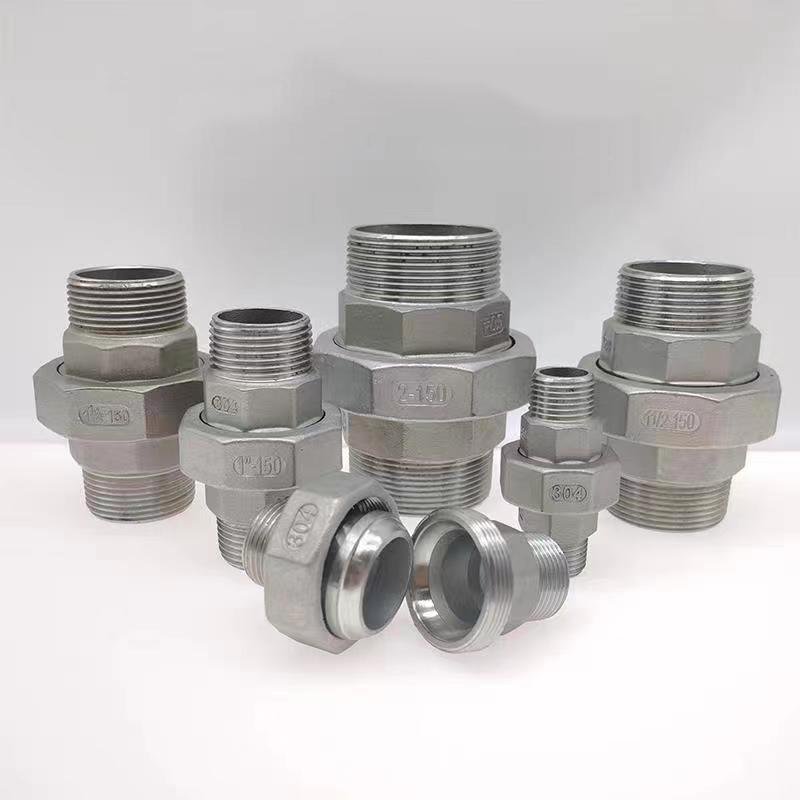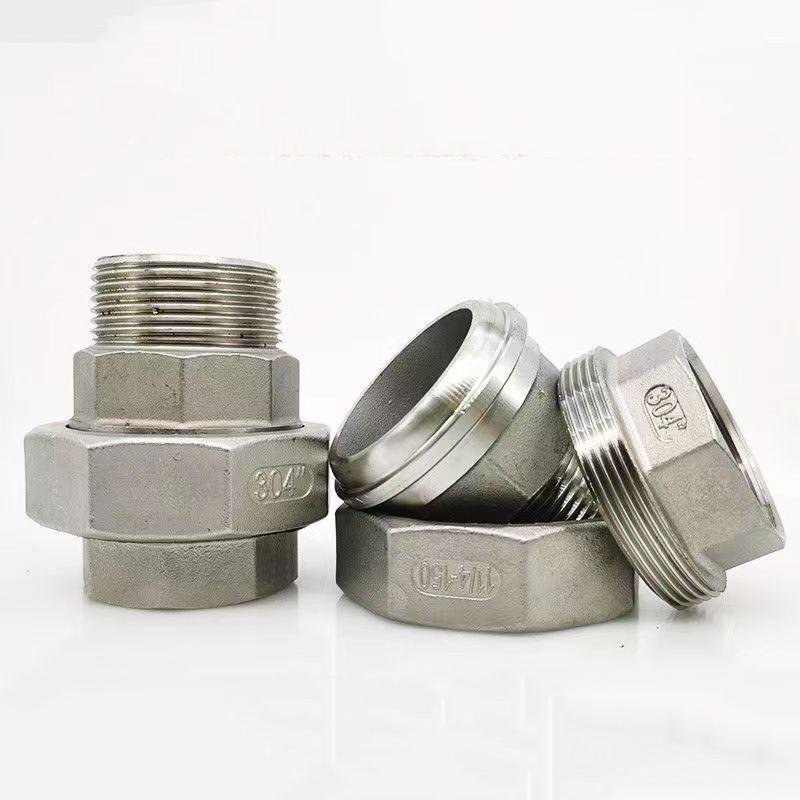
Решения Camlock для безопасных соединений

PROCAMLOCK предлагает прочные замки для надежной и эффективной работы.
связи между отраслями промышленности.
Блоги

Распространенные типы замков Camlock, которые вам следует знать

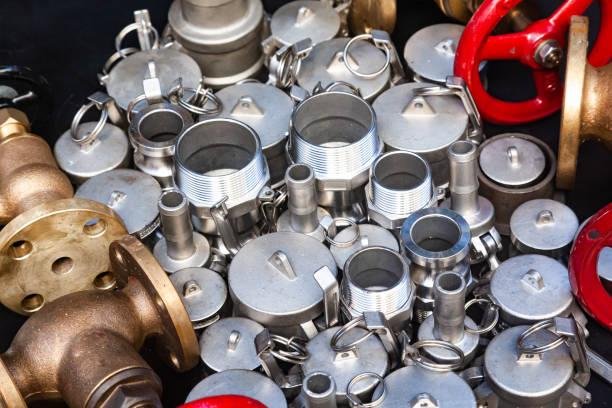
Camlocks выпускаются в различных типах в зависимости от материала, концевого соединения и стандартов. Доступны варианты из нержавеющей стали, алюминия, пластика и латуни, обеспечивающие разные уровни коррозионной стойкости, долговечности и экономической эффективности, поэтому важно выбрать правильный тип для вашей конкретной отрасли и системы передачи данных.

Блоги

Последний Новости

Stainless-Steel-Check-Valves

Stainless Steel Check Valves: Applications and Manufacturer Insights

Stainless steel check valves are essential for preventing backflow in systems and ensuring the one-way movement of fluid. It offers durability, corrosion resistance, and reliability, making it an ideal choice in high-pressure and aggressive environments like chemical processing, oil and gas, food production, and water treatment.

What makes stainless steel check valves stand out is their ability to handle high pressure, abrupt changes in temperature, and corrosion without compromising system efficiency and safety.

A valve failure is something you want to avoid because it can bring your entire operation to a halt. Aside from the money it would cost you to replace, every hour of downtime eats into profits.

This issue is a common one – ABB reports that most industrial businesses suffer unplanned outages every month. One way you can avoid being part of the statistics is by using stainless steel check valves.

In this guide, we’ll explore the key applications of stainless steel check valves and share insights from leading manufacturers to help you understand what to look for when selecting the right valve for your project.

How Check Valves Work and Why Stainless Steel is Best

Check valves are essential components that allow fluid to flow in only one direction. The valve opens when fluid pressure pushes in the right direction. If the pressure reverses – for example, due to a pump shutting off or a system malfunction  – the valve automatically closes. This prevents backflow, protecting pumps, pipelines, and other equipment from damage.

Here is a comprehensive selection of industrial valves, including check valves.

Почему нержавеющая сталь?

Check valves are made from stainless steel because it’s resistant to rust and high temperatures. It pays off over time for businesses that cannot afford unexpected shutdowns.

Also, in industries like food processing, pharmaceuticals, and water treatment, high-grade stainless steel ensures production meets safety and hygienic standards.

Furthermore, stainless steel is a better long-term choice. Not only is it designed to last for decades, but stainless steel products are also 100% recyclable, with about 60% of each item made from recycled material.

To get a better idea of why stainless steel is the best option, refer to the table below.

ОсобенностьНержавеющая стальУглеродистая стальPlastic/PVCBronze/Brass
ПроизводительностьVery strong, resists corrosion, handles high pressure and temperatureStrong but prone to rust and scale in harsh environmentsGood for low-pressure, non-corrosive applications.Good corrosion resistance in water systems; moderate pressure/temperature tolerance.
Lifespan20 – 50 years with little maintenance10–20 years depending on the environment and coating.5–15 years; shorter if exposed to UV, heat, or chemicals15–30 years, but wears faster with abrasive fluids.
Cost (upfront)Higher initial cost.Moderate, cheaper than stainless.Lowest cost, budget friendlyMid-range, more expensive than iron but cheaper than stainless.
Cost (Long term)Lower, due to durability and low replacement needs.Higher, due to corrosion, repairs, and replacementsHigher, because of frequent replacements.Moderate; requires occasional replacement in demanding applications.

Industrial Applications of Stainless Steel Check Valves

Stainless steel check valves are used in many industries to control fluid flow and protect systems from backflow damage.

Chemical Processing & Manufacturing

In chemical plants, these valves prevent backflow that could mix hazardous substances or damage equipment. They are built to withstand tough chemicals without corroding.

In a solvent recovery system, for example, a check valve keeps solvents moving in the right direction and prevents them from contaminating waste streams.

For more on this, read about the role of stainless steel valves in chemical processing.

Water & Wastewater Management

These valves protect public health by stopping contaminated water from flowing back into the clean supply. Stainless steel helps prevent rust and wear – common problems in these environments – so the system keeps running.

For instance, during a power outage, a stainless steel check valve quickly shuts to stop wastewater from backing up and spilling into public areas. In irrigation systems, it also keeps dirty well water from mixing with clean sources.

Oil, Gas, and Petrochemicals

The oil and gas industry relies on these valves because they can withstand extreme pressure and heat, keeping pipelines safe. You’ll find them in refineries and offshore platforms, where they stop the backflow of flammable liquids and gases.

The use of high-quality stainless steel check valves prevents major problems. A government report linked one valve failure to a major leak that shut down a plant for over two months. Using stainless steel would have prevented that.

With energy demand rising in developing countries, the global network of pipelines is expected to expand by 2030. To keep supply flowing safely, companies are investing in durable components like stainless steel check valves.

Food, Beverage & Pharmaceutical Manufacturing

Hygiene is very important in these industries, and stainless steel check valves are used because they are easy to clean and do not rust easily. They are often made with polished finishes to prevent bacterial growth and keep products pure.

During food and beverage processing, these valves ensure ingredients move in the right direction, preventing cross-contamination between different product lines.

In a pharmaceutical plant, a check valve might be used in a purified water loop to ensure sterile water flows correctly, helping to keep medicines pure and safe for consumers.

Expert Advice – Recommendations When Choosing Check Valves

While stainless steel has many benefits, you need to match the valve to your specific application. The right choice can save you from costly downtime and safety risks.

Here’s how to pick the best fit for your system.

Choose the one appropriate for your project

There are different types of check valves you can use for your project. The most suitable valve depends on your system’s design and operating conditions. Each type has its benefits and limitations.

  • Swing Check: This valve uses a hinged disc that swings open when the flow moves forward, causing minimal pressure loss. It’s best for low-velocity systems because it doesn’t cause much pressure loss. The downside is that it needs more space and, in some cases, can cause “water hammer” – a sudden banging or pressure surge in the pipes that happens when the valve closes abruptly
  • Lift Check: This valve uses a disc or piston that lifts to allow flow. It can be shut firmly and works well in high-pressure, fast-flow systems with steady flow, such as those used for steam or gas.
  • Ball Check: The Шаровой обратный клапан is simple and uses a ball that lifts to allow flow. It has a self-cleaning effect as the ball moves, making it a low-maintenance option for different media, including viscous fluids and slurries.
  • Diaphragm Check: Using a flexible diaphragm, this valve is useful in systems where hygiene matters, like food, beverage, or pharmaceutical processes. It withstands corrosion well but isn’t the best option for high-pressure systems. You can learn more about its features here.

Consider Material Compatibility

While stainless steel is a durable material, not all grades perform the same. Pairing it with the wrong metal in a wet or harsh environment can cause galvanic corrosion, causing early wear.

Therefore, selecting the correct grade of stainless steel for your system is important.

Grade 316 stainless steel contains molybdenum, giving it better resistance to chlorides and aggressive chemicals than Grade 304. This makes 316 a preferred option for marine and chemical environments.

Case Study: Cast Iron Valve Failure from Galvanic Corrosion

While we have explored the effects of using the wrong material, here’s a real-life example of what can happen:

In a steam condensate system, a cast iron valve was installed in a stainless steel (AISI 304) pipe, right next to a copper heat exchanger.

Because these metals have very different electrical potentials, the cast iron corroded much faster than expected. Over time, the iron dissolved and left behind a weak, porous shell.

This case shows that understanding your environment and picking the right material is vital for safety and lasting performance. You can read the full report here.
Choose a Reliable Manufacturer

A valve is only as good as the company behind it. Even the best design won’t last if the materials used in the manufacturing are poor. That’s why it’s worth paying attention to who you buy from.

Here are two key things to look for in a manufacturer:

  • Certifications: Check that their valves meet international standards such as API, ISO, or ASME. These stamps of approval show the valves have been properly designed, tested, and proven safe. For food and pharmaceutical use, FDA certification is essential. And if your system involves corrosive or sour gas, NACE certification is a must.
  • Beyond the Valve: The best manufacturers don’t just hand over a product; they offer technical support, tailored solutions, and warranties. Having that kind of support means less stress for you and a system you can count on for years.

To prevent future problems, find a manufacturer that offers partnership, not just a product. Прокамлок specializes in high-quality stainless steel valves and fittings, providing reliable products and long-term support to ensure your systems run efficiently.

Installation and Maintenance Tips for Best Performance

Proper installation and maintenance are required to ensure a check valve’s long-term performance and safety. Here are tips to get the most out of your system.

Understand Pressure and Flow

Before you install anything, you need to understand a few basic terms, like:

  • The pressure rating: this is the maximum pressure a valve can safely handle.
  • The cracking pressure: the minimum upstream pressure needed to open the valve and allow fluid to pass.
  • The flow rate: the volume of fluid moving through the valve over time.

Ensure the valve you are using meets the pressure rating and flow rating of your system. This will help you ensure your system operates within its safe limits.

Installing Your Valve

When installing a check valve, confirm the flow direction – the arrow on the body shows the correct orientation. Position it as required (horizontal or vertical) since some designs allow only one. Before connecting, clean the pipeline to prevent debris from damaging the valve or blocking flow.

Maintenance Basics

Check valves need little maintenance, but regular inspections help them last longer and cut down on stoppages. Look for leaks, rust, or fatigue, and listen for unusual sounds such as chattering or whistling that may point to parts wearing out.

Global Market and Supply Chain Trends for 2025

The demand for stainless steel check valves is increasing because industries are growing and older infrastructure is being replaced. Also, new safety and environmental rules are pushing companies to choose stronger and longer-lasting components.

According to a recent DataIntelo report, the stainless steel valves market is expected to reach USD 21.3 billion by 2032.

Another industry analysis states that the global industrial valves market could reach about USD 93.64 billion in 2028 because of growth in developing regions and stricter safety rules. The Asia market is projected to dominate the market with countries like China and India taking the lead.

Supply Chain Challenges

But the growth also comes with challenges. Steel prices keep rising and falling, and shipping delays are still a problem. Both can push up costs and throw off project schedules. That’s why sourcing from reliable manufacturers with local support is becoming more important for avoiding delays and quality issues.

Заключение

Unplanned downtime doesn’t just interrupt operations—it drains resources, inflates maintenance costs, and reduces overall efficiency. This is particularly important because maintenance inefficiency can cost your company up to four times more than necessary. Plants with poor efficiency may spend $400 million a year compared to $100 million at well-run sites. So, invest in durable parts so you can reduce downtime and cost.

Stainless steel check valves play a vital role in keeping systems running smoothly, especially in industries where reliability is non-negotiable. By choosing durable, corrosion-resistant components, you safeguard your plant against costly inefficiencies and unexpected failures.

For companies that want more than just a supplier, the key is finding a partner committed to performance and long-term value. Прокамлок delivers high-quality stainless steel valves and fittings backed by expertise and customer-focused support—helping you reduce downtime, cut costs, and achieve lasting operational success.

Часто задаваемые вопросы

How can I fix a check valve stuck open or closed?

Most times, a stuck valve is caused by debris. A professional can fix this by flushing the system or disassembling and cleaning the valve. If that doesn’t help, the valve or its parts may need to be replaced.

What’s the difference between a check valve and a gate valve?

A check valve works automatically, letting fluid flow only one way. A gate valve is manual and uses a disc to fully open or close the flow, like an on/off switch.

How does cracking pressure affect my system?

Cracking pressure is the minimum pressure needed to push a check valve open. If your system pressure is below this level, the valve stays closed, which can restrict flow and cause performance issues.

How long do stainless steel check valves usually last?

A good stainless steel check valve can last decades – often 20 to 50 years or more. They have such a long life because the material is strong and resists rust.

Are stainless steel check valves suitable for high-temperature steam applications?

Yes. Certain stainless steel grades are designed to handle high-temperature steam. They resist both corrosion and thermal stress, keeping the system safe for years.

How do I know which grade of stainless steel is best for my industry?

The best grade depends on the specific environment, temperature, and chemicals involved. Grade 316 is often used in harsh conditions like chemical plants or marine systems, while Grade 304 is common for general use. The safest option is to confirm with a material specialist.

Can valves be customized for special systems or sizes?

Yes, many manufacturers offer custom solutions for unique systems. They can adjust size, pressure rating, or materials to match your exact system requirements.

Where can I buy stainless steel check valves in bulk for export?

For bulk export, it’s best to go through known manufacturers with established global logistics. Companies like ProCamLock supply stainless steel check valves worldwide, ensuring quality standards and smooth delivery.

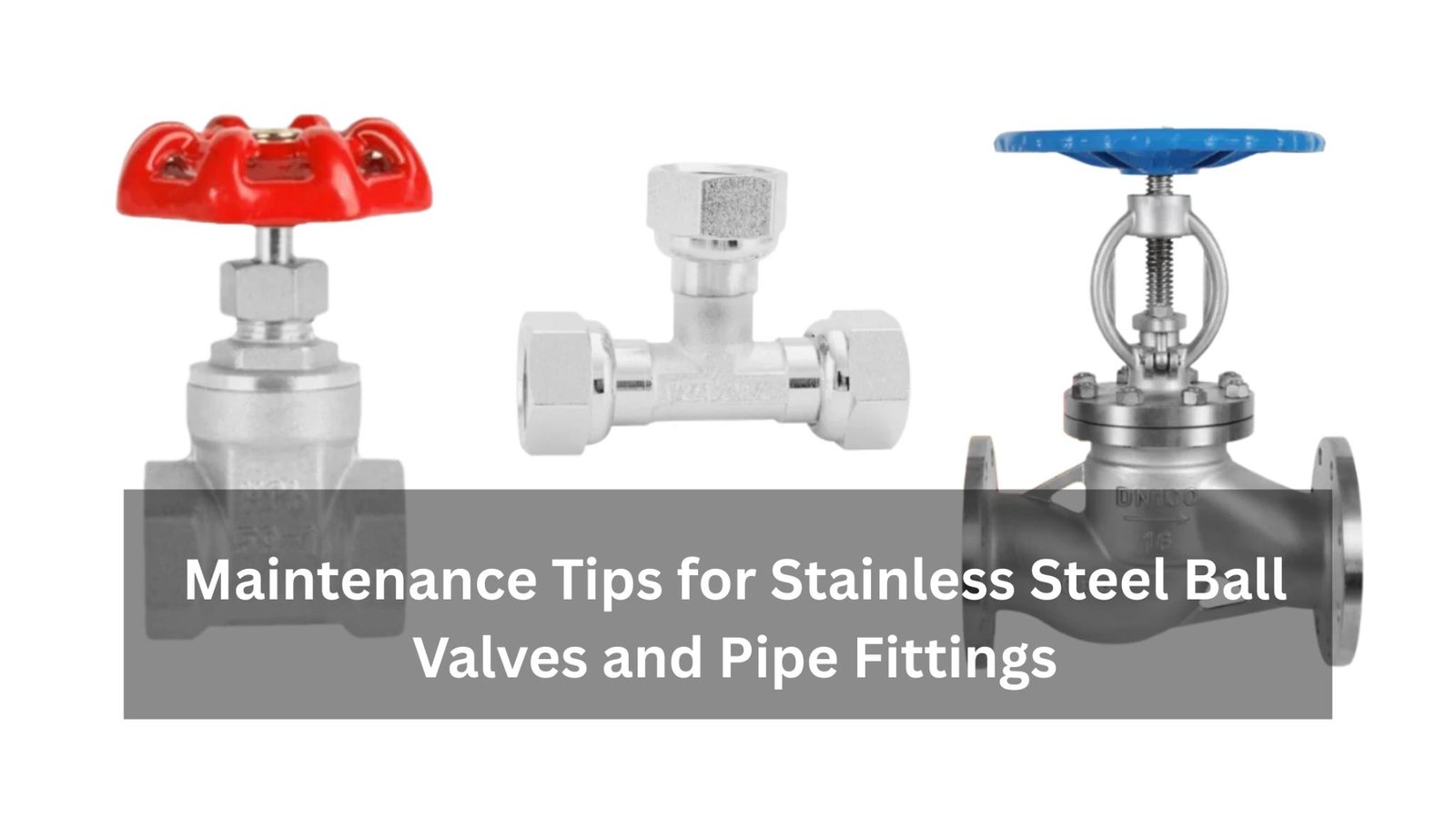
Maintenance Tips for Stainless Steel Ball Valves and Pipe Fittings

Regular maintenance contributes a lot to the lifespan of your stainless steel ball valves and fittings. Once a week, have a quick look: any tiny beads of water around the joints? Clean off deposits with a soft cloth, then add a thin film of the right lubricant. These simple habits can go a long way to help prevent rust, unexpected breakdowns, and save real money in the long run.

Do you want to extend the lifespan of your stainless steel valves and fittings? Give them a little regular care. This will help prevent breakdowns and expensive replacements. It’s surprising today to see how many systems fail early, not because the parts were faulty, but because of poor maintenance.
Sometimes, when things such as a tiny leak, a bit of rust, or a stiff valve that won’t budge happen, we assume they are minor issues. But in a chemical plant or food factory, that small issue can result in serious problems soon enough. If you don’t properly maintain your ball valves and pipe fittings, you’re likely to deal with problems like contamination risk, production halt, or even safety penalties.

Replacing a damaged valve usually costs more than we often expect, whereas cleaning and checking it regularly will only cost you a cloth and five minutes of your time. Some industry reports even say nearly 40% of valve failures happen because of poor or irregular maintenance. That clearly means that maintenance is more vital than most people know. 
So, in this guide, we’ll show you simple things you can do to keep your stainless steel ball valves and fittings working as they should.

Understand What You’re Working With

When it comes to maintenance, you must have an understanding of what you are working with. Always check the specs before using any maintenance product or tool. The right cleaner for 316 might not be ideal for 304. And applying the wrong treatment could do more harm than good.

So, before you grab a wrench or go for a cleaning spray, first try to figure out exactly what kind of stainless steel you’re dealing with. This is one thing we always suggest starting with – and trust us, it makes everything else easier.

Most ball valves and fittings are made from 304 or 316 stainless steel. Both of these steel grades do pretty well in resisting rust and wear, but because of the little molybdenum content of 316, it has an extra protection in chloride-rich settings like seawater, de-icers, and many chemicals. That’s why it’s the type that is mostly used in marine, chemical, or food processing setups.

You will also need to know the valve type. Between the two-piece and the three-piece ball valves, the former is simple and sturdy, making it a perfect choice for general use. On the other hand, three-piece valves are built to be taken apart. This is what makes them an ideal option when you need to clean things thoroughly or replace internal parts quickly.

And don’t forget about the pipe fittings. Whether you’re using couplings, elbows, or unions, each one wears in its unique way. Some traps build up more easily, while others might loosen over time. When you know the layout, it will be much easier for you to spot issues early and maintain things properly.

Daily and weekly checks matter

Stainless steel is built to last, but it shouldn’t be fit-and-forget; you need to conduct daily and weekly checks. Dedicating a few minutes each day or week to maintain it can help you catch small faults early and save on costly repairs. These small steps take minutes and add years to your system:

  • Give it a proper look: Check for tea-staining, odd coloring, tiny rust specks, or dampness around the joints. These are early signs of wear or corrosion.
  • Don’t ignore drips: Even the tiniest leak is something to be concerned about. They don’t fix themselves. So, find it and sort it.
  • Work the handle, end to end: Open and close the handle fully to see how it feels. It should feel smooth and consistent. If it’s stiff, loose, or sticky, clean and lubricate it.
  • Quick wipe-down: Use a soft cloth with warm water or a pH-neutral stainless cleaner. Don’t use abrasives, chlorides, bleach, or steel wool.
  • Feel the joints: Lightly check unions, couplings, and seals. If anything’s loose, swollen, or misshapen, investigate and replace O-rings as needed.
  • Use your senses: Hissing, a faint whine, or unusual smells can point to leaks or trapped media.

Deep Cleaning and Lubrication: Monthly and Seasonal Care

A quick wipe keeps things tidy, but every so often your stainless-steel valves and fittings need a proper service. This is the only way to catch things you might have missed during daily checks.
Let’s consider some of the things you need to do here:

Clean without being too rough

Start simple: use a soft microfibre cloth, warm water, and a pH-neutral cleaner. Don’t use bleach and anything gritty to avoid removing the protective layer of the steel. A drop of mild washing-up liquid often does the trick.

To deal with fingerprints or oily patches, use a dedicated stainless-steel cleaner. Wipe with the grain, not against it, then rinse and dry with a clean towel to prevent streaks and water spots.

Disassemble with Care

If you’re working with a two-piece or three-piece ball valve, you should take it apart now and then for a proper clean. To do that, always isolate and depressurize the line first, then follow your site’s safety steps (that is, PPE on and lockout/tagout applied).

Taking one apart isn’t as daunting as it sounds. For most designs, what you need to do is:

  1. Loosen the bolts or clamps
  2. Gently pull the body apart
  3. Take out the ball and inspect it for gunk or wear

If anything feels stuck, don’t force it. A touch of lubricant or a look at the manufacturer’s guide usually helps.

Lubricate the right way

Once everything is clean and dry, add a thin film of food-grade or silicone-based lubricant to the moving parts: think seats, stem, and seals. Cycle the valve a few times to work it in, then wipe off any excess so it doesn’t collect grit.

Avoid using petroleum greases to lubricate because they can attack elastomers and aren’t suitable for food or many chemical duties.

The bottom line is to lubricate regularly, as even a valve that already feels smooth can benefit from a light coat. It helps prevent stick-slip, reduces wear, and makes the next service quicker.

Check O-rings and seals

Look closely for nicks, cracks, swelling, flat spots, or stiffness. If you spot any of these, replace the part. It would do you good to keep a small kit of spares matched to your media and temperature, so you can quickly change leaks without delaying production.

Also, when fitting new rings, add a small portion of approved lubricant and seat them squarely without twisting them.

Avoiding Common Mistakes That Shorten Lifespan

Even the toughest stainless steel gear can wear out fast if it’s not handled right. Let’s go over some simple but common mistakes that can cut their life short, plus how to avoid them.

1. Over-tightening fittings

It’s easy to think tighter means better, but turning a valve or fitting too hard can cause damage. You could end up warping the threads or crushing internal seals. A good rule of thumb is to tighten by hand, then give it just a little extra nudge. That’s usually enough to tighten valves and fittings.


2. Using the wrong sealant

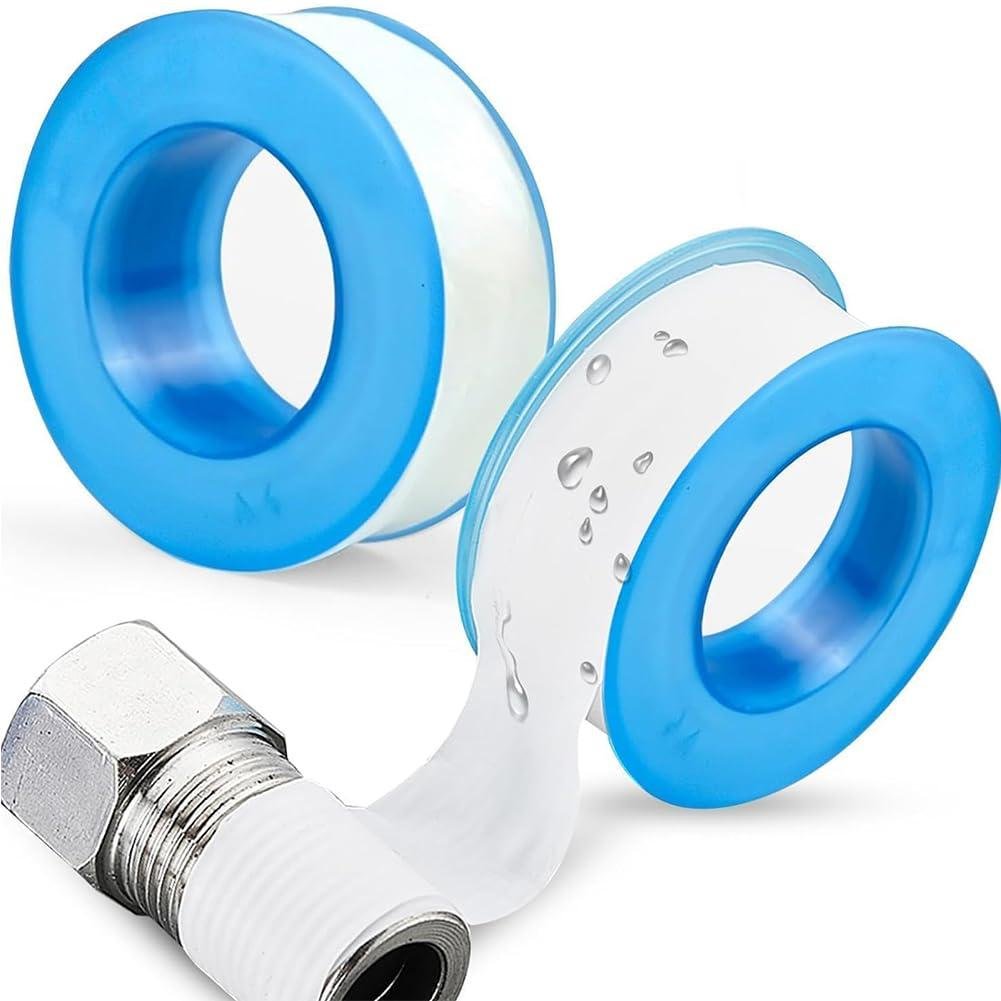
Teflon (PTFE) tape is fine for many water and air jobs. But high pressure, vibration, or aggressive chemicals often need a proper thread paste or the compound the manufacturer recommends. If you use the wrong stuff, you’ll get weeping threads or softened plastics. So choose a sealant rated for the pressure, temperature, and media where the fittings will be used.

3. Mixing different metals

Joining stainless steel to copper or brass can trigger galvanic corrosion, especially in wet systems. That’s when one metal sacrifices itself, and the joint starts to pit and seize. It’s always recommended to keep materials the same or break the circuit with a dielectric union/insulating joint. If you must mix, insulate the connection and use a compatible sealant so the joint lasts.

4. Leaving ball valves stuck in one position

Ball valves work best when they’re either fully open or fully closed. Leaving them halfway or not using them for ages can lead to buildup or stiffness. Even if a valve isn’t in use, give it a turn now and then to keep things moving.

5. Forgetting to log your checks

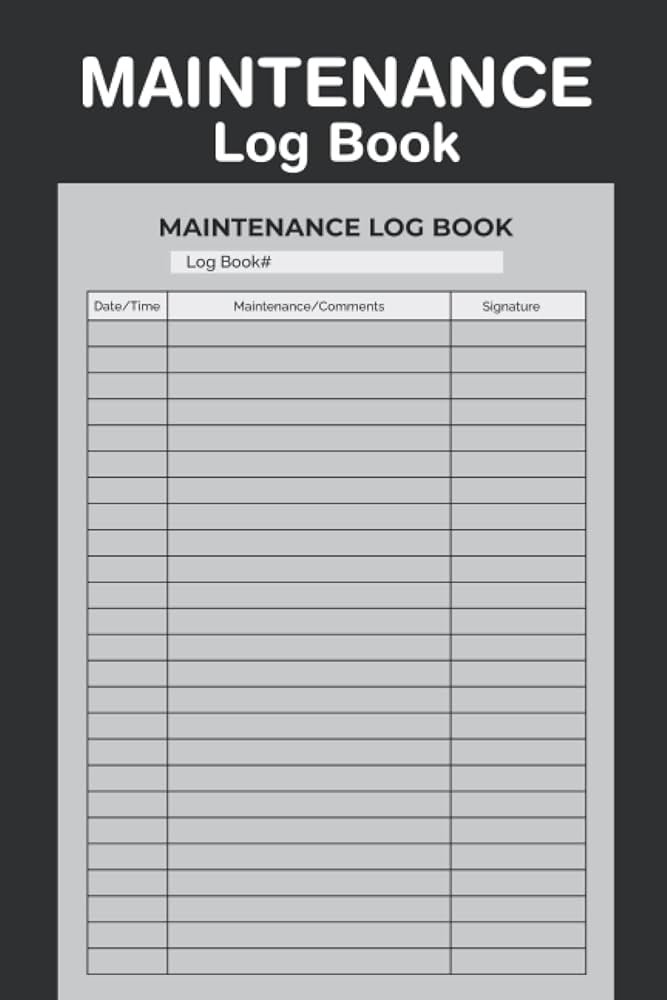
One last tip is to keep a basic maintenance log. Nothing fancy; just a quick note of what was checked and when should suffice. It’ll help you catch patterns and fix small problems before they become big and expensive.

Real-World Example of Maintenance Making a Difference

Stainless steel is tough, but it still needs a little help to last, especially in harsh places. Here’s what that looks like in the real world.

A coastal marine site fitted its system with 304 stainless ball valves. For months, everything ran smoothly. Then the salt in the air and constant humidity began to bite, light tea-staining showed up around joints and threads, and handles grew stiff. A few valves started to weep at the seats, and the maintenance team found themselves constantly patching things up.

They took a step back and changed their approach. First, they upgraded the problem spots to 316 stainless, which stands up better to chlorides and salt spray. Next, they introduced a simple monthly routine and also kept a small kit of spare seals matched to the media and temperature.

The difference was dramatic.

Downtime due to valve issues dropped by 60% in the first six months. Repair costs went down, and systems ran more smoothly. The team now spends less time fixing problems and more time keeping things running efficiently.

It’s a great reminder that when you pair the right materials with the right maintenance habits, everything lasts longer and performs better.

Global Market and Supply Chain Trends, 2025

Keeping your stainless steel valves and fittings in good shape is more essential now than ever to keep up with the competitive business world.

In 2025, more industries are using corrosion-resistant materials like 316 stainless steel, and because of this, demand has shot up fast, impacting the Stainless Steel market value positively. What this means is that more people are dealing with harsh conditions and looking for better long-term solutions.

The only issue is that with increased demand, the materials are getting harder to find.

Lead times for certain grades, especially 316L, which has extra molybdenum for added protection, are stretching out. Some suppliers now give 10 to 14 weeks, depending on where you’re sourcing from.

So, if you’re not paying attention to proper maintenance now to keep you ahead, a small valve issue could quickly turn into a major delay that will cause you to wait for weeks before you can get replacements.

This is why regular maintenance matters more than ever. You need to practice regular smart upkeep to extend the life of what you already have, and buy yourself time when parts are hard to get.

There’s also a shift toward predictive maintenance. More facilities are using sensors and data to catch issues early, before failure happens. However, if you’re not there yet, just having a solid visual and cleaning routine can save thousands down the line.

Recommended Maintenance Schedule

Keeping stainless steel valves and fittings in good condition isn’t complicated. Most of the time, we just need a consistent routine to keep things in top shape. So, we have provided a practical schedule you can follow to make maintenance easy for you, regardless of your industry:

TaskFrequencyNotes
Visual checkWeeklyLook for drips, loose unions, tea-staining, or scuffs.
Wipe down surfacesWeeklyUse a soft cloth and pH-neutral cleaner. Skip abrasives and harsh sprays.
Lubricate ball valvesMonthlyApply a thin film of food-grade or silicone-based lubricant to stems, seats, and seals. Cycle the valve fully, then wipe excess.
Deep clean & sealsQuarterlyStrip down if needed. Inspect O-rings and seats for cracks, swelling, or flat spots. Replace any that look tired.
Pressure integrity checkAnnuallyTest system pressure (and reliefs) on high-pressure or critical lines. Retorque supports if required.

How to Extend Lifespan in Harsh Environments

If you’ve got valves working near the sea, around chemicals, or in hot, high-pressure setups, understand that they need a bit more protection to keep going strong.

For outdoor or marine use, try using covers or special coatings to block out salt, moisture, and other nasty stuff. In chemical environments, double-check that your fittings can handle what’s flowing through them. It’s not one-size-fits-all, so you need to check to confirm.

And if you’re dealing with high temps or pressure, basic fittings won’t cut it. You’ll want gear that’s rated for those extremes.

Additionally, if you’re still using 304 stainless steel in rough conditions, it might be time to switch to 316. It holds up much better against corrosion, especially when there’s salt or harsh chemicals involved. Sure, it’s a bit pricier, but it’s cheaper than emergency repairs and unplanned downtime.

How to Work with Your Supplier for Maintenance Success

Your supplier shouldn’t just be someone who drops off parts and disappears. The good ones are there to partner with you to keep things running smoothly for the long haul.

Here’s how to make that relationship count:

  • Ask for maintenance tips when buying: Don’t wait until something goes wrong. Most reliable suppliers have useful advice based on your setup and materials.
  • Get the paperwork: Always ask for things like MTCs (material test certificates) and valve specs. Knowing exactly what you’re working with makes future maintenance way easier.
  • Use their support: If they offer after-sales help, take it and reach out any time there is an issue, even supposedly trivial ones like a weird noise. That’s what they’re there for, after all.
  • Keep the conversation going. When you stay in touch with your supplier, it makes it very easy to reorder or upgrade parts, especially if you’re ever in a pinch.
  • Ask questions. Don’t hesitate. A reliable supplier will be more than willing to explain what you’re buying and how to keep it in great shape.

Последняя мысль

Regular maintenance of your ball valves and fittings is more about protecting your investment. A quick wipe here, a little lube there, will keep your machine running smoother for longer.

Don’t forget that a few minutes of simple maintenance today can save you a major headache and a huge invoice tomorrow.

If you ever need help picking the right gear or figuring out a maintenance routine that works for you, just reach out to us. The team at Прокамлок is always happy to help.

Часто задаваемые вопросы

How often should I lubricate stainless steel ball valves?

About once a month is usually enough to lubricate a stainless steel ball valve. However, you can do it more often if the valve gets heavy use or is in a tough environment. Just make sure you’re using food-grade or silicone-based lubricant.

Can I use vinegar or bleach to clean stainless fittings?

Nope. Vinegar and bleach are too harsh and can damage the protective layer of stainless fittings. Stick with pH-neutral cleaners and a soft cloth instead.

What’s the best way to prevent corrosion in outdoor fittings?

Use 316 stainless steel if you’re near the sea or dealing with chemicals. You can also use protective coatings or put the fittings inside weather-resistant covers.

How do I know when a ball valve needs replacement vs repair?

If it’s leaking all the time, getting harder to turn even after lubing, or the seals look worn out, it’s probably time to replace it. Minor stuff like grime or stiffness, however, can usually be fixed.

Do I need special tools for maintaining stainless steel valves?

Not really. Most of the time, all you need is an adjustable wrench, a soft brush, and the right lubricant. Just be gentle and follow the basics.

Where can I get replacement parts for these valves?

Right here at Procamlock. We stock quality stainless steel valves, fittings, and accessories, and we’re always ready to help you find exactly what fits your setup.

How to Reduce Costs on Stainless Steel Pipe Fittings Orders: 10 Procurement Tips (2025)

Buying the wrong stainless steel pipe fittings can quietly blow a project budget. A cheap part that fails inspection or arrives damaged costs more in rework, rush freight, and lost hours than the money you saved up front. This guide shows simple, practical steps on how to reduce costs on stainless steel pipe fittings without cutting corners on quality.

Here, you’ll learn how to pick a small set of standard SKUs, choose the right alloy for the job, and use supplier leverage for better stainless steel fittings price negotiation. We also cover landed-cost thinking so you won’t be surprised by freight or duty, and quick checks to avoid common traps, among other stainless steel pipe fittings procurement tips.

The ultimate goal here is to balance product quality with cost-effective practices on both sides (you and your clients). Прокамлок is a trusted manufacturer of stainless steel pipe fittings. We are reliable and put customer satisfaction first by providing fittings of top quality, flexible MOQs, customer support, and price negotiations, to mention a few. Contact us today to get started with procuring stainless steel pipe fittings that meet your project needs.

The True Cost of Stainless Steel Pipe Fittings

The true cost of a stainless steel fitting is more than the price on the stickers. It is made up of the unit price, inspection and testing, rejects and rework, installation labor, downtime, shipping and duties, inventory carrying costs, and warranty or repair risk. If you ignore these extra items when manufacturing or reselling, you may lose more money than what you are saving on cheap parts.

Here’s a short example to make this easier to understand (Prices shown are purely illustrative):

  • Option A: You buy a cheap unit at $5.00 per piece. Then, add inspection ($0.75), installation labor ($12), a 4% reject rate with $100 rework per reject, and a small downtime risk. That gives a total installed cost ≈ $23.75 per fitting.
  • Option B: You buy a higher-quality unit, which costs $8.00, plus inspection ($0.50), the same installation labor, a 0.5% reject rate, and lower downtime risk. Total installed cost ≈ $21.40 per fitting.

That means you’re saving $2.35 per fitting when you choose the better-quality option (although it didn’t look that way from the start). On 10,000 fittings, that adds up to roughly $23,500 saved. The lesson is simple. The true cost of stainless steel pipe fittings comes from the landed and installed cost, not just the unit price.

Stainless steel fittings cost what they do because of a string of inputs and processes that add up long before a fitting reaches the jobsite. The single biggest driver is raw material. The nickel and molybdenum content (the extra alloy in 316/316L) makes that grade significantly more expensive than 304/304L. Plus, market trends affect nickel and steel prices and can move your unit cost overnight.

Manufacturing method is another factor. Forged fittings need more machining, so they cost more than cast or pressed fittings, but they’re stronger and safer for high-pressure systems. Complex shapes, tight tolerances, and small productions increase manufacturing time and scrap rates. For food, pharma, and similar industries, you also have to consider surface finishing, which adds both time and cost to the price of stainless steel pipe fittings.

Testing and traceability add another layer. MTCs, third-party lab reports, PMI checks, and hydrostatic tests all cost money to generate and audit; they also increase supplier cost and time, but they reduce your risk. Packaging, logistics, duties, and currency affect landed cost. Then, when you add inventory and warranty costs, which is the capital tied up in stock, you get to see all that adds to your true price.

Here are some procurement tips to reduce costs on your stainless steel pipe fittings orders:

Standardize your SKUs (Stock Keeping Units)

Identify 6 to 12 core fittings (in common sizes/materials) and lock down their specs. Focusing on a few SKUs means each unit is ordered in much larger batches.  Plus, the lesser variety lets you take advantage of bulk pipe fittings discounts and cut procurement costs. This way, you unlock bigger discounts and win customer loyalty.

One tip to keep in mind here: Use standard sizes. You don’t want to have a store full of fittings that take forever to sell. Instead, go for parts made to common dimensions, so unit prices will be ultimately lower and you sell out faster. Also, standard specs of stainless steel pipe fittings makes ordering and quality checks simpler; since they are often produced in larger amounts. You also want to keep inventory simple, at least in the early days, then expand with more varieties as needed or demanded.

Specify the Right Stainless Steel for Your Project, Not the Fanciest

If you’re buying stainless steel pipe fittings for a project, ensure that it is suitable for the environment and not the fanciest you hear of. Stainless steel 304/304L is advisable for general service, while 316/316L is often reserved for special cases. 304 is cheaper and is more suitable for mild conditions like plumbing, indoor systems, and moderate environments. 316L has extra nickel/molybdenum added to it; hence, you only need it in highly corrosive conditions, high-salt or oxidizing applications, like chlorides, seawater, or acids.

If it’s not a need, you shouldn’t overpay for 316L. Simply put: If you don’t need the added resistance of 316, standard 304 will give you similar results at a lower price.

Consolidate Suppliers for Volume Leverage

You don’t need 10 suppliers for one stainless steel fitting. For your key fittings, work with 1 or 2 of your preferred suppliers. Buying a larger total volume from fewer vendors gives you the leverage to negotiate for better pricing and bulk discounts. And, bulk purchase commitments translate to lower per-unit costs and stronger supplier support.

Before you make a preferred pick of a stainless steel pipe fittings supplier, research them thoroughly. Check their capacity, quality track record, lead times, and customer support. Working closely with a small supplier set helps streamline procurement and build strong partnerships. These focused relationships will often mean faster delivery and more flexibility on price as volumes grow. Feel free to check annual volume forecasts or ask suppliers about volume-discount programs. A multi-year buying plan lets you push for the best contract terms and price breaks.

Buy on Landed Cost, Not Unit Price

Always compare the total landed cost, not just the piece price. When requesting quotes, insist on a breakdown of unit cost plus testing, packaging, freight, and duties. This “total landed cost” shows the true expense to get the goods to your door.

A low per-unit price can vanish when you see the high shipping or import fees. Hence, it is advisable to ask for the total landed cost instead of the unit price alone. You can also evaluate your suppliers by the full landed price, so you’re not surprised by hidden charges.

Using landed costs also allows you to negotiate smarter. For example, if a quote has very high freight relative to the item price, you can ask about consolidating shipments, cheaper shipping modes, or including freight in the unit price. Plus, adjusting order sizes can also cut per-unit freight and duty.

Use Bulk Purchase Options like Blanket POs or VMI for Fast-Turn Items

Blanket Purchase Orders is when you lock in a fixed low price on a large volume order, then schedule deliveries over time. This secures the lowest bulk pricing without having to pay for all inventory upfront. Here, you save the cost of a big order while receiving goods as needed.

A Vendor-Managed Inventory (VMI) occurs when you have your supplier hold common fittings on consignment. Then, after your bulk purchase, they warehouse the products so they’re “ready-to-ship” on demand. This eliminates rush fees and ensures you have stock available for urgent jobs without expedited shipping.

Both methods speed up fast-turn items and lower cost of pipe fittings procurement. Blanket POs reduce repetitive order fees and price volatility, while VMI guarantees that the pipe fittings are on hand with minimal lead time. This way, urgent orders don’t incur extra rush charges or high last-minute pricing.

MOQ vs. Holding Cost (EOQ Thinking)

Many manufacturers use the Economic Order Quantity (EOQ) model to balance the ordering and holding costs. For highly demanded stainless steel pipe fittings, ordering just above a supplier’s minimum order quantity (MOQ) can give you volume discounts, reducing the per-unit price more than the added carrying cost. The key is to ensure that the savings from the holding costs exceed the extra warehousing expense.

In practice, applying the EOQ formula or inventory software can help pinpoint this “sweet spot.” Using EOQ effectively also means you don’t keep more on hand than needed, freeing cash for other uses. However, if some steel pipe fittings aren’t selling as fast as the forecast claims, extra stock becomes deadstock, tying up cash and eroding profit.

Pre-Qualify Suppliers with MTC & Sample Tests

Always ensure the raw materials meet specifications upfront to save significant cost. Insist that each batch of bulk stainless steel pipe fittings orders come with a Material Test Certificate (MTC) that confirms the alloy and treatment. Before full production, verify one or two sample parts against this certificate (a first-article inspection) to catch any defects early.

Asking for the full certificate package (material certificates, weld logs, test reports) with every shipment is one of the best practices for buying stainless steel fittings in bulk. A small upfront vetting step is far cheaper than fixing a bad batch of product later, so it’s best you do it.

Optimize Inspections: Sample Smart, Not 100%

Inspecting every single unit of an order is usually overkill except for the most critical parts. However, you can use statistical AQL sampling, which is generally sufficient, to save a lot of time and labor. Oftentimes, quality standards explicitly use sampling plans so that reasonable quality can be assured without inspecting every piece.

You can reserve a full inspection for safety-critical, high-value, or custom orders where defects have intolerable consequences. This way, standard SKUs get their representative spot-checks, while inspection resources focus on the parts that really matter.

Ship Your Stainless Steel Pipe Fittings Smartly

Consolidating cartons into one sea container (and using standard pallets) can slash freight costs per piece and reduce import duties on steel pipe fittings. By filling a whole container, you only pay for the space you use. Optimizing pallet loads (standard sizes, no wasted gaps) lets you fit more parts in each shipment.

This spreads shipping and handling costs across more units and even cuts damage: for instance, full-container loads see about half the damage rate of mixed LCL shipments. Research shows LTL pallet consolidation can cut freight costs by 10 – 50%, so booking pallets or groupage loads is an effective way to reduce costs on stainless steel pipe fittings.

Design for Procurement

To cut costs on bulk stainless steel pipe fittings orders, design units for procurement. This means favoring standard, off-the-shelf choices. Instead of designing multiple units in exotic finishes, custom threads, or one-off sizes; use standard thread forms and common plate thicknesses. This way, suppliers can readily stock or batch-produce common dimensions and threads of stainless steel pipe fittings.

Likewise, when specific surface finishes and specs are needed, keep them focused and limited to where it is needed. They often dramatically raise manufacturing time and price; hence, you should involve procurement early so they can suggest simpler alternatives. Those small choices cut lead time and lower the unit cost of stainless steel pipe fittings.

Mistakes to Avoid When Bulk Buying Stainless Steel Pipe Fittings

  • Buying cheap stainless pipe fittings on unit price alone is a common trap. Low sticker price can hide high freight, testing, rework, and downtime costs. Always compare landed and installed cost, not just the per-piece rate.
  • Skipping Material Test Certificates (MTCs) and pre-shipment tests is another costly mistake. Accepting shipments without MTCs lets wrong alloys or heat treatments slip through. Ask for batch MTCs and a first-article sample test before full production runs.
  • Ignoring MOQ, lead times, and holding costs causes rush orders and premium freight. Small, frequent buys look flexible but often cost more. Run a simple EOQ check and balance MOQ discounts against storage costs.
  • Weak stainless pipe fittings supplier vetting and inspection plans invite quality problems. Don’t rely on one phone call. Check factory capacity, export experience, references, and ask for past test reports. Use AQL sampling for commodity SKUs and full inspection for critical lots.
  • Other mistakes to avoid: Using exotic alloys where unnecessary, neglecting packaging and palletization (which leads to transit damage), and skipping warranty/return terms.

The fixes are simple: match material to the service, request robust packaging, confirm warranty coverage, and write clear inspection clauses into POs. These steps stop surprises and increase cost savings on stainless steel pipe fittings over the project life.

Заключение

In summary, wrap up your SKU audit this week and pick 6 to 12 core fittings to standardize. Ask suppliers for landed-cost quotes that show unit price, testing, packing, freight, and duties. Request MTCs and a stamped sample before big orders to avoid rework and delays. Choose one or two trusted suppliers to work with and negotiate volume discounts or rebate tiers. Use blanket POs or VMI for fast-turn items to cut rush fees and steady unit pricing. Apply simple EOQ thinking so your MOQ savings aren’t swallowed by holding costs or dead stock. Use AQL sampling for commodity SKUs and full checks for safety-critical lots. Finally, design with procurement in mind by choosing standard threads, common finishes, and tolerances that cut machining and lead time.

These small changes add up over time. Standardize, buy on landed cost, vet materials, and lock in supplier terms that reward volume. If you’re ready to put this into practice, contact Procamlock to request a bulk quote for your next stainless-steel pipe fittings order. Our team will help with landed-cost quotes, MTC checks, and a simple template to get you started.

Часто задаваемые вопросы

  • How do I decide between 304/304L and 316/316L for my project?

For general, indoor, or non-chloride environments, use 304/304L. Then, when chloride, seawater, or harsh chemicals are present, or for critical marine/oxygen services, choose 316/316L. 304L is also recommended for use in welded assemblies to avoid carbide precipitation.

  • What tests and certificates should I ask for to avoid costly rejects?

Ask for Material Test Certificates – MTCs (which include ASTM and ISO certifications) for all wetted parts, dimensional checks, visual inspection, and pressure/hydro or seat-leak tests as appropriate. Add PMI or lab reports and third-party inspection for critical units.

  • How should I compare supplier quotes so I don’t get fooled by low prices?

Compare landed cost (which is unit + testing + packing + freight + duties + returns) and check lead time, MOQ, MTCs, warranty, and inspection scope. A lower unit price can lose you money if other line items are high.

  • Are forged fittings worth the extra cost versus cast or pressed fittings?

Forged fittings offer higher strength and reliability for pressure-critical systems. Cast or pressed fittings are cheaper for low-pressure, non-critical uses. Your choice between the two depends on the risk and safety requirements.

  • What common specification mistakes cause the biggest hidden costs at install?

Over-specifying alloys, vague temp/pressure ratings, missing MTC/inspection clauses, nonstandard threads/sizes, and poor packaging. Always address these issues in the PO to prevent rework and delays.

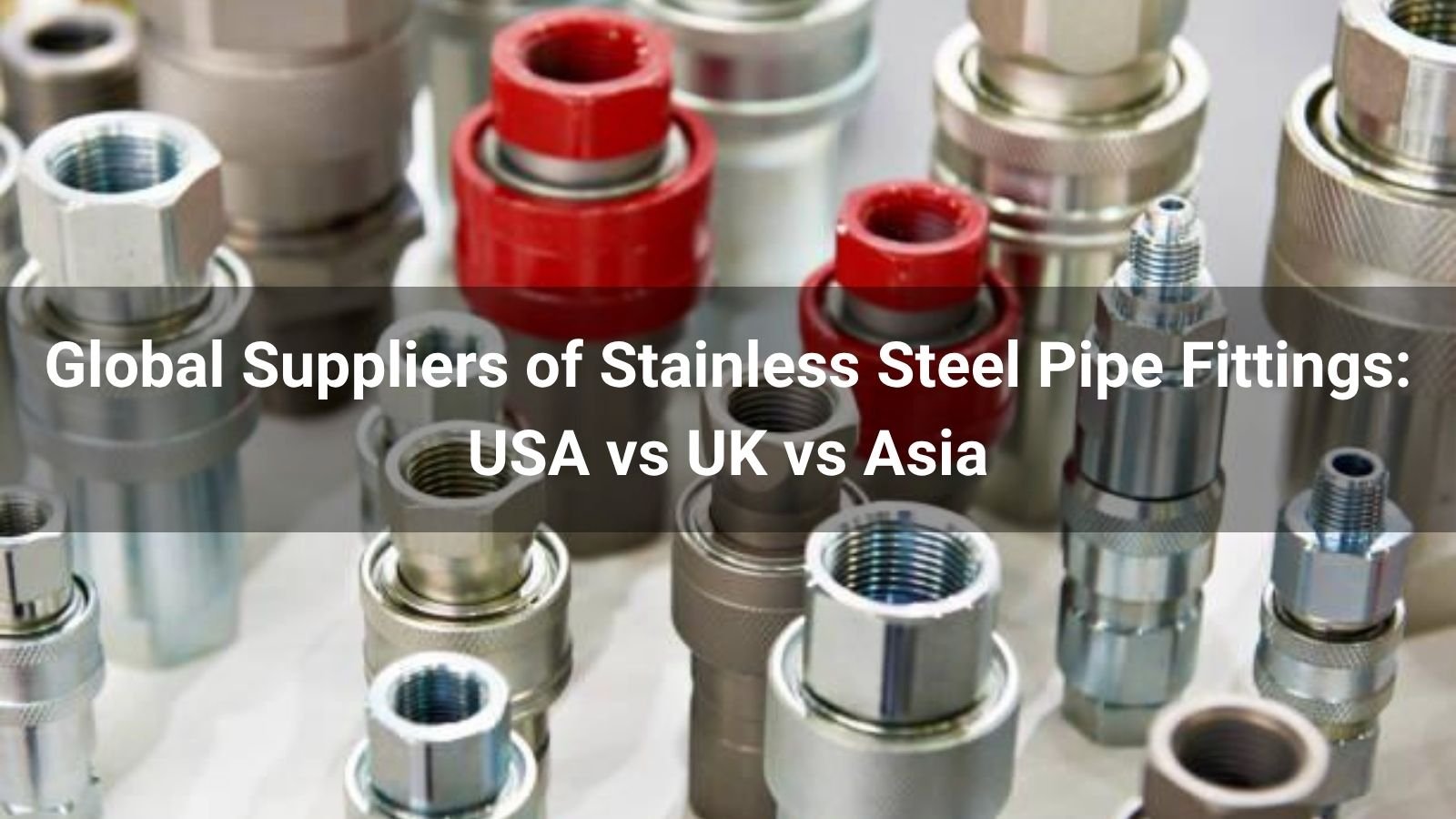
Global Suppliers of Stainless Steel Pipe Fittings: USA vs UK vs Asia (2025 Comparison Guide)

Failed трубная арматура can trigger unexpected downtimes and cost anywhere from thousands to hundreds of thousands of dollars per hour. Then, if there are compliance penalties or shipping delays in the mix, the risks multiply quickly. Every procurement manager knows that the right supplier choice can save a project or sink it. That is why global sourcing decisions cannot be left to guesswork. The USA, UK, and Asia each bring different strengths and trade-offs when it comes to stainless steel pipe fittings. From quality standards and certifications to cost, lead time, and minimum order quantities, the differences are significant. Logistics and regional compliance rules make the market even more complex.

In this guide, we’ll compare suppliers of stainless steel pipe fittings across these three regions, highlighting what they do best and common challenges they face. You’ll see when to pick the USA, when the UK makes more sense, and when Asia is the smarter option. We’ll also cover dual-sourcing strategies and how to safely place a test order before scaling up.

Why Stainless Steel Pipe Fitting Quality & Compliance Vary by Region

At first glance, stainless steel pipe fittings look the same no matter where you source them. Most suppliers claim they are compliant with ISO, ASTM, or ASME standards. Hence, these shared frameworks create a baseline for quality across the USA, UK, and Asia. But how those standards are applied is not the same everywhere.

In the USA, detailed documentation means quality control is deeply rooted in production. The UK places heavy emphasis on traceability and EU-related compliance, often requiring extra paperwork and third-party verification. Asia offers scale and competitive pricing, and many mills produce ASME/EN-spec fittings with full MTRs. The main risk is supplier selection, hence the need to vet factories, ask for batch-level MTRs, and use third-party testing to confirm compliance.

Stainless Steel Pipe Fitting Suppliers in USA, UK, and Asia Compared: Strengths, Trade-offs & Best Fits

In practice, the “right” stainless steel pipe fittings supplier often depends on deadlines, budgets, and compliance pressure. Many teams even dual-source because each region has different strengths, trade-offs, and risks. The table below gives a side-by-side view of the main factors that could impact your stainless steel pipe fittings catalog.

Criteria USA UK Asia
Required Standards/Certificates ASME, ASTM, ISO 9001; common mill test reporting (MTRs). (ASME/ASTM) EN standards, PED (EU), UKCA/CE for UK market; ISO 9001. ASTM/JIS/GB and ISO 9001 common; certification quality varies by mill; many exporters supply ASME/EN-spec material on request.
Quality High emphasis on audit trail and documentation; strong domestic QA culture. Strong focus on third-party verification for EU projects. Good documentation culture. Mixed, many mills offer excellent MTRs and third-party testing; documentation quality depends on the selected supplier and audit frequency.
Lead Times Short for domestic stock: days – 2 weeks. Longer for custom mill runs: 4 – 8 weeks. Medium: 2 – 6 weeks typical (depends on EU/UK stock levels and customs). Custom runs similar to the USA. Expect longer total lead times when sourcing from Asia. Typical production windows plus ocean transit often push total delivery to multiple weeks. Ocean transit alone commonly ranges from 2 – 6 weeks, depending on routing and port pair.
MOQs Distributors often sell low quantities; mills expect larger lots or roll orders. Similar to the USA, distributors for small runs, mills for higher volumes. Traders/agents can provide low MOQs; mills commonly set higher MOQs for custom tooling. Many factories accept smaller orders via traders.
Cost Drivers Higher labor & energy; domestic alloy surcharge exposure; lower freight for domestic orders. Compliance and testing overheads; energy costs; duties for some imports. Lower labor costs and competitive mill pricing; alloy surcharges still apply; freight and duties add to landed cost.
Logistics Simpler domestic logistics; faster domestic clearance. Export complexity if shipping out. Good intra-EU/UK networks, but watch UK-EU divergence (UKCA timeline impacts). Customs steps post-Brexit. Longer transit; potential port congestion; must plan for customs, duties, and document verification. Air freight reduces time but increases cost.
Best Fit Fast maintenance/urgent MRO; projects requiring Buy America or strict ASME compliance. Regulated European projects where CE/UKCA/PED compliance matters. High-volume runs, competitive unit price needs, and flexible custom tooling. Good for brands scaling production.
Risk Notes Higher unit cost; some alloy price sensitivity domestically. Brexit/UKCA transitions can complicate cross-border projects; check local acceptance of CE. Quality and documentation vary by supplier. Do factory audits, ask for MTRs, and third-party tests. Plan longer lead times.

Certifications, Quality & Compliance of Stainless Steel Pipe Fittings Suppliers by Region

  • USA:

USA stainless steel pipe fittings suppliers typically follow ASME/ASTM standards. For federal projects, many U.S. buyers must meet Buy America domestic-content rules, which require domestic iron and steel for covered procurements. Many U.S. manufacturers are ISO 9001-certified and provide full mill-test reports. This rigorous quality drive yields robust, corrosion-resistant fittings (suitable for high-pressure service), but also higher prices and longer lead times.

  • UK/EU:

UK stainless steel pipe fittings suppliers emphasize CE marking (soon UKCA in Britain) under the EU Pressure Equipment Directive. Fittings sold in Europe come with EN 10204 material certificates and detailed CE/UKCA declarations. Thanks to large market volumes, prices stay moderate while documentation standards remain high. In practice, a top-category PED item requires pressure testing and a CE declaration, much like an ASME-rated part in the U.S. Suppliers in EU markets typically follow CE/EN rules. For Great Britain, suppliers should track UKCA updates; since acceptance of CE-marked goods depends on product category and guidance updates.

  • Asia:

Many stainless steel pipe fittings suppliers in Asia (China, India, etc.) compete on price and scale. They often act as high-volume OEM manufacturers or wholesale pipe fittings suppliers, producing global stainless steel pipe fittings catalogs of high-pressure parts. Some hold ISO 9001 or local standards (e.g., JIS, GB), but international buyers insist on factory audits and third-party sample testing to verify material and dimensions. Longer transit times mean planning inventory in advance. In short, Asia’s low-cost imports expand the market for high-pressure, corrosion-resistant fittings, but buyers must carefully vet certifications and inspections.

Cost, Lead Time & MOQ Comparison of Global Stainless Steel Pipe Fittings Suppliers

When sourcing stainless steel pipe fittings from global suppliers, procurement teams weigh cost, lead times, and order flexibility. These factors shift noticeably depending on whether you buy from the USA, the UK, or Asia stainless steel pipe fittings suppliers.

  • USA:

USA stainless steel pipe fittings suppliers usually charge the highest per-unit costs due to labor and compliance rules. Minimum order quantities (MOQs) are flexible, especially with pipe fitting distributors carrying stock catalogs. Lead times stretch if you need mill-direct custom fittings, but stock orders move fast. Logistics delays are lesser for domestic projects, making them best for time-sensitive or government-funded builds.

  • UK:

UK stainless steel pipe fittings suppliers strike a balance between cost and delivery. They handle wholesale pipe fittings efficiently, with moderate MOQs compared to custom runs. Lead times are shorter than in Asia but longer than those of U.S. distributors. Their logistics advantage lies in reliable regional transport networks. These suppliers are ideal for projects requiring corrosion-resistant fittings with strong documentation, such as chemical or HVAC systems.

  • Asia:

Asia stainless steel pipe fittings suppliers are cost leaders, offering the lowest unit prices. They cater to large MOQs for mill-direct orders, but wholesale pipe fittings suppliers can ship smaller lots. Lead times increase with ocean freight, sometimes adding weeks. Planning ahead helps offset transit delays. Asia stainless steel pipe fittings manufacturers excel at high pressure pipe fittings and OEM runs. Their best-fit use case is large-volume, cost-sensitive projects where logistics timelines are predictable.

Regional Strategies for Managing Risks in Sourcing Stainless Steel Pipe Fittings

  • Like every business, the stainless steel pipe fittings industry has its own risks. Hybrid sourcing reduces single-point failure risk. You can contact Asian suppliers for high-volume runs, and keep the European or US supply for time-sensitive projects.
  • If you have suppliers in different regions, you can segment them by roles. For instance, you can use USA stainless steel pipe fittings suppliers when the lead time is crucial, UK suppliers where regulatory traceability matters, and Asian mills for competitive unit cost and tooling flexibility.
  • Reduce compliance risks with dual-certified routes. Ask for ASME and UKCA/CE paperwork when projects cross borders. Also, ask for MTRs and third-party test reports from each stainless steel pipe fittings supplier. Then, keep records in a shared compliance folder.
  • If you are starting out with a new supplier, use small pilot orders to verify corrosion-resistant fittings and high pressure pipe fittings before scaling. When you’ve established trust, keep a vetted list of trusted stainless steel pipe fittings manufacturers and wholesale pipe fittings suppliers.
  • To keep projects moving and protect cost margins, hedge alloy volatility by mixing suppliers across regions. You can include steel-surcharge clauses in contracts to share the risk. Negotiate tiered pricing tied to order volume and metal indexes. Remember to track your stainless steel pipe fittings catalog prices weekly to spot swings in supply.

Stainless Steel Pipe Fittings Sourcing Channels by Region

Here are some of the channels you can use to source stainless steel pipe fittings from global suppliers:

  • USA: For equipment demos and supplier meetings, attend industry events like FABTECH. You can also use industry directories such as Thomasnet to find USA stainless steel pipe fittings suppliers. Always check the Buy America register for public-project compliance.
  • UK: Visit UK exhibitions (eg, UK Metals Expo) and BSSA (British Stainless Steel Association) meetings to meet certified vendors. You can use BSI listings and trade associations to locate UK stainless steel pipe fittings suppliers. And regional trade shows help verify CE/UKCA paperwork and PED compliance.
  • Asia: To get a broad choice of suppliers, source through the Canton Fair, Global Sources, and Alibaba Gold Suppliers. For focused catalogs and wholesale pipe fittings suppliers, use Made-in-China and Taiwantrade. You can work with local procurement agents for factory audits and sample orders.
  • Other channels: LinkedIn connects engineers and supplier representatives. Industry forums and buyer groups offer candid supplier feedback. For on-site QC and lab testing, SGS and Bureau Veritas are third-party inspection firms available.
  • Best channel: Trade shows remain top for first-hand checks and relationship building. But if you are not available for the shows, you can build a short-list with online catalogs, then run factory audits or third-party inspections before placing large orders with any stainless steel pipe fittings manufacturer.

How to Build a Region-Smart Sourcing Plan

You need to build a region-smart sourcing plan around three things: quality checks, sourcing channels, and a tight vetting process.

  • Start with product quality checks. Request full MTRs, heat numbers, and third-party lab reports. Ask for pressure and dimensional test results for high pressure pipe fittings. You can also inspect a physical sample or use a paid third-party inspection before scaling. Track traceability and corrosion-resistant fittings data in your QC folder.
  • Where and how to source depends on your priorities. You can use USA stainless steel pipe fittings suppliers for urgent domestic needs (if they are closest to your target audience). For PED/UKCA projects, work with UK stainless steel pipe fittings suppliers. Then, for competitive mill pricing and OEM flexibility, go for Asia stainless steel pipe fittings suppliers. You can combine suppliers in different regions to balance cost and speed.
  • Vetting and ordering must be procedural. Document your suppliers, their sample quality, lead time, and MOQ. Place a pilot order to further verify the product, then negotiate terms, alloy surcharge clauses, and a clear warranty. Calculate the product cost from catalogs and quotes, not just the unit price. It is advisable to keep a preferred-supplier list of vetted stainless steel pipe fittings manufacturers that you can reach into for fast reorders.

Common Red Flags (and What to Do Instead)

Warning signs often appear early in the sourcing process. Here are the common ones and how to act:

Red flags:

  • Prices far below market value for complex fittings. Usually, a sign of material or process compromises.
  • Slow, vague, or evasive communication from your contact person.
  • Missing or partial MTRs, test reports, or other important paperwork.
  • Inconsistent markings, poor packaging, or samples that differ from production units.
  • Refusal to allow third-party inspections or sample testing before production.

Do this instead:

  • Ask for batch-level MTRs and heat numbers before approving production.
  • Ask for hydrostatic or PMI testing for high pressure pipe fittings or accredited labs.
  • Inspect samples with a pilot order to validate machining, finish, and corrosion resistance.
  • Hire third-party inspectors (SGS, Bureau Veritas) for factory audits and pre-shipment checks.
  • Include acceptance criteria, retest clauses, and warranty terms in your purchase order.
  • Maintain a shortlist of vetted stainless steel pipe fittings suppliers for quick fallback.

Заключение

For procurement agents, the real choice of a supplier depends on balancing budget, timing, and compliance needs. Whether you need corrosion-resistant fittings for food plants, high pressure pipe fittings for oil projects, or a stainless steel pipe fittings catalog, global stainless steel pipe fittings suppliers provide different but complementary strengths. Ensure the supplier you pick is compliant with your market; verify MTRs, test reports, and certification before buying; and align your region strategy with the supplier’s strengths to meet project needs. Do the homework upfront; your projects will thank you later.

Часто задаваемые вопросы

  • What standards should my fittings meet for US/UK/EU projects?

For the US, ask for ASME/ASTM compliance (e.g., ASME B16.9, ASTM A403). For the EU – PED conformity and EN material/certificates (EN 10204). For the UK – CE/UKCA acceptance and equivalent PED evidence.

  • How do lead times compare between USA, UK, and Asia?

Stocked parts ship fastest from local distributors (days to weeks). Custom mill runs typically take longer: U.S./UK runs often take 4 – 8 weeks. Asia orders add production plus ocean transit, commonly 6 – 12 weeks.

  • Can I meet Buy America / UKCA requirements with Asian sources?

Yes, you can meet Buy America standards with Asian sources for private projects. However, if you are sourcing stainless steel pipe fittings for government projects, then you may need to meet the Buy America requirements. Asian suppliers can meet UKCA/CE requirements if they complete the required conformity assessments and appoint an authorised representative in the UK/EU as needed.

  • Do all regions provide MTRs and third-party testing transparently?

Most reputable suppliers do. But always insist on batch-level MTRs and independent lab results.

  • Should I always dual-source fittings to hedge trade risk?

Not always, but dual-sourcing helps on critical projects. You can use domestic backup for spares and Asia sources for bulk orders.

Роль фитингов из нержавеющей стали в производстве продуктов питания и напитков

Изображение от Марк Ли из Pixabay

Знакомо ли вам это чувство, когда напиток кажется вам вкусным? А теперь представьте, что он имеет металлический или кислый привкус. В пищевой промышленности и производстве напитков строгие правила безопасности и чистоты призваны избегать этого.

Хотя всё внимание приковано к крупным машинам, именно более мелкие детали, работающие на заднем плане, обеспечивают их бесперебойную работу. Пример — фитинги для труб из нержавеющей стали.

Он может выглядеть как простой соединитель, но он играет важную роль в обеспечении гигиеничного потока и снижении риска заражения.

Но как именно они всё это делают? Давайте узнаем ниже.

Что представляют собой фитинги для труб из нержавеющей стали?

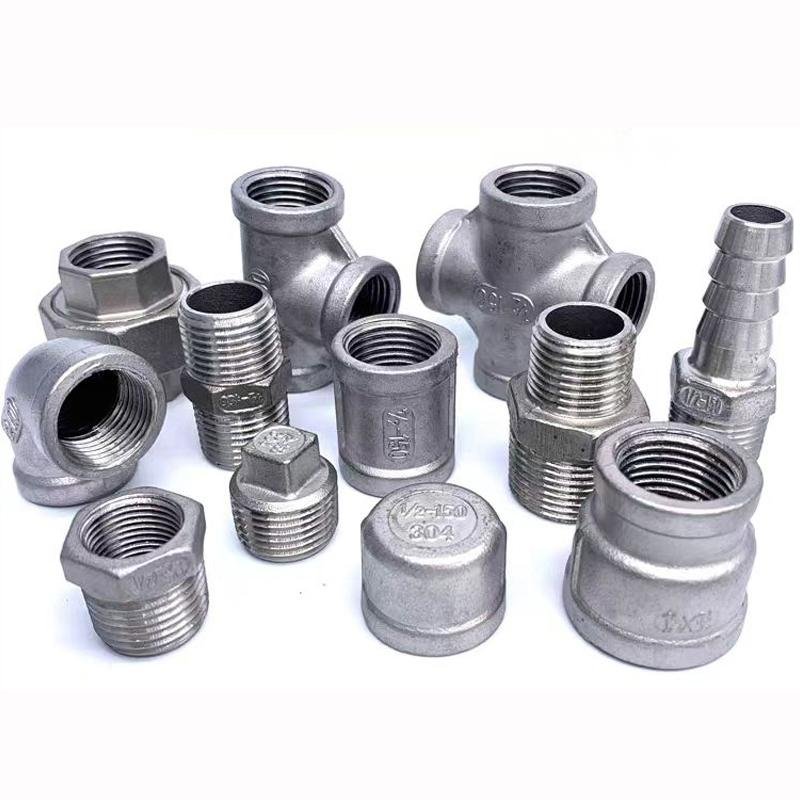
Простейшее определение: фитинги для труб из нержавеющей стали. Они соединяют трубы или помогают изменить их направление. Обычно включают в себя:

  • Локти: для изменения направления.
  • Тройники: для разделения потока на разные линии.
  • Редукторы: для регулировки размера трубы.
  • Муфты и соединения: для соединения труб одинакового размера.
  • Адаптеры: для соединения различных типов или концов труб.

Но в пищевой промышленности дело не только в сантехнике и конструкции; арматура должна быть гигиеничной по своей конструкции. Это означает:

  • Никаких маленьких углов и щелей, в которых могли бы скапливаться частицы пищи или бактерии.
  • Легко чистить и смывать.
  • Снижение риска загрязнения за счет накопления остатков.

Такая чистая конструкция помогает переработчикам соблюдать строгие стандарты гигиены, не замедляя производство.

Почему нержавеющая сталь?

Изображение от Бахром Турсунов из Pixabay

Нержавеющая сталь широко применяется в пищевой арматуре по следующим причинам:

  • Он устойчив к коррозии и не ржавеет даже под воздействием воды, чистящих средств или тепла.
  • Выдерживает высокое давление и температуру.
  • Он не вступает в реакцию с пищевыми продуктами, химикатами и влагой. По данным Института никеля, нержавеющая сталь предпочтительна для использования в пищевой промышленности, поскольку: они не загрязняют пищевые продукты и обеспечивают их безопасность.Фитинги из нержавеющей стали служат долго, не разрушаются и не выделяют вредных веществ.

Если вы не уверены, является ли нержавеющая сталь лучшим выбором, вот краткий совет: сравнение с алюминиевыми фитингами Camlock чтобы помочь вам принять решение.

Почему выбор материалов важен при производстве продуктов питания и напитков

В производстве продуктов питания и напитков выбор материала — это не только долговечность; безопасность также является приоритетом. Использование неподходящего материала в оборудовании может привести к загрязнению, отзыву продукции и даже создать риски для здоровья потребителей.

Фабрики продуктов питания и напитков ежедневно подвергаются интенсивной уборке. Речь идёт о горячей воде, паре, сильных химикатах и постоянном ополаскивании. Добавьте к этому ежедневное воздействие влаги, кислотных ингредиентов и перепадов температур, и вы получите сложную среду. Не каждый материал выдержит такое.

Итак, предположим, вы выбираете более дешёвые материалы, например, пластик. Поначалу это может сэкономить деньги, но влечет за собой серьёзные риски, например:

  • Поглощение остатков из-за их пористой природы
  • Трещины от жары и агрессивных чистящих средств
  • Бактериальное загрязнение из-за вышеупомянутых трещин портит целые партии.
  • Деформация или ухудшение состояния, приводящие к протечкам или необходимости повторных замен

По правде говоря, когда речь идёт о безопасности пищевых продуктов, экономить нельзя. Нержавеющая сталь может стоить дороже поначалу, но в конечном итоге окупается. Она помогает поддерживать бесперебойную работу без риска заражения.

Теперь регулирующие органы всё больше внимания уделяют безопасности пищевых продуктов, ужесточая контроль материалов, используемых в пищевой промышленности. В США Закон о модернизации безопасности пищевых продуктов (FSMA) сместил акцент в сторону превентивных мер. Индия усилила надзор за материалами, контактирующими с пищевыми продуктами, а Китай внёс существенные изменения в свой Закон о безопасности пищевых продуктов в 2015–2016 годах. В то же время Европа следует таким рекомендациям, как Техническое руководство EDQM, в котором изложены стандарты для металлов и сплавов, используемых на предприятиях, контактирующих с пищевыми продуктами.

В отрасли, где одна неудачная партия может испортить бренд, выбор нержавеющей стали — это не просто предпочтение, это необходимость.

А чтобы гарантировать соответствие всем нормам гигиены и безопасности, эти фитинги имеют сертификаты, такие как санитарные стандарты 3-A и ASME BPE, охватывающие чистоту, качество материалов и конструкцию.

Роль фитингов из нержавеющей стали на перерабатывающих предприятиях

Фитинги из нержавеющей стали обеспечивают безопасную и плавную транспортировку жидкостей – будь то молоко, сок, пиво или что-то более густое – на всех этапах переработки. Вот как они помогают предприятиям пищевой промышленности.

1. Они соединяют насосы, фильтры, баки и пастеризаторы.

Это означает, что они связывают различные части производственной линии, обеспечивая бесперебойную работу и функционирование как единой системы. Например, на молочном заводе арматура помогает поддерживать бесперебойный и гигиеничный поток от резервуаров для хранения до установок пастеризации и линий розлива.

2. Они обеспечивают гигиеничный и герметичный перенос в контейнеры.

Это особенно актуально, когда продукт готов к розливу или упаковке: установка обеспечивает гигиеничность процесса переливания в тару. Это делает продукт безопасным для употребления.

При производстве сока, где кислотность фруктов может быть агрессивной для большинства материалов, нержавеющая сталь марки 316 устойчива к коррозии и сохраняет чистоту сока. Эта марка стали защищает сок от реакций с металлами, сохраняя его безопасность и свежесть.

3. Они выполняют высокопроизводительные операции на производстве.

Фитинги из нержавеющей стали прочные: они не гнутся, не ломаются и не протекают даже при высоком давлении во время обработки.

Например, на пивоварнях арматура должна выдерживать высокие температуры, кислотность и карбонизацию, не снижая при этом качество и безопасность продукта. К счастью, арматура из нержавеющей стали способна выдерживать жёсткие условия пивоварения, не влияя на вкус и чистоту пива.

4. Их легко чистить.

Это достигается благодаря их гладкой, полированной внутренней поверхности, которая не задерживает остатки пищи и бактерии. На большинстве заводов используются системы безразборной мойки (CIP), где моющие средства промываются через оборудование без необходимости его демонтажа. Это экономит время и силы, позволяя быстро и эффективно очищать оборудование между партиями.

Нержавеющая сталь выдерживает такую многократную очистку, не изнашиваясь и не теряя своей гладкости. ОутокумпуНержавеющая сталь выдерживает более 1000 циклов безразборной мойки (CIP) без потери эксплуатационных характеристик. Это делает её очень подходящей для применения в пищевой, химической и фармацевтической промышленности, где требуется частая и тщательная очистка.

Преимущества нержавеющей стали помимо чистоты

Чистота — важная причина использования фитингов из нержавеющей стали в пищевой промышленности и производстве напитков, но это только начало. Эти фитинги также приносят долгосрочную пользу и в других отношениях. Вот пять недооценённых, но важных преимуществ, помимо чистоты:

1. Создан для работы в экстремальных условиях

Оборудование пищевых предприятий подвергается серьёзным нагрузкам. Перепады температур, постоянная вибрация и движение могут быстро изнашиваться. Фитинги из нержавеющей стали разработаны для работы в таких условиях без поломок и потери надёжности.

Это приводит к уменьшению потребности в замене деталей, более плавной повседневной работе и сохранению прочности оборудования при постоянном использовании. Кроме того, когда всё движется быстро, вам нужны детали, способные выдерживать высокие нагрузки, и нержавеющая сталь предлагает именно это.

2. Сводит потери продукта к минимуму

Утечки в системе могут привести к беспорядку и финансовым потерям, что негативно сказывается на бизнесе. Фитинги из нержавеющей стали изготавливаются с высокой точностью. Они надёжно фиксируются, поэтому материалы остаются именно там, где им положено находиться.

Это помогает сократить количество отходов, поддерживать стабильное качество партии и защищать чувствительные ингредиенты от воздействия окружающей среды. А для таких ценных продуктов, как пиво, концентрированные соки или молочные продукты, где предотвращение потерь крайне важно, использование материалов, предотвращающих такие потери, имеет решающее значение.

Изображение от PublicDomainФотографии с Pixabay

3. Создано для процессов с высокими ставками

Эти фитинги не просто выдерживают нагрузки. Нержавеющая сталь остаётся прочной при термической обработке, заливке под давлением или жёсткой химической очистке.

Она сохраняет форму, устойчива к деформации под воздействием тепла и химикатов и остаётся надёжной даже при интенсивных процессах обработки. Нержавеющая сталь предназначена для работы под давлением, не ставя под угрозу безопасность и качество продукции.

4. Помогает вам сэкономить больше в долгосрочной перспективе

Фитинги из нержавеющей стали могут стоить дороже на начальном этапе, но со временем они окупаются. Это достигается за счёт снижения количества внезапных простоев и снижения вероятности брака партии. Они обеспечивают более длительный срок службы и повышенную надёжность, помогая вам избежать проблем в будущем.

5. Обеспечивает соблюдение нормативных требований

Правила безопасности пищевых продуктов строгие, и их несоблюдение может привести к серьёзным проблемам. Сертифицированные фитинги из нержавеющей стали помогают соблюдать санитарные нормы, стандарты безопасности и материалы.

Советы по обслуживанию фитингов из нержавеющей стали

Несмотря на долговечность фитингов из нержавеющей стали, для их исправной работы и поддержания гигиеничности им требуется регулярный уход. Вот несколько простых, но эффективных советов, как поддерживать их в отличном состоянии.

Изображение от Foto-RaBe от Pixabay

1. Регулярно проводите очистку, даже между запланированными циклами CIP.

Как упоминалось ранее, большинство заводов используют безразборную мойку (CIP), но визуальный осмотр всё равно важен. Протрите внешние поверхности и обратите внимание на любые следы отложений или пятен.

2. Используйте правильные чистящие средства

Избегайте использования агрессивных чистящих средств, содержащих хлориды или отбеливатели, поскольку со временем они могут повредить защитный слой нержавеющей стали. Используйте только одобренные моющие средства, безопасные для пищевых продуктов, и следуйте инструкциям по разведению.

3. Следите за износом.

Даже нержавеющая сталь может проявлять признаки усталости, особенно в зонах высокого давления или при многократной разборке и сборке фитингов. Проверяйте прокладки, уплотнения и соединения на наличие первых признаков утечек или напряжений. Если они повреждены, замените их и не используйте повторно.

4. Избегайте смешивания металлов.

При замене детали или расширении системы не смешивайте нержавеющую сталь с другими металлами, например, с углеродистой. Это может вызвать гальваническую коррозию, при которой один металл начинает разрушать другой.

5. Ведите журнал технического обслуживания для отслеживания проверок, чисток и замен деталей.

Это помогает избежать непредвиденных обстоятельств и упрощает проведение проверок. При регулярном обслуживании фитинги из нержавеющей стали не только прослужат дольше, но и продолжат выполнять свою важную функцию: обеспечивать безопасность вашей продукции и эффективность вашего предприятия.

Что следует учитывать при выборе фитингов

Выбор правильного решения может существенно повлиять на безопасность продукции, эффективность работы предприятия и долгосрочные расходы. Вот несколько важных моментов, которые следует учитывать при выборе фитингов из нержавеющей стали для вашего предприятия:

1. Требования, специфические для конкретного приложения

Подумайте о том, с какими нагрузками будет справляться арматура. Учитывайте:

  • Уровни давления и температуры: столкнется ли он с высоким нагревом или высоким давлением?
  • Расход: необходимо ли перекачивать густые или быстротекучие жидкости?
  • Воздействие химикатов: будет ли изделие контактировать с чистящими средствами, кислотами или солью?
  • Окружающая среда и погодные условия: При каких атмосферных или погодных условиях он будет функционировать?

2. Марка нержавеющей стали

Для разных задач требуются разные типы нержавеющей стали. Два наиболее распространённых:

  • 304: Отлично подходит для общего применения, устойчив к коррозии и легко чистится.
  • 316: Обеспечивает дополнительную защиту в соленых, кислых или более едких средах (например, на заводах по производству сока или молочных продуктов).

Если вы не уверены, какую нержавеющую сталь выбрать: 304 или 316, этот простой сравнение может помочь вам определить, какой из них подходит вашему процессу.

Более того, для более специализированных нужд некоторые предприятия используют специальные сплавы, изготовленные под конкретные задачи.

3. Простота очистки и обслуживания

Выбирайте фитинги с бесшовными, устойчивыми к загрязнениям поверхностями и простой конструкцией, которые не задерживают мусор и бактерии. Легкоочищаемые фитинги экономят время на уборку и снижают риск заражения.

4. Совместимость с существующими системами

Проверьте размеры, соединения и расположение вашего текущего оборудования. Правильный фитинг должен легко интегрироваться, не требуя значительных изменений в трубопроводах или оборудовании.

5. Соответствие отраслевым стандартам

Убедитесь, что арматура соответствует санитарным нормам.

Заключительные мысли

В пищевой промышленности даже самые мелкие компоненты могут оказывать огромное влияние. Фитинги из нержавеющей стали играют важнейшую роль в поддержании гигиенических условий, обеспечении эффективности работы и сохранении целостности продукта на всех этапах. Они не просто соединяют трубы, они обеспечивают целостность всего производственного процесса.

Долговечность труб из нержавеющей стали, их коррозионная стойкость и соответствие международным стандартам безопасности пищевых продуктов делают их неотъемлемой частью любой грамотно спроектированной системы обработки пищевых продуктов. Выбор высококачественных фитингов из нержавеющей стали — это не просто качество соединений, это защита вашего продукта, ваших клиентов и вашего бренда.

Как ведущий производитель фитингов для труб из нержавеющей сталиМы гордимся тем, что поддерживаем компании, производящие продукты питания и напитки, предлагая им продукцию и решения, созданные для обеспечения производительности, безопасности и долгосрочной надежности.

Готовы ли вы обновить свою систему обработки данных? Свяжитесь с нашей командой сегодня, чтобы узнайте больше о наших фитингах из нержавеющей стали.

Часто задаваемые вопросы

Почему бы не использовать обычную стальную арматуру?

Обычная сталь легко ржавеет и корродирует. Это может привести к загрязнению пищевых продуктов и быстрому повреждению оборудования. Нержавеющая сталь позволяет избежать этих проблем.

В чем основная разница между нержавеющей сталью 304 и 316?

В состав стали 316 входит дополнительный компонент (молибден), который делает ее еще более устойчивой к коррозии, особенно в соленых или кислых средах.

Как долго служат эти приспособления?

При правильной установке и уходе фитинги из нержавеющей стали могут прослужить столько же, сколько и оборудование, частью которого они являются — часто несколько лет или даже десятилетий.

Существуют ли жизнеспособные альтернативы нержавеющей стали?

В отдельных случаях используются некоторые виды пластика, но для большинства процессов переработки продуктов питания и напитков нержавеющая сталь по-прежнему остается наиболее надежным и безопасным выбором.

Соединения Camlock для безопасности химической промышленности: снижение эксплуатационных рисков

В химической промышленности обеспечение безопасной перекачки жидкостей имеет решающее значение для предотвращения аварий и поддержания эффективности. Муфты Camlock—также известный как Кулачковые и пазовые муфты— предложить надежное решение для снижения таких рисков, как утечки, коррозия и человеческий фактор. В этой статье рассматривается, как Муфты Camlock ProCamlock усиливать безопасность химической промышленности, оптимизировать операции и защитить как работников, так и окружающую среду.

Понимание рисков при химической переработке

Химическая обработка подразумевает работу с опасными жидкостями, едкими веществами и летучими веществами, поэтому безопасность является главным приоритетом. К распространённым рискам относятся:

  • Утечки и разливы: Некачественные соединения приводят к утечке химических веществ, создавая опасность для здоровья и окружающей среды.
  • Коррозионные повреждения: Агрессивные жидкости разрушают традиционные фитинги, вызывая отказы системы.
  • Человеческая ошибка: Сложные системы увеличивают вероятность ошибок при подключении или отключении.
  • Время простоя: Поломки оборудования и частое техническое обслуживание приводят к дорогостоящим задержкам производства.

Чтобы решить эти проблемы, производителям химической продукции необходимо быстроразъемные фитинги которые быстрые, надежные и устойчивые к суровым условиям. Вот где Муфты Camlock для обеспечения безопасности химической промышленности светить.

Как муфты Camlock повышают безопасность в химической промышленности

Муфты Camlock — это быстроразъемные соединения, обеспечивающие надежное соединение без использования инструментов за считанные секунды. Вот как они повышают безопасность и эффективность в химической промышленности:

  • Предотвращение утечек: Герметичные уплотнения сводят к минимуму опасное воздействие и отходы при транспортировке химических веществ.
  • Коррозионная стойкость: Доступно в Муфты Camlock из нержавеющей стали, полипропилен и другие химически стойкие материалы.
  • Быстрая операция: Конструкция, не требующая инструментов, сокращает время подключения, снижая риск человеческой ошибки.
  • Универсальность: Совместимо с различными системами передачи химикатов, включая шланги, трубы и хранилища.
  • Долговечность: Создан для того, чтобы выдерживать суровые условия и многократное использование без ухудшения характеристик.

Ознакомьтесь с нашими муфтами Camlock чтобы найти идеальное решение для ваших нужд в области химической переработки.

Реальное применение муфт Camlock в химической промышленности

Муфты Camlock играют важную роль в различных сценариях химической обработки, обеспечивая безопасность и эффективность:

  • Работа с кислотами и щелочами: Высокая устойчивость к коррозионным веществам обеспечивает безопасное обращение и защиту оператора.
  • Перенос растворителя: Минимизирует выбросы паров и утечки во время операций по перекачке.
  • Системы переработки отходов: Быстрая установка и демонтаж позволяют быстро очищать и обслуживать систему.
  • Загрузка/разгрузка автоцистерн: Оптимизирует перемещение жидкостей между транспортными средствами и объектами, сокращая время простоя.
  • Фармацевтическое производство: Обеспечивает отсутствие загрязнений при соединениях чувствительных химических процессов.

Почему качество имеет значение в соединениях Camlock

Не все Муфты Camlock Все созданы равными. Некачественная фурнитура может привести к:

  • Неплотно затянутые соединения увеличивают риск протечек и воздействия внешней среды.
  • Преждевременный износ под давлением или под воздействием агрессивных химических веществ.
  • Простои системы из-за частых замен или сбоев.

Выбор высокого качества Фитинги Camlock для обеспечения безопасности в химической промышленности от проверенного производителя гарантирует надежность и долгосрочную работу.

ProCamlock: ваш надежный партнер в химической промышленности. Муфты Camlock

ProCamlock является ведущим производителем премиум-класса Муфты Camlock, специализирующаяся на решениях для химической промышленности. Вот чем мы выделяемся:

  • Широкий ассортимент продукции: Предложение Муфты Camlock из нержавеющей стали, алюминий, полипропилен и латунь для различных применений.
  • Точное производство: Продукция сертифицирована по стандартам ISO, CE и RoHS и проходит строгий контроль качества.
  • Индивидуальные решения: Поддержка OEM и индивидуальные размеры/материалы для конкретных химических рабочих процессов.
  • Глобальная сеть обслуживания: Быстрая доставка и техническая поддержка по всей Северной Америке, Европе и Азии.

Имея многолетний опыт, ProCamlock помогает химическим предприятиям работать безопаснее и эффективнее. Свяжитесь с нами сегодня для консультации эксперта.

Часто задаваемые вопросы (FAQ)

Для чего используются муфты Camlock в химической промышленности?
Муфты Camlock используются для создания надежных герметичных соединений при перекачке химических веществ, например, при работе с кислотами, перекачке растворителей и переработке отходов.

Совместимы ли муфты ProCamlock Camlock со всеми химикатами?
Да, наш Муфты Camlock доступны из таких материалов, как нержавеющая сталь и полипропилен, что обеспечивает совместимость с широким спектром химикатов.

Заключительные мысли

В химической промышленности, где единственная утечка может привести к катастрофе, инвестиции в надежные Муфты Camlock для обеспечения безопасности химической промышленности имеет важное значение. Муфты Camlock ProCamlock Предоставьте надежное и эффективное решение для снижения эксплуатационных рисков, обеспечивая безопасность и производительность. Готовы вывести свои процессы химической переработки на новый уровень? Свяжитесь с ProCamlock сегодня

10 лучших поставщиков муфт Camlock из нержавеющей стали в мире в 2025 году

Муфты Camlock из нержавеющей стали являются важнейшими компонентами в отраслях, где требуются надежные и быстроразъемные соединения для перекачки жидкостей. Эти фитинги, известные своей прочностью, коррозионной стойкостью и универсальностью, широко используются в таких отраслях, как производство продуктов питания и напитков, фармацевтика, нефтегазовая промышленность и химическая переработка. Выбор надежного поставщика критически важен для обеспечения высокого качества продукции, соответствующей стандартам и отвечающей конкретным требованиям. В этой статье представлены 10 ведущих мировых производителей муфт Camlock из нержавеющей стали, которые демонстрируют их опыт, ассортимент продукции и репутацию в отрасли. Независимо от того, ищете ли вы продукцию для промышленных, санитарных или высоконапорных применений, эти поставщики предлагают исключительные решения.

1. ProCamlock

Полипропиленовые муфты CamLock

Профиль компании:
Компания ProCamlock, основанная в 2015 году, является ведущим производителем и поставщиком муфт Camlock из нержавеющей стали со штаб-квартирой в промышленном парке Чаншань, города Цюйчжоу, провинции Чжэцзян, Китай. Благодаря десятилетнему опыту производства, компания заслужила прочную репутацию поставщика высококачественных решений для перекачки жидкостей, в частности, муфт Camlock и клапанов. ProCamlock располагает современным производственным предприятием площадью более 33 000 квадратных метров, на котором работают более 300 преданных своему делу специалистов. Завод оснащен передовыми технологиями, включая точное литье, обработку с ЧПУ и строгие системы контроля качества, что гарантирует соответствие сертификатам ISO 9001:2015, ISO 14001, CE, RoHS и TS. Это позволяет ProCamlock производить прочные, устойчивые к коррозии муфты Camlock из нержавеющей стали, предназначенные для требовательных промышленных применений, таких как химическая переработка, нефть и газ, производство продуктов питания и очистка воды.

С момента своего основания компания демонстрирует устойчивый рост, расширяя свое глобальное присутствие за счет экспорта на рынки Северной Америки, Европы и других стран. ProCamlock делает акцент на индивидуальном подходе, предлагая индивидуальные решения по соединениям Camlock из нержавеющей стали, соответствующие особым требованиям клиентов по размеру, материалу и конструкции. Приверженность компании инновациям, качеству и удовлетворенности клиентов подтверждается круглосуточной онлайн-поддержкой и возможностью предоставления технических чертежей и образцов для оценки. Завод поддерживает высокую производительность, соблюдая строгие стандарты качества и проводя тщательную проверку каждого произведенного соединения для обеспечения надежности и герметичности. Развитие ProCamlock позиционирует ее как надежное имя в отрасли обработки жидкостей, уделяя особое внимание поставке экономичных и высокопроизводительных соединений Camlock из нержавеющей стали и сопутствующей арматуры.

Основные продукты:

  • Муфты Camlock из нержавеющей стали (типы A, B, C, D, E, F, DC, DP)
  • Санитарные трехзажимные фитинги
  • Шаровые краны
  • Прокладки и уплотнения
  • Сантехника на заказ

2. Seal Fast Inc.

Профиль компании:
Компания Seal Fast, Inc., головной офис которой находится в Хьюстоне, штат Техас, является ведущим производителем и поставщиком промышленной продукции, специализируясь на муфтах Camlock из нержавеющей стали. Основанная в 1933 году Дж. Э. Бобо, компания начинала как торговый представитель, а в 1965 году основала Seal Fast, Inc., специализирующуюся на производстве муфт camlock и groove. В 1982 году она объединилась с компанией JE Bobo, образовав Seal Fast-Bobo Incorporated. Обладая более чем девятилетним опытом производства, Seal Fast превратилась в всемирно признанного лидера, предоставляющего надежные высококачественные решения для таких отраслей промышленности, как химическая переработка, нефть и газ, водоочистка, сельское хозяйство и противопожарная защита. Сертифицированная по ISO 9001:2015, компания обеспечивает превосходный контроль качества, производя прочные муфты Camlock из нержавеющей стали и другие фитинги на своем современном заводе в Хьюстоне. Приверженность Seal Fast инновациям и удовлетворенности клиентов стимулирует ее постоянное развитие с надежной глобальной дистрибьюторской сетью. Завод поддерживает широкий спектр применения, предлагая продукцию, предназначенную для безопасной и герметичной перекачки жидкостей.

Основные продукты:

  • Муфты Camlock из нержавеющей стали (от 1/2” до 6”)
  • Шланговые фитинги
  • Промышленные клапаны
  • Быстроразъемные фитинги
  • Специальные муфты для топливной и химической промышленности

3. K&G Machinery Co., Ltd.

Профиль компании:
Компания K&G Machinery Co., Ltd., основанная в 1988 году в городе Юйхуань, провинция Чжэцзян, Китай, является ведущим производителем и поставщиком, специализирующимся на муфтах Camlock из нержавеющей стали и других решениях в области гидравлических технологий. Обладая почти 40-летним производственным опытом, K&G превратилась в международную компанию в области гидравлических технологий, работающую под двумя брендами: K&G, специализирующаяся на шланговых муфтах, фитингах для труб и хомутах, и CANTAI, специализирующаяся на клапанах. Компания заслужила прочную репутацию, поставляя высококачественные муфты Camlock из нержавеющей стали, известные своей долговечностью, коррозионной стойкостью и простотой использования, для таких отраслей, как нефтегазовая, химическая переработка, сельское хозяйство и очистка воды. Приверженность K&G качеству подтверждается международными сертификатами, включая CE, ISO9001, OHSAS18001 и ISO14001, а также тестированием продукции 100% перед поставкой для обеспечения надежности.

Основные продукты:

  • Муфты Camlock из нержавеющей стали (типы A, B, C, D, E, F, DC, DP)
  • Фитинги Camlock из латуни и алюминия
  • Муфты-замки из полипропилена
  • Муфты Бауэра
  • Хомуты и клапаны

4. LOVELOCK Industry Co., Ltd.

Профиль компании:
Компания LOVELOCK Industry Co., Ltd., основанная в 2010 году в Шанхае (Китай), специализируется на системах перекачки жидкостей, включая высококачественные муфты Camlock. Работая в таких отраслях, как нефтяная, химическая и сельскохозяйственная, LOVELOCK уделяет особое внимание удовлетворенности клиентов, устойчивому развитию и быстрой доставке. Продукция компании соответствует международным стандартам, а ориентация на инновации гарантирует надежность и устойчивость к коррозии.

Основные продукты:

  • Муфты Camlock из нержавеющей стали (от 1/2” до 6”)
  • Фитинги Camlock из латуни и алюминия
  • Штифтовые муфты
  • Хвостовики шлангов
  • Универсальные воздушные муфты

5. Ningbo Chili Metal Products Co., Ltd.

Профиль компании:
Компания Ningbo Chili Metal Products Co., Ltd., расположенная в городе Цыси провинции Чжэцзян (Китай), недалеко от портов Нинбо и Шанхай, является профессиональным производителем промышленных шланговых аксессуаров. Компания делает ставку на качество и доступную цену, поэтому её муфты Camlock экспортируются в Северную Америку, Австралию, Европу и Юго-Восточную Азию. Сертификация ISO 9001:2015 и выгодное расположение компании гарантируют эффективное производство и доставку.

Основные продукты:

  • Муфты Camlock из нержавеющей стали (типы A, B, C, D, E, F)
  • Муфты Storz
  • Муфты Гийемена
  • Штифтовые муфты
  • Хомуты для шлангов

6. Юнион Металл

Профиль компании:
Компания Union Metal с более чем 15-летним опытом работы — надёжный поставщик фитингов Camlock из Китая. Специализируясь на высококачественных муфтах Camlock из нержавеющей стали марок 304 и 316, компания поставляет свою продукцию в такие отрасли, как нефтяная, горнодобывающая и химическая. Продукция компании соответствует стандартам EN14420-8, а ориентация на конкурентоспособные цены и оперативное обслуживание клиентов делает её предпочтительным поставщиком во всём мире.

Основные продукты:

  • Муфты Camlock из нержавеющей стали (SS304, SS316)
  • Алюминиевые и латунные фитинги Camlock
  • Муфты-замки из полипропилена
  • Фитинги с тремя зажимами
  • Фитинги DIN11851

7. Включение нектара

Профиль компании:
Компания Nectar Incorporation, расположенная в Индии, является профессиональным производителем муфт Camlock из нержавеющей стали, известных своим высоким качеством и конкурентоспособными ценами. Работая в таких отраслях, как пищевая и химическая промышленность, компания Nectar специализируется на производстве коррозионно-стойкой арматуры для санитарно-технического и промышленного применения. Стремление к удовлетворению потребностей клиентов и эффективному производству обеспечило компании прочную репутацию на мировом рынке.

Основные продукты:

  • Муфты Camlock из нержавеющей стали (типы A, B, C, D, E, F, DC, DP)
  • Санитарно-техническое оборудование
  • Хвостовики шлангов
  • Быстроразъемные адаптеры
  • Изготовленные на заказ фитинги Camlock

8. JINAN ICM INDUSTRIES VALVES & FITTINGS CO., LTD.

Профиль компании:
Компания JINAN ICM INDUSTRIES, расположенная в Китае, является ведущим производителем муфт Camlock из нержавеющей стали и другой промышленной арматуры. Её продукция, ориентированная на качество и точность, используется в противопожарной, нефтяной и химической промышленности. Близость к крупным портам обеспечивает эффективную доставку по всему миру, а соответствие международным стандартам гарантирует надёжность.

Основные продукты:

  • Муфты Camlock из нержавеющей стали (от 1/2” до 6”)
  • Алюминиевые и латунные фитинги Camlock
  • Муфты-замки из полипропилена
  • Соединения для воздушных шлангов
  • Соединения для воздушных шлангов SureLock

9. Чамунда Инженерные Решения

Профиль компании:
Компания Chamunda Engineering Solutions, расположенная в Ахмадабаде, штат Гуджарат, Индия, является ведущим производителем и поставщиком муфт Camlock из нержавеющей стали марки 304. Работая на внутреннем и международном рынках, компания специализируется на производстве прочной, устойчивой к ржавчине арматуры для перекачки жидкостей. Своевременная поставка и высокое качество сделали её надёжным выбором для промышленных клиентов.

Основные продукты:

  • Муфты Camlock из нержавеющей стали 304 (типы A, B, C, D, E, F, DC, DP)
  • Влагоотделители
  • Задвижки с ножевой кромкой
  • Клапаны пульпы
  • Быстроразъемные соединения

10. Tubes International

Профиль компании:
Компания Tubes International, расположенная в Познани (Польша), является надежным поставщиком муфт Camlock с 1994 года. Специализируясь на фитингах из нержавеющей стали, алюминия и полипропилена, компания обслуживает такие отрасли, как нефтегазовая и химическая. Продукция компании соответствует военному стандарту США MIL-C-27487 и европейскому стандарту EN 14420-7, что гарантирует совместимость и надежность.

Основные продукты:

  • Муфты Camlock из нержавеющей стали (от 1/2” до 8”)
  • Алюминиевые и латунные фитинги Camlock
  • Муфты-замки из полипропилена
  • Фланцевые фитинги Camlock
  • Прокладки (NBR, EPDM, Viton)

Заключение

Мировой рынок муфт Camlock из нержавеющей стали отличается высокой устойчивостью: ведущие производители предлагают высококачественные, долговечные и универсальные решения для различных отраслей промышленности. От сантехнического опыта Steel & O'Brien до векового наследия Seal Fast – эти поставщики поставляют продукцию, отвечающую строгим стандартам и требованиям. Независимо от того, в чем вы отдаете предпочтение: коррозионной стойкости, быстрой доставке или изготовлению по индивидуальному заказу, эти компании предлагают надежные решения. Для компаний, которым нужны муфты Camlock высшего качества, сотрудничество с надежным поставщиком, таким как ProCamlock Обеспечивает доступ к высококачественным продуктам, подкрепленным отраслевым опытом. Посетите Сайт ProCamlock чтобы изучить их инновационные решения и усовершенствовать ваши системы перекачки жидкостей уже сегодня.


Блоги

Исследовать Темы

Типы замков Camlock

Обзор различных Camlock
типы муфт.

Типы замков Camlock

Обзор различных Camlock
типы муфт.

Типы замков Camlock

Обзор различных Camlock
типы муфт.

Типы замков Camlock

Обзор различных Camlock
типы муфт.

Типы замков Camlock

Обзор различных Camlock
типы муфт.
ru_RURussian
Прокрутить вверх