

Stainless steel check valves are essential for preventing backflow in systems and ensuring the one-way movement of fluid. It offers durability, corrosion resistance, and reliability, making it an ideal choice in high-pressure and aggressive environments like chemical processing, oil and gas, food production, and water treatment.
What makes stainless steel check valves stand out is their ability to handle high pressure, abrupt changes in temperature, and corrosion without compromising system efficiency and safety.
A valve failure is something you want to avoid because it can bring your entire operation to a halt. Aside from the money it would cost you to replace, every hour of downtime eats into profits.
This issue is a common one – ABB reports that most industrial businesses suffer unplanned outages every month. One way you can avoid being part of the statistics is by using stainless steel check valves.
In this guide, we’ll explore the key applications of stainless steel check valves and share insights from leading manufacturers to help you understand what to look for when selecting the right valve for your project.
How Check Valves Work and Why Stainless Steel is Best
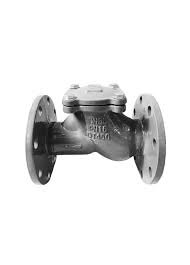
Check valves are essential components that allow fluid to flow in only one direction. The valve opens when fluid pressure pushes in the right direction. If the pressure reverses – for example, due to a pump shutting off or a system malfunction – the valve automatically closes. This prevents backflow, protecting pumps, pipelines, and other equipment from damage.
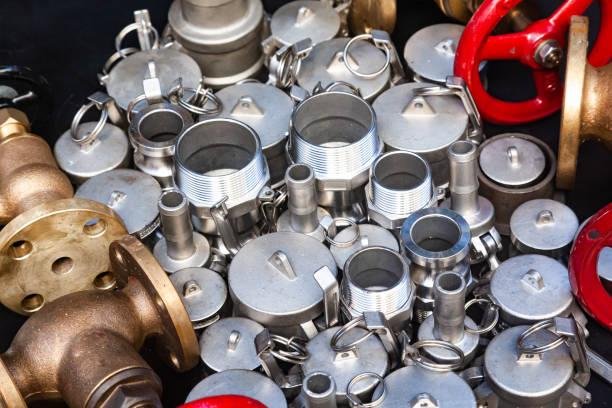
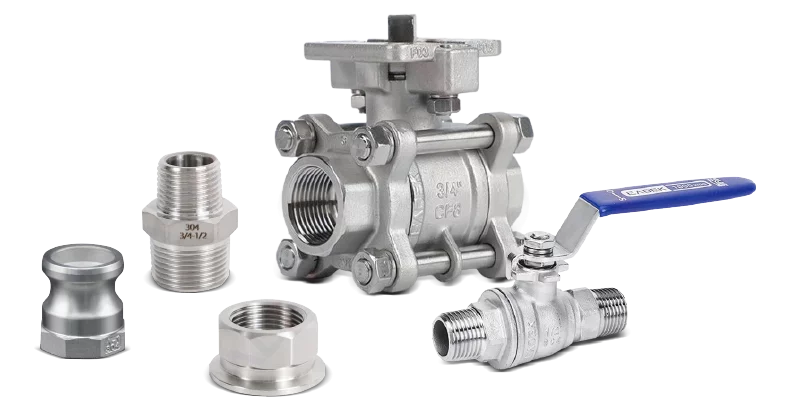
Here is a comprehensive selection of industrial valves, including check valves.
Por que aço inoxidável?
Check valves are made from stainless steel because it’s resistant to rust and high temperatures. It pays off over time for businesses that cannot afford unexpected shutdowns.
Also, in industries like food processing, pharmaceuticals, and water treatment, high-grade stainless steel ensures production meets safety and hygienic standards.
Furthermore, stainless steel is a better long-term choice. Not only is it designed to last for decades, but stainless steel products are also 100% recyclable, with about 60% of each item made from recycled material.
To get a better idea of why stainless steel is the best option, refer to the table below.
| Recurso | Aço inoxidável | Aço carbono | Plastic/PVC | Bronze/Brass |
| Desempenho | Very strong, resists corrosion, handles high pressure and temperature | Strong but prone to rust and scale in harsh environments | Good for low-pressure, non-corrosive applications. | Good corrosion resistance in water systems; moderate pressure/temperature tolerance. |
| Lifespan | 20 – 50 years with little maintenance | 10–20 years depending on the environment and coating. | 5–15 years; shorter if exposed to UV, heat, or chemicals | 15–30 years, but wears faster with abrasive fluids. |
| Cost (upfront) | Higher initial cost. | Moderate, cheaper than stainless. | Lowest cost, budget friendly | Mid-range, more expensive than iron but cheaper than stainless. |
| Cost (Long term) | Lower, due to durability and low replacement needs. | Higher, due to corrosion, repairs, and replacements | Higher, because of frequent replacements. | Moderate; requires occasional replacement in demanding applications. |
Industrial Applications of Stainless Steel Check Valves
Stainless steel check valves are used in many industries to control fluid flow and protect systems from backflow damage.
Chemical Processing & Manufacturing
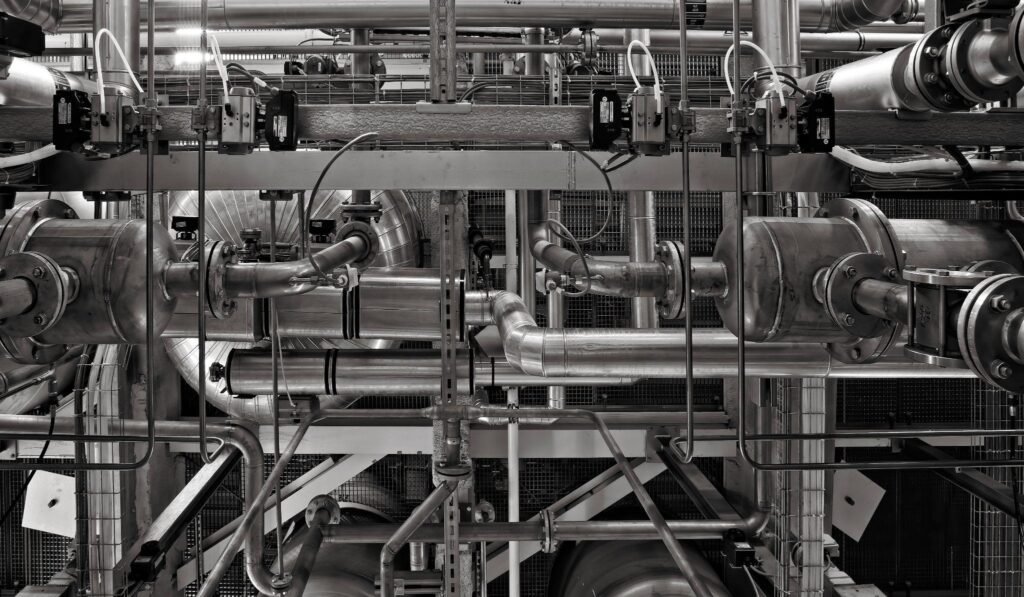
In chemical plants, these valves prevent backflow that could mix hazardous substances or damage equipment. They are built to withstand tough chemicals without corroding.
In a solvent recovery system, for example, a check valve keeps solvents moving in the right direction and prevents them from contaminating waste streams.
For more on this, read about the role of stainless steel valves in chemical processing.
Water & Wastewater Management
These valves protect public health by stopping contaminated water from flowing back into the clean supply. Stainless steel helps prevent rust and wear – common problems in these environments – so the system keeps running.
For instance, during a power outage, a stainless steel check valve quickly shuts to stop wastewater from backing up and spilling into public areas. In irrigation systems, it also keeps dirty well water from mixing with clean sources.
Oil, Gas, and Petrochemicals
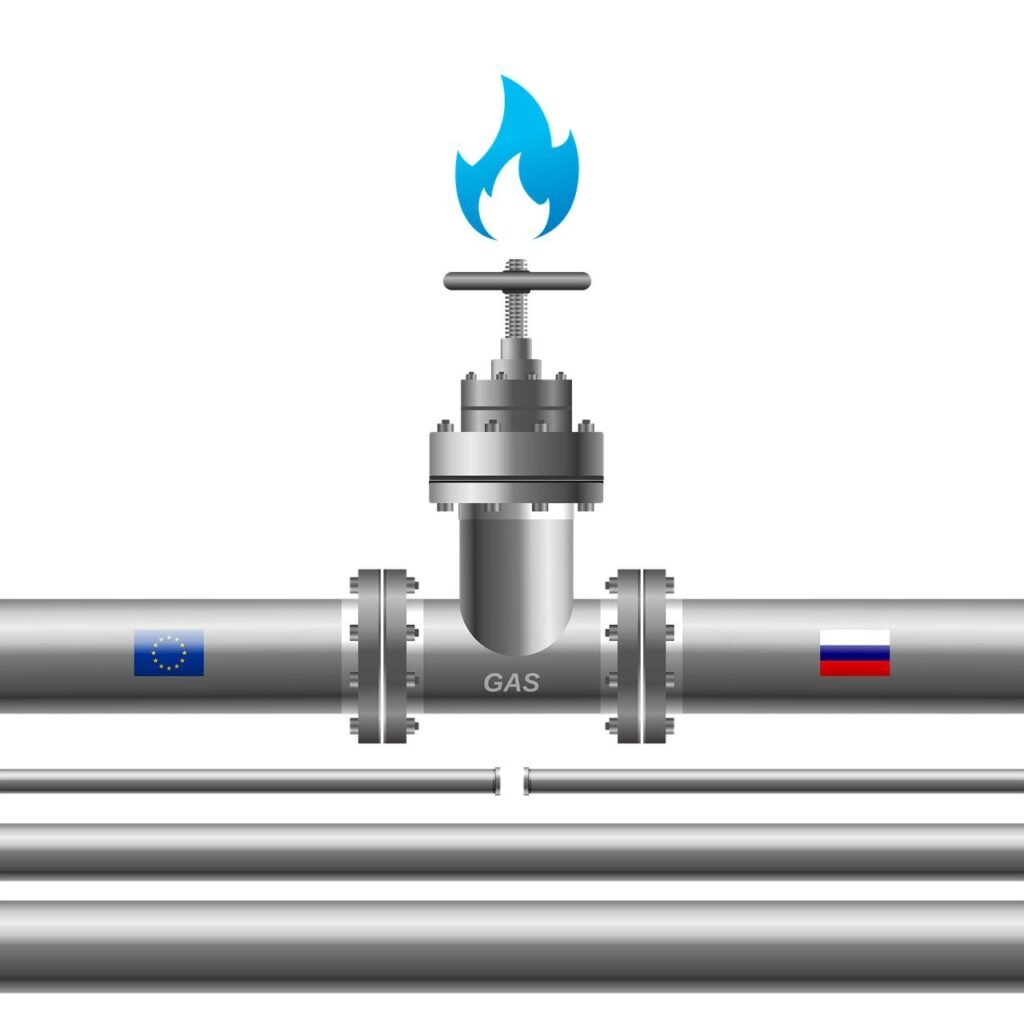
The oil and gas industry relies on these valves because they can withstand extreme pressure and heat, keeping pipelines safe. You’ll find them in refineries and offshore platforms, where they stop the backflow of flammable liquids and gases.
The use of high-quality stainless steel check valves prevents major problems. A government report linked one valve failure to a major leak that shut down a plant for over two months. Using stainless steel would have prevented that.
With energy demand rising in developing countries, the global network of pipelines is expected to expand by 2030. To keep supply flowing safely, companies are investing in durable components like stainless steel check valves.
Food, Beverage & Pharmaceutical Manufacturing
Hygiene is very important in these industries, and stainless steel check valves are used because they are easy to clean and do not rust easily. They are often made with polished finishes to prevent bacterial growth and keep products pure.
During food and beverage processing, these valves ensure ingredients move in the right direction, preventing cross-contamination between different product lines.
In a pharmaceutical plant, a check valve might be used in a purified water loop to ensure sterile water flows correctly, helping to keep medicines pure and safe for consumers.
Expert Advice – Recommendations When Choosing Check Valves
While stainless steel has many benefits, you need to match the valve to your specific application. The right choice can save you from costly downtime and safety risks.
Here’s how to pick the best fit for your system.
Choose the one appropriate for your project
There are different types of check valves you can use for your project. The most suitable valve depends on your system’s design and operating conditions. Each type has its benefits and limitations.
- Swing Check: This valve uses a hinged disc that swings open when the flow moves forward, causing minimal pressure loss. It’s best for low-velocity systems because it doesn’t cause much pressure loss. The downside is that it needs more space and, in some cases, can cause “water hammer” – a sudden banging or pressure surge in the pipes that happens when the valve closes abruptly
- Lift Check: This valve uses a disc or piston that lifts to allow flow. It can be shut firmly and works well in high-pressure, fast-flow systems with steady flow, such as those used for steam or gas.
- Ball Check: The Válvula de retenção de esfera is simple and uses a ball that lifts to allow flow. It has a self-cleaning effect as the ball moves, making it a low-maintenance option for different media, including viscous fluids and slurries.
- Diaphragm Check: Using a flexible diaphragm, this valve is useful in systems where hygiene matters, like food, beverage, or pharmaceutical processes. It withstands corrosion well but isn’t the best option for high-pressure systems. You can learn more about its features here.
Consider Material Compatibility
While stainless steel is a durable material, not all grades perform the same. Pairing it with the wrong metal in a wet or harsh environment can cause galvanic corrosion, causing early wear.
Therefore, selecting the correct grade of stainless steel for your system is important.
Grade 316 stainless steel contains molybdenum, giving it better resistance to chlorides and aggressive chemicals than Grade 304. This makes 316 a preferred option for marine and chemical environments.
Case Study: Cast Iron Valve Failure from Galvanic Corrosion
While we have explored the effects of using the wrong material, here’s a real-life example of what can happen:
In a steam condensate system, a cast iron valve was installed in a stainless steel (AISI 304) pipe, right next to a copper heat exchanger.
Because these metals have very different electrical potentials, the cast iron corroded much faster than expected. Over time, the iron dissolved and left behind a weak, porous shell.
This case shows that understanding your environment and picking the right material is vital for safety and lasting performance. You can read the full report here.
Choose a Reliable Manufacturer
A valve is only as good as the company behind it. Even the best design won’t last if the materials used in the manufacturing are poor. That’s why it’s worth paying attention to who you buy from.
Here are two key things to look for in a manufacturer:
- Certifications: Check that their valves meet international standards such as API, ISO, or ASME. These stamps of approval show the valves have been properly designed, tested, and proven safe. For food and pharmaceutical use, FDA certification is essential. And if your system involves corrosive or sour gas, NACE certification is a must.
- Beyond the Valve: The best manufacturers don’t just hand over a product; they offer technical support, tailored solutions, and warranties. Having that kind of support means less stress for you and a system you can count on for years.
To prevent future problems, find a manufacturer that offers partnership, not just a product. Procamlock specializes in high-quality stainless steel valves and fittings, providing reliable products and long-term support to ensure your systems run efficiently.
Installation and Maintenance Tips for Best Performance
Proper installation and maintenance are required to ensure a check valve’s long-term performance and safety. Here are tips to get the most out of your system.
Understand Pressure and Flow
Before you install anything, you need to understand a few basic terms, like:
- O pressure rating: this is the maximum pressure a valve can safely handle.
- O cracking pressure: the minimum upstream pressure needed to open the valve and allow fluid to pass.
- O flow rate: the volume of fluid moving through the valve over time.
Ensure the valve you are using meets the pressure rating and flow rating of your system. This will help you ensure your system operates within its safe limits.
Installing Your Valve
When installing a check valve, confirm the flow direction – the arrow on the body shows the correct orientation. Position it as required (horizontal or vertical) since some designs allow only one. Before connecting, clean the pipeline to prevent debris from damaging the valve or blocking flow.
Maintenance Basics
Check valves need little maintenance, but regular inspections help them last longer and cut down on stoppages. Look for leaks, rust, or fatigue, and listen for unusual sounds such as chattering or whistling that may point to parts wearing out.
Global Market and Supply Chain Trends for 2025
The demand for stainless steel check valves is increasing because industries are growing and older infrastructure is being replaced. Also, new safety and environmental rules are pushing companies to choose stronger and longer-lasting components.
According to a recent DataIntelo report, the stainless steel valves market is expected to reach USD 21.3 billion by 2032.
Another industry analysis states that the global industrial valves market could reach about USD 93.64 billion in 2028 because of growth in developing regions and stricter safety rules. The Asia market is projected to dominate the market with countries like China and India taking the lead.
Supply Chain Challenges
But the growth also comes with challenges. Steel prices keep rising and falling, and shipping delays are still a problem. Both can push up costs and throw off project schedules. That’s why sourcing from reliable manufacturers with local support is becoming more important for avoiding delays and quality issues.
Conclusão
Unplanned downtime doesn’t just interrupt operations—it drains resources, inflates maintenance costs, and reduces overall efficiency. This is particularly important because maintenance inefficiency can cost your company up to four times more than necessary. Plants with poor efficiency may spend $400 million a year compared to $100 million at well-run sites. So, invest in durable parts so you can reduce downtime and cost.
Stainless steel check valves play a vital role in keeping systems running smoothly, especially in industries where reliability is non-negotiable. By choosing durable, corrosion-resistant components, you safeguard your plant against costly inefficiencies and unexpected failures.
For companies that want more than just a supplier, the key is finding a partner committed to performance and long-term value. Procamlock delivers high-quality stainless steel valves and fittings backed by expertise and customer-focused support—helping you reduce downtime, cut costs, and achieve lasting operational success.
Perguntas frequentes
How can I fix a check valve stuck open or closed?
Most times, a stuck valve is caused by debris. A professional can fix this by flushing the system or disassembling and cleaning the valve. If that doesn’t help, the valve or its parts may need to be replaced.
What’s the difference between a check valve and a gate valve?
A check valve works automatically, letting fluid flow only one way. A gate valve is manual and uses a disc to fully open or close the flow, like an on/off switch.
How does cracking pressure affect my system?
Cracking pressure is the minimum pressure needed to push a check valve open. If your system pressure is below this level, the valve stays closed, which can restrict flow and cause performance issues.
How long do stainless steel check valves usually last?
A good stainless steel check valve can last decades – often 20 to 50 years or more. They have such a long life because the material is strong and resists rust.
Are stainless steel check valves suitable for high-temperature steam applications?
Yes. Certain stainless steel grades are designed to handle high-temperature steam. They resist both corrosion and thermal stress, keeping the system safe for years.
How do I know which grade of stainless steel is best for my industry?
The best grade depends on the specific environment, temperature, and chemicals involved. Grade 316 is often used in harsh conditions like chemical plants or marine systems, while Grade 304 is common for general use. The safest option is to confirm with a material specialist.
Can valves be customized for special systems or sizes?
Yes, many manufacturers offer custom solutions for unique systems. They can adjust size, pressure rating, or materials to match your exact system requirements.
Where can I buy stainless steel check valves in bulk for export?
For bulk export, it’s best to go through known manufacturers with established global logistics. Companies like ProCamLock supply stainless steel check valves worldwide, ensuring quality standards and smooth delivery.





 Portuguese (Portugal)
  English
  Danish
  German
  Spanish
  Japanese
  Korean
  French
  Polish
  Portuguese (Brazil)
  Russian
  Swedish
  Norwegian
  Finnish
  Thai
Thai  Vietnamese
  Chinese
  German (Austria)
  Arabic