Talvez você já tenha algum conhecimento sobre válvulas de aço inoxidável, então hoje vamos aprender mais sobre seu papel em diversos setores. Neste artigo, você conhecerá alguns casos de aplicação de válvulas de aço inoxidável nas indústrias química, petrolífera, alimentícia e de bebidas, para que possa aplicá-las melhor ao seu setor.
Características e vantagens das válvulas de aço inoxidável
A matéria-prima das válvulas de aço inoxidável é o aço inoxidável. O aço inoxidável possui excelente resistência à corrosão e pode manter um estado estável na maioria dos ambientes corrosivos e em contato com substâncias corrosivas. Além disso, o aço inoxidável também é muito durável e possui uma longa vida útil, portanto, o custo de manutenção é relativamente baixo.
As válvulas de aço inoxidável herdam naturalmente essas excelentes propriedades. Em ambientes e sistemas de alta temperatura e alta pressão, as válvulas de aço inoxidável também podem manter um bom estado operacional para garantir a segurança e a estabilidade da operação.
Existem muitos tipos de válvulas de aço inoxidável, incluindo válvulas de esfera, válvulas borboleta, válvulas de retenção e outros tipos de válvulas, que são populares em muitos setores e aplicações.
Indústria química
O sistema de tubulação da indústria química transporta e armazena as substâncias e produtos químicos mais corrosivos, como ácidos, álcalis e cloro, portanto, a resistência à corrosão das válvulas é muito importante. Uma válvula de aço inoxidável com excelente resistência à corrosão é, sem dúvida, uma ótima escolha na indústria química e pode desempenhar um papel fundamental. Válvulas de esfera e válvulas de bloqueio são comumente utilizadas no sistema de tubulação dessa indústria.
Os fluidos corrosivos ou produtos químicos transmitidos e armazenados basicamente não reagirão quimicamente com válvulas de aço inoxidável, afetando a eficiência da transmissão; ao mesmo tempo, as válvulas de aço inoxidável não serão afetadas e corroídas por essas substâncias corrosivas, ameaçando a segurança do sistema de tubulação.
Portanto, no sistema de tubulação da indústria química, o uso de válvulas de aço inoxidável pode garantir a eficiência da operação do sistema, evitar danos e poluição do sistema e prolongar a vida útil do sistema.
Indústria do Petróleo
O papel das válvulas de aço inoxidável na indústria petrolífera é principalmente na área de refino de petróleo. O processo de refino de petróleo produz muitas substâncias altamente corrosivas, e o ambiente e o sistema durante o refino ficam expostos a altas temperaturas e altas pressões por um longo período, o que é extremamente extremo e severo. A alta resistência à corrosão e à resistência à corrosão das válvulas de aço inoxidável permite que elas operem suavemente em ambientes tão severos, garantindo a estabilidade e a segurança do sistema de refino de petróleo.
Ao mesmo tempo, no processo de refino de petróleo, é gerada uma grande quantidade de efluentes industriais, que contêm substâncias altamente corrosivas e nocivas. Essas águas residuais e fluidos precisam de válvulas de aço inoxidável para regular e controlar, a fim de garantir a segurança do processo de refino de petróleo e os bons resultados do tratamento de efluentes. No sistema de armazenamento de petróleo, as válvulas de aço inoxidável podem ser ajustadas e controladas em tempo hábil, o que também contribui para melhorar a eficiência do armazenamento de petróleo.
Indústria de Alimentos e Bebidas
Os requisitos para válvulas no sistema de tubulação da indústria de alimentos e bebidas são muito mais rigorosos do que em outros setores. Antes de tudo, elas devem ser higiênicas e limpas. Como a indústria transporta e armazena substâncias ou fluidos relacionados a alimentos e bebidas, elas são facilmente contaminadas e deterioradas pela poluição externa. Portanto, é inevitável escolher válvulas com altos padrões de higiene.
As válvulas de aço inoxidável possuem excelentes características de higiene e limpeza, garantindo a ausência de toxicidade, e são muito adequadas para uso em sistemas de tubulação da indústria alimentícia e de bebidas. Além disso, as válvulas de aço inoxidável também são muito convenientes para manutenção e substituição, além de serem muito fáceis de limpar, tornando-as ideais para operação em sistemas de tubulação com altos requisitos de higiene.
Portanto, no sistema de tubulação da indústria de alimentos e bebidas, é uma escolha muito inteligente escolher válvulas de aço inoxidável para regular e controlar fluidos e substâncias internas. As válvulas de aço inoxidável mais comumente utilizadas são principalmente válvulas borboleta sanitárias, válvulas esfera sanitárias, etc.
Indústria Farmacêutica
O sistema de tubulações da indústria farmacêutica também possui altos padrões de higiene. A fabricação de produtos farmacêuticos em si é um processo muito delicado e rigoroso, portanto, não é surpresa que existam requisitos de higiene. Portanto, a escolha das válvulas deve ser mais criteriosa, pois, caso contrário, pode afetar a qualidade do medicamento líquido finalizado e produzir produtos defeituosos.
Portanto, válvulas de aço inoxidável com bons padrões de higiene e limpeza tornaram-se uma boa escolha. Excelentes padrões de higiene e limpeza permitem que as válvulas de aço inoxidável desempenhem um papel fundamental no sistema de tubulação da indústria farmacêutica e garantam o bom andamento da fabricação farmacêutica. Além disso, a vedação das válvulas de aço inoxidável é excelente, o que pode evitar vazamentos ou contaminação de medicamentos líquidos.
Indústria de Tratamento de Água e Esgoto
No setor de tratamento de água e esgoto, são geradas muitas águas residuais e esgotos, que contêm muitas substâncias nocivas e corrosivas. Nesse contexto, é necessária uma válvula com excelente desempenho para controlar, regular e desviar essas substâncias e fluidos, evitando afetar outros sistemas de tratamento de água e esgoto, reduzindo ou destruindo o efeito do tratamento.
Válvulas de aço inoxidável possuem excelente resistência à corrosão e ainda conseguem manter um desempenho estável sob a influência dessas substâncias nocivas e corrosivas. Portanto, são muito adequadas para desempenhar seu papel aqui.
Ao lidar com águas residuais e esgotos de diferentes qualidades de água gerados pelo sistema de tratamento de água, as válvulas de aço inoxidável podem ser controladas e ajustadas de forma muito estável para garantir a eficiência do tratamento de água.
No sistema de dessalinização, as válvulas de aço inoxidável também desempenham um papel importante. Elas regulam eficazmente a água e outros fluidos de diferentes qualidades, separados pela dessalinização, e não são corroídos por substâncias corrosivas presentes na água do mar, garantindo a conclusão tranquila da dessalinização.
Conclusão
Os casos acima são alguns casos comuns de aplicação de válvulas de aço inoxidável na indústria. Você pode determinar se precisa aplicar válvulas de aço inoxidável com base no seu setor e sistema.
Após a leitura deste artigo, você poderá perceber claramente a ampla aplicação das válvulas de aço inoxidável. Elas desempenham um papel importante em diversos setores e apresentam excelente desempenho. São uma das melhores opções para sistemas de tubulação.
As válvulas hidráulicas são frequentemente tratadas como componentes individuais selecionados tardiamente no processo de projeto. Em ambientes industriais, no entanto, essa abordagem geralmente leva a um desempenho instável, consumo excessivo de energia e tempo de inatividade inesperado. Na realidade, As válvulas hidráulicas são pontos de decisão em nível de sistema. que afetam diretamente a produtividade, a confiabilidade e o custo operacional total.
Este guia explica as válvulas hidráulicas de um ponto de vista técnico. perspectiva B2B industrial, ajudando engenheiros e tomadores de decisão a entender como as válvulas funcionam em sistemas hidráulicos, como selecioná-las corretamente e como escolhas inadequadas de válvulas impactam as operações a longo prazo.
Por que as válvulas hidráulicas determinam o desempenho, o custo e o tempo de inatividade do sistema em operações industriais?
Em ambientes industriais, o tempo de inatividade não planejado raramente é causado por uma única falha catastrófica. Mais frequentemente, resulta da degradação gradual do desempenho — superaquecimento, instabilidade de pressão ou movimento inconsistente. Em muitos casos, As válvulas hidráulicas são a causa principal..
As válvulas hidráulicas controlam como a energia é distribuída, limitada e redirecionada em todo o sistema hidráulico. Quando as válvulas são inadequadas para a aplicação, as consequências incluem:
Aumento das perdas de energia e da geração de calor.
Precisão e repetibilidade da máquina reduzidas
Desgaste acelerado de bombas, vedações e atuadores
Maior frequência de manutenção e consumo de peças de reposição
Para fabricantes de equipamentos originais (OEMs) e operadores industriais, a seleção de válvulas não é apenas uma escolha técnica, mas também uma decisão estratégica. Decisões de negócios que afetam o custo do ciclo de vida e a confiabilidade operacional..
O que são válvulas hidráulicas? — Uma perspectiva industrial
Em um nível básico, as válvulas hidráulicas regulam pressão, fluxo e direção de fluido hidráulico. De uma perspectiva industrial, essa definição é incompleta.
Em aplicações reais, as válvulas hidráulicas funcionam como:
Dispositivos de gerenciamento de energia, controlando como a energia é transmitida e dissipada
Limites de segurança, prevenindo sobrecarga e danos ao sistema
Elementos de lógica de controle, determinando a sequência de movimentos e a capacidade de resposta
Diferentemente dos exemplos de laboratório ou educacionais, os sistemas hidráulicos industriais operam sob cargas variáveis, riscos de contaminação, flutuações de temperatura e ciclos de trabalho contínuos. As válvulas hidráulicas devem funcionar de forma confiável nessas condições, mantendo um comportamento previsível ao longo do tempo.
Como funcionam as válvulas hidráulicas em sistemas hidráulicos industriais
Um sistema hidráulico deve ser avaliado como um circuito integrado: bomba, válvulas, atuadores, fluido e controles. As válvulas hidráulicas estão no centro desse circuito.
Em sistemas hidráulicos industriais, as válvulas influenciam:
Eficiência da bomba determinando a demanda de pressão e os caminhos do fluxo
Comportamento do atuador controlando a velocidade, a força e a estabilidade do movimento.
equilíbrio térmico através de perdas por estrangulamento e vazamento interno
Limpeza do sistema definindo a sensibilidade à contaminação e os requisitos de filtração
Selecionar uma válvula com base apenas na pressão nominal e na vazão ignora essas interações. Na prática, a seleção inadequada da válvula geralmente transfere as ineficiências para outras partes do sistema, aumentando o consumo de energia ou reduzindo a vida útil dos componentes.
Tipos de válvulas hidráulicas utilizadas em equipamentos industriais
Em vez de listar os tipos de válvulas apenas pelo nome, é mais útil classificá-las por função em máquinas industriais.
Válvulas de Controle de Pressão — Gerenciando Riscos e Conformidade
As válvulas de controle de pressão definem os limites máximos de operação de um sistema hidráulico. Exemplos comuns incluem válvulas de alívio, válvulas redutoras de pressão e válvulas sequenciais.
Em ambientes industriais, essas válvulas são essenciais para:
Proteção de estruturas mecânicas e atuadores
Prevenção de condições de sobrecarga durante eventos transitórios
Apoiar o cumprimento das normas de segurança e de máquinas.
Configurações de pressão incorretas ou projetos de válvulas inadequados geralmente levam ao superaquecimento crônico e à redução da eficiência do sistema, em vez de falhas imediatas.
Válvulas de controle de fluxo — Equilibrando produtividade e eficiência energética
As válvulas de controle de fluxo regulam a velocidade do atuador e a suavidade do movimento. Em equipamentos de produção industrial, a estabilidade da velocidade é frequentemente tão importante quanto a produtividade máxima.
As principais considerações incluem:
Perdas por estrangulamento e seu efeito no consumo de energia
Variações de velocidade induzidas pela carga
Interação com circuitos compensados por pressão
Estratégias inadequadas de controle de fluxo podem resultar em tempos de ciclo inconsistentes, redução da qualidade do produto e geração excessiva de calor.
Válvulas de controle direcional — possibilitando uma lógica de máquina confiável
As válvulas de controle direcional determinam a sequência e a lógica do movimento da máquina. Elas são essenciais para uma operação repetível e previsível.
Em sistemas industriais, a seleção de válvulas direcionais afeta:
Nível de automação e precisão de controle
Tempo de resposta e confiabilidade de comutação
Integração com controles elétricos e eletrônicos
Com o aumento da complexidade das máquinas, as válvulas direcionais tornam-se uma interface fundamental entre a potência mecânica e a lógica de controle.
Como selecionar válvulas hidráulicas para aplicações industriais B2B
A seleção de válvulas em contextos industriais deve ser baseada em requisitos de aplicação em vez de otimização de catálogo.
Critérios técnicos essenciais que os engenheiros avaliam (além das classificações de catálogo)
Engenheiros experientes vão além das especificações nominais e avaliam fatores como:
Pressão operacional real versus pressão nominal
Ciclos de trabalho contínuos versus intermitentes
Vazamento interno e seu efeito na precisão de retenção
Tolerância à contaminação e estratégia de filtração
Características de resposta sob cargas variáveis
Ignorar esses parâmetros geralmente resulta em sistemas que tecnicamente funcionam, mas apresentam desempenho ruim ao longo do tempo.
Fatores operacionais que as equipes de compras devem considerar
Do ponto de vista de compras e operações, as decisões relativas às válvulas hidráulicas influenciam a estabilidade dos custos e do fornecimento a longo prazo. Fatores importantes incluem:
Custo total de propriedade em vez de preço unitário
Disponibilidade e padronização de peças de reposição
Consistência nos prazos de entrega ao longo dos ciclos de produção.
Compatibilidade com os sistemas e práticas de manutenção existentes
Alinhar os requisitos de engenharia com as restrições de aquisição é essencial para operações industriais sustentáveis.
Falhas comuns em válvulas hidráulicas industriais — e suas causas principais
Em muitos ambientes industriais, as falhas em válvulas são sintomas, e não as causas principais. Problemas comuns incluem:
Geração excessiva de calor causada por perdas de estrangulamento
Movimento instável do atuador devido a incompatibilidades de fluxo
Desgaste prematuro resultante da sensibilidade à contaminação
Ruído e vibração associados à instabilidade de pressão
Na maioria dos casos, esses problemas têm origem em Seleção inadequada de válvulas ou integração de sistemas inadequada, não devido a defeitos de fabricação.
Considerações específicas de aplicação para válvulas hidráulicas
Diferentes setores industriais impõem exigências distintas às válvulas hidráulicas.
Equipamentos de fabricação e automação
Esses sistemas priorizam precisão, repetibilidade e integração com controles eletrônicos. A consistência das válvulas e a previsibilidade de resposta são cruciais.
Construção e Maquinaria Pesada
As válvulas devem suportar cargas de choque, contaminação e condições operacionais variáveis, mantendo a confiabilidade em ambientes agressivos.
Sistemas hidráulicos móveis
Design compacto, eficiência sob carga parcial e gerenciamento térmico tornam-se critérios de seleção essenciais devido às restrições de espaço e energia.
Compreender esses requisitos específicos da aplicação evita a escolha de válvulas genéricas que comprometem o desempenho.
Tendências da indústria que afetam a seleção de válvulas hidráulicas
Diversas tendências estão remodelando a forma como as válvulas hidráulicas são especificadas em sistemas industriais:
Aumento do foco em eficiência energética e redução de calor
Integração de controle eletro-hidráulico e proporcional
Maior ênfase em otimização em nível de sistema em vez de substituição de componentes
Expectativas crescentes em relação à capacidade de diagnóstico e à transparência operacional.
Essas tendências reforçam a importância de considerar as válvulas hidráulicas como parte de uma estratégia de controle integrada, em vez de componentes isolados.
Conclusão: As válvulas hidráulicas são uma decisão estratégica de engenharia.
Em aplicações industriais, as válvulas hidráulicas influenciam muito mais do que a direção do fluido ou os limites de pressão. Elas moldam a eficiência, a confiabilidade, a segurança e o custo operacional do sistema ao longo de todo o ciclo de vida do equipamento.
Tratar as válvulas hidráulicas como elementos estratégicos do sistema — em vez de componentes intercambiáveis — permite que fabricantes de equipamentos originais (OEMs) e operadores reduzam o tempo de inatividade, controlem o consumo de energia e alcancem um desempenho consistente da máquina.
Os fabricantes costumam ser céticos na escolha de válvulas criogênicas. Às vezes, preocupam-se com o desempenho, a durabilidade, as normas ou até mesmo a segurança da válvula. Ao contrário de outros setores e aplicações, os ambientes criogênicos têm exigências específicas que devem ser atendidas, caso contrário, os riscos podem ser muito significativos. As válvulas criogênicas de aço inoxidável são preferidas nesse caso, pois conduzem melhor líquidos e gases criogênicos e possuem excelente resistência à corrosão, reduzindo, entre outras vantagens, essas preocupações.
No entanto, tudo isso vem com uma ressalva. Se suas válvulas não foram projetadas para serviços criogênicos, pequenas falhas podem rapidamente se transformar em grandes problemas. O mercado global de válvulas criogênicas foi avaliado em US$ 3,63 bilhões em 2024 e a projeção é de que alcance US$ 5,3 bilhões até 2030, impulsionado por projetos de GNL e hidrogênio. Portanto, é fundamental escolher as válvulas criogênicas adequadas. Para selecionar uma válvula de aço inoxidável para gases liquefeitos ou qualquer aplicação criogênica, é preciso considerar o tipo de válvula, o design, os materiais, os componentes e as normas. Aqui, explicamos os diferentes tipos de válvulas criogênicas, quando e como usá-las, os materiais de aço inoxidável utilizados em sua produção e as perguntas que você deve fazer antes de comprar.
A Procamlock é uma fabricante OEM/de marca própria confiável de todos os tipos de válvulas criogênicas de aço inoxidável. Entre em contato conosco para discutirmos a melhor opção para sua indústria ou empresa.
O que são válvulas criogênicas e como elas funcionam?
As válvulas criogênicas são um tipo de válvula que controla o fluxo de fluidos a temperaturas extremamente baixas (tipicamente abaixo de -100 °C ou -148 °F). Elas são usadas para armazenar e transportar grandes volumes de gases que foram resfriados ao estado líquido, como nitrogênio líquido, metano e oxigênio. Essas válvulas utilizam projetos e materiais especializados para evitar vazamentos, rachaduras, congelamento e outros riscos industriais que as válvulas comuns não suportam. Sabendo como gases como o oxigênio se comportam, mesmo pequenos vazamentos podem causar incêndios, daí a necessidade de cautela.
Os metais comportam-se de maneira diferente em baixas temperaturas e, considerando as temperaturas extremamente baixas exigidas para aplicações criogênicas, os materiais utilizados devem ser capazes de suportar tais temperaturas. Em temperaturas muito baixas, o aço inoxidável austenítico mantém sua resistência, ao contrário do aço carbono, que pode se tornar quebradiço. Além disso, a expansão térmica dos metais em volumes confinados pode ser um fator complexo; no entanto, o projeto da válvula e o aço inoxidável austenítico utilizados neste caso são adequados para esses líquidos criogênicos.
Tipos de válvulas de aço inoxidável para serviço criogênico
Em sistemas criogênicos industriais (GNL, LOX, LH2, etc.), são utilizados diversos modelos de válvulas criogênicas, cada um adaptado com materiais de aço inoxidável e características específicas para operação em baixas temperaturas. Entre eles, podemos citar:
Válvulas de esfera criogênicas em aço inoxidável
Uma válvula de esfera criogênica é uma válvula de fechamento rápido, especialmente projetada para operar em temperaturas muito baixas, como as encontradas em gases liquefeitos (GNL, oxigênio líquido, nitrogênio líquido, hidrogênio líquido). Dentro da válvula, há uma esfera com um orifício. Quando o orifício se alinha com o tubo, o fluido flui; quando a esfera gira 90°, o orifício é bloqueado e o fluxo é interrompido. A maioria das válvulas de esfera criogênicas é fabricada em aço inoxidável austenítico (como 304L, 316L ou ASTM CF8/CF8M), e a haste é mantida afastada do fluido frio por uma longa coluna. Dessa forma, a gaxeta e as vedações permanecem aquecidas e não congelam.
Se o líquido ficar preso ao redor da esfera e aquecer, a pressão interna pode aumentar repentinamente. Felizmente, as válvulas de esfera criogênicas de aço inoxidável geralmente possuem pequenas portas de alívio para que o fluido preso possa ser liberado com segurança. A haste e as vedações são projetadas para serem muito resistentes, de modo que não quebrem ou vazem em baixas temperaturas. Válvulas de esfera criogênicas de 3 vias Alguns possuem atuadores pneumáticos/elétricos para desligamento remoto, enquanto outros são manuais.
Válvulas de esfera de aço inoxidável São utilizados em sistemas criogênicos porque permitem o desligamento rápido do sistema com apenas um quarto de volta. São comumente usados em linhas de tanques, descarregamento de caminhões e trechos de dutos onde é necessário um isolamento rápido e confiável.
Válvulas de comporta criogênicas em aço inoxidável
Uma válvula de gaveta criogênica de aço inoxidável é uma válvula de bloqueio robusta que desliza para abrir diretamente através do tubo. Seu interior funciona como uma comporta que se levanta ao abrir e se abaixa ao fechar, bloqueando o fluxo de fluido através do tubo. Essa ação deslizante torna as válvulas de gaveta ideais quando se deseja pouca restrição de fluxo.
As válvulas de gaveta criogênicas fabricadas em aço inoxidável austenítico são seguras e confiáveis. Assim como outras válvulas criogênicas, a tampa mantém a gaxeta e as vedações afastadas do fluido frio, evitando seu congelamento. Algumas válvulas de gaveta possuem orifícios de alívio, modelos de passagem plena (inspecionáveis por pig), designs de sede dupla ou sedes ventiladas, permitindo que qualquer líquido retido entre a gaveta e a sede escape a montante, prevenindo o acúmulo perigoso de pressão. As válvulas de gaveta criogênicas de aço inoxidável proporcionam uma vedação muito estanque quando fechadas e uma queda de pressão mínima quando abertas, sendo comuns em saídas de tanques e manifolds de transferência. Geralmente, não são utilizadas para ciclos rápidos.
Válvulas globo criogênicas em aço inoxidável
Uma válvula globo criogênica é uma válvula linear de estrangulamento usada para controlar com segurança o fluxo de fluidos em baixas temperaturas. Quando a haste é girada, ela pressiona um disco (tampão) contra uma sede para iniciar, diminuir ou interromper o fluxo. O tampão (ou disco) se move para cima e para baixo para permitir a passagem de mais ou menos fluido, e essa ação de estrangulamento cria o fluxo desejado. válvulas globo Boas para controle de fluxo em tubulações menores. As válvulas globo criogênicas utilizam cabeçotes estendidos (como as válvulas gaveta) para manter a área de vedação da haste em temperaturas mais elevadas. As sedes geralmente são de metal ou ligas especiais para baixas temperaturas, garantindo uma vedação hermética. Diferentemente das válvulas gaveta, as válvulas globo introduzem maior perda de carga, mas permitem um ajuste preciso.
As válvulas globo criogênicas de aço inoxidável são a escolha ideal quando você precisa dosar, regular ou controlar o fluxo de fluidos criogênicos. Elas gerenciam as taxas de vaporização, a ventilação e a pressão em linhas de armazenamento ou de processo. Válvulas globo pequenas Proporcionam controle preciso a sensores e conexões de laboratório. Além disso, são utilizados em situações onde a liberação controlada de energia ou o desligamento gradual são mais seguros do que um liga/desliga repentino.
Válvulas de retenção criogênicas em aço inoxidável
As válvulas de retenção criogênicas de aço inoxidável permitem o fluxo unidirecional, impedindo o refluxo do fluido criogênico. Elas se abrem automaticamente quando o fluxo avança e se fecham por gravidade (ou mola) quando o fluxo para ou se inverte. válvulas de retenção Geralmente são fabricadas em aço inoxidável totalmente soldado (304 SS) para evitar vazamentos e instaladas verticalmente para que a gravidade auxilie no fechamento do disco em caso de fluxo reverso. As sedes e vedações são feitas de materiais como PTFE, que são flexíveis a -196 °C. Essas válvulas são projetadas para condições extremas (por exemplo, alguns modelos suportam temperaturas de até -269 °C para serviço com hélio).
Os modelos mais comuns incluem válvulas de retenção tipo swing, válvulas de retenção tipo lift e válvulas de retenção de placa dupla. Na prática, as válvulas de retenção criogênicas de aço inoxidável protegem os sistemas de tubulação (GNL, LH₂, He, Ar) contra refluxo ou golpe de aríete, contribuindo assim para a segurança e estabilidade do sistema.
Válvulas borboleta criogênicas em aço inoxidável
As válvulas borboleta utilizam um disco rotativo no caminho do fluxo para proporcionar um controle rápido de abertura e fechamento. As válvulas borboleta criogênicas geralmente são de alto desempenho/com deslocamento (duplo ou triplo) com sedes de metal ou grafite reforçado que garantem uma vedação hermética em baixas temperaturas. O disco e o corpo da válvula são frequentemente fabricados em aço inoxidável 316. Elas geralmente possuem um pescoço ou haste alongada para que o atuador ou a alavanca permaneça acima da zona fria (atuando como um escudo térmico). Essas válvulas são mais leves e curtas do que as válvulas gaveta ou globo, e exigem menos torque para acionamento.
Em termos simples, as válvulas borboleta criogênicas de aço inoxidável oferecem alta capacidade de vazão e construção relativamente simples. São mais leves, fáceis de usar e mais baratas do que outros tipos de válvulas. As válvulas borboleta são ideais para tubulações de grande diâmetro (até 24 polegadas ou mais), como braços de carregamento de GNL, linhas de entrada de tanques ou tubulações de transferência a granel, onde o espaço é limitado e é necessária alta capacidade de vazão.
Materiais de aço inoxidável utilizados em aplicações de válvulas criogênicas
O aço inoxidável austenítico é frequentemente usado na fabricação de válvulas criogênicas porque permanece resistente e dúctil em temperaturas muito baixas. Os aços austeníticos (como 304, 304L, 316, 316L) possuem uma estrutura cúbica de faces centradas (CFC) que não se torna comprometida ou quebradiça mesmo a temperaturas tão baixas quanto -196 °C (-320 °F). Na verdade, eles se tornam ainda mais resistentes à deformação em temperaturas mais baixas.
304 / 304L
316 / 316L
O aço inoxidável 304 é a opção normal e econômica, enquanto o 304L é a versão com baixo teor de carbono.
Estas são versões que contêm molibdênio, para maior proteção contra corrosão.
O aço 304L é frequentemente usado em peças soldadas na tentativa de evitar a precipitação de carbonetos nas zonas de aquecimento da solda.
Eles são geralmente aplicados em serviços de GNL, marítimos ou com gases contaminados.
In specialized cases (like liquid helium or highly corrosive streams), higher-Ni alloys (Inconel, Hastelloy, etc.) may be used. Alloys are typically specified per ASTM A351 (cast CF8/CF8M) or A743 (bimetallic disc) for cryogenic valves. Note that valves often list both the body and trim alloys.
Austenitics possess adequate ductility for cryogenic service; they “don’t just survive cryogenic service, they remain reliable”. But always ask for material test certificates (MTCs) so that you can check the exact grade and traceability before buying.
Components Of Stainless Steel Cryogenic Valves
Cryogenic stainless steel valves have a few key parts that keep them working in very cold environments.
Extended bonnet (or long stem column) is one of the most important parts. All stainless steel cryogenic valves have a long stem extension or bonnet. It creates a large warm “gas column” above the valve cavity so that the stem packing stays out of the cold zone. This prevents the gland from freezing and stops ice buildup that could seize the valve.
Cryogenic valve design codes (e.g., MSS SP-134 and BS 6364) mandate the extensions for service below –73 °C, and stems made as solid one-piece assemblies with no welds. This is because a solid stem is stronger and less likely to crack from thermal stress.
Another safety feature is vented or relief cavities. If liquid gets trapped inside a cavity and then warms, it can vaporize quickly and spike pressure inside the valve. Small relief holes or self-relieving seat paths let that gas escape safely. These reliefs are often placed on the upstream side and are sometimes marked by a tiny “T” on the stem to show the vent path.
Typical stem packing is PTFE or Grafoil. Valves for cryogenic applications often use outside-screw-and-yoke (OS&Y) stem designs so the moving parts remain accessible and protected.
Cryogenic Valve Applications
Cryogenic stainless steel valves are used in any industry that handles liquefied gases. These include:
LNG handling, including trains, liquefaction units, marine terminals and trucks loading or unloading fuel. Plus tip: Global operational LNG liquefaction capacity reached 494.4 MTPA at the end of 2024, increasing demand for cryogenic piping and valves.
In industries and hospitals, liquids like oxygen (LOX), nitrogen (LN₂), argon (LAR) and gases coming from air plants.
Petrochemical sites running low‑temperature steps such as ethylene cracking or ammonia synthesis.
Aerospace hydrogen projects that need liquefaction, tanks, trailers, fuel‑cell stations, onboard systems.
Bulk storage & distribution using insulated pipes, loading arms, manifolds and ships loads of LNG, LOX or LH₂.
Stainless steel’s corrosion resistance and weldability make it ideal for these aggressive fluids. Whether the cryogen is flammable (H₂, CH₄), oxidizing (O₂), or inert (He), high-grade austenitic alloys provide the strength, leak-tight sealing, and low-temperature performance needed for modern cryogenic service.
Standards and Testing for Cryogenic Valves
Cryogenic valves must meet a short list of hard standards. These are the rules that prove a valve was designed, built, and tested for very low temperatures.
BS 6364 and ISO 21011 cryogenic valve requirements: These standards define the design, materials, and low-temperature testing requirements for valves rated −40 °C and below.
MSS SP-134 cryogenic valves: It specifies the body/bonnet extension and fabrication details, including extended bonnets, seamless tubes, and welding notes. It helps ensure the valve is up to size and built with safe bonnet columns.
Cryogenic valve standards ASME 16.34: This is a general valve standard (materials, pressure-temperature ratings, marking) that also applies to cryogenic valves.
API 598 cryogenic valve testing: A valve inspection and testing standard including shell tests and seat leak tests. Cryogenic valves are usually tested per API 598 (or ISO 5208) at room temp and often tested cold (BS 6364 cold-testing is optional).
Leakage and emissions: ISO 15848-1 covers stem-seal performance for low emissions. Many cryogenic valve makers use API 624 or ISO 15848 packing for tight, low-leakage service.
Pressure equipment directive (PED 2014/68/EU): For valves sold in Europe, pressure-equipment directives and national rules (e.g., CE marking) apply.
Bonus Tip: You should insist on documented proof for any of these tests or standards.
Conclusão
Cryogenic valves often have venting, cavity relief, or extended bonnets to accommodate trapped volumes and operate at very low temperatures. Knowing how gases like oxygen work, even tiny leaks can cause a fire outbreak. Hence, every detail of a stainless steel cryogenic valve needs extra attention to prevent industrial hazards. Don’t buy on the label “cryogenic” alone. Ask for material test certificates (MTCs), documented cryogenic tests, and clear temperature-to-pressure tables. If you need a single source for cryogenic stainless steel valves and support, check out Procamlock’s stainless steel cryogenic valve product line. Follow the details in this article, and you’ll be far more likely to get valves that perform safely and reliably in cryogenic service.
Perguntas frequentes
What makes stainless steel suitable for cryogenic valves?
Austenitic stainless steels, such as 304/304L and 316/316L, are resistant to cracking at very low temperatures, they don’t corrode much, are easy to weld and still retain their tensile strength as the temperature drops. All of which is just what you need for handling liquid gases.
What is the difference between a cryogenic ball valve and a globe valve?
A ball valve is a quick, quarter-turn shutoff valve with very tight sealing, great for isolation. A globe valve is a linear valve used to throttle or control flow. Both need cryogenic valve features (extended bonnets, one-piece stems, special seats), but ball is better for fast shutoff and globe for precise control.
What industry standards apply to cryogenic stainless steel valves?
Well-known industry standards that apply to cryogenic stainless steel valves are BS 6364 and ISO 21011 for their design and testing, MSS SP-134 for the bonnet and extension fabrication, ASME B16.34 and API 598 for pressure ratings and testing, ISO 15848-1 for fugitive emissions, and PED/CE if you’re working in the EU.
What valves are used in cryogenic service?
Common valve types used in cryogenic applications are ball, gate, globe, check, butterfly, relief/safety valves, vacuum-jacketed valves, control/regulating valves, and specialty instrument valves.
What stainless steel is used for cryogenic service?
304/304L and 316/316L are the stainless steel types mostly used for cryogenic services. 304L is preferred for welded parts to avoid carbide issues while 316/316L contains molybdenum for better resistance in salty or oxygen-rich environments. Both remain tough at liquid-nitrogen and liquid-hydrogen temperatures.
Minor cracks and pits in deep oil rigs and offshore systems can quickly become major problems. A single riser leak can stop production and trigger costly inspections and repairs. And the routine maintenance and repeated part replacements can quietly push operating costs higher than most teams expect.
Metals behave very differently in seawater. But on the flip side, austenitic, duplex, and super duplex stainless steel grades form protective films that limit pitting and crevice corrosion. Duplex grades have higher strength and PREN values, so they resist chlorides and mechanical stress better than plain 316 stainless.
Failures in stainless steel used in offshore applications usually come from pitting, crevice corrosion, chloride stress-corrosion cracking (SCC), or microbiologically influenced corrosion. The right alloy helps, but so do good welding, post-weld treatment, crevice-free design, and regular inspection. Together, these steps cut downtime and total lifecycle cost.
Over here, we detailed the basics on stainless steel for offshore applications. The standards to demand (NORSOK, NACE/ISO) from steel pipe and fittings suppliers, welding and test checkpoints, and a short procurement checklist to specify and buy correctly. Procamlock is a trusted supplier of stainless steel grades used for offshore applications; get in touch so we can take you through the next steps in choosing and purchasing the right stainless steel for offshore systems.
Why Deep Sea Oil Rigs are Brutal to Metals
There are lots of vectors in deep sea environments that can quickly turn metals into trouble. Seawater contains high chloride levels that eat away at the metals. These chloride salts can break the thin chromium oxide film that covers the stainless steel. Once the film is breached, tiny pits form. At first, the pits are small, but over time, those pits act as stress risers that can crack open and grow into serious failures.
Deep sea oil rigs also face constant motion and pressure. This adds another layer of risk because waves, vibration, and temperature swings put some of the parts under repeated stress. Hence, any small pit or scratch is likely to grow faster due to corrosion fatigue. Overall, mechanical loading and corrosion together wear the parts out much quicker.
Small surface damages from handling or welding can also shorten metal life dramatically under these conditions. Therefore, regular inspection is important, especially for parts that are repeatedly loaded.
Marine biology and deposits make corrosion worse. Marine growth and biofilms trap salts, cut off oxygen in some spots, and host microbes that cause microbiologically influenced corrosion (MIC). The mud and scale create crevices and allow chloride concentration to occur, which internally attacks the metal.
Simply put, pitting, crevice corrosion, SCC, MIC, and corrosion fatigue in metals used in offshore applications result from the combination of seawater chemistry, variable oxygen supply, mechanical stress, fouling, thermal cycling, and bacteria. Therefore, you need the right stainless steel alloy, product design, qualified welding, and regular inspections for metals to survive in offshore setups.
How Stainless Steel in Offshore Applications Resists Corrosion
Stainless steel survives offshore setups because it forms a thin, protective layer that stops metal from reacting with seawater. That layer is a chromium-rich oxide called the passive film; it stops the metal beneath from reacting with salts in the water. The metal remains protected as long as the film is intact or enough chromium is in the alloy. But should the chlorides in seawater breach the film, little holes might develop and grow into bigger system issues.
Stainless steel becomes tougher in chloride solutions when molybdenum (Mo) and nitrogen (N) are added to it, since doing so strengthens its passive film. Consequently, alloys with more Mo and N are resistant to crevice attack and pitting far better than standard grades. Nickel (Ni) doesn’t stop pitting directly, but it makes the steel tougher and easier to weld; this is useful in components subjected to heavy loads or low temperatures. Put together, these elements explain why duplex and super-duplex steels outperform 316L in harsh marine conditions.
PREN (Pitting Resistance Equivalent Number) is what engineers use as a simple way of measuring pitting resistance. An ideal equation is PREN = %Cr + 3.3 × % Mo + 16 × % N. Higher PREN is equivalent to enhanced resistance to seawater pitting. As a rule of thumb, PREN = 32 is often the minimum target for seawater service, and PREN >40 gives a larger safety margin in very salty or aggressive spots. Remember, PREN is a helpful guide, but the fabrication, heat treatment, and design still matter.
Bottom line: Choose alloys on the basis of PREN and service conditions, not by name. On critical equipment, order ASTM G48 pitting tests, PMI upon delivery, and full MTC traceability before installation by you.
Common Stainless Steel Grades for Deep Sea Rigs
Below are the different grades of stainless steel in offshore applications and why engineers choose them:
Duplex Stainless Steel 2205 (S32205)
Many offshore projects use Duplex 2205 as the workhorse since it offers a good mix of strength and corrosion resistance. Having more chromium, molybdenum, and nitrogen than 300-series steels, it has better resistance against chloride attack and stress-corrosion cracking than 316L. The higher strength of this stainless steel grade used for offshore applications lets designers use thinner sections where appropriate, therefore reducing risers’ and platforms’ weight. With duplex stainless steel for offshore systems, welding must be controlled, and for critical pieces, a post-weld heat treatment may be required depending on the product and spec. Where both chloride exposure and mechanical load are concerns, 2205 duplex stainless steel is perfect for mid-water risers, pump skids, and subsea manifolds.
Super Duplex Stainless Steel 2507 (S32750)
Super duplex 2507 is the follow-up stage when chloride values or temperatures are quite high. It contains higher Cr, Mo, and N, giving it a much higher PREN and excellent protection against pitting and crevice corrosion in warm, salty water. That is the reason why designers select super duplex stainless steel for choke/kill lines, critical subsea piping, and highly salty environments. Of course, it is more costly and needs tighter welding control and heat treatment, but it typically cuts maintenance and replacement back in the long run.
316L / 317L (Austenitic Stainless Steel Grades)
Austenitic stainless steel grades are a straightforward and cheaper option for mild spots. 316L is a common stainless steel grade used for offshore applications due to its weldability and ability to withstand general corrosion and mild splash zones. 317L contains more molybdenum, so it resists pitting a little better than 316L. Neither 316L nor 317L corrosion-resistant austenitic stainless steels match duplex for chloride or SCC resistance, so it’s best to use them in lower-risk places like handrails, non-critical topside piping, or internal utility lines. For welded work, pick the low-carbon “L” versions to avoid weld-related grain boundary issues.
High-Nickel Stainless Steel Alloys (Inconel 625, 825, and Similar Options)
Nickel-based alloys like Inconel 625 or Alloy 825 are the best bet for the worst offshore conditions. Think of harsh acids, sour (H₂S) environments, very high temperatures, or places where even super duplex stainless steel would not fare well. They can sustain pitting, crevice corrosion, chloride SCC, and most chemical attacks, and maintain strength in high temperatures as well. The drawback of these corrosion-resistant stainless steel alloys is the expense and manufacturing difficulty. Welding and NDT must be tightly controlled, and the material cost is significantly higher than that of duplex grades. Ideally, they are reserved for where the lifecycle risk or safety case justifies the premium price.
Quick Notes When Selecting a Stainless Steel Grade Used for Offshore Applications
Stainless Steel Grade
When to Use
Aço inoxidável 316L
If the offshore environment is mild
Duplex 2205 Stainless Steel
If you need added strength and better chloride resistance
Super Duplex 2507 Stainless Steel
Supersize to super duplex 2507 for heavily aggressive seawater, higher temperatures, or critical subsea pipes.
Nickel Alloys
Hold back on these alloys, unless where chemistry or sour service precludes other stainless grades
When ordering stainless steel materials for offshore applications, clearly define the needed PREN, welding controls, heat treating, and testing (PMI, MTCs, ASTM G48 or equivalent). Also, have fabricators certified and request traceable mill certificates. These realistic steps convert a solid stainless steel alloy selection into successful field performance.
Common Failures in Stainless Steel Used in Offshore Applications & How to Mitigate Them
Failure
How it Happens
How to Stop/Prevent it
Pitting corrosion
Begins when chloride salts breach the passive film and form tiny holes
Pick alloys with higher PREN (more molybdenum and nitrogen), avoid designs that trap salt, and ask stainless steel fittings suppliers for pitting test results (ASTM G48).
Crevice corrosion
Crevices under deposits, clamps, or gaskets create low-oxygen pockets where chlorides concentrate and eat the metal
Design tight gaps, use crevice-resistant features or gaskets, and select alloys resistant to crevice corrosion
Chloride stress-corrosion cracking (SCC)
SCC happens when tensile stress meets chlorides, thereby forming little cracks.
Reduce stressors, use duplex or super duplex (or other high-PREN alloys), and insist on qualified welding procedures and post-weld controls. Follow NACE/ISO direction for risky services.
Corrosion fatigue
Small defects grow faster with repeated loads and a corrosive environment.
Use better surface finish, use fatigue-rated alloys (duplex helps), control welding stresses, and schedule inspections focused on high-cycle parts.
Corrosão influenciada microbiologicamente (MIC)
Os micróbios que vivem em biofilmes podem criar ácidos ou sulfetos que atacam o metal.
Evite locais com água parada, mantenha as superfícies limpas, monitore a presença de biofilme e utilize programas de limpeza direcionada ou biocidas sempre que possível.
Corrosão galvânica
Quando o aço inoxidável entra em contato com aço carbono ou outros metais diferentes, o metal menos nobre pode corroer mais rapidamente.
Separe eletricamente os diferentes metais, utilize fixadores apropriados ou aplique ânodos/revestimentos de sacrifício.
Craqueamento relacionado ao hidrogênio (ambientes ácidos)
A fissuração relacionada ao hidrogênio é causada por hidrogênio atômico e H₂S.
Utilize somente materiais certificados pela NACE MR0175 / ISO 15156 para serviço em ambientes corrosivos e siga rigorosos controles de qualidade na soldagem e no tratamento térmico.
Como escolher os fornecedores certos de conexões de aço inoxidável para o seu negócio
Considere o aço inoxidável usado em aplicações offshore como uma compra planejada, não como uma commodity. Comece incluindo as normas corretas nas especificações que você fornece aos seus fornecedores de tubos e conexões de aço. Solicite NORSOK M-001 Para seleção de materiais e proteção contra corrosão, exija conformidade com as normas NACE MR0175 / ISO 15156 na presença de H₂S ou em condições "ácidas". Esses critérios estabelecem limites de liga, regras de dureza e procedimentos de fabricação relevantes para sistemas submarinos e plataformas de petróleo.
Em relação aos testes e inspeções, solicite aos fornecedores de conexões de tubos de aço a documentação rastreável para cada remessa. Peça certificados de teste de materiais (MTCs) para ligas de alto PREN (EN 10204 3.1/3.2), inspeção pré-fabricada (PMI) na entrega e resultados de testes de corrosão por pite/fenda (ASTM G48). Em seu pedido de compra, inclua registros de procedimento de soldagem (WPS/PQR), quaisquer relatórios de recozimento de solubilização pós-soldagem e resultados de ensaios não destrutivos (END) (radiografia/ultrassom, líquido penetrante/material particulado). Para componentes críticos, incorpore inspeção pré-fabricada (PMI) no local e testes supervisionados por terceiros antes da aceitação.
Para tornar viável a aquisição de aços inoxidáveis para instalações offshore, pré-qualifique os fornecedores de tubos e conexões de aço com auditorias de fábrica e certificados (ISO 9001, DNV ou similares) e inclua o PREN e as normas de soldagem nas especificações.
Ao buscar parceiros confiáveis, especialmente fornecedores de conexões de aço inoxidável, a qualidade e o prazo de entrega são cruciais. Considere prazos de entrega realistas para aços duplex e superduplex e agrupe itens para obter descontos por quantidade mínima. Solicite embalagens próprias para exportação para transporte marítimo, a fim de evitar danos causados pela maresia. Para projetos no Mar do Norte, Golfo do México ou Brasil, inclua cláusulas de inspeção e verificação de conformidade com as normas locais para lotes críticos. Essas medidas ajudam a eliminar as lacunas comuns de compra entre você, os fornecedores de conexões de tubos de aço e seus produtos, reduzindo retrabalho e tempo de inatividade em alto-mar.
Conclusão
Ao escolher um tipo de aço inoxidável para aplicações offshore, os aços inoxidáveis duplex e superduplex oferecem um excelente equilíbrio entre resistência mecânica, resistência à corrosão e custo ao longo da vida útil para plataformas em águas profundas. Eles resistem à corrosão por pites, corrosão em frestas e fissuração por corrosão sob tensão induzida por cloretos com muito mais eficiência do que os aços inoxidáveis austeníticos padrão em diversos ambientes offshore.
No entanto, antes de selecionar um tipo de aço inoxidável para uso em sistemas offshore, verifique a adequação da liga ao ambiente, utilizando o PREN e as condições de serviço. Considere também a exposição ao H₂S, a temperatura e a carga mecânica antes de especificar o tipo de aço inoxidável a ser utilizado. Dessa forma, você saberá qual aço inoxidável para aplicações offshore é o mais adequado para seus sistemas.
Trabalhar com fornecedores confiáveis de conexões de tubos de aço garante durabilidade, confiabilidade e conformidade com as normas internacionais. Se você precisa de conexões rastreáveis e de qualidade offshore, entre em contato conosco. acessórios de aço inoxidável e válvulas, ou assistência na escolha de um tipo de aço inoxidável para aplicações offshore antes da compra, Entre em contato com a Procamlock.. Podemos ajudá-lo a escolher a liga certa e fornecer os certificados necessários para o seu projeto a preços competitivos.
Perguntas frequentes
O aço inoxidável 316 é adequado para uso em alto mar?
Sim, o aço inoxidável 316/316L é um tipo de aço inoxidável austenítico usado em aplicações offshore. Ele funciona bem em zonas com baixa incidência de respingos e em tubulações internas com pouca exposição a cloretos. No entanto, pode não ser a escolha ideal para plataformas com exposição contínua a cloretos, serviços submarinos ou cargas mecânicas pesadas.
Quando devo especificar aço inoxidável duplex em vez de superduplex?
O aço inoxidável duplex é a melhor opção para tubulações gerais de superfície e submarinas onde são necessárias resistência e durabilidade a cloretos. Escolha o aço inoxidável super duplex quando a presença de cloretos, a temperatura ou o serviço em ambientes corrosivos exigirem maior resistência e menor PREN (resistência a ácidos).
O que é PREN e por que é importante em alto-mar?
O PREN prevê a resistência à corrosão por pite do aço inoxidável usado nas indústrias de petróleo e gás. PREN = %Cr + 3,3×%Mo + 16×%N. Um valor de PREN mais alto significa melhor resistência à corrosão por pite e por fresta em água do mar.
Quais normas devo verificar para aço inoxidável importado?
Solicite as certificações NORSOK M-001, NACE MR0175 / ISO 15156 para serviço em ambientes corrosivos, as normas da DNV (quando aplicáveis) e os certificados de qualidade de materiais EN-10204. Além disso, solicite os relatórios de procedimento de trabalho (WPS/PQR) e de inspeção pré-compra (PMI) qualificados na entrega.
Como os aços inoxidáveis se deterioram em água do mar e como posso evitar isso?
As falhas mais comuns do aço inoxidável em aplicações offshore são corrosão por pites, corrosão em frestas, corrosão sob tensão por cloretos, corrosão microbiológica e fadiga por corrosão. Você pode preveni-las escolhendo a liga correta, evitando frestas, qualificando as soldas e realizando inspeções e manutenções de rotina.
As válvulas de retenção em aço inoxidável são essenciais para evitar o refluxo em sistemas e garantir o fluxo unidirecional de fluidos. Elas oferecem durabilidade, resistência à corrosão e confiabilidade, tornando-as a escolha ideal para ambientes agressivos e de alta pressão, como processamento químico, petróleo e gás, produção de alimentos e tratamento de água.
O que diferencia as válvulas de retenção de aço inoxidável é a sua capacidade de suportar alta pressão, mudanças bruscas de temperatura e corrosão sem comprometer a eficiência e a segurança do sistema.
A falha de uma válvula é algo que você deve evitar, pois pode paralisar toda a sua operação. Além do custo da substituição, cada hora de inatividade representa perda de lucros.
Esse problema é comum – Relatórios da ABB A maioria das empresas industriais sofre interrupções não planejadas todos os meses. Uma maneira de evitar fazer parte dessas estatísticas é usar válvulas de retenção de aço inoxidável.
Neste guia, exploraremos as principais aplicações das válvulas de retenção de aço inoxidável e compartilharemos informações de fabricantes líderes para ajudá-lo a entender o que procurar ao selecionar a válvula certa para o seu projeto.
Como funcionam as válvulas de retenção e por que o aço inoxidável é a melhor opção.
As válvulas de retenção são componentes essenciais que permitem que o fluido flua em apenas uma direção. A válvula abre quando a pressão do fluido empurra na direção correta. Se a pressão se inverter – por exemplo, devido ao desligamento de uma bomba ou a uma falha no sistema – a válvula fecha automaticamente. Isso impede o refluxo, protegendo bombas, tubulações e outros equipamentos contra danos.
As válvulas de retenção são fabricadas em aço inoxidável devido à sua resistência à ferrugem e a altas temperaturas. Isso representa um investimento que se paga ao longo do tempo para empresas que não podem arcar com paralisações inesperadas.
Além disso, em setores como o de processamento de alimentos, o farmacêutico e o de tratamento de água, o aço inoxidável de alta qualidade garante que a produção atenda aos padrões de segurança e higiene.
Além disso, o aço inoxidável é uma escolha melhor a longo prazo. Ele não só é projetado para durar décadas, como também os produtos de aço inoxidável são 100% reciclável, com cerca de 60% de cada item feito de material reciclado.
Para entender melhor por que o aço inoxidável é a melhor opção, consulte a tabela abaixo.
Recurso
Aço inoxidável
Aço carbono
Plástico/PVC
Bronze/Latão
Desempenho
Muito resistente, resistente à corrosão, suporta alta pressão e temperatura.
Robusto, porém propenso à ferrugem e à formação de incrustações em ambientes agressivos.
Indicado para aplicações de baixa pressão e não corrosivas.
Boa resistência à corrosão em sistemas de água; tolerância moderada à pressão/temperatura.
Vida útil
20 a 50 anos com pouca manutenção
10 a 20 anos, dependendo do ambiente e do revestimento.
5 a 15 anos; menor duração se exposto a raios UV, calor ou produtos químicos.
15 a 30 anos, mas desgasta-se mais rapidamente com fluidos abrasivos.
Custo (antecipado)
Custo inicial mais elevado.
Moderado, mais barato que o aço inoxidável.
Menor custo, ideal para o seu orçamento.
Gama média, mais caro que o ferro, mas mais barato que o aço inoxidável.
Custo (a longo prazo)
Menor, devido à durabilidade e à baixa necessidade de substituição.
Mais elevado, devido à corrosão, reparos e substituições.
Mais elevado, devido às frequentes substituições.
Moderado; requer substituição ocasional em aplicações exigentes.
Aplicações industriais de válvulas de retenção de aço inoxidável
As válvulas de retenção em aço inoxidável são utilizadas em diversos setores industriais para controlar o fluxo de fluidos e proteger os sistemas contra danos por refluxo.
Processamento e fabricação de produtos químicos
Em fábricas de produtos químicos, essas válvulas impedem o refluxo que poderia misturar substâncias perigosas ou danificar equipamentos. Elas são construídas para suportar produtos químicos agressivos sem sofrer corrosão.
Em um sistema de recuperação de solventes, por exemplo, uma válvula de retenção mantém os solventes fluindo na direção correta e impede que contaminem os fluxos de resíduos.
Essas válvulas protegem a saúde pública, impedindo que a água contaminada retorne ao abastecimento de água limpa. O aço inoxidável ajuda a prevenir a ferrugem e o desgaste – problemas comuns nesses ambientes – garantindo o funcionamento contínuo do sistema.
Por exemplo, durante uma queda de energia, uma válvula de retenção de aço inoxidável fecha rapidamente para impedir que o esgoto retorne e transborde para áreas públicas. Em sistemas de irrigação, ela também evita que a água suja de poços se misture com a água limpa de outras fontes.
Petróleo, gás e produtos petroquímicos
A indústria de petróleo e gás depende dessas válvulas porque elas suportam pressão e calor extremos, mantendo os oleodutos seguros. Elas são encontradas em refinarias e plataformas marítimas, onde impedem o refluxo de líquidos e gases inflamáveis.
O uso de válvulas de retenção de aço inoxidável de alta qualidade evita grandes problemas. Um órgão governamental relatório A falha de uma válvula foi associada a um grande vazamento que paralisou uma fábrica por mais de dois meses. O uso de aço inoxidável teria evitado isso.
Com o aumento da demanda de energia nos países em desenvolvimento, espera-se que a rede global de gasodutos... expandir Até 2030. Para manter o fluxo de suprimentos seguro, as empresas estão investindo em componentes duráveis, como válvulas de retenção de aço inoxidável.
Fabricação de alimentos, bebidas e produtos farmacêuticos
A higiene é fundamental nessas indústrias, e as válvulas de retenção de aço inoxidável são utilizadas por serem fáceis de limpar e não enferrujarem com facilidade. Frequentemente, possuem acabamento polido para evitar a proliferação bacteriana e manter a pureza dos produtos.
Durante o processamento de alimentos e bebidas, essas válvulas garantem que os ingredientes se movam na direção correta, evitando a contaminação cruzada entre diferentes linhas de produção.
Em uma fábrica farmacêutica, uma válvula de retenção pode ser usada em um circuito de água purificada para garantir que a água estéril flua corretamente, ajudando a manter os medicamentos puros e seguros para os consumidores.
Conselhos de especialistas – Recomendações para a escolha de válvulas de retenção
Embora o aço inoxidável ofereça muitas vantagens, é fundamental escolher a válvula adequada à sua aplicação específica. A escolha correta pode evitar custos elevados com paradas não programadas e riscos à segurança.
Veja como escolher a opção mais adequada para o seu sistema.
Escolha a opção mais adequada para o seu projeto.
Existem diferentes tipos de válvulas de retenção que você pode usar em seu projeto. A válvula mais adequada depende do projeto e das condições de operação do seu sistema. Cada tipo possui suas vantagens e limitações.
Verificação de balançoEsta válvula utiliza um disco articulado que se abre quando o fluxo avança, causando uma perda de pressão mínima. É ideal para sistemas de baixa velocidade, pois não causa muita perda de pressão. A desvantagem é que necessita de mais espaço e, em alguns casos, pode causar "golpe de aríete" – um impacto repentino ou aumento de pressão nas tubulações que ocorre quando a válvula fecha abruptamente.
Verificação do elevador: Esta válvula utiliza um disco ou pistão que se eleva para permitir a passagem do fluido. Ela pode ser fechada firmemente e funciona bem em sistemas de alta pressão e fluxo rápido com vazão constante, como os utilizados para vapor ou gás.
Verificação da bola: O Válvula de retenção de esfera É simples e utiliza uma esfera que se eleva para permitir o fluxo. Possui um efeito autolimpante à medida que a esfera se move, tornando-se uma opção de baixa manutenção para diferentes tipos de fluidos, incluindo fluidos viscosos e pastas.
Verificação do diafragma: Utilizando um diafragma flexível, esta válvula é útil em sistemas onde a higiene é fundamental, como em processos alimentícios, de bebidas ou farmacêuticos. Ela resiste bem à corrosão, mas não é a melhor opção para sistemas de alta pressão. Você pode saber mais sobre suas características. aqui.
Considere a compatibilidade dos materiais.
Embora o aço inoxidável seja um material durável, nem todos os tipos apresentam o mesmo desempenho. A combinação com o metal errado em um ambiente úmido ou agressivo pode causar corrosão galvânica, resultando em desgaste prematuro.
O aço inoxidável de grau 316 contém molibdênio, o que lhe confere maior resistência a cloretos e produtos químicos agressivos do que o aço de grau 304. Isso faz do 316 uma opção preferencial para ambientes marinhos e químicos.
Estudo de caso: Falha de válvula de ferro fundido devido à corrosão galvânica
Embora tenhamos explorado os efeitos do uso do material errado, aqui está um exemplo da vida real do que pode acontecer:
Em um sistema de condensado de vapor, uma válvula de ferro fundido foi instalada em um tubo de aço inoxidável (AISI 304), bem ao lado de um trocador de calor de cobre.
Como esses metais têm potenciais elétricos muito diferentes, o ferro fundido corroeu muito mais rápido do que o esperado. Com o tempo, o ferro se dissolveu, deixando para trás uma camada frágil e porosa.
Este caso demonstra que compreender o ambiente e escolher o material certo é fundamental para a segurança e o desempenho duradouro. Você pode ler o relatório completo. aqui.
Escolha um fabricante confiável
Uma válvula só é tão boa quanto a empresa que a fabrica. Mesmo o melhor design não durará se os materiais usados na fabricação forem de baixa qualidade. É por isso que vale a pena prestar atenção em quem você compra.
Aqui estão dois pontos-chave a serem observados na escolha de um fabricante:
Certificações: Verifique se as válvulas atendem a padrões internacionais como API, ISO ou ASME. Esses selos de aprovação comprovam que as válvulas foram projetadas, testadas e consideradas seguras. Para uso nas indústrias alimentícia e farmacêutica, a certificação da FDA é essencial. E se o seu sistema envolver gases corrosivos ou ácidos, a certificação NACE é imprescindível.
Além da válvula: Os melhores fabricantes não se limitam a entregar um produto; eles oferecem suporte técnico, soluções personalizadas e garantias. Ter esse tipo de suporte significa menos estresse para você e um sistema no qual você pode confiar por muitos anos.
Para evitar problemas futuros, encontre um fabricante que ofereça parceria, não apenas um produto. Procamlock specializes in high-quality stainless steel valves and fittings, providing reliable products and long-term support to ensure your systems run efficiently.
Installation and Maintenance Tips for Best Performance
Proper installation and maintenance are required to ensure a check valve’s long-term performance and safety. Here are tips to get the most out of your system.
Understand Pressure and Flow
Before you install anything, you need to understand a few basic terms, like:
O pressure rating: this is the maximum pressure a valve can safely handle.
O cracking pressure: the minimum upstream pressure needed to open the valve and allow fluid to pass.
O flow rate: the volume of fluid moving through the valve over time.
Ensure the valve you are using meets the pressure rating and flow rating of your system. This will help you ensure your system operates within its safe limits.
Installing Your Valve
When installing a check valve, confirm the flow direction – the arrow on the body shows the correct orientation. Position it as required (horizontal or vertical) since some designs allow only one. Before connecting, clean the pipeline to prevent debris from damaging the valve or blocking flow.
Maintenance Basics
Check valves need little maintenance, but regular inspections help them last longer and cut down on stoppages. Look for leaks, rust, or fatigue, and listen for unusual sounds such as chattering or whistling that may point to parts wearing out.
Global Market and Supply Chain Trends for 2025
The demand for stainless steel check valves is increasing because industries are growing and older infrastructure is being replaced. Also, new safety and environmental rules are pushing companies to choose stronger and longer-lasting components.
According to a recent DataIntelo report, the stainless steel valves market is expected to reach USD 21.3 billion by 2032.
Another industry analysis states that the global industrial valves market could reach about USD 93.64 billion in 2028 because of growth in developing regions and stricter safety rules. The Asia market is projected to dominate the market with countries like China and India taking the lead.
Supply Chain Challenges
But the growth also comes with challenges. Steel prices keep rising and falling, and shipping delays are still a problem. Both can push up costs and throw off project schedules. That’s why sourcing from reliable manufacturers with local support is becoming more important for avoiding delays and quality issues.
Conclusão
Unplanned downtime doesn’t just interrupt operations—it drains resources, inflates maintenance costs, and reduces overall efficiency. This is particularly important because maintenance inefficiency can cost your company up to four times more than necessary. Plants with poor efficiency may spend $400 million a year compared to $100 million at well-run sites. So, invest in durable parts so you can reduce downtime and cost.
Stainless steel check valves play a vital role in keeping systems running smoothly, especially in industries where reliability is non-negotiable. By choosing durable, corrosion-resistant components, you safeguard your plant against costly inefficiencies and unexpected failures.
For companies that want more than just a supplier, the key is finding a partner committed to performance and long-term value. Procamlock delivers high-quality stainless steel valves and fittings backed by expertise and customer-focused support—helping you reduce downtime, cut costs, and achieve lasting operational success.
Perguntas frequentes
How can I fix a check valve stuck open or closed?
Most times, a stuck valve is caused by debris. A professional can fix this by flushing the system or disassembling and cleaning the valve. If that doesn’t help, the valve or its parts may need to be replaced.
What’s the difference between a check valve and a gate valve?
A check valve works automatically, letting fluid flow only one way. A gate valve is manual and uses a disc to fully open or close the flow, like an on/off switch.
How does cracking pressure affect my system?
Cracking pressure is the minimum pressure needed to push a check valve open. If your system pressure is below this level, the valve stays closed, which can restrict flow and cause performance issues.
How long do stainless steel check valves usually last?
A good stainless steel check valve can last decades – often 20 to 50 years or more. They have such a long life because the material is strong and resists rust.
Are stainless steel check valves suitable for high-temperature steam applications?
Yes. Certain stainless steel grades are designed to handle high-temperature steam. They resist both corrosion and thermal stress, keeping the system safe for years.
How do I know which grade of stainless steel is best for my industry?
The best grade depends on the specific environment, temperature, and chemicals involved. Grade 316 is often used in harsh conditions like chemical plants or marine systems, while Grade 304 is common for general use. The safest option is to confirm with a material specialist.
Can valves be customized for special systems or sizes?
Yes, many manufacturers offer custom solutions for unique systems. They can adjust size, pressure rating, or materials to match your exact system requirements.
Where can I buy stainless steel check valves in bulk for export?
For bulk export, it’s best to go through known manufacturers with established global logistics. Companies like ProCamLock supply stainless steel check valves worldwide, ensuring quality standards and smooth delivery.
Regular maintenance contributes a lot to the lifespan of your stainless steel ball valves and fittings. Once a week, have a quick look: any tiny beads of water around the joints? Clean off deposits with a soft cloth, then add a thin film of the right lubricant. These simple habits can go a long way to help prevent rust, unexpected breakdowns, and save real money in the long run.
Do you want to extend the lifespan of your stainless steel valves and fittings? Give them a little regular care. This will help prevent breakdowns and expensive replacements. It’s surprising today to see how many systems fail early, not because the parts were faulty, but because of poor maintenance.
Sometimes, when things such as a tiny leak, a bit of rust, or a stiff valve that won’t budge happen, we assume they are minor issues. But in achemical plant or food factory, that small issue can result in serious problems soon enough. If you don’t properly maintain your ball valves and pipe fittings, you’re likely to deal with problems like contamination risk, production halt, or even safety penalties.
Replacing a damaged valve usually costs more than we often expect, whereas cleaning and checking it regularly will only cost you a cloth and five minutes of your time. Some industry reports even say nearly40% of valve failureshappen because of poor or irregular maintenance. That clearly means that maintenance is more vital than most people know.
So, in this guide, we’ll show you simple things you can do to keep your stainless steel ball valves and fittings working as they should.
Understand What You’re Working With
When it comes to maintenance, you must have an understanding of what you are working with. Always check the specs before using any maintenance product or tool. The right cleaner for 316 might not be ideal for 304. And applying the wrong treatment could do more harm than good.
So, before you grab a wrench or go for a cleaning spray, first try to figure out exactly what kind of stainless steel you’re dealing with. This is one thing we always suggest starting with – and trust us, it makes everything else easier.
Most ball valves and fittings are made from304 or 316 stainless steel. Both of these steel grades do pretty well in resisting rust and wear, but because of the little molybdenum content of 316, it has an extra protection in chloride-rich settings like seawater, de-icers, and many chemicals. That’s why it’s the type that is mostly used in marine, chemical, or food processing setups.
You will also need to know thevalve type. Between the two-piece and the three-piece ball valves, the former is simple and sturdy, making it a perfect choice for general use. On the other hand, three-piece valves are built to be taken apart. This is what makes them an ideal option when you need to clean things thoroughly or replace internal parts quickly.
And don’t forget about the pipe fittings. Whether you’re using couplings, elbows, or unions, each one wears in its unique way. Some traps build up more easily, while others might loosen over time. When you know the layout, it will be much easier for you to spot issues early and maintain things properly.
Daily and weekly checks matter
Stainless steel is built to last, but it shouldn’t be fit-and-forget; you need to conduct daily and weekly checks. Dedicating a few minutes each day or week to maintain it can help you catch small faults early and save on costly repairs. These small steps take minutes and add years to your system:
Give it a proper look: Check for tea-staining, odd coloring, tiny rust specks, or dampness around the joints. These are early signs of wear or corrosion.
Don’t ignore drips: Even the tiniest leak is something to be concerned about. They don’t fix themselves. So, find it and sort it.
Work the handle, end to end: Open and close the handle fully to see how it feels. It should feel smooth and consistent. If it’s stiff, loose, or sticky, clean and lubricate it.
Quick wipe-down: Use a soft cloth with warm water or a pH-neutral stainless cleaner. Don’t use abrasives, chlorides, bleach, or steel wool.
Feel the joints: Lightly check unions, couplings, and seals. If anything’s loose, swollen, or misshapen, investigate and replace O-rings as needed.
Use your senses: Hissing, a faint whine, or unusual smells can point to leaks or trapped media.
Deep Cleaning and Lubrication: Monthly and Seasonal Care
A quick wipe keeps things tidy, but every so often your stainless-steel valves and fittings need a proper service. This is the only way to catch things you might have missed during daily checks.
Let’s consider some of the things you need to do here:
Clean without being too rough
Start simple: use a soft microfibre cloth, warm water, and a pH-neutral cleaner. Don’t use bleach and anything gritty to avoid removing the protective layer of the steel. A drop of mild washing-up liquid often does the trick.
To deal with fingerprints or oily patches, use a dedicated stainless-steel cleaner. Wipe with the grain, not against it, then rinse and dry with a clean towel to prevent streaks and water spots.
Disassemble with Care
If you’re working with a two-piece or three-piece ball valve, you shouldtake it apart now and then for a proper clean. To do that, always isolate and depressurize the line first, then follow your site’s safety steps (that is, PPE on and lockout/tagout applied).
Taking one apart isn’t as daunting as it sounds. For most designs, what you need to do is:
Loosen the bolts or clamps
Gently pull the body apart
Take out the ball and inspect it for gunk or wear
If anything feels stuck, don’t force it. A touch of lubricant or a look at the manufacturer’s guide usually helps.
Lubricate the right way
Once everything is clean and dry, add a thin film of food-grade or silicone-based lubricant to the moving parts: think seats, stem, and seals.Cycle the valve a few times to work it in, then wipe off any excess so it doesn’t collect grit.
Avoid using petroleum greases to lubricate because they can attack elastomers and aren’t suitable for food or many chemical duties.
The bottom line is to lubricate regularly, as even a valve that already feels smooth can benefit from a light coat. It helps prevent stick-slip, reduces wear, and makes the next service quicker.
Check O-rings and seals
Look closely for nicks, cracks, swelling, flat spots, or stiffness. If you spot any of these, replace the part. It would do you good to keep a small kit of spares matched to your media and temperature, so you can quickly change leaks without delaying production.
Also, when fitting new rings, add a small portion of approved lubricant and seat them squarely without twisting them.
Avoiding Common Mistakes That Shorten Lifespan
Even the toughest stainless steel gear can wear out fast if it’s not handled right. Let’s go over some simple but common mistakes that can cut their life short, plus how to avoid them.
1. Over-tightening fittings
It’s easy to think tighter means better, but turning a valve or fitting too hard can cause damage. You could end up warping the threads or crushing internal seals. A good rule of thumb is to tighten by hand, then give it just a little extra nudge. That’s usually enough to tighten valves and fittings.
2. Using the wrong sealant
Teflon (PTFE) tape is fine for many water and air jobs. But high pressure, vibration, or aggressive chemicals often need a proper thread paste or the compound the manufacturer recommends. If you use the wrong stuff, you’ll get weeping threads or softened plastics. So choose a sealant rated for the pressure, temperature, and media where the fittings will be used.
3. Mixing different metals
Joining stainless steel to copper or brass can trigger galvanic corrosion, especially in wet systems. That’s when one metal sacrifices itself, and the joint starts to pit and seize. It’s always recommended to keep materials the same or break the circuit with a dielectric union/insulating joint. If you must mix, insulate the connection and use a compatible sealant so the joint lasts.
4. Leaving ball valves stuck in one position
Ball valves work best when they’re either fully open or fully closed. Leaving them halfway or not using them for ages can lead to buildup or stiffness. Even if a valve isn’t in use, give it a turn now and then to keep things moving.
5. Forgetting to log your checks
One last tip is to keep a basic maintenance log. Nothing fancy; just a quick note of what was checked and when should suffice. It’ll help you catch patterns and fix small problems before they become big and expensive.
Real-World Example of Maintenance Making a Difference
Stainless steel is tough, but it still needs a little help to last, especially in harsh places. Here’s what that looks like in the real world.
A coastal marine site fitted its system with 304 stainless ball valves. For months, everything ran smoothly. Then the salt in the air and constant humidity began to bite, light tea-staining showed up around joints and threads, and handles grew stiff. A few valves started to weep at the seats, and the maintenance team found themselves constantly patching things up.
They took a step back and changed their approach. First, they upgraded the problem spots to 316 stainless, which stands up better to chlorides and salt spray. Next, they introduced a simple monthly routine and also kept a small kit of spare seals matched to the media and temperature.
The difference was dramatic.
Downtime due to valve issues dropped by 60% in the first six months. Repair costs went down, and systems ran more smoothly. The team now spends less time fixing problems and more time keeping things running efficiently.
It’s a great reminder that when you pair the right materials with the right maintenance habits, everything lasts longer and performs better.
Global Market and Supply Chain Trends, 2025
Keeping your stainless steel valves and fittings in good shape is more essential now than ever to keep up with the competitive business world.
In 2025, more industries are using corrosion-resistant materials like 316 stainless steel, and because of this, demand has shot up fast, impacting the Stainless Steel market value positively. What this means is that more people are dealing with harsh conditions and looking for better long-term solutions.
The only issue is that with increased demand, the materials are getting harder to find.
Lead times for certain grades, especially 316L, which has extra molybdenum for added protection, are stretching out. Some suppliers now give 10 to 14 weeks, depending on where you’re sourcing from.
So, if you’re not paying attention to proper maintenance now to keep you ahead, a small valve issue could quickly turn into a major delay that will cause you to wait for weeks before you can get replacements.
This is why regular maintenance matters more than ever. You need to practice regular smart upkeep to extend the life of what you already have, and buy yourself time when parts are hard to get.
There’s alsoa shift toward predictive maintenance. More facilities are using sensors and data to catch issues early, before failure happens. However, if you’re not there yet, just having a solid visual and cleaning routine can save thousands down the line.
Recommended Maintenance Schedule
Keeping stainless steel valves and fittings in good condition isn’t complicated. Most of the time, we just need a consistent routine to keep things in top shape. So, we have provided a practical schedule you can follow to make maintenance easy for you, regardless of your industry:
Task
Frequency
Notes
Visual check
Weekly
Look for drips, loose unions, tea-staining, or scuffs.
Wipe down surfaces
Weekly
Use a soft cloth and pH-neutral cleaner. Skip abrasives and harsh sprays.
Lubricate ball valves
Monthly
Apply a thin film of food-grade or silicone-based lubricant to stems, seats, and seals. Cycle the valve fully, then wipe excess.
Deep clean & seals
Quarterly
Strip down if needed. Inspect O-rings and seats for cracks, swelling, or flat spots. Replace any that look tired.
Pressure integrity check
Annually
Test system pressure (and reliefs) on high-pressure or critical lines. Retorque supports if required.
How to Extend Lifespan in Harsh Environments
If you’ve got valves working near the sea, around chemicals, or in hot, high-pressure setups, understand that they need a bit more protection to keep going strong.
For outdoor or marine use, try using covers or special coatings to block out salt, moisture, and other nasty stuff. In chemical environments, double-check that your fittings can handle what’s flowing through them. It’s not one-size-fits-all, so you need to check to confirm.
And if you’re dealing with high temps or pressure, basic fittings won’t cut it. You’ll want gear that’s rated for those extremes.
Additionally, if you’re still using 304 stainless steel in rough conditions, it might be time to switch to 316. It holds up much better against corrosion, especially when there’s salt or harsh chemicals involved. Sure, it’s a bit pricier, but it’s cheaper than emergency repairs and unplanned downtime.
How to Work with Your Supplier for Maintenance Success
Your supplier shouldn’t just be someone who drops off parts and disappears. The good ones are there to partner with you to keep things running smoothly for the long haul.
Here’s how to make that relationship count:
Ask for maintenance tips when buying: Don’t wait until something goes wrong. Most reliable suppliers have useful advice based on your setup and materials.
Get the paperwork: Always ask for things like MTCs (material test certificates) and valve specs. Knowing exactly what you’re working with makes future maintenance way easier.
Use their support: If they offer after-sales help, take it and reach out any time there is an issue, even supposedly trivial ones like a weird noise. That’s what they’re there for, after all.
Keep the conversation going. When you stay in touch with your supplier, it makes it very easy to reorder or upgrade parts, especially if you’re ever in a pinch.
Ask questions. Don’t hesitate.A reliable supplier will be more than willing to explain what you’re buying and how to keep it in great shape.
Pensamento final
Regular maintenance of your ball valves and fittings is more about protecting your investment. A quick wipe here, a little lube there, will keep your machine running smoother for longer.
Don’t forget that a few minutes of simple maintenance today can save you a major headache and a huge invoice tomorrow.
If you ever need help picking the right gear or figuring out a maintenance routine that works for you, just reach out to us. The team at Procamlock is always happy to help.
Perguntas frequentes
How often should I lubricate stainless steel ball valves?
About once a month is usually enough to lubricate a stainless steel ball valve. However, you can do it more often if the valve gets heavy use or is in a tough environment. Just make sure you’re using food-grade or silicone-based lubricant.
Can I use vinegar or bleach to clean stainless fittings?
Nope. Vinegar and bleach are too harsh and can damage the protective layer of stainless fittings. Stick with pH-neutral cleaners and a soft cloth instead.
What’s the best way to prevent corrosion in outdoor fittings?
Use 316 stainless steel if you’re near the sea or dealing with chemicals. You can also use protective coatings or put the fittings inside weather-resistant covers.
How do I know when a ball valve needs replacement vs repair?
If it’s leaking all the time, getting harder to turn even after lubing, or the seals look worn out, it’s probably time to replace it. Minor stuff like grime or stiffness, however, can usually be fixed.
Do I need special tools for maintaining stainless steel valves?
Not really. Most of the time, all you need is an adjustable wrench, a soft brush, and the right lubricant. Just be gentle and follow the basics.
Where can I get replacement parts for these valves?
Right here at Procamlock. We stock quality stainless steel valves, fittings, and accessories, and we’re always ready to help you find exactly what fits your setup.
Buying the wrong stainless steel pipe fittings can quietly blow a project budget. A cheap part that fails inspection or arrives damaged costs more in rework, rush freight, and lost hours than the money you saved up front. This guide shows simple, practical steps on how to reduce costs on stainless steel pipe fittings without cutting corners on quality.
Here, you’ll learn how to pick a small set of standard SKUs, choose the right alloy for the job, and use supplier leverage for better stainless steel fittings price negotiation. We also cover landed-cost thinking so you won’t be surprised by freight or duty, and quick checks to avoid common traps, among other stainless steel pipe fittings procurement tips.
The ultimate goal here is to balance product quality with cost-effective practices on both sides (you and your clients). Procamlock is a trusted manufacturer of stainless steel pipe fittings. We are reliable and put customer satisfaction first by providing fittings of top quality, flexible MOQs, customer support, and price negotiations, to mention a few. Contact us today to get started with procuring stainless steel pipe fittings that meet your project needs.
The True Cost of Stainless Steel Pipe Fittings
The true cost of a stainless steel fitting is more than the price on the stickers. It is made up of the unit price, inspection and testing, rejects and rework, installation labor, downtime, shipping and duties, inventory carrying costs, and warranty or repair risk. If you ignore these extra items when manufacturing or reselling, you may lose more money than what you are saving on cheap parts.
Here’s a short example to make this easier to understand (Prices shown are purely illustrative):
Option A: You buy a cheap unit at $5.00 per piece. Then, add inspection ($0.75), installation labor ($12), a 4% reject rate with $100 rework per reject, and a small downtime risk. That gives a total installed cost ≈ $23.75 per fitting.
Option B: You buy a higher-quality unit, which costs $8.00, plus inspection ($0.50), the same installation labor, a 0.5% reject rate, and lower downtime risk. Total installed cost ≈ $21.40 per fitting.
That means you’re saving $2.35 per fitting when you choose the better-quality option (although it didn’t look that way from the start). On 10,000 fittings, that adds up to roughly $23,500 saved. The lesson is simple. The true cost of stainless steel pipe fittings comes from the landed and installed cost, not just the unit price.
Stainless steel fittings cost what they do because of a string of inputs and processes that add up long before a fitting reaches the jobsite. The single biggest driver is raw material. The nickel and molybdenum content (the extra alloy in 316/316L) makes that grade significantly more expensive than 304/304L. Plus, market trends affect nickel and steel prices and can move your unit cost overnight.
Manufacturing method is another factor. Forged fittings need more machining, so they cost more than cast or pressed fittings, but they’re stronger and safer for high-pressure systems. Complex shapes, tight tolerances, and small productions increase manufacturing time and scrap rates. For food, pharma, and similar industries, you also have to consider surface finishing, which adds both time and cost to the price of stainless steel pipe fittings.
Testing and traceability add another layer. MTCs, third-party lab reports, PMI checks, and hydrostatic tests all cost money to generate and audit; they also increase supplier cost and time, but they reduce your risk. Packaging, logistics, duties, and currency affect landed cost. Then, when you add inventory and warranty costs, which is the capital tied up in stock, you get to see all that adds to your true price.
Here are some procurement tips to reduce costs on your stainless steel pipe fittings orders:
Standardize your SKUs (Stock Keeping Units)
Identify 6 to 12 core fittings (in common sizes/materials) and lock down their specs. Focusing on a few SKUs means each unit is ordered in much larger batches. Plus, the lesser variety lets you take advantage of bulk pipe fittings discounts and cut procurement costs. This way, you unlock bigger discounts and win customer loyalty.
One tip to keep in mind here: Use standard sizes. You don’t want to have a store full of fittings that take forever to sell. Instead, go for parts made to common dimensions, so unit prices will be ultimately lower and you sell out faster. Also, standard specs of stainless steel pipe fittings makes ordering and quality checks simpler; since they are often produced in larger amounts. You also want to keep inventory simple, at least in the early days, then expand with more varieties as needed or demanded.
Specify the Right Stainless Steel for Your Project, Not the Fanciest
If you’re buying stainless steel pipe fittings for a project, ensure that it is suitable for the environment and not the fanciest you hear of. Stainless steel 304/304L is advisable for general service, while 316/316L is often reserved for special cases. 304 is cheaper and is more suitable for mild conditions like plumbing, indoor systems, and moderate environments. 316L has extra nickel/molybdenum added to it; hence, you only need it in highly corrosive conditions, high-salt or oxidizing applications, like chlorides, seawater, or acids.
If it’s not a need, you shouldn’t overpay for 316L. Simply put: If you don’t need the added resistance of 316, standard 304 will give you similar results at a lower price.
Consolidate Suppliers for Volume Leverage
You don’t need 10 suppliers for one stainless steel fitting. For your key fittings, work with 1 or 2 of your preferred suppliers. Buying a larger total volume from fewer vendors gives you the leverage to negotiate for better pricing and bulk discounts. And, bulk purchase commitments translate to lower per-unit costs and stronger supplier support.
Before you make a preferred pick of a stainless steel pipe fittings supplier, research them thoroughly. Check their capacity, quality track record, lead times, and customer support. Working closely with a small supplier set helps streamline procurement and build strong partnerships. These focused relationships will often mean faster delivery and more flexibility on price as volumes grow. Feel free to check annual volume forecasts or ask suppliers about volume-discount programs. A multi-year buying plan lets you push for the best contract terms and price breaks.
Buy on Landed Cost, Not Unit Price
Always compare the total landed cost, not just the piece price. When requesting quotes, insist on a breakdown of unit cost plus testing, packaging, freight, and duties. This “total landed cost” shows the true expense to get the goods to your door.
A low per-unit price can vanish when you see the high shipping or import fees. Hence, it is advisable to ask for the total landed cost instead of the unit price alone. You can also evaluate your suppliers by the full landed price, so you’re not surprised by hidden charges.
Using landed costs also allows you to negotiate smarter. For example, if a quote has very high freight relative to the item price, you can ask about consolidating shipments, cheaper shipping modes, or including freight in the unit price. Plus, adjusting order sizes can also cut per-unit freight and duty.
Use Bulk Purchase Options like Blanket POs or VMI for Fast-Turn Items
Blanket Purchase Orders is when you lock in a fixed low price on a large volume order, then schedule deliveries over time. This secures the lowest bulk pricing without having to pay for all inventory upfront. Here, you save the cost of a big order while receiving goods as needed.
A Vendor-Managed Inventory (VMI) occurs when you have your supplier hold common fittings on consignment. Then, after your bulk purchase, they warehouse the products so they’re “ready-to-ship” on demand. This eliminates rush fees and ensures you have stock available for urgent jobs without expedited shipping.
Both methods speed up fast-turn items and lower cost of pipe fittings procurement. Blanket POs reduce repetitive order fees and price volatility, while VMI guarantees that the pipe fittings are on hand with minimal lead time. This way, urgent orders don’t incur extra rush charges or high last-minute pricing.
MOQ vs. Holding Cost (EOQ Thinking)
Many manufacturers use the Economic Order Quantity (EOQ) model to balance the ordering and holding costs. For highly demanded stainless steel pipe fittings, ordering just above a supplier’s minimum order quantity (MOQ) can give you volume discounts, reducing the per-unit price more than the added carrying cost. The key is to ensure that the savings from the holding costs exceed the extra warehousing expense.
In practice, applying the EOQ formula or inventory software can help pinpoint this “sweet spot.” Using EOQ effectively also means you don’t keep more on hand than needed, freeing cash for other uses. However, if some steel pipe fittings aren’t selling as fast as the forecast claims, extra stock becomes deadstock, tying up cash and eroding profit.
Pre-Qualify Suppliers with MTC & Sample Tests
Always ensure the raw materials meet specifications upfront to save significant cost. Insist that each batch of bulk stainless steel pipe fittings orders come with a Material Test Certificate (MTC) that confirms the alloy and treatment. Before full production, verify one or two sample parts against this certificate (a first-article inspection) to catch any defects early.
Asking for the full certificate package (material certificates, weld logs, test reports) with every shipment is one of the best practices for buying stainless steel fittings in bulk. A small upfront vetting step is far cheaper than fixing a bad batch of product later, so it’s best you do it.
Optimize Inspections: Sample Smart, Not 100%
Inspecting every single unit of an order is usually overkill except for the most critical parts. However, you can use statistical AQL sampling, which is generally sufficient, to save a lot of time and labor. Oftentimes, quality standards explicitly use sampling plans so that reasonable quality can be assured without inspecting every piece.
You can reserve a full inspection for safety-critical, high-value, or custom orders where defects have intolerable consequences. This way, standard SKUs get their representative spot-checks, while inspection resources focus on the parts that really matter.
Ship Your Stainless Steel Pipe Fittings Smartly
Consolidating cartons into one sea container (and using standard pallets) can slash freight costs per piece and reduce import duties on steel pipe fittings. By filling a whole container, you only pay for the space you use. Optimizing pallet loads (standard sizes, no wasted gaps) lets you fit more parts in each shipment.
This spreads shipping and handling costs across more units and even cuts damage: for instance, full-container loads see about half the damage rate of mixed LCL shipments. Research shows LTL pallet consolidation can cut freight costs by 10 – 50%, so booking pallets or groupage loads is an effective way to reduce costs on stainless steel pipe fittings.
Design for Procurement
To cut costs on bulk stainless steel pipe fittings orders, design units for procurement. This means favoring standard, off-the-shelf choices. Instead of designing multiple units in exotic finishes, custom threads, or one-off sizes; use standard thread forms and common plate thicknesses. This way, suppliers can readily stock or batch-produce common dimensions and threads of stainless steel pipe fittings.
Likewise, when specific surface finishes and specs are needed, keep them focused and limited to where it is needed. They often dramatically raise manufacturing time and price; hence, you should involve procurement early so they can suggest simpler alternatives. Those small choices cut lead time and lower the unit cost of stainless steel pipe fittings.
Mistakes to Avoid When Bulk Buying Stainless Steel Pipe Fittings
Buying cheap stainless pipe fittings on unit price alone is a common trap. Low sticker price can hide high freight, testing, rework, and downtime costs. Always compare landed and installed cost, not just the per-piece rate.
Skipping Material Test Certificates (MTCs) and pre-shipment tests is another costly mistake. Accepting shipments without MTCs lets wrong alloys or heat treatments slip through. Ask for batch MTCs and a first-article sample test before full production runs.
Ignoring MOQ, lead times, and holding costs causes rush orders and premium freight. Small, frequent buys look flexible but often cost more. Run a simple EOQ check and balance MOQ discounts against storage costs.
Weak stainless pipe fittings supplier vetting and inspection plans invite quality problems. Don’t rely on one phone call. Check factory capacity, export experience, references, and ask for past test reports. Use AQL sampling for commodity SKUs and full inspection for critical lots.
Other mistakes to avoid: Using exotic alloys where unnecessary, neglecting packaging and palletization (which leads to transit damage), and skipping warranty/return terms.
The fixes are simple: match material to the service, request robust packaging, confirm warranty coverage, and write clear inspection clauses into POs. These steps stop surprises and increase cost savings on stainless steel pipe fittings over the project life.
Conclusão
In summary, wrap up your SKU audit this week and pick 6 to 12 core fittings to standardize. Ask suppliers for landed-cost quotes that show unit price, testing, packing, freight, and duties. Request MTCs and a stamped sample before big orders to avoid rework and delays. Choose one or two trusted suppliers to work with and negotiate volume discounts or rebate tiers. Use blanket POs or VMI for fast-turn items to cut rush fees and steady unit pricing. Apply simple EOQ thinking so your MOQ savings aren’t swallowed by holding costs or dead stock. Use AQL sampling for commodity SKUs and full checks for safety-critical lots. Finally, design with procurement in mind by choosing standard threads, common finishes, and tolerances that cut machining and lead time.
These small changes add up over time. Standardize, buy on landed cost, vet materials, and lock in supplier terms that reward volume. If you’re ready to put this into practice, contact Procamlock to request a bulk quote for your next stainless-steel pipe fittings order. Our team will help with landed-cost quotes, MTC checks, and a simple template to get you started.
Perguntas frequentes
How do I decide between 304/304L and 316/316L for my project?
For general, indoor, or non-chloride environments, use 304/304L. Then, when chloride, seawater, or harsh chemicals are present, or for critical marine/oxygen services, choose 316/316L. 304L is also recommended for use in welded assemblies to avoid carbide precipitation.
What tests and certificates should I ask for to avoid costly rejects?
Ask for Material Test Certificates – MTCs (which include ASTM and ISO certifications) for all wetted parts, dimensional checks, visual inspection, and pressure/hydro or seat-leak tests as appropriate. Add PMI or lab reports and third-party inspection for critical units.
How should I compare supplier quotes so I don’t get fooled by low prices?
Compare landed cost (which is unit + testing + packing + freight + duties + returns) and check lead time, MOQ, MTCs, warranty, and inspection scope. A lower unit price can lose you money if other line items are high.
Are forged fittings worth the extra cost versus cast or pressed fittings?
Forged fittings offer higher strength and reliability for pressure-critical systems. Cast or pressed fittings are cheaper for low-pressure, non-critical uses. Your choice between the two depends on the risk and safety requirements.
What common specification mistakes cause the biggest hidden costs at install?
Over-specifying alloys, vague temp/pressure ratings, missing MTC/inspection clauses, nonstandard threads/sizes, and poor packaging. Always address these issues in the PO to prevent rework and delays.



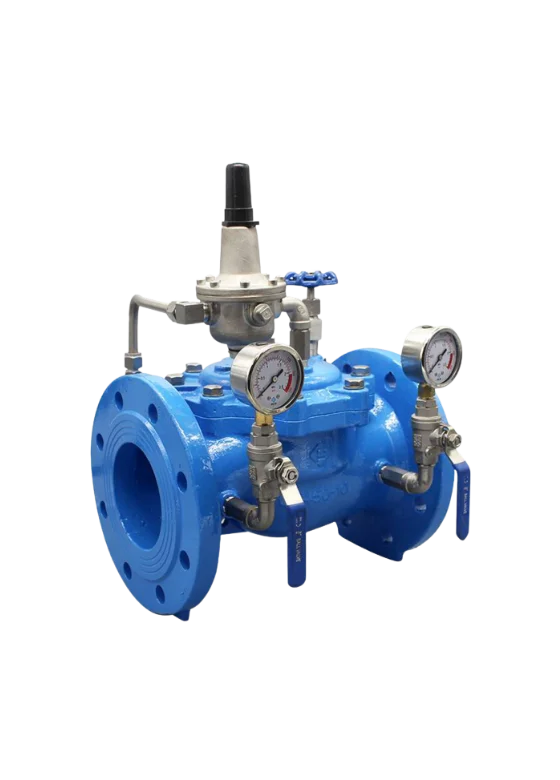
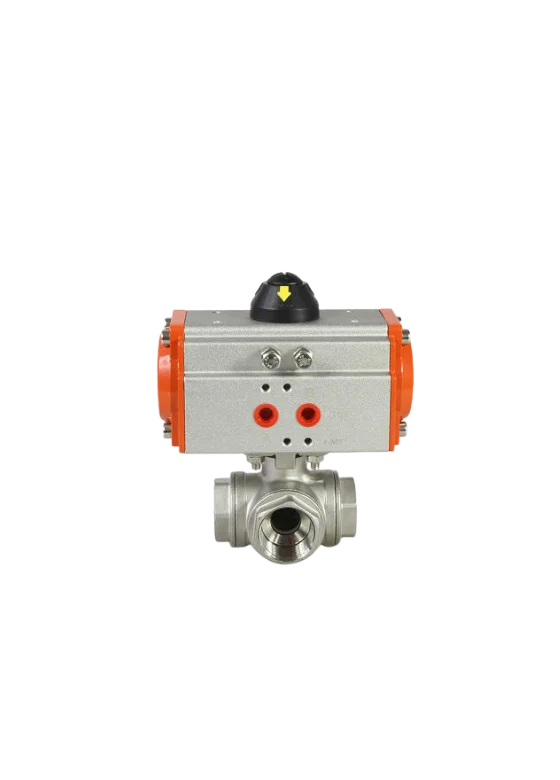
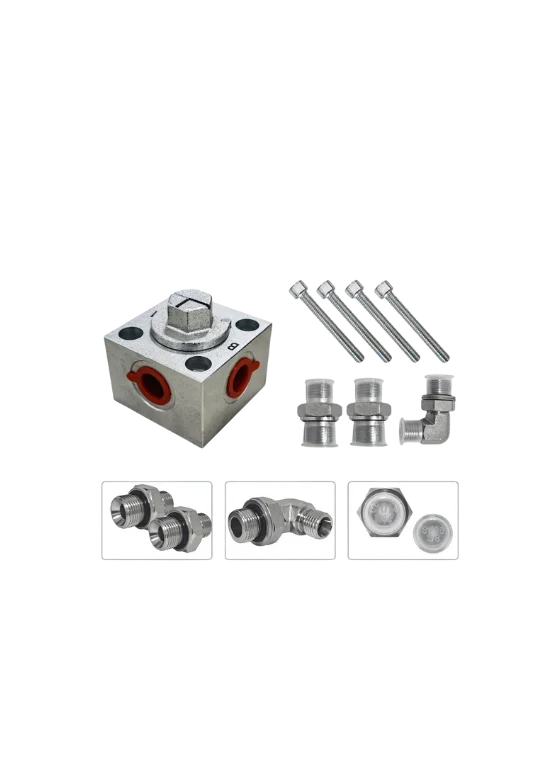


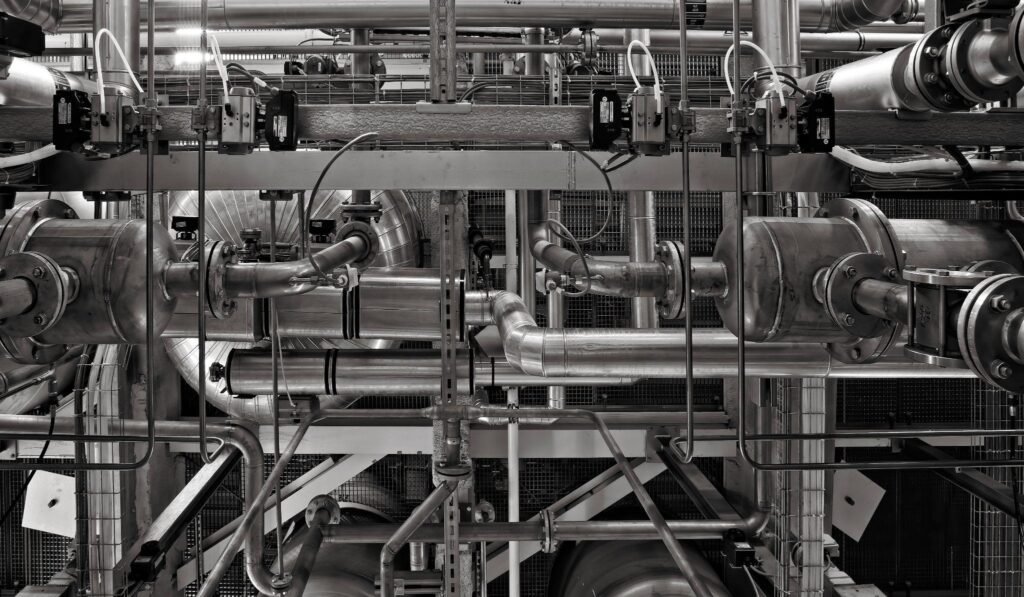
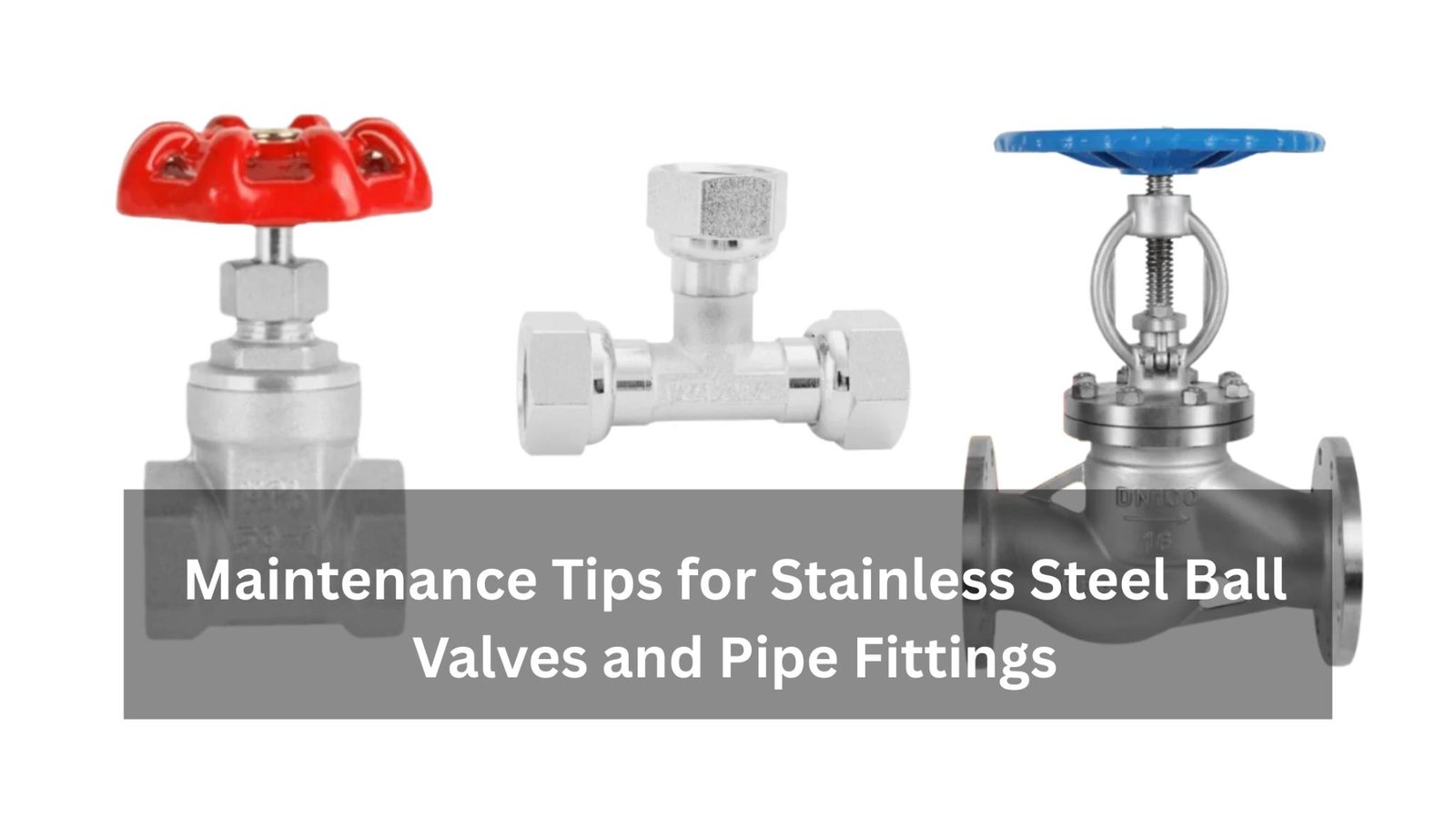
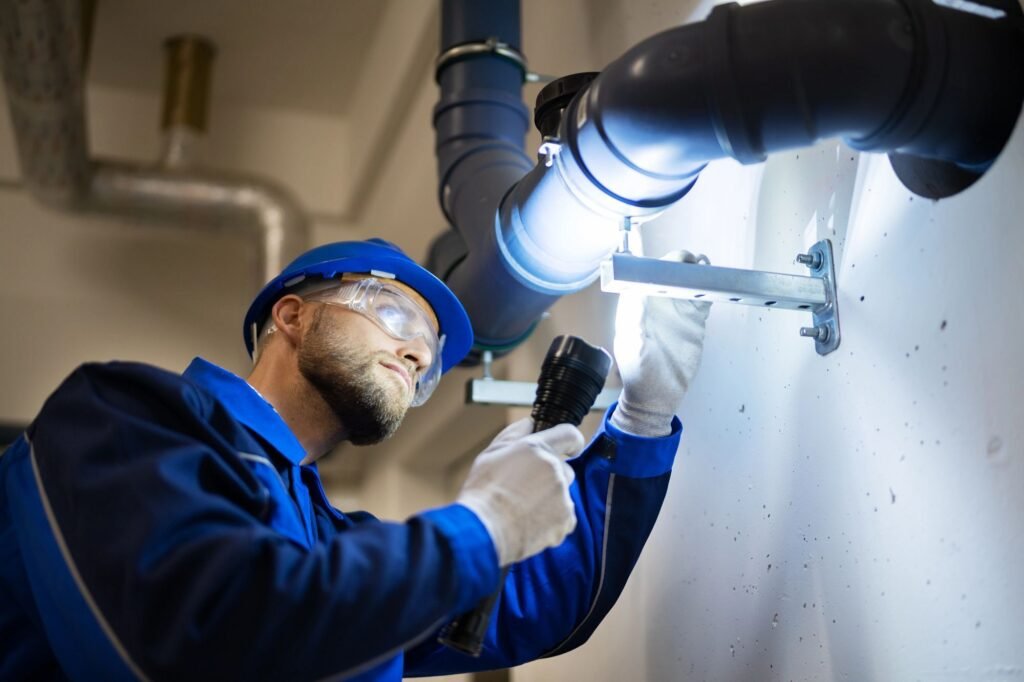
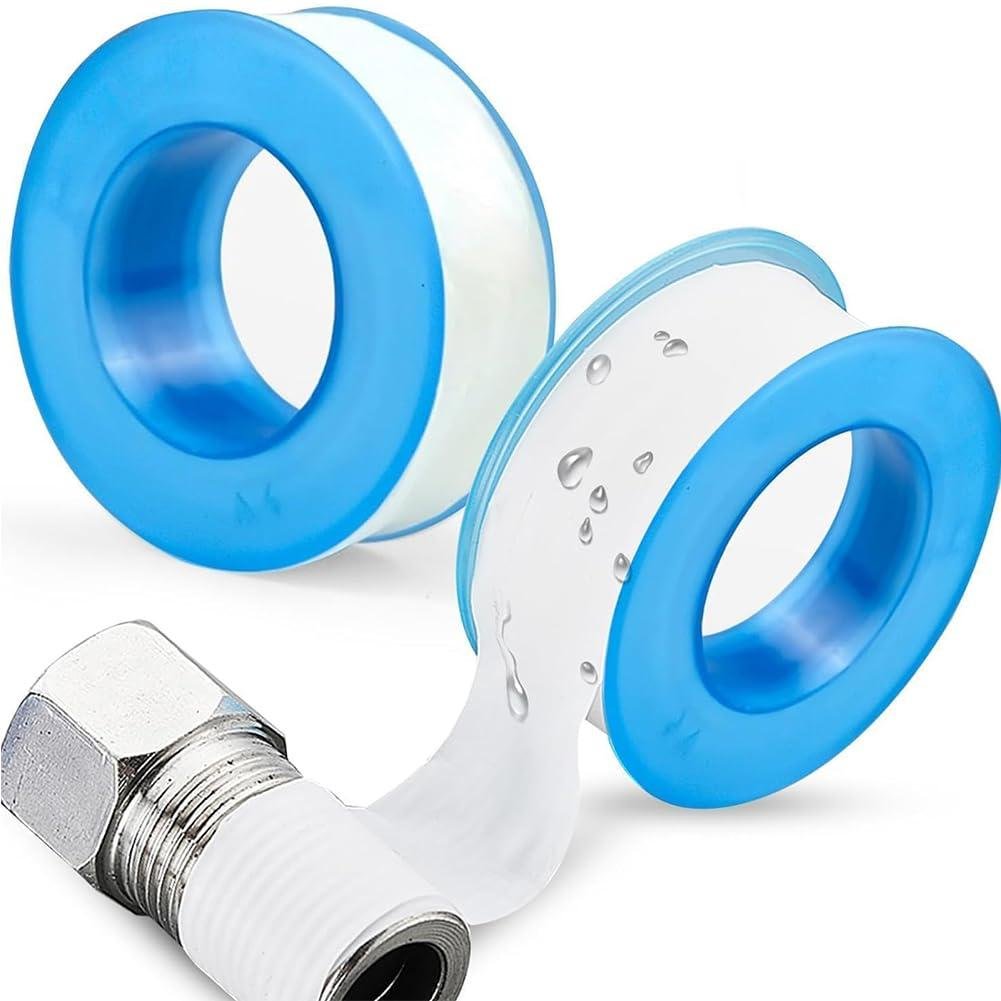
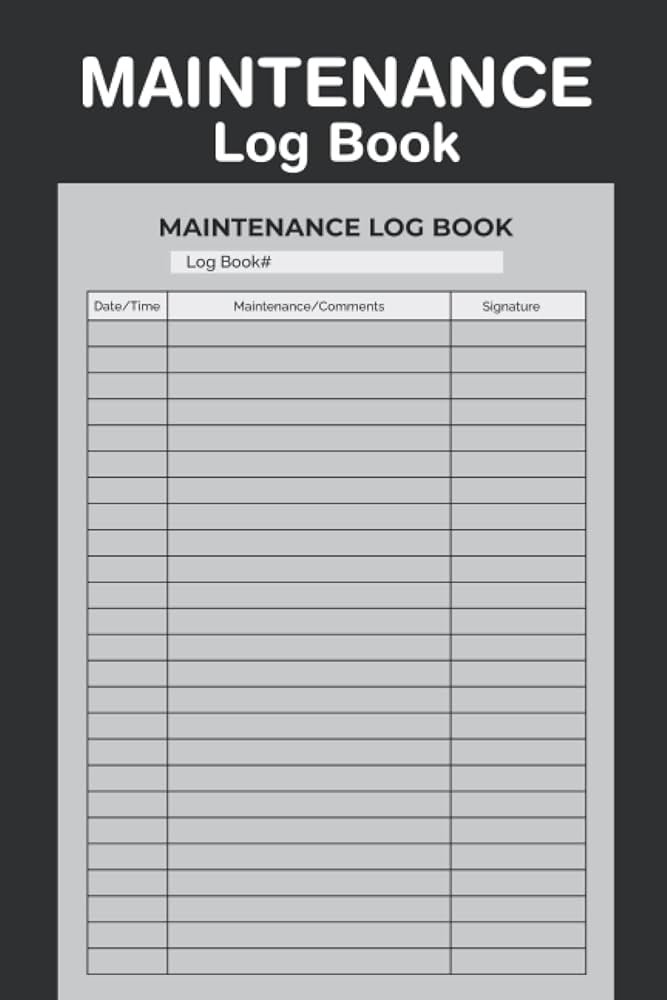

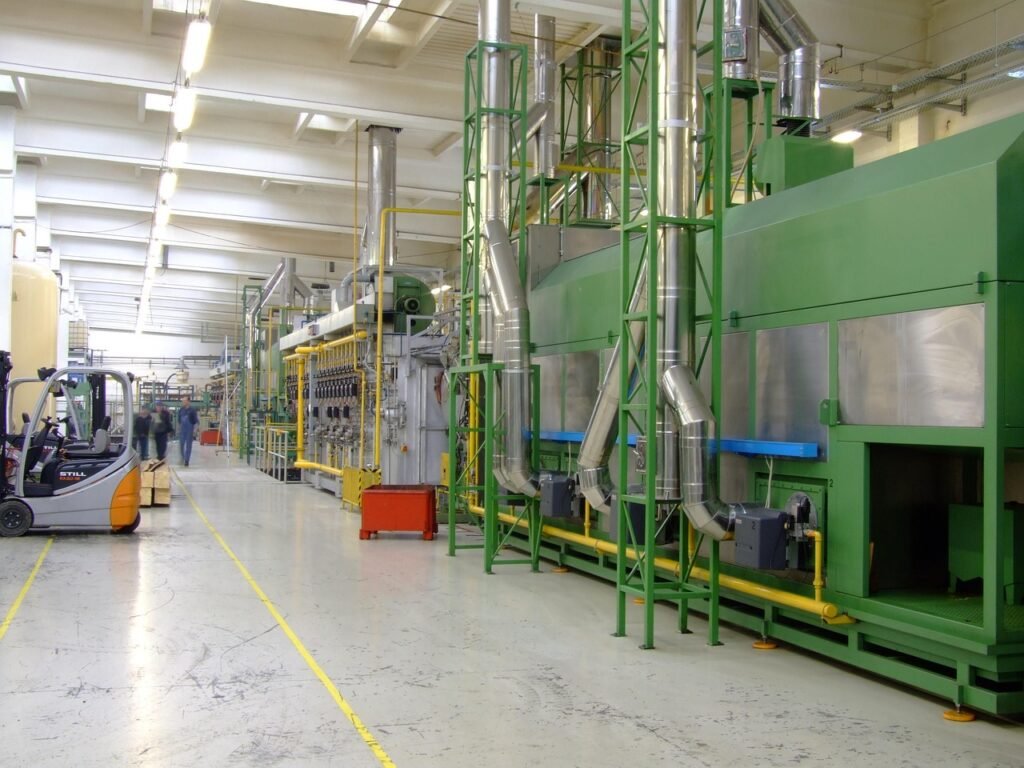

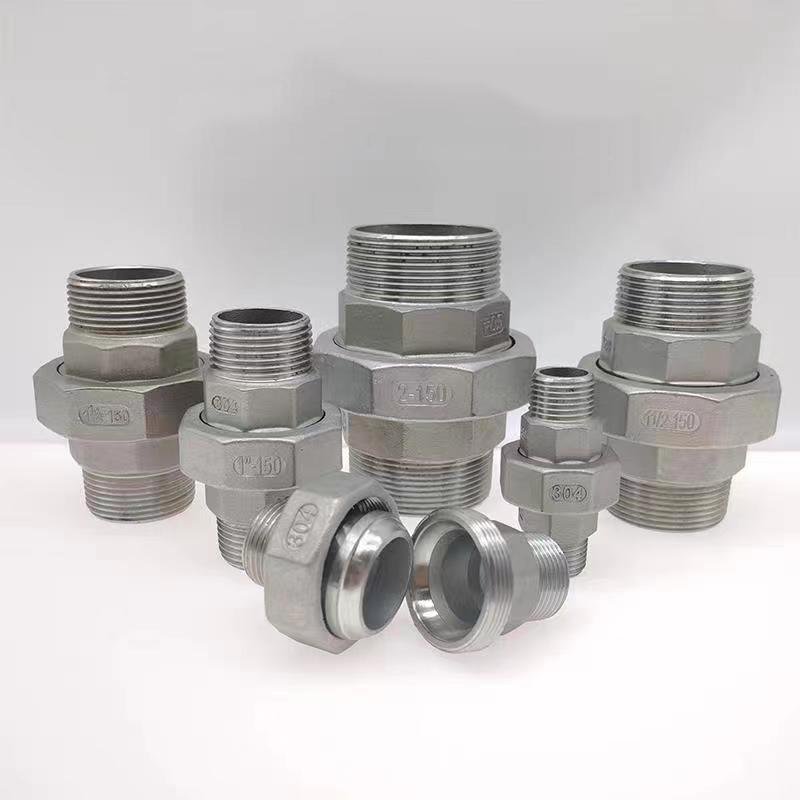
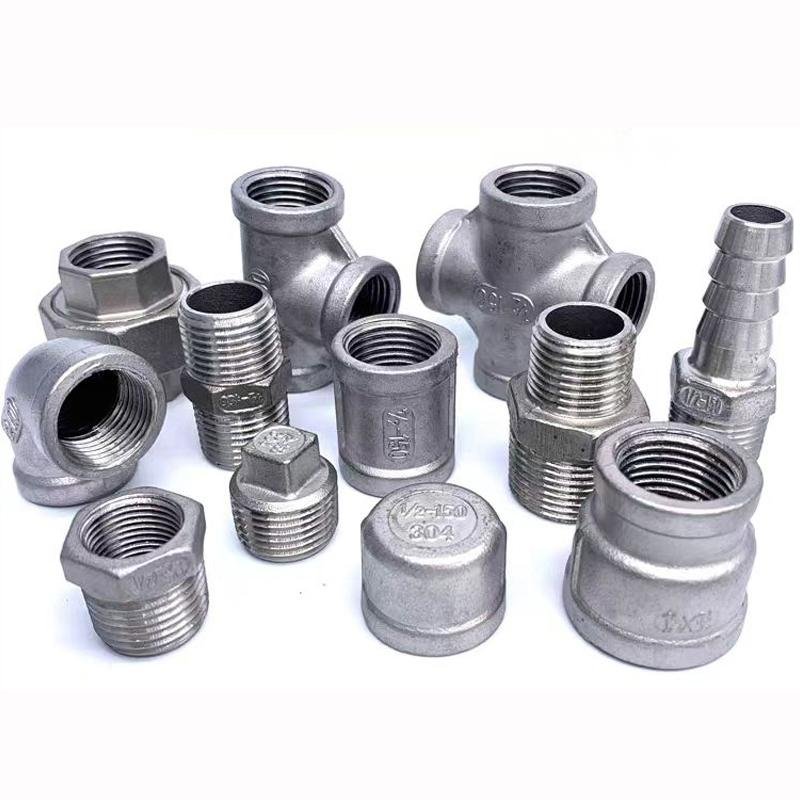
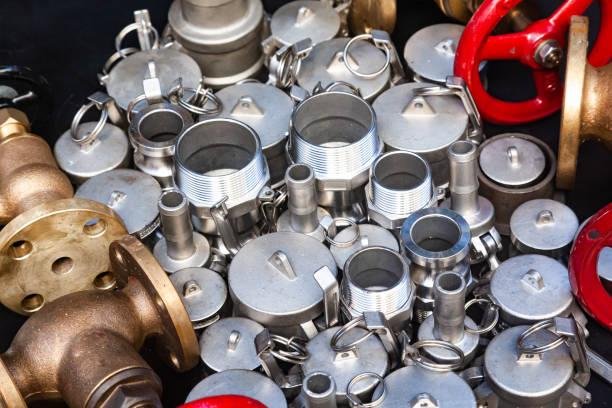
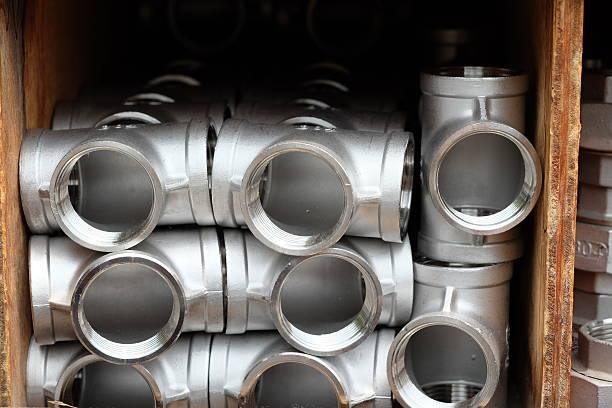
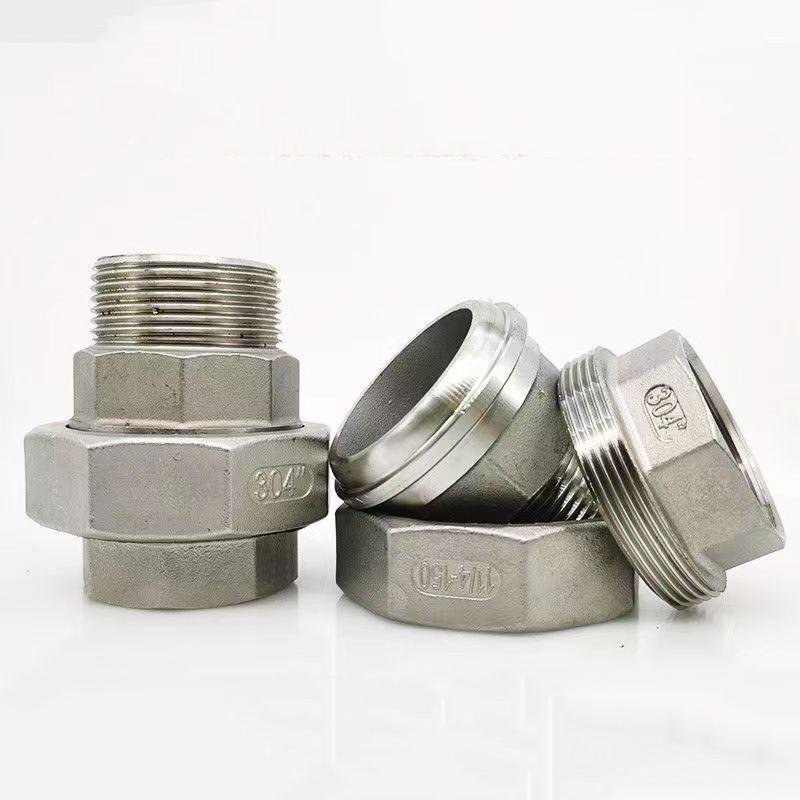
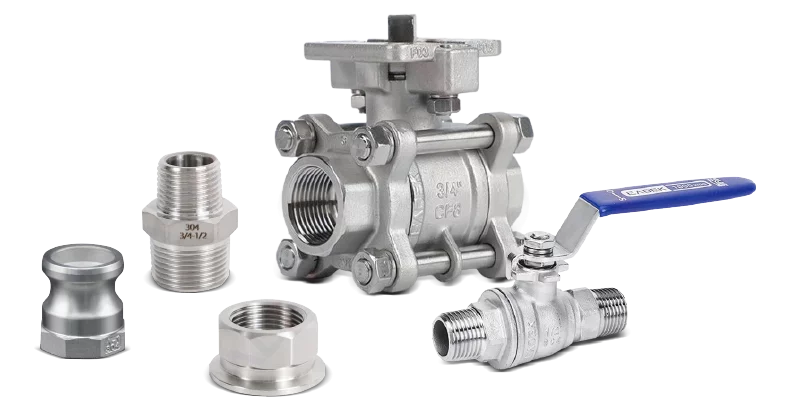
 Portuguese (Portugal)
  English
  Danish
  German
  Spanish
  Japanese
  Korean
  French
  Polish
  Portuguese (Brazil)
  Russian
  Swedish
  Norwegian
  Finnish
  Thai
Thai  Vietnamese
  Chinese
  German (Austria)
  Arabic