

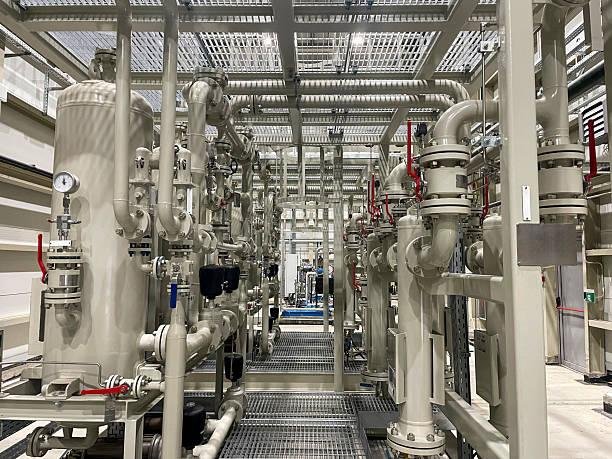
Minor cracks and pits in deep oil rigs and offshore systems can quickly become major problems. A single riser leak can stop production and trigger costly inspections and repairs. And the routine maintenance and repeated part replacements can quietly push operating costs higher than most teams expect.
Metals behave very differently in seawater. But on the flip side, austenitic, duplex, and super duplex stainless steel grades form protective films that limit pitting and crevice corrosion. Duplex grades have higher strength and PREN values, so they resist chlorides and mechanical stress better than plain 316 stainless.
Failures in stainless steel used in offshore applications usually come from pitting, crevice corrosion, chloride stress-corrosion cracking (SCC), or microbiologically influenced corrosion. The right alloy helps, but so do good welding, post-weld treatment, crevice-free design, and regular inspection. Together, these steps cut downtime and total lifecycle cost.
Over here, we detailed the basics on stainless steel for offshore applications. The standards to demand (NORSOK, NACE/ISO) from steel pipe and fittings suppliers, welding and test checkpoints, and a short procurement checklist to specify and buy correctly. プロカムロック is a trusted supplier of stainless steel grades used for offshore applications; get in touch so we can take you through the next steps in choosing and purchasing the right stainless steel for offshore systems.
Why Deep Sea Oil Rigs are Brutal to Metals

There are lots of vectors in deep sea environments that can quickly turn metals into trouble. Seawater contains high chloride levels that eat away at the metals. These chloride salts can break the thin chromium oxide film that covers the stainless steel. Once the film is breached, tiny pits form. At first, the pits are small, but over time, those pits act as stress risers that can crack open and grow into serious failures.
Deep sea oil rigs also face constant motion and pressure. This adds another layer of risk because waves, vibration, and temperature swings put some of the parts under repeated stress. Hence, any small pit or scratch is likely to grow faster due to corrosion fatigue. Overall, mechanical loading and corrosion together wear the parts out much quicker.
Small surface damages from handling or welding can also shorten metal life dramatically under these conditions. Therefore, regular inspection is important, especially for parts that are repeatedly loaded.
Marine biology and deposits make corrosion worse. Marine growth and biofilms trap salts, cut off oxygen in some spots, and host microbes that cause microbiologically influenced corrosion (MIC). The mud and scale create crevices and allow chloride concentration to occur, which internally attacks the metal.
Simply put, pitting, crevice corrosion, SCC, MIC, and corrosion fatigue in metals used in offshore applications result from the combination of seawater chemistry, variable oxygen supply, mechanical stress, fouling, thermal cycling, and bacteria. Therefore, you need the right stainless steel alloy, product design, qualified welding, and regular inspections for metals to survive in offshore setups.
How Stainless Steel in Offshore Applications Resists Corrosion

Stainless steel survives offshore setups because it forms a thin, protective layer that stops metal from reacting with seawater. That layer is a chromium-rich oxide called the passive film; it stops the metal beneath from reacting with salts in the water. The metal remains protected as long as the film is intact or enough chromium is in the alloy. But should the chlorides in seawater breach the film, little holes might develop and grow into bigger system issues.
Stainless steel becomes tougher in chloride solutions when molybdenum (Mo) and nitrogen (N) are added to it, since doing so strengthens its passive film. Consequently, alloys with more Mo and N are resistant to crevice attack and pitting far better than standard grades. Nickel (Ni) doesn’t stop pitting directly, but it makes the steel tougher and easier to weld; this is useful in components subjected to heavy loads or low temperatures. Put together, these elements explain why duplex and super-duplex steels outperform 316L in harsh marine conditions.
PREN (Pitting Resistance Equivalent Number) is what engineers use as a simple way of measuring pitting resistance. An ideal equation is PREN = %Cr + 3.3 × % Mo + 16 × % N. Higher PREN is equivalent to enhanced resistance to seawater pitting. As a rule of thumb, PREN = 32 is often the minimum target for seawater service, and PREN >40 gives a larger safety margin in very salty or aggressive spots. Remember, PREN is a helpful guide, but the fabrication, heat treatment, and design still matter.
Bottom line: Choose alloys on the basis of PREN and service conditions, not by name. On critical equipment, order ASTM G48 pitting tests, PMI upon delivery, and full MTC traceability before installation by you.
Common Stainless Steel Grades for Deep Sea Rigs

Below are the different grades of stainless steel in offshore applications and why engineers choose them:
Duplex Stainless Steel 2205 (S32205)
Many offshore projects use Duplex 2205 as the workhorse since it offers a good mix of strength and corrosion resistance. Having more chromium, molybdenum, and nitrogen than 300-series steels, it has better resistance against chloride attack and stress-corrosion cracking than 316L. The higher strength of this stainless steel grade used for offshore applications lets designers use thinner sections where appropriate, therefore reducing risers’ and platforms’ weight. With duplex stainless steel for offshore systems, welding must be controlled, and for critical pieces, a post-weld heat treatment may be required depending on the product and spec. Where both chloride exposure and mechanical load are concerns, 2205 duplex stainless steel is perfect for mid-water risers, pump skids, and subsea manifolds.
Super Duplex Stainless Steel 2507 (S32750)
Super duplex 2507 is the follow-up stage when chloride values or temperatures are quite high. It contains higher Cr, Mo, and N, giving it a much higher PREN and excellent protection against pitting and crevice corrosion in warm, salty water. That is the reason why designers select super duplex stainless steel for choke/kill lines, critical subsea piping, and highly salty environments. Of course, it is more costly and needs tighter welding control and heat treatment, but it typically cuts maintenance and replacement back in the long run.
316L / 317L (Austenitic Stainless Steel Grades)
Austenitic stainless steel grades are a straightforward and cheaper option for mild spots. 316L is a common stainless steel grade used for offshore applications due to its weldability and ability to withstand general corrosion and mild splash zones. 317L contains more molybdenum, so it resists pitting a little better than 316L. Neither 316L nor 317L corrosion-resistant austenitic stainless steels match duplex for chloride or SCC resistance, so it’s best to use them in lower-risk places like handrails, non-critical topside piping, or internal utility lines. For welded work, pick the low-carbon “L” versions to avoid weld-related grain boundary issues.
High-Nickel Stainless Steel Alloys (Inconel 625, 825, and Similar Options)
Nickel-based alloys like Inconel 625 or Alloy 825 are the best bet for the worst offshore conditions. Think of harsh acids, sour (H₂S) environments, very high temperatures, or places where even super duplex stainless steel would not fare well. They can sustain pitting, crevice corrosion, chloride SCC, and most chemical attacks, and maintain strength in high temperatures as well. The drawback of these corrosion-resistant stainless steel alloys is the expense and manufacturing difficulty. Welding and NDT must be tightly controlled, and the material cost is significantly higher than that of duplex grades. Ideally, they are reserved for where the lifecycle risk or safety case justifies the premium price.
Quick Notes When Selecting a Stainless Steel Grade Used for Offshore Applications
| Stainless Steel Grade | When to Use |
| 316Lステンレス鋼 | If the offshore environment is mild |
| Duplex 2205 Stainless Steel | If you need added strength and better chloride resistance |
| Super Duplex 2507 Stainless Steel | Supersize to super duplex 2507 for heavily aggressive seawater, higher temperatures, or critical subsea pipes. |
| Nickel Alloys | Hold back on these alloys, unless where chemistry or sour service precludes other stainless grades |
When ordering stainless steel materials for offshore applications, clearly define the needed PREN, welding controls, heat treating, and testing (PMI, MTCs, ASTM G48 or equivalent). Also, have fabricators certified and request traceable mill certificates. These realistic steps convert a solid stainless steel alloy selection into successful field performance.
Common Failures in Stainless Steel Used in Offshore Applications & How to Mitigate Them

| Failure | How it Happens | How to Stop/Prevent it |
| Pitting corrosion | Begins when chloride salts breach the passive film and form tiny holes | Pick alloys with higher PREN (more molybdenum and nitrogen), avoid designs that trap salt, and ask stainless steel fittings suppliers for pitting test results (ASTM G48). |
| Crevice corrosion | Crevices under deposits, clamps, or gaskets create low-oxygen pockets where chlorides concentrate and eat the metal | Design tight gaps, use crevice-resistant features or gaskets, and select alloys resistant to crevice corrosion |
| Chloride stress-corrosion cracking (SCC) | SCC happens when tensile stress meets chlorides, thereby forming little cracks. | Reduce stressors, use duplex or super duplex (or other high-PREN alloys), and insist on qualified welding procedures and post-weld controls. Follow NACE/ISO direction for risky services. |
| Corrosion fatigue | Small defects grow faster with repeated loads and a corrosive environment. | Use better surface finish, use fatigue-rated alloys (duplex helps), control welding stresses, and schedule inspections focused on high-cycle parts. |
| Microbiologically influenced corrosion (MIC) | Microbes living in biofilms can create acids or sulfides that attack metal. | Avoid stagnant pockets, keep surfaces clean, monitor for biofilm, and use targeted cleaning or biocide programs where practical. |
| Galvanic corrosion | When stainless steel touches carbon steel or other dissimilar metals, the less noble metal can corrode faster. | Electrically separate different metals, use appropriate fasteners, or apply sacrificial anodes/coatings. |
| Hydrogen-related cracking (sour environments) | Hydrogen-related cracking is caused by atomic hydrogen and H₂S. | Only use materials certified to NACE MR0175 / ISO 15156 for sour service and adhere to exacting quality control on welding and heat treatment. |
Choosing the Right Stainless Steel Fittings Suppliers for Your Business
Treat stainless steel used in offshore applications as an engineered purchase, not a commodity. Start by writing the right standards into the specifications you give your steel pipe and fittings suppliers. Ask for NORSOK M-001 for material selection and corrosion protection. Insist on NACE MR0175 / ISO 15156 compliance in the presence of H₂S or “sour” conditions. Those criteria set alloy limits, hardness rules, and manufacturing procedures that are relevant for subsea systems and oil rigs.
On testing and inspection, ask steel pipe fittings suppliers for traceable paperwork with every shipment. Request for high-PREN alloys MTCs (EN 10204 3.1/3.2), PMI at delivery, and pitting/crevice test findings (ASTM G48). In your purchase order, add weld procedure records (WPS/PQR), any post-weld solution anneal reports, and NDT results (RT/UT, PT/MT). For life-critical components, incorporate on-site PMI and third-party observed testing before acceptance.
To make procurement of stainless steel grades for offshore setup practical, pre-qualify steel pipe and fittings suppliers with shop audits and certificates (ISO 9001, DNV, or similar) and create PREN and welding regulation into the spec.
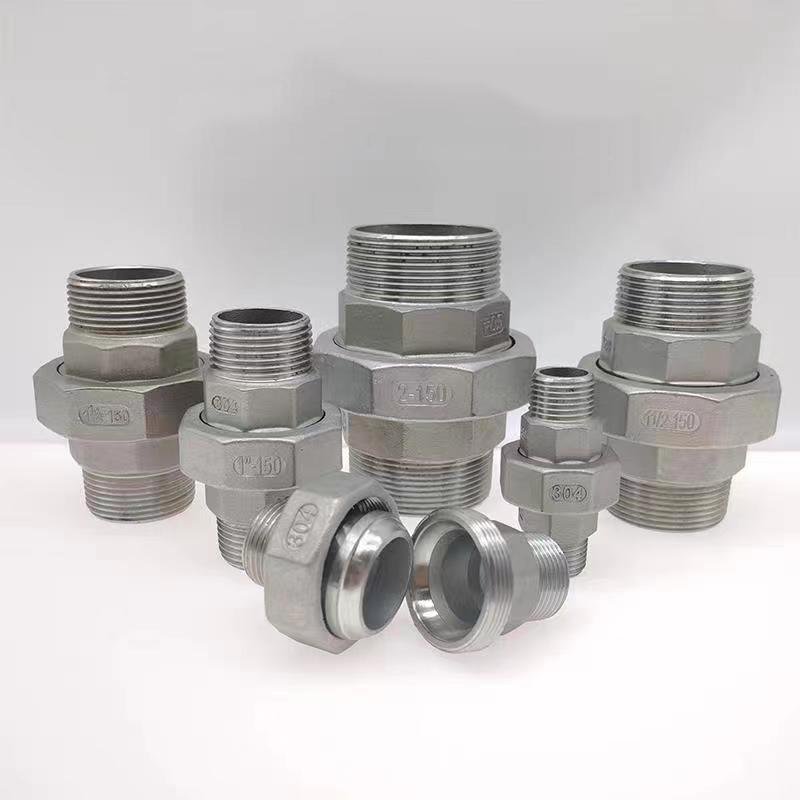
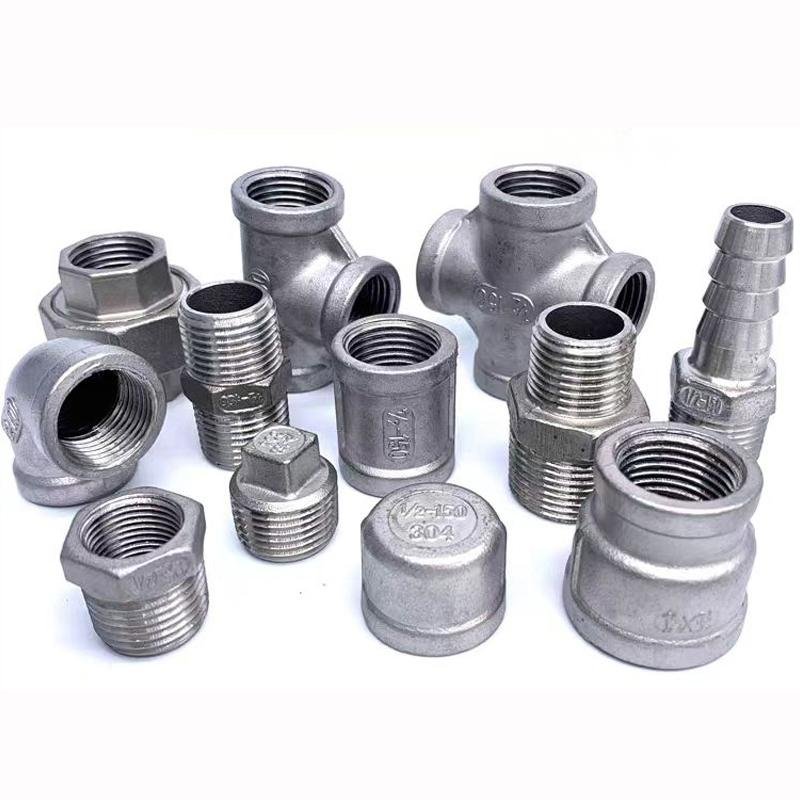
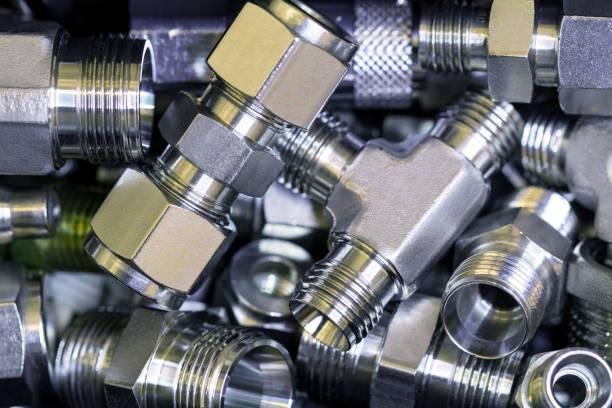
When sourcing reliable partners, especially stainless steel fittings suppliers, quality and lead time matter. Allow realistic lead times for duplex and super-duplex, and bundle items to get MOQ discounts. Ask for export-grade packing for sea transport to prevent salt damage. For North Sea, Gulf of Mexico, or Brazil projects, add local regulatory checkpoints and witness inspection clauses for critical lots. These steps close common purchasing gaps between you, the steel pipe fittings suppliers, and your products; and cut rework and downtime offshore.
結論
When choosing a grade of stainless steel in offshore applications, duplex and super duplex stainless steels create a strong balance between strength, corrosion resistance, and lifecycle cost for deepwater rigs. They can withstand pitting, crevice corrosion, and chloride stress-corrosion cracking far better than standard austenitic grades of stainless steel in many offshore settings.
However, before you select a grade of stainless steel to use in offshore systems, match the alloy to the environment using PREN and service conditions. Also consider the H₂S exposure, temperature, and mechanical loading before you specify the stainless steel grade to use. That way, you will know which stainless steel used in offshore applications is best for your systems.
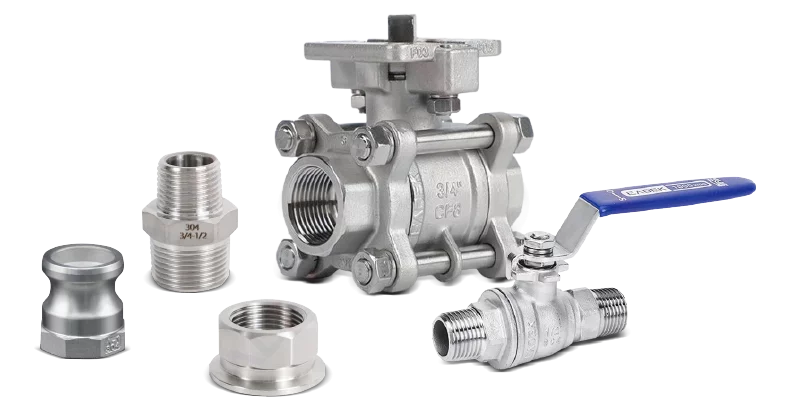
Working with trusted steel pipe fittings suppliers ensures durability, reliability, and compliance with international standards. If you need traceable, offshore-grade stainless steel fittings and valves, or assistance with choosing a stainless steel grade used for offshore applications before your purchase, get in touch with Procamlock. We can help you pick the right alloy and provide the certificates your project needs at competitive rates.
よくある質問
Is 316 stainless steel good enough for offshore use?
Yes, 316/316L is an austenitic stainless steel grade used for offshore applications. It works well for mild splash zones and internal pipework with little chloride exposure. However, it may not be the ideal pick in rigs with continuous chloride exposure, subsea service, or heavy mechanical load.
When should I specify duplex vs super-duplex stainless steel?
Duplex stainless steel is your pick for general topside and subsea lines where strength and chloride resistance are needed. Choose super duplex stainless steel when chlorides, temperature, or sour service demand higher PREN and strength.
What is PREN and why does it matter offshore?
PREN predicts the pitting resistance of stainless steel used in oil and gas industries. PREN = %Cr + 3.3×%Mo + 16×%N. A higher PREN value means a better pitting and crevice resistance in seawater.
What standards should I check for offshore stainless steel?
Ask for NORSOK M-001, NACE MR0175 / ISO 15156 for sour service, DNV rules where applicable, and EN-10204 MTCs. Also, request for qualified WPS/PQR and PMI on delivery.
How do stainless steels fail in seawater, and how do I prevent it?
The common failures of stainless steel in offshore applications are pitting, crevice corrosion, chloride SCC, MIC, and corrosion fatigue. You can prevent them by picking the right alloy, avoiding crevices, qualifying welds, and running routine inspection and maintenance.





 Japanese
  English
  Danish
  German
  Spanish
  Korean
  French
  Polish
  Portuguese (Brazil)
  Russian
  Swedish
  Norwegian
  Finnish
  Thai
Thai  Vietnamese
  Chinese
  German (Austria)
  Portuguese (Portugal)
  Arabic