安全な接続のためのカムロックソリューション

PROCAMLOCKは、安全で効率的な耐久性のあるカムロックを提供します。
業界を超えたつながり。
ブログ

知っておくべき一般的なカムロックの種類

カムロックには、材質、端部接続、規格に基づいてさまざまなタイプがあり、ステンレス鋼、アルミニウム、プラスチック、真鍮などのオプションがあり、さまざまなレベルの耐腐食性、耐久性、コスト効率を提供しているため、特定の業界や伝送システムに適したタイプを選択することが重要です。

ブログ

最新 ニュース

Stainless-Steel-Check-Valves

Stainless Steel Check Valves: Applications and Manufacturer Insights

Stainless steel check valves are essential for preventing backflow in systems and ensuring the one-way movement of fluid. It offers durability, corrosion resistance, and reliability, making it an ideal choice in high-pressure and aggressive environments like chemical processing, oil and gas, food production, and water treatment.

What makes stainless steel check valves stand out is their ability to handle high pressure, abrupt changes in temperature, and corrosion without compromising system efficiency and safety.

A valve failure is something you want to avoid because it can bring your entire operation to a halt. Aside from the money it would cost you to replace, every hour of downtime eats into profits.

This issue is a common one – ABB reports that most industrial businesses suffer unplanned outages every month. One way you can avoid being part of the statistics is by using stainless steel check valves.

In this guide, we’ll explore the key applications of stainless steel check valves and share insights from leading manufacturers to help you understand what to look for when selecting the right valve for your project.

How Check Valves Work and Why Stainless Steel is Best

Check valves are essential components that allow fluid to flow in only one direction. The valve opens when fluid pressure pushes in the right direction. If the pressure reverses – for example, due to a pump shutting off or a system malfunction  – the valve automatically closes. This prevents backflow, protecting pumps, pipelines, and other equipment from damage.

Here is a comprehensive selection of industrial valves, including check valves.

なぜステンレス鋼なのか?

Check valves are made from stainless steel because it’s resistant to rust and high temperatures. It pays off over time for businesses that cannot afford unexpected shutdowns.

Also, in industries like food processing, pharmaceuticals, and water treatment, high-grade stainless steel ensures production meets safety and hygienic standards.

Furthermore, stainless steel is a better long-term choice. Not only is it designed to last for decades, but stainless steel products are also 100% recyclable, with about 60% of each item made from recycled material.

To get a better idea of why stainless steel is the best option, refer to the table below.

特徴ステンレス鋼炭素鋼Plastic/PVCBronze/Brass
PerformanceVery strong, resists corrosion, handles high pressure and temperatureStrong but prone to rust and scale in harsh environmentsGood for low-pressure, non-corrosive applications.Good corrosion resistance in water systems; moderate pressure/temperature tolerance.
Lifespan20 – 50 years with little maintenance10–20 years depending on the environment and coating.5–15 years; shorter if exposed to UV, heat, or chemicals15–30 years, but wears faster with abrasive fluids.
Cost (upfront)Higher initial cost.Moderate, cheaper than stainless.Lowest cost, budget friendlyMid-range, more expensive than iron but cheaper than stainless.
Cost (Long term)Lower, due to durability and low replacement needs.Higher, due to corrosion, repairs, and replacementsHigher, because of frequent replacements.Moderate; requires occasional replacement in demanding applications.

Industrial Applications of Stainless Steel Check Valves

Stainless steel check valves are used in many industries to control fluid flow and protect systems from backflow damage.

Chemical Processing & Manufacturing

In chemical plants, these valves prevent backflow that could mix hazardous substances or damage equipment. They are built to withstand tough chemicals without corroding.

In a solvent recovery system, for example, a check valve keeps solvents moving in the right direction and prevents them from contaminating waste streams.

For more on this, read about the role of stainless steel valves in chemical processing.

Water & Wastewater Management

These valves protect public health by stopping contaminated water from flowing back into the clean supply. Stainless steel helps prevent rust and wear – common problems in these environments – so the system keeps running.

For instance, during a power outage, a stainless steel check valve quickly shuts to stop wastewater from backing up and spilling into public areas. In irrigation systems, it also keeps dirty well water from mixing with clean sources.

Oil, Gas, and Petrochemicals

The oil and gas industry relies on these valves because they can withstand extreme pressure and heat, keeping pipelines safe. You’ll find them in refineries and offshore platforms, where they stop the backflow of flammable liquids and gases.

The use of high-quality stainless steel check valves prevents major problems. A government report linked one valve failure to a major leak that shut down a plant for over two months. Using stainless steel would have prevented that.

With energy demand rising in developing countries, the global network of pipelines is expected to expand by 2030. To keep supply flowing safely, companies are investing in durable components like stainless steel check valves.

Food, Beverage & Pharmaceutical Manufacturing

Hygiene is very important in these industries, and stainless steel check valves are used because they are easy to clean and do not rust easily. They are often made with polished finishes to prevent bacterial growth and keep products pure.

During food and beverage processing, these valves ensure ingredients move in the right direction, preventing cross-contamination between different product lines.

In a pharmaceutical plant, a check valve might be used in a purified water loop to ensure sterile water flows correctly, helping to keep medicines pure and safe for consumers.

Expert Advice – Recommendations When Choosing Check Valves

While stainless steel has many benefits, you need to match the valve to your specific application. The right choice can save you from costly downtime and safety risks.

Here’s how to pick the best fit for your system.

Choose the one appropriate for your project

There are different types of check valves you can use for your project. The most suitable valve depends on your system’s design and operating conditions. Each type has its benefits and limitations.

  • Swing Check: This valve uses a hinged disc that swings open when the flow moves forward, causing minimal pressure loss. It’s best for low-velocity systems because it doesn’t cause much pressure loss. The downside is that it needs more space and, in some cases, can cause “water hammer” – a sudden banging or pressure surge in the pipes that happens when the valve closes abruptly
  • Lift Check: This valve uses a disc or piston that lifts to allow flow. It can be shut firmly and works well in high-pressure, fast-flow systems with steady flow, such as those used for steam or gas.
  • Ball Check: The ボールチェックバルブ is simple and uses a ball that lifts to allow flow. It has a self-cleaning effect as the ball moves, making it a low-maintenance option for different media, including viscous fluids and slurries.
  • Diaphragm Check: Using a flexible diaphragm, this valve is useful in systems where hygiene matters, like food, beverage, or pharmaceutical processes. It withstands corrosion well but isn’t the best option for high-pressure systems. You can learn more about its features here.

Consider Material Compatibility

While stainless steel is a durable material, not all grades perform the same. Pairing it with the wrong metal in a wet or harsh environment can cause galvanic corrosion, causing early wear.

Therefore, selecting the correct grade of stainless steel for your system is important.

Grade 316 stainless steel contains molybdenum, giving it better resistance to chlorides and aggressive chemicals than Grade 304. This makes 316 a preferred option for marine and chemical environments.

Case Study: Cast Iron Valve Failure from Galvanic Corrosion

While we have explored the effects of using the wrong material, here’s a real-life example of what can happen:

In a steam condensate system, a cast iron valve was installed in a stainless steel (AISI 304) pipe, right next to a copper heat exchanger.

Because these metals have very different electrical potentials, the cast iron corroded much faster than expected. Over time, the iron dissolved and left behind a weak, porous shell.

This case shows that understanding your environment and picking the right material is vital for safety and lasting performance. You can read the full report here.
Choose a Reliable Manufacturer

A valve is only as good as the company behind it. Even the best design won’t last if the materials used in the manufacturing are poor. That’s why it’s worth paying attention to who you buy from.

Here are two key things to look for in a manufacturer:

  • Certifications: Check that their valves meet international standards such as API, ISO, or ASME. These stamps of approval show the valves have been properly designed, tested, and proven safe. For food and pharmaceutical use, FDA certification is essential. And if your system involves corrosive or sour gas, NACE certification is a must.
  • Beyond the Valve: The best manufacturers don’t just hand over a product; they offer technical support, tailored solutions, and warranties. Having that kind of support means less stress for you and a system you can count on for years.

To prevent future problems, find a manufacturer that offers partnership, not just a product. プロカムロック specializes in high-quality stainless steel valves and fittings, providing reliable products and long-term support to ensure your systems run efficiently.

Installation and Maintenance Tips for Best Performance

Proper installation and maintenance are required to ensure a check valve’s long-term performance and safety. Here are tips to get the most out of your system.

Understand Pressure and Flow

Before you install anything, you need to understand a few basic terms, like:

  • その pressure rating: this is the maximum pressure a valve can safely handle.
  • その cracking pressure: the minimum upstream pressure needed to open the valve and allow fluid to pass.
  • その flow rate: the volume of fluid moving through the valve over time.

Ensure the valve you are using meets the pressure rating and flow rating of your system. This will help you ensure your system operates within its safe limits.

Installing Your Valve

When installing a check valve, confirm the flow direction – the arrow on the body shows the correct orientation. Position it as required (horizontal or vertical) since some designs allow only one. Before connecting, clean the pipeline to prevent debris from damaging the valve or blocking flow.

Maintenance Basics

Check valves need little maintenance, but regular inspections help them last longer and cut down on stoppages. Look for leaks, rust, or fatigue, and listen for unusual sounds such as chattering or whistling that may point to parts wearing out.

Global Market and Supply Chain Trends for 2025

The demand for stainless steel check valves is increasing because industries are growing and older infrastructure is being replaced. Also, new safety and environmental rules are pushing companies to choose stronger and longer-lasting components.

According to a recent DataIntelo report, the stainless steel valves market is expected to reach USD 21.3 billion by 2032.

Another industry analysis states that the global industrial valves market could reach about USD 93.64 billion in 2028 because of growth in developing regions and stricter safety rules. The Asia market is projected to dominate the market with countries like China and India taking the lead.

Supply Chain Challenges

But the growth also comes with challenges. Steel prices keep rising and falling, and shipping delays are still a problem. Both can push up costs and throw off project schedules. That’s why sourcing from reliable manufacturers with local support is becoming more important for avoiding delays and quality issues.

結論

Unplanned downtime doesn’t just interrupt operations—it drains resources, inflates maintenance costs, and reduces overall efficiency. This is particularly important because maintenance inefficiency can cost your company up to four times more than necessary. Plants with poor efficiency may spend $400 million a year compared to $100 million at well-run sites. So, invest in durable parts so you can reduce downtime and cost.

Stainless steel check valves play a vital role in keeping systems running smoothly, especially in industries where reliability is non-negotiable. By choosing durable, corrosion-resistant components, you safeguard your plant against costly inefficiencies and unexpected failures.

For companies that want more than just a supplier, the key is finding a partner committed to performance and long-term value. プロカムロック delivers high-quality stainless steel valves and fittings backed by expertise and customer-focused support—helping you reduce downtime, cut costs, and achieve lasting operational success.

よくある質問

How can I fix a check valve stuck open or closed?

Most times, a stuck valve is caused by debris. A professional can fix this by flushing the system or disassembling and cleaning the valve. If that doesn’t help, the valve or its parts may need to be replaced.

What’s the difference between a check valve and a gate valve?

A check valve works automatically, letting fluid flow only one way. A gate valve is manual and uses a disc to fully open or close the flow, like an on/off switch.

How does cracking pressure affect my system?

Cracking pressure is the minimum pressure needed to push a check valve open. If your system pressure is below this level, the valve stays closed, which can restrict flow and cause performance issues.

How long do stainless steel check valves usually last?

A good stainless steel check valve can last decades – often 20 to 50 years or more. They have such a long life because the material is strong and resists rust.

Are stainless steel check valves suitable for high-temperature steam applications?

Yes. Certain stainless steel grades are designed to handle high-temperature steam. They resist both corrosion and thermal stress, keeping the system safe for years.

How do I know which grade of stainless steel is best for my industry?

The best grade depends on the specific environment, temperature, and chemicals involved. Grade 316 is often used in harsh conditions like chemical plants or marine systems, while Grade 304 is common for general use. The safest option is to confirm with a material specialist.

Can valves be customized for special systems or sizes?

Yes, many manufacturers offer custom solutions for unique systems. They can adjust size, pressure rating, or materials to match your exact system requirements.

Where can I buy stainless steel check valves in bulk for export?

For bulk export, it’s best to go through known manufacturers with established global logistics. Companies like ProCamLock supply stainless steel check valves worldwide, ensuring quality standards and smooth delivery.

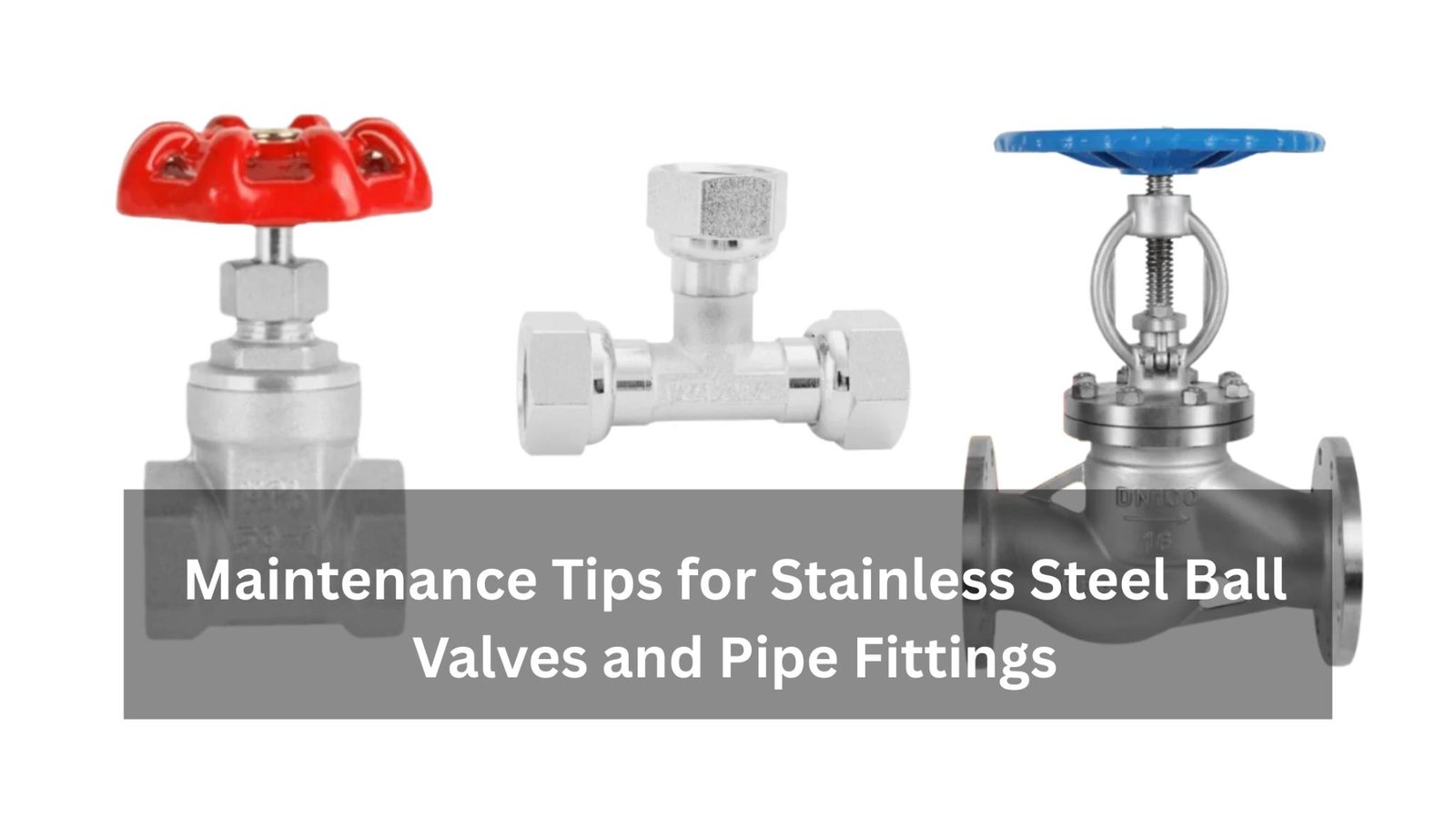
Maintenance Tips for Stainless Steel Ball Valves and Pipe Fittings

Regular maintenance contributes a lot to the lifespan of your stainless steel ball valves and fittings. Once a week, have a quick look: any tiny beads of water around the joints? Clean off deposits with a soft cloth, then add a thin film of the right lubricant. These simple habits can go a long way to help prevent rust, unexpected breakdowns, and save real money in the long run.

Do you want to extend the lifespan of your stainless steel valves and fittings? Give them a little regular care. This will help prevent breakdowns and expensive replacements. It’s surprising today to see how many systems fail early, not because the parts were faulty, but because of poor maintenance.

Sometimes, when things such as a tiny leak, a bit of rust, or a stiff valve that won’t budge happen, we assume they are minor issues. But in a chemical plant or food factory, that small issue can result in serious problems soon enough. If you don’t properly maintain your ball valves and pipe fittings, you’re likely to deal with problems like contamination risk, production halt, or even safety penalties.

Replacing a damaged valve usually costs more than we often expect, whereas cleaning and checking it regularly will only cost you a cloth and five minutes of your time. Some industry reports even say nearly 40% of valve failures happen because of poor or irregular maintenance. That clearly means that maintenance is more vital than most people know. 
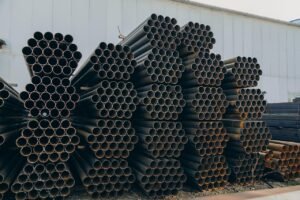
So, in this guide, we’ll show you simple things you can do to keep your stainless steel ball valves and fittings working as they should.

Understand What You’re Working With

When it comes to maintenance, you must have an understanding of what you are working with. Always check the specs before using any maintenance product or tool. The right cleaner for 316 might not be ideal for 304. And applying the wrong treatment could do more harm than good.

So, before you grab a wrench or go for a cleaning spray, first try to figure out exactly what kind of stainless steel you’re dealing with. This is one thing we always suggest starting with – and trust us, it makes everything else easier.

Most ball valves and fittings are made from 304 or 316 stainless steel. Both of these steel grades do pretty well in resisting rust and wear, but because of the little molybdenum content of 316, it has an extra protection in chloride-rich settings like seawater, de-icers, and many chemicals. That’s why it’s the type that is mostly used in marine, chemical, or food processing setups.

You will also need to know the valve type. Between the two-piece and the three-piece ball valves, the former is simple and sturdy, making it a perfect choice for general use. On the other hand, three-piece valves are built to be taken apart. This is what makes them an ideal option when you need to clean things thoroughly or replace internal parts quickly.

And don’t forget about the pipe fittings. Whether you’re using couplings, elbows, or unions, each one wears in its unique way. Some traps build up more easily, while others might loosen over time. When you know the layout, it will be much easier for you to spot issues early and maintain things properly.

Daily and weekly checks matter

Stainless steel is built to last, but it shouldn’t be fit-and-forget; you need to conduct daily and weekly checks. Dedicating a few minutes each day or week to maintain it can help you catch small faults early and save on costly repairs. These small steps take minutes and add years to your system:

  • Give it a proper look: Check for tea-staining, odd coloring, tiny rust specks, or dampness around the joints. These are early signs of wear or corrosion.
  • Don’t ignore drips: Even the tiniest leak is something to be concerned about. They don’t fix themselves. So, find it and sort it.
  • Work the handle, end to end: Open and close the handle fully to see how it feels. It should feel smooth and consistent. If it’s stiff, loose, or sticky, clean and lubricate it.
  • Quick wipe-down: Use a soft cloth with warm water or a pH-neutral stainless cleaner. Don’t use abrasives, chlorides, bleach, or steel wool.
  • Feel the joints: Lightly check unions, couplings, and seals. If anything’s loose, swollen, or misshapen, investigate and replace O-rings as needed.
  • Use your senses: Hissing, a faint whine, or unusual smells can point to leaks or trapped media.

Deep Cleaning and Lubrication: Monthly and Seasonal Care

A quick wipe keeps things tidy, but every so often your stainless-steel valves and fittings need a proper service. This is the only way to catch things you might have missed during daily checks.
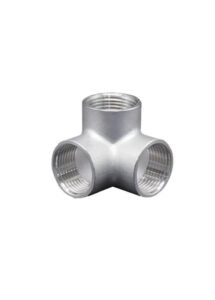
Let’s consider some of the things you need to do here:

Clean without being too rough

Start simple: use a soft microfibre cloth, warm water, and a pH-neutral cleaner. Don’t use bleach and anything gritty to avoid removing the protective layer of the steel. A drop of mild washing-up liquid often does the trick.

To deal with fingerprints or oily patches, use a dedicated stainless-steel cleaner. Wipe with the grain, not against it, then rinse and dry with a clean towel to prevent streaks and water spots.

Disassemble with Care

If you’re working with a two-piece or three-piece ball valve, you should take it apart now and then for a proper clean. To do that, always isolate and depressurize the line first, then follow your site’s safety steps (that is, PPE on and lockout/tagout applied).

Taking one apart isn’t as daunting as it sounds. For most designs, what you need to do is:

  1. Loosen the bolts or clamps
  2. Gently pull the body apart
  3. Take out the ball and inspect it for gunk or wear

If anything feels stuck, don’t force it. A touch of lubricant or a look at the manufacturer’s guide usually helps.

Lubricate the right way

Once everything is clean and dry, add a thin film of food-grade or silicone-based lubricant to the moving parts: think seats, stem, and seals. Cycle the valve a few times to work it in, then wipe off any excess so it doesn’t collect grit.

Avoid using petroleum greases to lubricate because they can attack elastomers and aren’t suitable for food or many chemical duties.

The bottom line is to lubricate regularly, as even a valve that already feels smooth can benefit from a light coat. It helps prevent stick-slip, reduces wear, and makes the next service quicker.

Check O-rings and seals

Look closely for nicks, cracks, swelling, flat spots, or stiffness. If you spot any of these, replace the part. It would do you good to keep a small kit of spares matched to your media and temperature, so you can quickly change leaks without delaying production.

Also, when fitting new rings, add a small portion of approved lubricant and seat them squarely without twisting them.

Avoiding Common Mistakes That Shorten Lifespan

Even the toughest stainless steel gear can wear out fast if it’s not handled right. Let’s go over some simple but common mistakes that can cut their life short, plus how to avoid them.

1. Over-tightening fittings

It’s easy to think tighter means better, but turning a valve or fitting too hard can cause damage. You could end up warping the threads or crushing internal seals. A good rule of thumb is to tighten by hand, then give it just a little extra nudge. That’s usually enough to tighten valves and fittings.


2. Using the wrong sealant

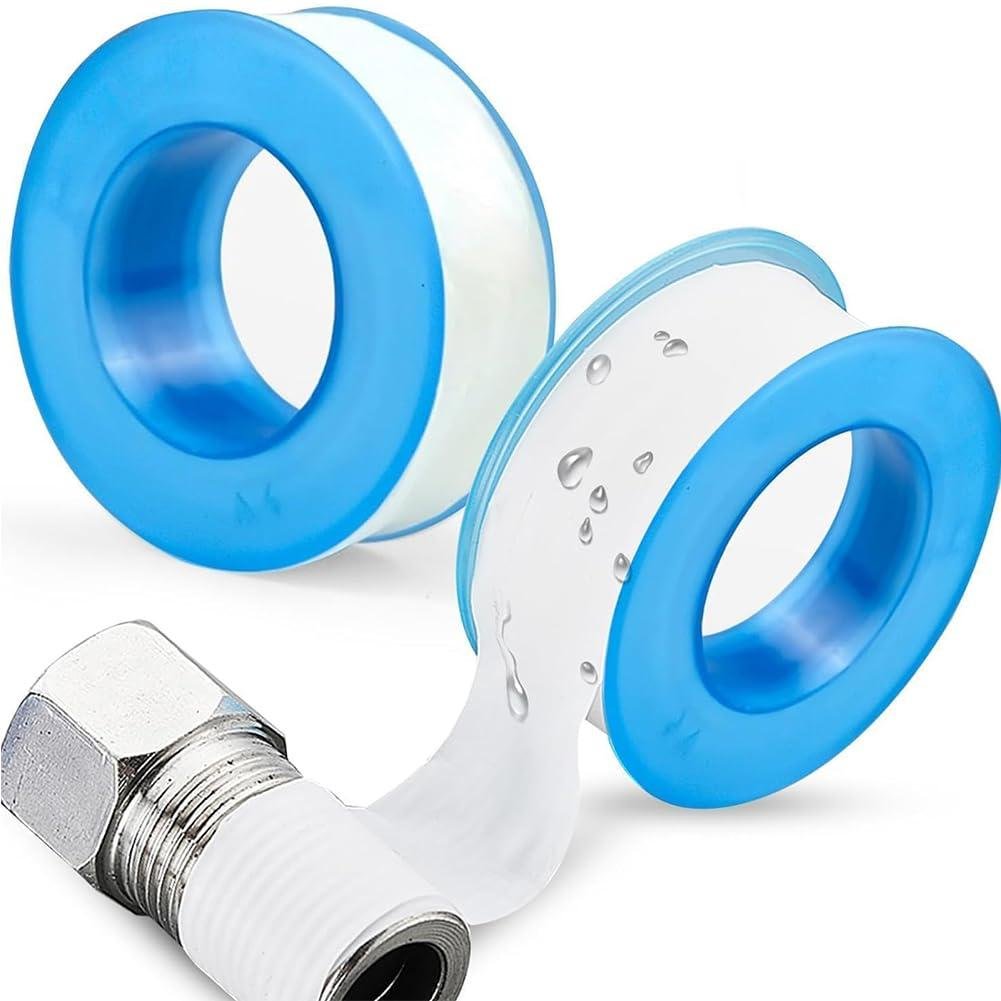
Teflon (PTFE) tape is fine for many water and air jobs. But high pressure, vibration, or aggressive chemicals often need a proper thread paste or the compound the manufacturer recommends. If you use the wrong stuff, you’ll get weeping threads or softened plastics. So choose a sealant rated for the pressure, temperature, and media where the fittings will be used.

3. Mixing different metals

Joining stainless steel to copper or brass can trigger galvanic corrosion, especially in wet systems. That’s when one metal sacrifices itself, and the joint starts to pit and seize. It’s always recommended to keep materials the same or break the circuit with a dielectric union/insulating joint. If you must mix, insulate the connection and use a compatible sealant so the joint lasts.

4. Leaving ball valves stuck in one position

Ball valves work best when they’re either fully open or fully closed. Leaving them halfway or not using them for ages can lead to buildup or stiffness. Even if a valve isn’t in use, give it a turn now and then to keep things moving.

5. Forgetting to log your checks

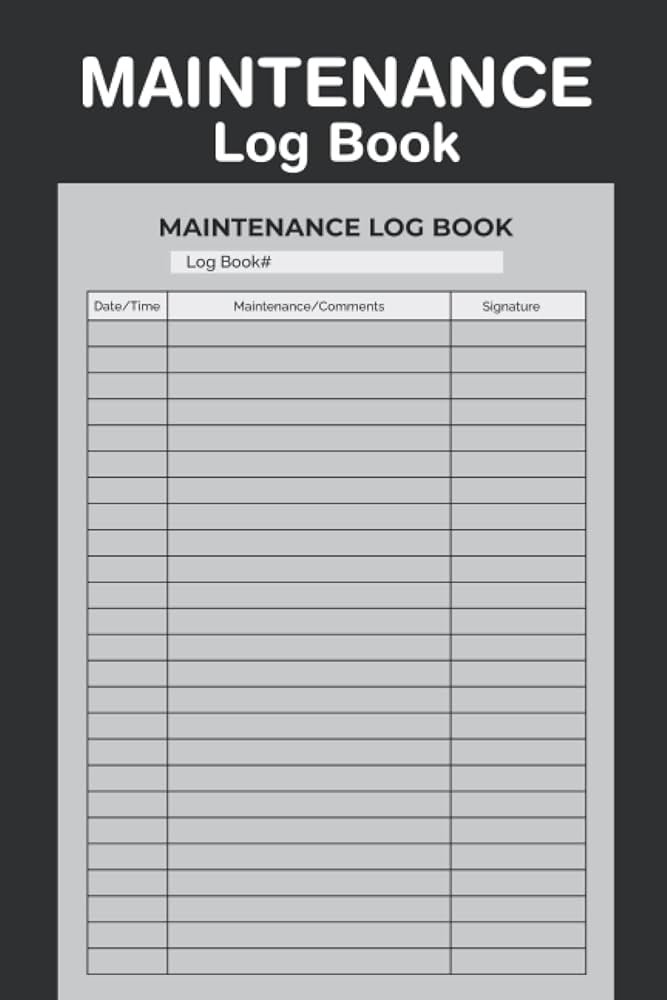
One last tip is to keep a basic maintenance log. Nothing fancy; just a quick note of what was checked and when should suffice. It’ll help you catch patterns and fix small problems before they become big and expensive.

Real-World Example of Maintenance Making a Difference

Stainless steel is tough, but it still needs a little help to last, especially in harsh places. Here’s what that looks like in the real world.

A coastal marine site fitted its system with 304 stainless ball valves. For months, everything ran smoothly. Then the salt in the air and constant humidity began to bite, light tea-staining showed up around joints and threads, and handles grew stiff. A few valves started to weep at the seats, and the maintenance team found themselves constantly patching things up.

They took a step back and changed their approach. First, they upgraded the problem spots to 316 stainless, which stands up better to chlorides and salt spray. Next, they introduced a simple monthly routine and also kept a small kit of spare seals matched to the media and temperature.

The difference was dramatic.

Downtime due to valve issues dropped by 60% in the first six months. Repair costs went down, and systems ran more smoothly. The team now spends less time fixing problems and more time keeping things running efficiently.

It’s a great reminder that when you pair the right materials with the right maintenance habits, everything lasts longer and performs better.

Global Market and Supply Chain Trends, 2025

Keeping your stainless steel valves and fittings in good shape is more essential now than ever to keep up with the competitive business world.

In 2025, more industries are using corrosion-resistant materials like 316 stainless steel, and because of this, demand has shot up fast, impacting the Stainless Steel market value positively. What this means is that more people are dealing with harsh conditions and looking for better long-term solutions.

The only issue is that with increased demand, the materials are getting harder to find.

Lead times for certain grades, especially 316L, which has extra molybdenum for added protection, are stretching out. Some suppliers now give 10 to 14 weeks, depending on where you’re sourcing from.

So, if you’re not paying attention to proper maintenance now to keep you ahead, a small valve issue could quickly turn into a major delay that will cause you to wait for weeks before you can get replacements.

This is why regular maintenance matters more than ever. You need to practice regular smart upkeep to extend the life of what you already have, and buy yourself time when parts are hard to get.

There’s also a shift toward predictive maintenance. More facilities are using sensors and data to catch issues early, before failure happens. However, if you’re not there yet, just having a solid visual and cleaning routine can save thousands down the line.

Recommended Maintenance Schedule

Keeping stainless steel valves and fittings in good condition isn’t complicated. Most of the time, we just need a consistent routine to keep things in top shape. So, we have provided a practical schedule you can follow to make maintenance easy for you, regardless of your industry:

TaskFrequencyNotes
Visual checkWeeklyLook for drips, loose unions, tea-staining, or scuffs.
Wipe down surfacesWeeklyUse a soft cloth and pH-neutral cleaner. Skip abrasives and harsh sprays.
Lubricate ball valvesMonthlyApply a thin film of food-grade or silicone-based lubricant to stems, seats, and seals. Cycle the valve fully, then wipe excess.
Deep clean & sealsQuarterlyStrip down if needed. Inspect O-rings and seats for cracks, swelling, or flat spots. Replace any that look tired.
Pressure integrity checkAnnuallyTest system pressure (and reliefs) on high-pressure or critical lines. Retorque supports if required.

How to Extend Lifespan in Harsh Environments

If you’ve got valves working near the sea, around chemicals, or in hot, high-pressure setups, understand that they need a bit more protection to keep going strong.

For outdoor or marine use, try using covers or special coatings to block out salt, moisture, and other nasty stuff. In chemical environments, double-check that your fittings can handle what’s flowing through them. It’s not one-size-fits-all, so you need to check to confirm.

And if you’re dealing with high temps or pressure, basic fittings won’t cut it. You’ll want gear that’s rated for those extremes.

Additionally, if you’re still using 304 stainless steel in rough conditions, it might be time to switch to 316. It holds up much better against corrosion, especially when there’s salt or harsh chemicals involved. Sure, it’s a bit pricier, but it’s cheaper than emergency repairs and unplanned downtime.

How to Work with Your Supplier for Maintenance Success

Your supplier shouldn’t just be someone who drops off parts and disappears. The good ones are there to partner with you to keep things running smoothly for the long haul.

Here’s how to make that relationship count:

  • Ask for maintenance tips when buying: Don’t wait until something goes wrong. Most reliable suppliers have useful advice based on your setup and materials.
  • Get the paperwork: Always ask for things like MTCs (material test certificates) and valve specs. Knowing exactly what you’re working with makes future maintenance way easier.
  • Use their support: If they offer after-sales help, take it and reach out any time there is an issue, even supposedly trivial ones like a weird noise. That’s what they’re there for, after all.
  • Keep the conversation going. When you stay in touch with your supplier, it makes it very easy to reorder or upgrade parts, especially if you’re ever in a pinch.
  • Ask questions. Don’t hesitate. A reliable supplier will be more than willing to explain what you’re buying and how to keep it in great shape.

最終的な考え

Regular maintenance of your ball valves and fittings is more about protecting your investment. A quick wipe here, a little lube there, will keep your machine running smoother for longer.

Don’t forget that a few minutes of simple maintenance today can save you a major headache and a huge invoice tomorrow.

If you ever need help picking the right gear or figuring out a maintenance routine that works for you, just reach out to us. The team at プロカムロック is always happy to help.

よくある質問

How often should I lubricate stainless steel ball valves?

About once a month is usually enough to lubricate a stainless steel ball valve. However, you can do it more often if the valve gets heavy use or is in a tough environment. Just make sure you’re using food-grade or silicone-based lubricant.

Can I use vinegar or bleach to clean stainless fittings?

Nope. Vinegar and bleach are too harsh and can damage the protective layer of stainless fittings. Stick with pH-neutral cleaners and a soft cloth instead.

What’s the best way to prevent corrosion in outdoor fittings?

Use 316 stainless steel if you’re near the sea or dealing with chemicals. You can also use protective coatings or put the fittings inside weather-resistant covers.

How do I know when a ball valve needs replacement vs repair?

If it’s leaking all the time, getting harder to turn even after lubing, or the seals look worn out, it’s probably time to replace it. Minor stuff like grime or stiffness, however, can usually be fixed.

Do I need special tools for maintaining stainless steel valves?

Not really. Most of the time, all you need is an adjustable wrench, a soft brush, and the right lubricant. Just be gentle and follow the basics.

Where can I get replacement parts for these valves?

Right here at Procamlock. We stock quality stainless steel valves, fittings, and accessories, and we’re always ready to help you find exactly what fits your setup.

How to Reduce Costs on Stainless Steel Pipe Fittings Orders: 10 Procurement Tips (2025)

Buying the wrong stainless steel pipe fittings can quietly blow a project budget. A cheap part that fails inspection or arrives damaged costs more in rework, rush freight, and lost hours than the money you saved up front. This guide shows simple, practical steps on how to reduce costs on stainless steel pipe fittings without cutting corners on quality.

Here, you’ll learn how to pick a small set of standard SKUs, choose the right alloy for the job, and use supplier leverage for better stainless steel fittings price negotiation. We also cover landed-cost thinking so you won’t be surprised by freight or duty, and quick checks to avoid common traps, among other stainless steel pipe fittings procurement tips.

The ultimate goal here is to balance product quality with cost-effective practices on both sides (you and your clients). プロカムロック is a trusted manufacturer of stainless steel pipe fittings. We are reliable and put customer satisfaction first by providing fittings of top quality, flexible MOQs, customer support, and price negotiations, to mention a few. Contact us today to get started with procuring stainless steel pipe fittings that meet your project needs.

The True Cost of Stainless Steel Pipe Fittings

The true cost of a stainless steel fitting is more than the price on the stickers. It is made up of the unit price, inspection and testing, rejects and rework, installation labor, downtime, shipping and duties, inventory carrying costs, and warranty or repair risk. If you ignore these extra items when manufacturing or reselling, you may lose more money than what you are saving on cheap parts.

Here’s a short example to make this easier to understand (Prices shown are purely illustrative):

  • Option A: You buy a cheap unit at $5.00 per piece. Then, add inspection ($0.75), installation labor ($12), a 4% reject rate with $100 rework per reject, and a small downtime risk. That gives a total installed cost ≈ $23.75 per fitting.
  • Option B: You buy a higher-quality unit, which costs $8.00, plus inspection ($0.50), the same installation labor, a 0.5% reject rate, and lower downtime risk. Total installed cost ≈ $21.40 per fitting.

That means you’re saving $2.35 per fitting when you choose the better-quality option (although it didn’t look that way from the start). On 10,000 fittings, that adds up to roughly $23,500 saved. The lesson is simple. The true cost of stainless steel pipe fittings comes from the landed and installed cost, not just the unit price.

Stainless steel fittings cost what they do because of a string of inputs and processes that add up long before a fitting reaches the jobsite. The single biggest driver is raw material. The nickel and molybdenum content (the extra alloy in 316/316L) makes that grade significantly more expensive than 304/304L. Plus, market trends affect nickel and steel prices and can move your unit cost overnight.

Manufacturing method is another factor. Forged fittings need more machining, so they cost more than cast or pressed fittings, but they’re stronger and safer for high-pressure systems. Complex shapes, tight tolerances, and small productions increase manufacturing time and scrap rates. For food, pharma, and similar industries, you also have to consider surface finishing, which adds both time and cost to the price of stainless steel pipe fittings.

Testing and traceability add another layer. MTCs, third-party lab reports, PMI checks, and hydrostatic tests all cost money to generate and audit; they also increase supplier cost and time, but they reduce your risk. Packaging, logistics, duties, and currency affect landed cost. Then, when you add inventory and warranty costs, which is the capital tied up in stock, you get to see all that adds to your true price.

Here are some procurement tips to reduce costs on your stainless steel pipe fittings orders:

Standardize your SKUs (Stock Keeping Units)

Identify 6 to 12 core fittings (in common sizes/materials) and lock down their specs. Focusing on a few SKUs means each unit is ordered in much larger batches.  Plus, the lesser variety lets you take advantage of bulk pipe fittings discounts and cut procurement costs. This way, you unlock bigger discounts and win customer loyalty.

One tip to keep in mind here: Use standard sizes. You don’t want to have a store full of fittings that take forever to sell. Instead, go for parts made to common dimensions, so unit prices will be ultimately lower and you sell out faster. Also, standard specs of stainless steel pipe fittings makes ordering and quality checks simpler; since they are often produced in larger amounts. You also want to keep inventory simple, at least in the early days, then expand with more varieties as needed or demanded.

Specify the Right Stainless Steel for Your Project, Not the Fanciest

If you’re buying stainless steel pipe fittings for a project, ensure that it is suitable for the environment and not the fanciest you hear of. Stainless steel 304/304L is advisable for general service, while 316/316L is often reserved for special cases. 304 is cheaper and is more suitable for mild conditions like plumbing, indoor systems, and moderate environments. 316L has extra nickel/molybdenum added to it; hence, you only need it in highly corrosive conditions, high-salt or oxidizing applications, like chlorides, seawater, or acids.

If it’s not a need, you shouldn’t overpay for 316L. Simply put: If you don’t need the added resistance of 316, standard 304 will give you similar results at a lower price.

Consolidate Suppliers for Volume Leverage

You don’t need 10 suppliers for one stainless steel fitting. For your key fittings, work with 1 or 2 of your preferred suppliers. Buying a larger total volume from fewer vendors gives you the leverage to negotiate for better pricing and bulk discounts. And, bulk purchase commitments translate to lower per-unit costs and stronger supplier support.

Before you make a preferred pick of a stainless steel pipe fittings supplier, research them thoroughly. Check their capacity, quality track record, lead times, and customer support. Working closely with a small supplier set helps streamline procurement and build strong partnerships. These focused relationships will often mean faster delivery and more flexibility on price as volumes grow. Feel free to check annual volume forecasts or ask suppliers about volume-discount programs. A multi-year buying plan lets you push for the best contract terms and price breaks.

Buy on Landed Cost, Not Unit Price

Always compare the total landed cost, not just the piece price. When requesting quotes, insist on a breakdown of unit cost plus testing, packaging, freight, and duties. This “total landed cost” shows the true expense to get the goods to your door.

A low per-unit price can vanish when you see the high shipping or import fees. Hence, it is advisable to ask for the total landed cost instead of the unit price alone. You can also evaluate your suppliers by the full landed price, so you’re not surprised by hidden charges.

Using landed costs also allows you to negotiate smarter. For example, if a quote has very high freight relative to the item price, you can ask about consolidating shipments, cheaper shipping modes, or including freight in the unit price. Plus, adjusting order sizes can also cut per-unit freight and duty.

Use Bulk Purchase Options like Blanket POs or VMI for Fast-Turn Items

Blanket Purchase Orders is when you lock in a fixed low price on a large volume order, then schedule deliveries over time. This secures the lowest bulk pricing without having to pay for all inventory upfront. Here, you save the cost of a big order while receiving goods as needed.

A Vendor-Managed Inventory (VMI) occurs when you have your supplier hold common fittings on consignment. Then, after your bulk purchase, they warehouse the products so they’re “ready-to-ship” on demand. This eliminates rush fees and ensures you have stock available for urgent jobs without expedited shipping.

Both methods speed up fast-turn items and lower cost of pipe fittings procurement. Blanket POs reduce repetitive order fees and price volatility, while VMI guarantees that the pipe fittings are on hand with minimal lead time. This way, urgent orders don’t incur extra rush charges or high last-minute pricing.

MOQ vs. Holding Cost (EOQ Thinking)

Many manufacturers use the Economic Order Quantity (EOQ) model to balance the ordering and holding costs. For highly demanded stainless steel pipe fittings, ordering just above a supplier’s minimum order quantity (MOQ) can give you volume discounts, reducing the per-unit price more than the added carrying cost. The key is to ensure that the savings from the holding costs exceed the extra warehousing expense.

In practice, applying the EOQ formula or inventory software can help pinpoint this “sweet spot.” Using EOQ effectively also means you don’t keep more on hand than needed, freeing cash for other uses. However, if some steel pipe fittings aren’t selling as fast as the forecast claims, extra stock becomes deadstock, tying up cash and eroding profit.

Pre-Qualify Suppliers with MTC & Sample Tests

Always ensure the raw materials meet specifications upfront to save significant cost. Insist that each batch of bulk stainless steel pipe fittings orders come with a Material Test Certificate (MTC) that confirms the alloy and treatment. Before full production, verify one or two sample parts against this certificate (a first-article inspection) to catch any defects early.

Asking for the full certificate package (material certificates, weld logs, test reports) with every shipment is one of the best practices for buying stainless steel fittings in bulk. A small upfront vetting step is far cheaper than fixing a bad batch of product later, so it’s best you do it.

Optimize Inspections: Sample Smart, Not 100%

Inspecting every single unit of an order is usually overkill except for the most critical parts. However, you can use statistical AQL sampling, which is generally sufficient, to save a lot of time and labor. Oftentimes, quality standards explicitly use sampling plans so that reasonable quality can be assured without inspecting every piece.

You can reserve a full inspection for safety-critical, high-value, or custom orders where defects have intolerable consequences. This way, standard SKUs get their representative spot-checks, while inspection resources focus on the parts that really matter.

Ship Your Stainless Steel Pipe Fittings Smartly

Consolidating cartons into one sea container (and using standard pallets) can slash freight costs per piece and reduce import duties on steel pipe fittings. By filling a whole container, you only pay for the space you use. Optimizing pallet loads (standard sizes, no wasted gaps) lets you fit more parts in each shipment.

This spreads shipping and handling costs across more units and even cuts damage: for instance, full-container loads see about half the damage rate of mixed LCL shipments. Research shows LTL pallet consolidation can cut freight costs by 10 – 50%, so booking pallets or groupage loads is an effective way to reduce costs on stainless steel pipe fittings.

Design for Procurement

To cut costs on bulk stainless steel pipe fittings orders, design units for procurement. This means favoring standard, off-the-shelf choices. Instead of designing multiple units in exotic finishes, custom threads, or one-off sizes; use standard thread forms and common plate thicknesses. This way, suppliers can readily stock or batch-produce common dimensions and threads of stainless steel pipe fittings.

Likewise, when specific surface finishes and specs are needed, keep them focused and limited to where it is needed. They often dramatically raise manufacturing time and price; hence, you should involve procurement early so they can suggest simpler alternatives. Those small choices cut lead time and lower the unit cost of stainless steel pipe fittings.

Mistakes to Avoid When Bulk Buying Stainless Steel Pipe Fittings

  • Buying cheap stainless pipe fittings on unit price alone is a common trap. Low sticker price can hide high freight, testing, rework, and downtime costs. Always compare landed and installed cost, not just the per-piece rate.
  • Skipping Material Test Certificates (MTCs) and pre-shipment tests is another costly mistake. Accepting shipments without MTCs lets wrong alloys or heat treatments slip through. Ask for batch MTCs and a first-article sample test before full production runs.
  • Ignoring MOQ, lead times, and holding costs causes rush orders and premium freight. Small, frequent buys look flexible but often cost more. Run a simple EOQ check and balance MOQ discounts against storage costs.
  • Weak stainless pipe fittings supplier vetting and inspection plans invite quality problems. Don’t rely on one phone call. Check factory capacity, export experience, references, and ask for past test reports. Use AQL sampling for commodity SKUs and full inspection for critical lots.
  • Other mistakes to avoid: Using exotic alloys where unnecessary, neglecting packaging and palletization (which leads to transit damage), and skipping warranty/return terms.

The fixes are simple: match material to the service, request robust packaging, confirm warranty coverage, and write clear inspection clauses into POs. These steps stop surprises and increase cost savings on stainless steel pipe fittings over the project life.

結論

In summary, wrap up your SKU audit this week and pick 6 to 12 core fittings to standardize. Ask suppliers for landed-cost quotes that show unit price, testing, packing, freight, and duties. Request MTCs and a stamped sample before big orders to avoid rework and delays. Choose one or two trusted suppliers to work with and negotiate volume discounts or rebate tiers. Use blanket POs or VMI for fast-turn items to cut rush fees and steady unit pricing. Apply simple EOQ thinking so your MOQ savings aren’t swallowed by holding costs or dead stock. Use AQL sampling for commodity SKUs and full checks for safety-critical lots. Finally, design with procurement in mind by choosing standard threads, common finishes, and tolerances that cut machining and lead time.

These small changes add up over time. Standardize, buy on landed cost, vet materials, and lock in supplier terms that reward volume. If you’re ready to put this into practice, contact Procamlock to request a bulk quote for your next stainless-steel pipe fittings order. Our team will help with landed-cost quotes, MTC checks, and a simple template to get you started.

よくある質問

  • How do I decide between 304/304L and 316/316L for my project?

For general, indoor, or non-chloride environments, use 304/304L. Then, when chloride, seawater, or harsh chemicals are present, or for critical marine/oxygen services, choose 316/316L. 304L is also recommended for use in welded assemblies to avoid carbide precipitation.

  • What tests and certificates should I ask for to avoid costly rejects?

Ask for Material Test Certificates – MTCs (which include ASTM and ISO certifications) for all wetted parts, dimensional checks, visual inspection, and pressure/hydro or seat-leak tests as appropriate. Add PMI or lab reports and third-party inspection for critical units.

  • How should I compare supplier quotes so I don’t get fooled by low prices?

Compare landed cost (which is unit + testing + packing + freight + duties + returns) and check lead time, MOQ, MTCs, warranty, and inspection scope. A lower unit price can lose you money if other line items are high.

  • Are forged fittings worth the extra cost versus cast or pressed fittings?

Forged fittings offer higher strength and reliability for pressure-critical systems. Cast or pressed fittings are cheaper for low-pressure, non-critical uses. Your choice between the two depends on the risk and safety requirements.

  • What common specification mistakes cause the biggest hidden costs at install?

Over-specifying alloys, vague temp/pressure ratings, missing MTC/inspection clauses, nonstandard threads/sizes, and poor packaging. Always address these issues in the PO to prevent rework and delays.

Global Suppliers of Stainless Steel Pipe Fittings: USA vs UK vs Asia (2025 Comparison Guide)

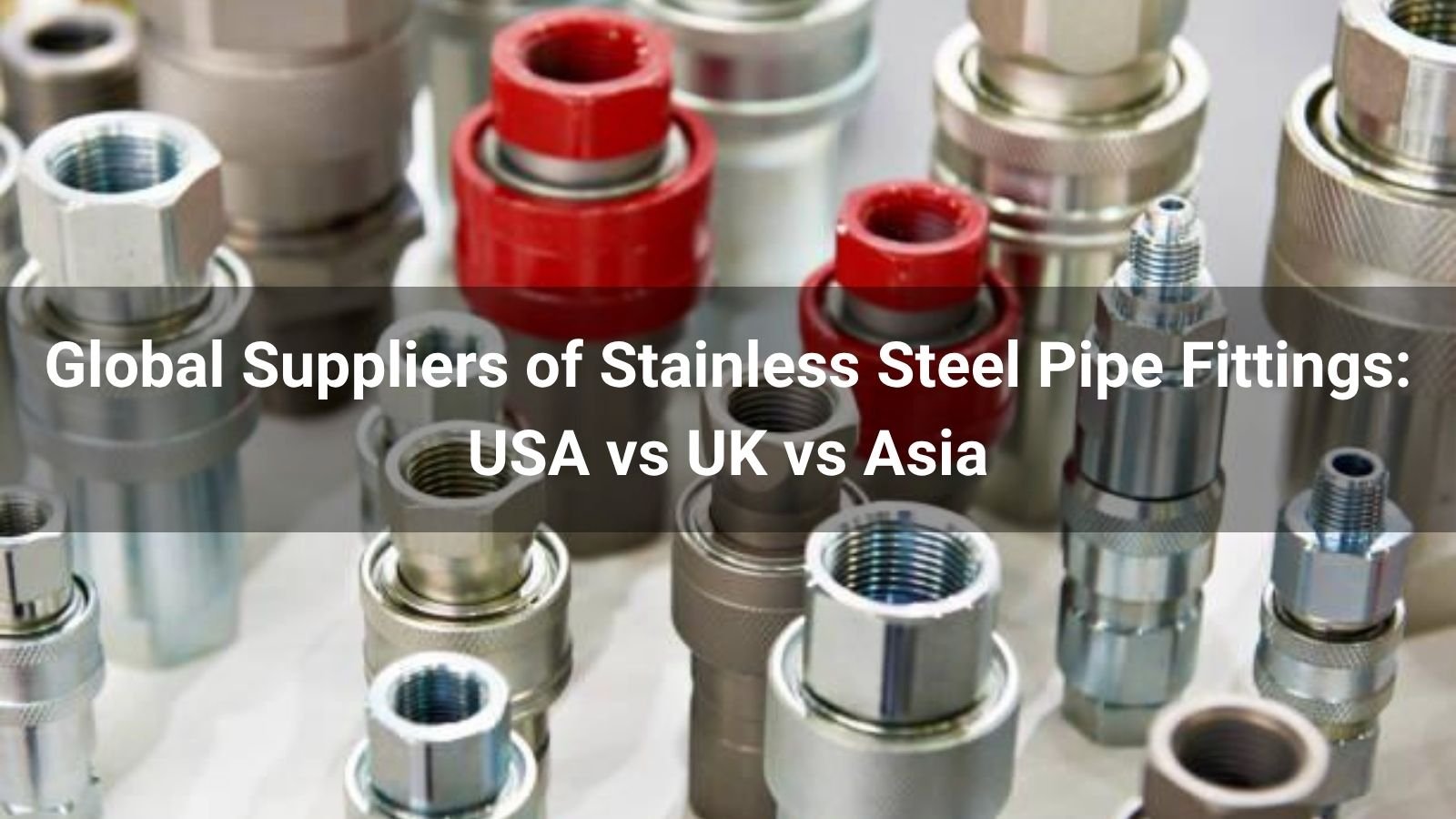
Failed パイプ継手 can trigger unexpected downtimes and cost anywhere from thousands to hundreds of thousands of dollars per hour. Then, if there are compliance penalties or shipping delays in the mix, the risks multiply quickly. Every procurement manager knows that the right supplier choice can save a project or sink it. That is why global sourcing decisions cannot be left to guesswork. The USA, UK, and Asia each bring different strengths and trade-offs when it comes to stainless steel pipe fittings. From quality standards and certifications to cost, lead time, and minimum order quantities, the differences are significant. Logistics and regional compliance rules make the market even more complex.

In this guide, we’ll compare suppliers of stainless steel pipe fittings across these three regions, highlighting what they do best and common challenges they face. You’ll see when to pick the USA, when the UK makes more sense, and when Asia is the smarter option. We’ll also cover dual-sourcing strategies and how to safely place a test order before scaling up.

Why Stainless Steel Pipe Fitting Quality & Compliance Vary by Region

At first glance, stainless steel pipe fittings look the same no matter where you source them. Most suppliers claim they are compliant with ISO, ASTM, or ASME standards. Hence, these shared frameworks create a baseline for quality across the USA, UK, and Asia. But how those standards are applied is not the same everywhere.

In the USA, detailed documentation means quality control is deeply rooted in production. The UK places heavy emphasis on traceability and EU-related compliance, often requiring extra paperwork and third-party verification. Asia offers scale and competitive pricing, and many mills produce ASME/EN-spec fittings with full MTRs. The main risk is supplier selection, hence the need to vet factories, ask for batch-level MTRs, and use third-party testing to confirm compliance.

Stainless Steel Pipe Fitting Suppliers in USA, UK, and Asia Compared: Strengths, Trade-offs & Best Fits

In practice, the “right” stainless steel pipe fittings supplier often depends on deadlines, budgets, and compliance pressure. Many teams even dual-source because each region has different strengths, trade-offs, and risks. The table below gives a side-by-side view of the main factors that could impact your stainless steel pipe fittings catalog.

Criteria USA UK Asia
Required Standards/Certificates ASME, ASTM, ISO 9001; common mill test reporting (MTRs). (ASME/ASTM) EN standards, PED (EU), UKCA/CE for UK market; ISO 9001. ASTM/JIS/GB and ISO 9001 common; certification quality varies by mill; many exporters supply ASME/EN-spec material on request.
Quality High emphasis on audit trail and documentation; strong domestic QA culture. Strong focus on third-party verification for EU projects. Good documentation culture. Mixed, many mills offer excellent MTRs and third-party testing; documentation quality depends on the selected supplier and audit frequency.
Lead Times Short for domestic stock: days – 2 weeks. Longer for custom mill runs: 4 – 8 weeks. Medium: 2 – 6 weeks typical (depends on EU/UK stock levels and customs). Custom runs similar to the USA. Expect longer total lead times when sourcing from Asia. Typical production windows plus ocean transit often push total delivery to multiple weeks. Ocean transit alone commonly ranges from 2 – 6 weeks, depending on routing and port pair.
MOQs Distributors often sell low quantities; mills expect larger lots or roll orders. Similar to the USA, distributors for small runs, mills for higher volumes. Traders/agents can provide low MOQs; mills commonly set higher MOQs for custom tooling. Many factories accept smaller orders via traders.
Cost Drivers Higher labor & energy; domestic alloy surcharge exposure; lower freight for domestic orders. Compliance and testing overheads; energy costs; duties for some imports. Lower labor costs and competitive mill pricing; alloy surcharges still apply; freight and duties add to landed cost.
Logistics Simpler domestic logistics; faster domestic clearance. Export complexity if shipping out. Good intra-EU/UK networks, but watch UK-EU divergence (UKCA timeline impacts). Customs steps post-Brexit. Longer transit; potential port congestion; must plan for customs, duties, and document verification. Air freight reduces time but increases cost.
Best Fit Fast maintenance/urgent MRO; projects requiring Buy America or strict ASME compliance. Regulated European projects where CE/UKCA/PED compliance matters. High-volume runs, competitive unit price needs, and flexible custom tooling. Good for brands scaling production.
Risk Notes Higher unit cost; some alloy price sensitivity domestically. Brexit/UKCA transitions can complicate cross-border projects; check local acceptance of CE. Quality and documentation vary by supplier. Do factory audits, ask for MTRs, and third-party tests. Plan longer lead times.

Certifications, Quality & Compliance of Stainless Steel Pipe Fittings Suppliers by Region

  • USA:

USA stainless steel pipe fittings suppliers typically follow ASME/ASTM standards. For federal projects, many U.S. buyers must meet Buy America domestic-content rules, which require domestic iron and steel for covered procurements. Many U.S. manufacturers are ISO 9001-certified and provide full mill-test reports. This rigorous quality drive yields robust, corrosion-resistant fittings (suitable for high-pressure service), but also higher prices and longer lead times.

  • UK/EU:

UK stainless steel pipe fittings suppliers emphasize CE marking (soon UKCA in Britain) under the EU Pressure Equipment Directive. Fittings sold in Europe come with EN 10204 material certificates and detailed CE/UKCA declarations. Thanks to large market volumes, prices stay moderate while documentation standards remain high. In practice, a top-category PED item requires pressure testing and a CE declaration, much like an ASME-rated part in the U.S. Suppliers in EU markets typically follow CE/EN rules. For Great Britain, suppliers should track UKCA updates; since acceptance of CE-marked goods depends on product category and guidance updates.

  • Asia:

Many stainless steel pipe fittings suppliers in Asia (China, India, etc.) compete on price and scale. They often act as high-volume OEM manufacturers or wholesale pipe fittings suppliers, producing global stainless steel pipe fittings catalogs of high-pressure parts. Some hold ISO 9001 or local standards (e.g., JIS, GB), but international buyers insist on factory audits and third-party sample testing to verify material and dimensions. Longer transit times mean planning inventory in advance. In short, Asia’s low-cost imports expand the market for high-pressure, corrosion-resistant fittings, but buyers must carefully vet certifications and inspections.

Cost, Lead Time & MOQ Comparison of Global Stainless Steel Pipe Fittings Suppliers

When sourcing stainless steel pipe fittings from global suppliers, procurement teams weigh cost, lead times, and order flexibility. These factors shift noticeably depending on whether you buy from the USA, the UK, or Asia stainless steel pipe fittings suppliers.

  • USA:

USA stainless steel pipe fittings suppliers usually charge the highest per-unit costs due to labor and compliance rules. Minimum order quantities (MOQs) are flexible, especially with pipe fitting distributors carrying stock catalogs. Lead times stretch if you need mill-direct custom fittings, but stock orders move fast. Logistics delays are lesser for domestic projects, making them best for time-sensitive or government-funded builds.

  • UK:

UK stainless steel pipe fittings suppliers strike a balance between cost and delivery. They handle wholesale pipe fittings efficiently, with moderate MOQs compared to custom runs. Lead times are shorter than in Asia but longer than those of U.S. distributors. Their logistics advantage lies in reliable regional transport networks. These suppliers are ideal for projects requiring corrosion-resistant fittings with strong documentation, such as chemical or HVAC systems.

  • Asia:

Asia stainless steel pipe fittings suppliers are cost leaders, offering the lowest unit prices. They cater to large MOQs for mill-direct orders, but wholesale pipe fittings suppliers can ship smaller lots. Lead times increase with ocean freight, sometimes adding weeks. Planning ahead helps offset transit delays. Asia stainless steel pipe fittings manufacturers excel at high pressure pipe fittings and OEM runs. Their best-fit use case is large-volume, cost-sensitive projects where logistics timelines are predictable.

Regional Strategies for Managing Risks in Sourcing Stainless Steel Pipe Fittings

  • Like every business, the stainless steel pipe fittings industry has its own risks. Hybrid sourcing reduces single-point failure risk. You can contact Asian suppliers for high-volume runs, and keep the European or US supply for time-sensitive projects.
  • If you have suppliers in different regions, you can segment them by roles. For instance, you can use USA stainless steel pipe fittings suppliers when the lead time is crucial, UK suppliers where regulatory traceability matters, and Asian mills for competitive unit cost and tooling flexibility.
  • Reduce compliance risks with dual-certified routes. Ask for ASME and UKCA/CE paperwork when projects cross borders. Also, ask for MTRs and third-party test reports from each stainless steel pipe fittings supplier. Then, keep records in a shared compliance folder.
  • If you are starting out with a new supplier, use small pilot orders to verify corrosion-resistant fittings and high pressure pipe fittings before scaling. When you’ve established trust, keep a vetted list of trusted stainless steel pipe fittings manufacturers and wholesale pipe fittings suppliers.
  • To keep projects moving and protect cost margins, hedge alloy volatility by mixing suppliers across regions. You can include steel-surcharge clauses in contracts to share the risk. Negotiate tiered pricing tied to order volume and metal indexes. Remember to track your stainless steel pipe fittings catalog prices weekly to spot swings in supply.

Stainless Steel Pipe Fittings Sourcing Channels by Region

Here are some of the channels you can use to source stainless steel pipe fittings from global suppliers:

  • USA: For equipment demos and supplier meetings, attend industry events like FABTECH. You can also use industry directories such as Thomasnet to find USA stainless steel pipe fittings suppliers. Always check the Buy America register for public-project compliance.
  • UK: Visit UK exhibitions (eg, UK Metals Expo) and BSSA (British Stainless Steel Association) meetings to meet certified vendors. You can use BSI listings and trade associations to locate UK stainless steel pipe fittings suppliers. And regional trade shows help verify CE/UKCA paperwork and PED compliance.
  • Asia: To get a broad choice of suppliers, source through the Canton Fair, Global Sources, and Alibaba Gold Suppliers. For focused catalogs and wholesale pipe fittings suppliers, use Made-in-China and Taiwantrade. You can work with local procurement agents for factory audits and sample orders.
  • Other channels: LinkedIn connects engineers and supplier representatives. Industry forums and buyer groups offer candid supplier feedback. For on-site QC and lab testing, SGS and Bureau Veritas are third-party inspection firms available.
  • Best channel: Trade shows remain top for first-hand checks and relationship building. But if you are not available for the shows, you can build a short-list with online catalogs, then run factory audits or third-party inspections before placing large orders with any stainless steel pipe fittings manufacturer.

How to Build a Region-Smart Sourcing Plan

You need to build a region-smart sourcing plan around three things: quality checks, sourcing channels, and a tight vetting process.

  • Start with product quality checks. Request full MTRs, heat numbers, and third-party lab reports. Ask for pressure and dimensional test results for high pressure pipe fittings. You can also inspect a physical sample or use a paid third-party inspection before scaling. Track traceability and corrosion-resistant fittings data in your QC folder.
  • Where and how to source depends on your priorities. You can use USA stainless steel pipe fittings suppliers for urgent domestic needs (if they are closest to your target audience). For PED/UKCA projects, work with UK stainless steel pipe fittings suppliers. Then, for competitive mill pricing and OEM flexibility, go for Asia stainless steel pipe fittings suppliers. You can combine suppliers in different regions to balance cost and speed.
  • Vetting and ordering must be procedural. Document your suppliers, their sample quality, lead time, and MOQ. Place a pilot order to further verify the product, then negotiate terms, alloy surcharge clauses, and a clear warranty. Calculate the product cost from catalogs and quotes, not just the unit price. It is advisable to keep a preferred-supplier list of vetted stainless steel pipe fittings manufacturers that you can reach into for fast reorders.

Common Red Flags (and What to Do Instead)

Warning signs often appear early in the sourcing process. Here are the common ones and how to act:

Red flags:

  • Prices far below market value for complex fittings. Usually, a sign of material or process compromises.
  • Slow, vague, or evasive communication from your contact person.
  • Missing or partial MTRs, test reports, or other important paperwork.
  • Inconsistent markings, poor packaging, or samples that differ from production units.
  • Refusal to allow third-party inspections or sample testing before production.

Do this instead:

  • Ask for batch-level MTRs and heat numbers before approving production.
  • Ask for hydrostatic or PMI testing for high pressure pipe fittings or accredited labs.
  • Inspect samples with a pilot order to validate machining, finish, and corrosion resistance.
  • Hire third-party inspectors (SGS, Bureau Veritas) for factory audits and pre-shipment checks.
  • Include acceptance criteria, retest clauses, and warranty terms in your purchase order.
  • Maintain a shortlist of vetted stainless steel pipe fittings suppliers for quick fallback.

結論

For procurement agents, the real choice of a supplier depends on balancing budget, timing, and compliance needs. Whether you need corrosion-resistant fittings for food plants, high pressure pipe fittings for oil projects, or a stainless steel pipe fittings catalog, global stainless steel pipe fittings suppliers provide different but complementary strengths. Ensure the supplier you pick is compliant with your market; verify MTRs, test reports, and certification before buying; and align your region strategy with the supplier’s strengths to meet project needs. Do the homework upfront; your projects will thank you later.

よくある質問

  • What standards should my fittings meet for US/UK/EU projects?

For the US, ask for ASME/ASTM compliance (e.g., ASME B16.9, ASTM A403). For the EU – PED conformity and EN material/certificates (EN 10204). For the UK – CE/UKCA acceptance and equivalent PED evidence.

  • How do lead times compare between USA, UK, and Asia?

Stocked parts ship fastest from local distributors (days to weeks). Custom mill runs typically take longer: U.S./UK runs often take 4 – 8 weeks. Asia orders add production plus ocean transit, commonly 6 – 12 weeks.

  • Can I meet Buy America / UKCA requirements with Asian sources?

Yes, you can meet Buy America standards with Asian sources for private projects. However, if you are sourcing stainless steel pipe fittings for government projects, then you may need to meet the Buy America requirements. Asian suppliers can meet UKCA/CE requirements if they complete the required conformity assessments and appoint an authorised representative in the UK/EU as needed.

  • Do all regions provide MTRs and third-party testing transparently?

Most reputable suppliers do. But always insist on batch-level MTRs and independent lab results.

  • Should I always dual-source fittings to hedge trade risk?

Not always, but dual-sourcing helps on critical projects. You can use domestic backup for spares and Asia sources for bulk orders.

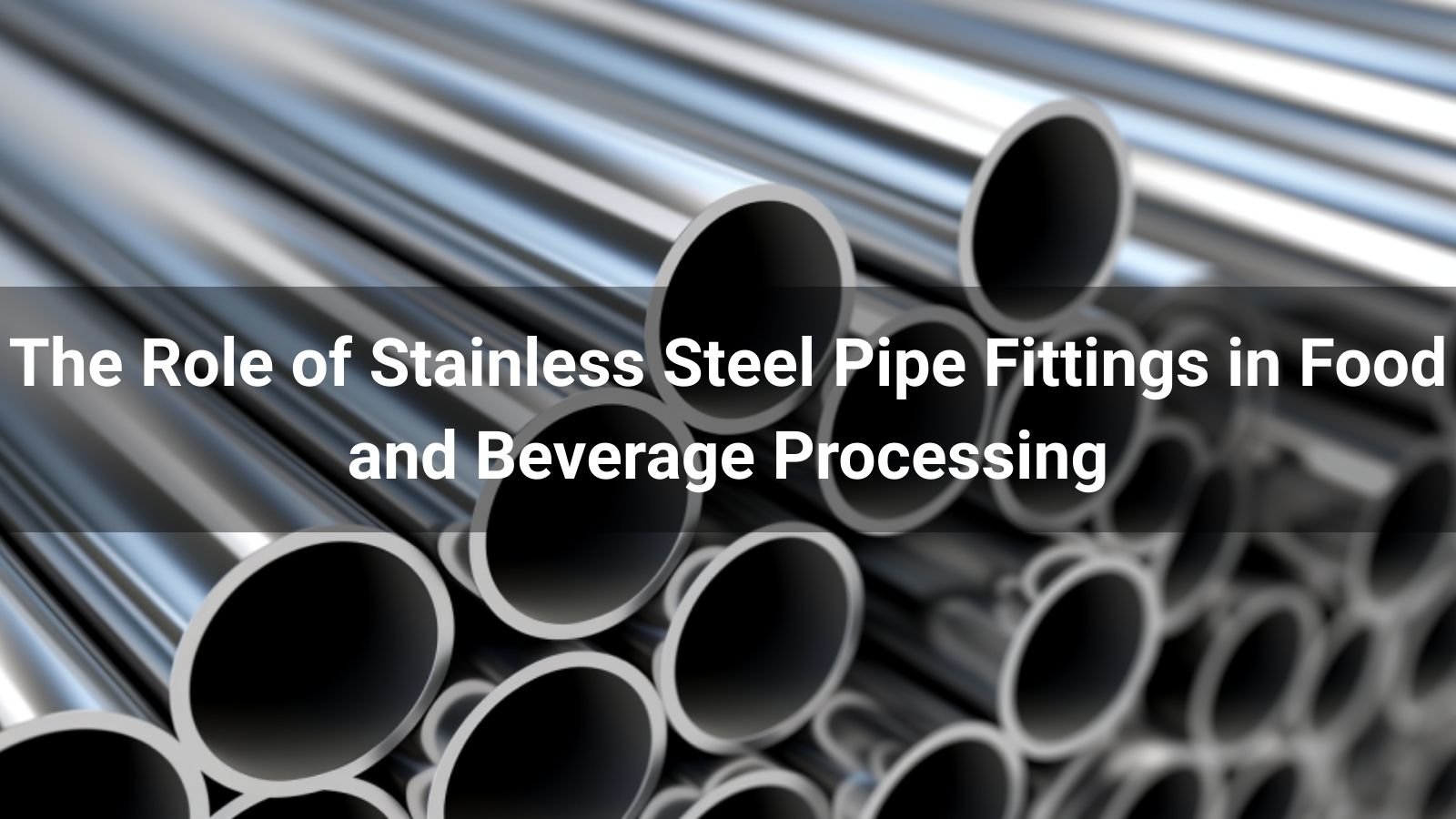
食品・飲料加工におけるステンレス鋼管継手の役割

画像提供: Mark Lee(Pixabayより)

飲み物が美味しいと感じた時の感覚、ご存知ですか?今度は、金属のような味や酸っぱい味を想像してみてください。食品・飲料加工において、こうした味を避けることが、厳格な安全・清潔基準のすべてです。

大きな機械に注目が集まりがちですが、実際には裏で稼働している小さな部品が機械を動かしています。例えば、ステンレス製の配管継手などが挙げられます。

基本的なコネクタのように見えるかもしれませんが、衛生的な流れをサポートし、汚染のリスクを軽減する上で重要な役割を果たします。

しかし、彼らは一体どうやってそれを実現しているのでしょうか?以下で見ていきましょう。

ステンレス鋼管継手とは何ですか?

最も簡単な定義は、「ステンレス鋼製の配管継手」です。配管同士を繋いだり、配管の方向を変えたりするものです。一般的に、以下のものが含まれます。

  • : 方向を変えるため。
  • T 字継手: 流れを異なるラインに分割します。
  • リデューサー: パイプのサイズを調整します。
  • カップリングとユニオン: 同じサイズのパイプを接続します。
  • アダプター: 異なるタイプまたは端部のパイプを接続します。

しかし、食品加工においては、配管や構造だけでなく、設備は設計段階から衛生的である必要があります。つまり、

  • 食べ物の粒子や細菌が隠れる小さな角や隙間はありません。
  • 掃除や洗い流しが簡単です。
  • 残留物の蓄積による汚染のリスクが低くなります。

このクリーンな設計により、加工業者は生産速度を落とさずに厳しい衛生基準を満たすことができます。

なぜステンレス鋼なのか?

画像提供: Bakhrom Tursunov(Pixabayより)

ステンレス鋼は、次のような理由から食品グレードの継手では広く好まれています。

  • 耐腐食性があり、水、洗浄剤、熱が継続的にかかっても錆びません。
  • 高圧・高温下でも耐えます。
  • 食品、化学物質、湿気と反応しません。ニッケル協会によると、食品加工においてステンレス製の配管継手が好まれる理由は以下の通り。 食品を汚染せず、食品の安全性を維持します。ステンレス製のパイプ継手は長持ちし、分解したり製品に浸出したりしません。

ステンレス鋼がより良い選択かどうかわからない場合は、ここで簡単に アルミカムロック継手との比較 決定を下すのに役立ちます。

食品・飲料加工において材料選択が重要な理由

食品・飲料の製造において、材料の選択は耐久性だけでなく、安全性も最優先事項です。不適切な材料を機器に使用すると、汚染、製品リコール、さらには消費者の健康リスクにつながる可能性があるためです。

食品・飲料工場では、毎日徹底的な洗浄が行われています。高温の水、蒸気、強力な化学薬品、そして絶え間ないすすぎが行われます。さらに、湿気、酸性の原料、そして温度変化に毎日さらされるため、非常に過酷な環境となります。すべての素材がこれに耐えられるわけではありません。

例えば、プラスチックのような安価な素材を選んだとします。最初は費用を節約できるかもしれませんが、次のような深刻なリスクを伴います。

  • 多孔質の性質による残留物の吸収
  • 熱や強力な洗剤によるひび割れ
  • 前述の亀裂による細菌汚染は、バッチ全体を台無しにする。
  • 歪みや劣化により、水漏れや繰り返しの交換が必要になる

食品の安全が危機に瀕している今、手抜きは許されません。ステンレスは初期費用は高いかもしれませんが、最終的にはその価値を生みます。汚染のリスクを負うことなく、円滑な業務運営を維持するのに役立ちます。

そして現在、規制当局は食品安全をますます重視しており、食品加工に使用される材料に対する規制を強化しています。米国では、食品安全近代化法(FSMA)により、予防措置に重点が移っています。インドは食品接触材料の監督を強化し、中国は2015年から2016年にかけて食品安全法を大幅に改正しました。一方、欧州では、食品接触工場で使用される金属および合金の基準を概説したEDQMの技術ガイドなどのガイドラインに従っています。

1 回の不良品がブランドを台無しにしてしまうような分野では、ステンレス鋼を選択することは単なる好みではなく、必須事項です。

さらに、すべてが衛生および安全基準を満たすように、これらの継手は、清潔さ、材料の品質、および設計に関する 3-A 衛生基準や ASME BPE などの認証に準拠しています。

加工工場におけるステンレス鋼継手の役割

ステンレス製のパイプ継手は、牛乳、ジュース、ビール、あるいはもっと粘度の高い液体など、あらゆる液体を加工のあらゆる段階で安全かつスムーズに通過させます。食品加工工場におけるステンレス製パイプ継手の役割をご紹介します。

1. ポンプ、フィルター、タンク、低温殺菌装置を接続する

つまり、生産ラインのさまざまな部分を連結し、すべてが適切に流れ、一つのシステムとして機能できるようにするということです。例えば、乳製品工場では、継手は貯蔵タンクから低温殺菌装置、そして瓶詰めラインに至るまで、シームレスで衛生的な流れを維持するのに役立ちます。

2. 衛生的で密封された容器への移送を保証します

これは特に、製品を瓶詰めまたは包装する準備が整った段階で重要です。フィッティングにより、容器への移し替えが衛生的になり、安全に消費できるようになります。

ジュース加工においては、果物の酸味がほとんどの材料に悪影響を及ぼす可能性がありますが、316ステンレス鋼は耐腐食性に優れ、ジュースの純度を保ちます。このグレードの鋼は、ジュースを金属反応から守り、安全で新鮮な状態を保ちます。

3. 生産工程における高圧の工程を担当する

ステンレス製の継手は強度に優れ、加工時に高圧がかかっても曲がったり、破損したり、漏れたりしません。

例えば、醸造所では、継手は熱、酸、炭酸化に耐えなければなりませんが、製品の品質や安全性を損なうことはありません。幸いなことに、ステンレス製の継手は、ビールの味や清浄度に影響を与えることなく、厳しい醸造条件に耐えられるよう作られています。

4. 掃除が簡単

これは、残留物や細菌が付着しない、滑らかで磨き上げられた内部構造によるものです。ほとんどの工場ではCIP(定置洗浄)システムを採用しており、装置を分解することなく洗浄液を装置全体に流し込むことができます。これにより時間と労力が節約され、バッチ間の迅速かつ効率的な洗浄が可能になります。

ステンレス鋼は、繰り返し洗浄しても摩耗したり滑らかな表面が失われたりすることなく、耐久性があります。 オウトクンプステンレス鋼は、CIP(定置洗浄)システムにおいて1,000回以上の洗浄サイクルにも性能を損なうことなく耐えることができます。そのため、食品・飲料、化学、製薬業界など、頻繁かつ厳格な洗浄が求められる用途に最適です。

清潔さを超えたステンレス鋼の利点

食品・飲料加工においてステンレス製継手が使用される大きな理由は清潔さですが、それはほんの始まりに過ぎません。これらの継手は、他にも長期的な価値をもたらします。清潔さ以外にも、過小評価されているものの重要な5つのメリットをご紹介します。

1. 過酷な条件に耐えられるよう設計

食品工場では、機器に過酷な負荷がかかります。温度変化、絶え間ない振動、そして動きにより、機器は急速に摩耗してしまいます。ステンレス製の継手は、故障や信頼性の低下を招くことなく、こうした条件に耐えられるように設計されています。

これにより、部品交換の回数が減り、日々の業務がスムーズになり、継続的な使用でも機器の強度を維持できます。さらに、物事が急速に変化する中で、それに対応できる部品が必要です。ステンレス鋼はそれを実現します。

2. 製品ロスを最小限に抑える

システムの漏れは、面倒な作業となり、コストの浪費につながる可能性があり、ビジネスにとってマイナスとなります。ステンレス製の継手は精密に作られており、しっかりと固定されるため、材料は所定の位置に正確に留まります。

これにより、廃棄物を削減し、バッチ品質の一貫性を維持し、敏感な原料を曝露から保護することができます。ビール、濃縮果汁、乳製品といった高価値製品では、損失の防止が不可欠であり、損失を防ぐ素材の使用が不可欠です。

画像提供: PixabayのPublicDomainPictures

3. ハイステークスなプロセス向けに作られている

これらの継手は、単に耐久性が高いだけではありません。熱処理、圧力充填、あるいは過酷な化学洗浄においても、ステンレス鋼は堅牢性を保ちます。

ステンレス鋼は形状を維持し、熱や化学物質による変形にも強く、過酷な加工工程でも高い信頼性を保ちます。安全性や製品品質を損なうことなく、圧力下でも優れた性能を発揮するように作られています。

4. 長期的にはより多くの節約につながります

ステンレス製継手は初期費用が高くなるかもしれませんが、長期的に見ればその価値は回収できます。予期せぬメンテナンスの削減、予期せぬダウンタイムの回避、バッチ不良の可能性の低減など、真の価値が得られるからです。耐用年数が長くなり、信頼性が向上するため、後々の面倒な問題も回避できます。

5. 規制遵守の確保

食品安全規制は厳しく、遵守を怠ると深刻な問題につながる可能性があります。認証を受けたステンレス製継手を使用することで、衛生、安全、材料に関する基準への準拠が容易になります。

ステンレス製継手のメンテナンスのヒント

ステンレス製の継手は耐久性に優れていますが、良好な性能を維持し、衛生状態を保つためには定期的なお手入れが必要です。ここでは、継手を最高の状態に保つためのシンプルながらも効果的なヒントをご紹介します。

画像提供: Pixabayからの写真-RaBe

1. 定期的なCIPサイクルの間も定期的に洗浄する

前述の通り、ほとんどの工場ではCIP(定置洗浄)を実施していますが、目視による確認も重要です。外装の表面を拭き、汚れやシミの兆候がないか確認しましょう。

2. 適切な洗浄剤を使用する

塩化物や漂白剤を含む強力な洗剤は、時間の経過とともにステンレス鋼の保護層を損傷する可能性があるため、使用を避けてください。食品に安全な洗剤を使用し、希釈方法に従ってください。

3. 摩耗に注意する

ステンレス鋼であっても、特に高圧領域や継手が繰り返し分解・組み立てられる場所では、疲労の兆候が現れることがあります。ガスケット、シール、接合部に漏れや応力の初期兆候がないか点検してください。損傷している場合は交換し、再利用しないでください。

4. 金属の混合を避ける

部品を交換したり、設備を拡張したりする場合は、ステンレス鋼を炭素鋼などの他の金属と混ぜないでください。混ぜると、一方の金属がもう一方の金属を腐食させるガルバニック腐食が発生する可能性があります。

5. 点検、清掃、部品交換を追跡するためにメンテナンスログを保管する

これにより、予期せぬ事態を防ぎ、監査も容易になります。定期的なメンテナンスを行うことで、ステンレス製継手は長持ちするだけでなく、製品の安全性と工場の効率性を維持するという重要な役割を継続して果たすことができます。

継手を選ぶ際に考慮すべきこと

適切な継手を選ぶことは、製品の安全性、プラントの効率性、そして長期的なコストに大きな違いをもたらします。施設に適したステンレス鋼製継手を選定する際には、以下の重要な点にご留意ください。

1. アプリケーション固有の要件

フィッティングがどのようなものを扱うかを考えてみましょう。以下の点を考慮してください。

  • 圧力と温度レベル: 高熱や高圧の流れにさらされるでしょうか?
  • 流量: 濃厚な液体や流れの速い液体を処理する必要がありますか?
  • 化学物質への曝露: 洗浄剤、酸、塩と接触しますか?
  • 環境と気象条件: どのような大気または気象条件下で機能しますか?

2. ステンレス鋼グレード

用途によって必要なステンレス鋼の種類は異なります。最も一般的なのは以下の2つです。

  • 304: 一般的な用途に最適で、耐腐食性があり、お手入れも簡単
  • 316: 塩分、酸性、または腐食性の高い環境 (ジュースや乳製品工場など) で追加の保護を提供します。

304と316のどちらのステンレス鋼を選ぶべきか迷っている場合は、このシンプルな 比較 どれがあなたのプロセスに適しているかを判断するのに役立ちます。

さらに、より特殊なニーズのために、一部の施設では特定の課題に合わせてカスタマイズされたカスタム合金を使用しています。

3. 清掃とメンテナンスの容易さ

継ぎ目がなく、残留物がつきにくい表面と、ゴミや細菌が付着しにくいシンプルなデザインの継手をお探しください。清掃しやすい継手は、清掃サイクルの時間を節約し、汚染のリスクを軽減します。

4. 既存システムとの互換性

現在の機器のサイズ、接続、レイアウトを確認してください。適切な接続は、配管や機械に大きな変更を加えることなく、シームレスに統合できるはずです。

5. 業界標準への準拠

継手が関連する衛生基準を満たしていることを確認する

最後に

食品・飲料加工においては、ごく小さな部品であっても大きな影響を与える可能性があります。ステンレス鋼製の配管継手は、衛生状態の維持、作業効率の確保、そして最初から最後まで製品の完全性を守る上で重要な役割を果たします。単に配管を接続するだけでなく、工程全体を一体化させる役割を果たします。

ステンレス鋼管は、その耐久性、耐腐食性、そして国際的な食品安全基準への適合性により、あらゆる食品加工システムの基盤となる役割を果たします。高品質のステンレス鋼製継手を選択することは、接続性だけでなく、製品、顧客、そしてブランドを守ることにも繋がります。

として ステンレス鋼管継手の大手メーカー当社は、パフォーマンス、安全性、長期的な信頼性を重視して構築された製品とソリューションで食品・飲料会社をサポートできることを誇りに思っています。

処理システムをアップグレードする準備はできていますか? 今すぐ当社チームにご連絡ください 当社のステンレス製継手について詳しくご覧ください。

よくある質問

通常のスチール製継手を使用しないのはなぜですか?

通常の鋼は錆びやすく腐食しやすいため、食品を汚染したり、機器を急速に損傷したりする可能性があります。ステンレス鋼はこれらの問題を回避します。

304 ステンレス鋼と 316 ステンレス鋼の大きな違いは何ですか?

316 にはモリブデンという成分が追加されており、特に塩分や酸性の環境での耐腐食性がさらに高まります。

これらの継手はどれくらい長持ちしますか?

適切に設置され、適切に管理されていれば、ステンレス製の継手は、それが取り付けられている機器と同じくらい長く、通常は数年から数十年も使用できます。

ステンレス鋼に代わる実用的な代替品はありますか?

一部のプラスチックは特定のケースで使用されますが、ほとんどの食品および飲料の加工においては、ステンレス鋼が依然として最も信頼性が高く安全な選択肢です。

化学産業の安全のためのカムロックカップリング:運用リスクの軽減

化学業界では、事故を防ぎ、効率を維持するために、安全な流体移送を確保することが重要です。 カムロックカップリング—別名 カム&グルーブカップリング漏れ、腐食、人為的ミスなどのリスクを軽減する信頼性の高いソリューションを提供します。この記事では、 ProCamlockカムロックカップリング 強化する 化学産業の安全業務を効率化し、労働者と環境の両方を保護します。

化学処理におけるリスクの理解

化学処理には、危険な液体、腐食性物質、揮発性物質の取り扱いが含まれるため、安全は最優先事項です。一般的なリスクには以下のようなものがあります。

  • 漏れと流出: 品質の悪い接続は化学物質の漏れにつながり、健康や環境に危険をもたらします。
  • 腐食による損傷: 腐食性の液体は従来の継手を劣化させ、システム障害を引き起こします。
  • ヒューマンエラー: システムが複雑になると、接続時や切断時にミスが発生する可能性が高くなります。
  • ダウンタイム: 設備の故障や頻繁なメンテナンスにより、生産の遅延が発生し、コストのかかる事態が発生します。

これらの課題に対処するために、化学メーカーは クイックディスコネクトフィッティング 高速で信頼性が高く、過酷な条件にも耐えられる。これが 化学産業の安全のためのカムロックカップリング 輝く。

カムロックカップリングが化学産業の安全性を高める仕組み

カムロックカップリング クイックコネクトフィッティングは、工具を使わずに数秒で確実に接続できる接続方法です。化学アプリケーションにおける安全性と効率性の向上方法をご紹介します。

  • 漏れ防止: 密閉性が優れているため、化学物質の移送中に危険な物質にさらされたり、無駄になったりすることが最小限に抑えられます。
  • 耐腐食性: 入手可能な ステンレス鋼カムロックカップリングポリプロピレン、その他の耐薬品性材料。
  • クイック操作: ツール不要の設計により接続時間が短縮され、人為的エラーのリスクが低減します。
  • 汎用性: ホース、パイプ、貯蔵ユニットなど、さまざまな化学物質移送システムと互換性があります。
  • 耐久性: 過酷な環境にも耐え、劣化することなく繰り返し使用できるように設計されています。

カムロックカップリングをご覧ください 化学処理のニーズに最適なものを見つけてください。

化学プロセスにおけるカムロックカップリングの実際の応用

カムロックカップリング さまざまな化学処理シナリオに不可欠であり、安全性と効率性を確保します。

  • 酸とアルカリの取り扱い: 腐食性物質に対する高い耐性により、安全な取り扱いとオペレーターの保護が保証されます。
  • 溶媒移動: 移送作業中の蒸気の放出と流出を最小限に抑えます。
  • 廃棄物処理システム: 素早いセットアップと解体により、システムのクリーニングとメンテナンスを迅速に行うことができます。
  • タンクローリーの積み込み/積み下ろし: 車両と施設間の液体の移送を効率化し、ダウンタイムを削減します。
  • 医薬品製造: 敏感な化学プロセスにおける汚染のない接続を保証します。

カムロックカップリングにおいて品質が重要な理由

すべてではない カムロックカップリング すべて同じです。品質の低い継手は次のような問題を引き起こす可能性があります。

  • 緩い継手により、漏れや露出のリスクが高まります。
  • 圧力や強力な化学物質の影響により早期に摩耗します。
  • 頻繁な交換や故障によるシステムのダウンタイム。

高品質のものを選ぶ 化学産業の安全のためのカムロック継手 信頼できるメーカーから購入することで、信頼性と長期的なパフォーマンスが保証されます。

ProCamlock: 化学産業向けカムロックカップリングの信頼できるパートナー

プロカムロック プレミアム製品の大手メーカーです カムロックカップリング化学分野向けのソリューションを専門とする当社。当社が他社と一線を画す理由は次のとおりです。

  • 幅広い製品ラインナップ: 提供 ステンレス鋼カムロックカップリングアルミニウム、ポリプロピレン、真鍮など、多様な用途に使用できます。
  • 精密製造: 厳格な品質管理を実施した ISO、CE、RoHS 認証製品。
  • カスタムソリューション: 特定の化学ワークフローに合わせた OEM サポートとカスタマイズされたサイズ/材料。
  • グローバルサービスネットワーク: 北米、ヨーロッパ、アジア全域にわたる迅速な配送とテクニカル サポート。

数十年にわたる経験により、 プロカムロック 化学施設のより安全かつスマートな運営を支援します。 今すぐお問い合わせください 専門家の相談を受ける。

よくある質問(FAQ)

化学業界ではカムロック カップリングは何に使用されますか?
カムロック カップリングは、酸処理、溶媒移送、廃棄物処理などの化学物質移送中に安全で漏れのない接続を行うために使用されます。

ProCamlock カムロック カップリングはすべての化学物質と互換性がありますか?
はい、私たちの カムロックカップリング ステンレス鋼やポリプロピレンなどの材料で提供されており、幅広い化学物質との適合性が保証されています。

最後に

たった一度の漏れが大惨事につながる化学業界では、信頼性の高い 化学産業の安全のためのカムロックカップリング は不可欠です。 ProCamlockカムロックカップリング 運用リスクを軽減し、安全性と生産性を確保する、堅牢で効率的なソリューションを提供します。化学処理オペレーションのレベルアップを目指してみませんか? 今すぐProCamlockにお問い合わせください

2025年の世界トップ10ステンレス鋼カムロックカップリングサプライヤー

ステンレス鋼製カムロックカップリングは、流体移送のための安全で迅速な接続ソリューションを必要とする業界にとって不可欠な部品です。耐久性、耐腐食性、汎用性で知られるこれらの継手は、食品・飲料、医薬品、石油・ガス、化学処理などの分野で広く使用されています。特定の用途のニーズを満たす高品質で規格に準拠した製品を確保するには、信頼できるサプライヤーを選定することが不可欠です。この記事では、ステンレス鋼製カムロックカップリングの世界トップ10メーカーを取り上げ、それぞれの専門知識、製品ラインナップ、そして業界での評判を紹介します。工業用、衛生用、高圧用途など、どのような用途にも対応できるこれらのサプライヤーは、卓越したソリューションを提供します。

1. プロカムロック

ポリプロピレンカムロックカップリング

会社概要:
ProCamlockは2015年に設立され、中国浙江省衢州市常山工業園区に本社を置く、ステンレス製カムロックカップリングの大手メーカー兼サプライヤーです。10年にわたる製造経験を持つ同社は、特にカムロックカップリングとバルブの分野で、高品質の流体移送ソリューションを提供することで高い評価を得ています。ProCamlockは、33,000平方メートルを超える最先端の製造施設を運営し、300人以上の熱心な専門家を雇用しています。工場は、精密鋳造、CNC加工、厳格な品質管理システムなどの高度な技術を備えており、ISO 9001:2015、ISO 14001、CE、RoHS、TS認証に準拠しています。これにより、ProCamlockは、化学処理、石油・ガス、食品製造、水処理などの要求の厳しい産業用途に合わせてカスタマイズされた、耐久性と耐腐食性に優れたステンレス製カムロックカップリングを製造できます。

創業以来、ProCamlockは着実な成長を遂げ、北米、ヨーロッパをはじめとする世界各国への輸出を通じてグローバル展開を拡大しています。ProCamlockはカスタマイズを重視し、サイズ、材質、デザインなど、お客様のご要望に合わせたオーダーメイドのステンレス製カムロックカップリングソリューションを提供しています。革新性、品質、そして顧客満足へのコミットメントは、24時間365日対応のオンラインサポートや、評価用の図面やサンプルの提供体制からも明らかです。工場では、厳格な品質基準を遵守しながら高い生産性を維持し、製造されたすべてのカップリングに対して徹底的な検査を実施することで、信頼性と耐漏れ性を確保しています。ProCamlockは、コスト効率に優れた高性能なステンレス製カムロックカップリングと関連継手の提供に注力することで、流体処理業界における信頼の地位を確立しています。

主な製品:

  • ステンレス鋼製カムロックカップリング(タイプA、B、C、D、E、F、DC、DP)
  • サニタリートライクランプ継手
  • ボールバルブ
  • ガスケットとシール
  • カスタム衛生器具

2. シールファスト株式会社

会社概要:
シールファースト社は、テキサス州ヒューストンに本社を置く、ステンレススチール製カムロックカップリングを専門とする工業製品のトップメーカー兼サプライヤーです。1933年にJEボボ氏によって設立され、販売代理店業務からスタートしました。1965年には、カム&グルーブカップリングの製造に専念するため、シールファースト社を設立しました。1982年には、JEボボ社と合併し、シールファースト-ボボ社となりました。90年以上にわたる製造経験を持つシールファースト社は、化学処理、石油・ガス、水処理、農業、防火などの業界向けに、信頼性の高い高品質のソリューションを提供する、世界的に認められたリーダー企業に成長しました。ISO 9001:2015の認証を取得し、優れた品質管理を保証している同社は、ヒューストンの近代的な工場で耐久性のあるステンレススチール製カムロックカップリングやその他の継手を製造しています。シールファースト社は、革新と顧客満足への取り組みを原動力に、強固なグローバル流通ネットワークを構築しながら、継続的な発展を続けています。当工場では、安全で漏れのない流体移送のために設計された製品を提供し、幅広い用途をサポートしています。

主な製品:

  • ステンレス製カムロックカップリング(1/2インチ~6インチ)
  • ホース継手
  • 産業用バルブ
  • クイックコネクトフィッティング
  • 燃料および化学用途向けカスタムカップリング

3. K&Gマシナリー株式会社

会社概要:
K&G Machinery Co., Ltd.は、1988年に中国浙江省玉環市に設立され、ステンレス製カムロックカップリングやその他の流体技術ソリューションを専門とする大手メーカー兼サプライヤーです。約40年の製造経験を持つK&Gは、ホースカップリング、パイプ継手、ホースクランプに重点を置くK&Gと、バルブ専用のCANTAIという2つのブランドで事業を展開する国際的な流体技術企業へと成長しました。同社は、耐久性、耐腐食性、使いやすさで知られる高品質のステンレス製カムロックカップリングを提供することで高い評価を得ており、石油・ガス、化学処理、農業、水処理などの業界にサービスを提供しています。K&Gの品質への取り組みは、CE、ISO9001、OHSAS18001、ISO14001などの国際認証によって証明されており、信頼性を確保するために出荷前に100%製品テストを実施しています。

主な製品:

  • ステンレス鋼製カムロックカップリング(タイプA、B、C、D、E、F、DC、DP)
  • 真鍮とアルミニウムのカムロック継手
  • ポリプロピレンカムロックカップリング
  • バウアーカップリング
  • ホースクランプとバルブ

4. ラブロック工業株式会社

会社概要:
2010年に中国上海に設立されたLOVELOCK Industry Co., Ltd.は、高品質のカムロックカップリングを含む流体移送システムを専門としています。石油、化学、農業などの業界にサービスを提供するLOVELOCKは、顧客満足度、持続可能性、迅速な納品を重視しています。製品は国際基準を満たし、革新へのこだわりによって、信頼性の高い耐腐食性継手を提供しています。

主な製品:

  • ステンレス製カムロックカップリング(1/2インチ~6インチ)
  • 真鍮とアルミニウムのカムロック継手
  • ピンラグカップリング
  • ホースシャンク
  • ユニバーサルエアカップリング

5. 寧波チリ金属製品有限公司

会社概要:
中国浙江省慈渓市、寧波港と上海港に近い寧波チリ金属製品有限公司は、工業用ホースアクセサリーの専門メーカーです。品質と価格の安さを重視し、カムロックカップリングは北米、オーストラリア、ヨーロッパ、東南アジアに輸出されています。ISO 9001:2015認証取得と戦略的な立地条件により、効率的な生産と納品を実現しています。

主な製品:

  • ステンレス鋼製カムロックカップリング(タイプA、B、C、D、E、F)
  • ストルツカップリング
  • ギユマンカップリング
  • ピンラグカップリング
  • ホースクランプ

6. ユニオンメタル

会社概要:
ユニオンメタルは15年以上の経験を持つ、中国に拠点を置く信頼できるカムロック継手サプライヤーです。高品質のステンレス鋼304および316カムロックカップリングを専門とし、石油、鉱業、化学などの業界にサービスを提供しています。製品はEN14420-8規格に準拠しており、競争力のある価格設定と迅速な顧客サービスへの注力により、世界的に選ばれるサプライヤーとなっています。

主な製品:

  • ステンレス鋼カムロックカップリング(SS304、SS316)
  • アルミニウムと真鍮のカムロック継手
  • ポリプロピレンカムロックカップリング
  • トライクランプ継手
  • DIN11851継手

7. ネクターインコーポレーション

会社概要:
インドに拠点を置くNectar Incorporationは、高品質と競争力のある価格で知られるステンレス製カムロックカップリングの専門メーカーです。食品加工や化学薬品などの業界に製品を提供しており、衛生設備や工業用途向けの耐腐食性継手に重点を置いています。顧客満足度と効率的な生産への取り組みにより、世界市場で高い評価を得ています。

主な製品:

  • ステンレス鋼製カムロックカップリング(タイプA、B、C、D、E、F、DC、DP)
  • 衛生器具
  • ホースシャンク
  • クイックコネクトアダプター
  • カスタムカムロック継手

8. 済南ICMインダストリーズバルブ&フィッティング株式会社

会社概要:
中国に拠点を置く済南ICM工業は、ステンレス製カムロックカップリングをはじめとする産業用継手のリーディングカンパニーです。品質と精度に重点を置いた同社の製品は、防火、石油、化学産業で使用されています。主要港湾に近接しているため、効率的な国際輸送が可能で、国際基準への準拠により信頼性も確保されています。

主な製品:

  • ステンレス製カムロックカップリング(1/2インチ~6インチ)
  • アルミニウムと真鍮のカムロック継手
  • ポリプロピレンカムロックカップリング
  • エアホースカップリング
  • シュアロックエアホースカップリング

9. チャムンダエンジニアリングソリューション

会社概要:
インド、グジャラート州アフマダーバードに拠点を置くChamunda Engineering Solutionsは、ステンレス鋼304製カムロックカップリングの大手メーカー兼サプライヤーです。国内外の市場に製品を提供しており、流体移送用途における耐久性と防錆性に優れた継手の開発に注力しています。納期厳守と高品質へのこだわりにより、産業界のお客様から信頼を得ています。

主な製品:

  • ステンレス鋼 304 カムロック カップリング (タイプ A、B、C、D、E、F、DC、DP)
  • 水分分離器
  • ナイフエッジゲートバルブ
  • 歯髄弁
  • クイックリリースカップリング

10. チューブス・インターナショナル

会社概要:
ポーランドのポズナンに拠点を置くTubes Internationalは、1994年の創業以来、カムロックカップリングの信頼できるサプライヤーとして信頼を得ています。ステンレス鋼、アルミニウム、ポリプロピレン製の継手を専門とし、石油・ガス、化学などの業界にサービスを提供しています。同社の製品は、米国MIL規格MIL-C-27487および欧州規格EN 14420-7に準拠しており、互換性と信頼性を確保しています。

主な製品:

  • ステンレス製カムロックカップリング(1/2インチ~8インチ)
  • アルミニウムと真鍮のカムロック継手
  • ポリプロピレンカムロックカップリング
  • フランジ付きカムロック継手
  • ガスケット(NBR、EPDM、Viton)

結論

ステンレス鋼製カムロックカップリングの世界市場は活況を呈しており、大手メーカーは様々な業界向けに高品質で耐久性に優れた汎用性の高いソリューションを提供しています。Steel & O'Brienの衛生技術の専門知識からSeal Fastの100年にわたる歴史まで、これらのサプライヤーは厳格な基準とアプリケーションのニーズを満たす製品を提供しています。耐腐食性、迅速な納品、カスタマイズなど、お客様のニーズに合わせて、これらの企業は信頼できる選択肢を提供します。最高品質のカムロックカップリングをお探しの企業にとって、信頼できるサプライヤーとの提携は不可欠です。 プロカムロック 業界の専門知識に裏打ちされたプレミアム製品へのアクセスを保証します。 ProCamlockのウェブサイト ぜひ、革新的なソリューションを探求し、今すぐ流体移送システムを向上させてください。


ブログ

探検する トピック

カムロックの種類

さまざまなカムロックの概要
カップリングタイプ。

カムロックの種類

さまざまなカムロックの概要
カップリングタイプ。

カムロックの種類

さまざまなカムロックの概要
カップリングタイプ。

カムロックの種類

さまざまなカムロックの概要
カップリングタイプ。

カムロックの種類

さまざまなカムロックの概要
カップリングタイプ。
jaJapanese
上部へスクロール