산업 분야에서는 캠록 피팅 편리한 연결 방식과 다양한 용도로 널리 사용됩니다. 하지만 성능과 수명을 보장하려면 적절한 재질을 선택하는 것이 중요합니다. 오늘은 캠록 피팅에 사용되는 알루미늄, 스테인리스 스틸, 황동의 용도를 자세히 살펴보고 현명한 결정을 내릴 수 있도록 도와드리겠습니다.
소개
캠록 피팅이란?
캠록 피팅(퀵 커플러라고도 함)은 액체와 기체의 전달에 사용되는 연결 장치입니다. 이 피팅은 회전 잠금 장치를 통해 빠르고 안전하게 연결되는 암수형 부품으로 구성됩니다. 캠록 피팅은 효율성, 사용 편의성, 그리고 신뢰성 덕분에 화학, 식음료, 의료 장비 등 다양한 산업 분야에서 널리 사용됩니다.
캠록 피팅에 있어 재료 선택이 중요한 이유
캠록 피팅에 적합한 소재를 선택하는 것은 성능, 내구성, 그리고 비용 효율성에 직접적인 영향을 미치므로 매우 중요합니다. 소재는 피팅이 압력, 온도, 부식성 물질 노출 등 환경 요인을 얼마나 잘 견딜 수 있는지를 결정합니다. 적절한 소재를 선택하면 시스템 효율을 높이고, 유지 보수 비용을 절감하며, 장비 수명을 연장할 수 있습니다.
캠록 피팅의 일반 재료
알류미늄
성능 특성
가벼움: 알루미늄 캠록 피팅은 가볍기 때문에 설치와 운반이 쉽습니다.
좋은 열전도도: 빠른 열 방출이 필요한 용도에 적합합니다.
부식 저항성: 알루미늄은 특정 환경에서 우수한 내식성을 제공합니다.
적합한 응용 프로그램
경부하 적용 분야: 저압, 저부하 액체 전송 시스템에 이상적입니다.
식품 및 음료 산업: 알루미늄은 청소하기 쉽고 위생 기준을 충족합니다.
장단점
장점: 가볍고 비용 효율적이어서 예산이 제한된 프로젝트에 적합합니다.
단점: 강도와 내마모성이 낮아 고강도 환경에는 적합하지 않습니다.
스테인리스 스틸
성능 특성
고강도: 스테인리스 스틸은 뛰어난 기계적 강도를 제공하여 혹독한 환경에도 적합합니다.
뛰어난 내식성: 산성 및 알칼리성 환경에서도 우수한 성능을 발휘하여 서비스 수명을 연장합니다.
고온 저항성: 고온 작동을 견딜 수 있어 고온 전달 시스템에 적합합니다.
적합한 응용 프로그램
화학 산업: 다양한 화학 매체에는 높은 내식성이 요구됩니다.
석유 및 가스 산업: 고압, 고온 환경에서는 높은 신뢰성이 필요합니다.
장단점
장점: 내구성이 뛰어나고 유지관리 비용이 낮아 장기 사용에 이상적입니다.
단점: 비용이 더 많이 들고 무게도 무거워서 설치 부담이 커질 수 있습니다.
놋쇠
성능 특성
좋은 전기 전도도: 전기적 연결이 필요한 애플리케이션에 적합합니다.
항균 특성: 천연 항균성이 뛰어나 위생 요구 사항이 높은 환경에 적합합니다.
높은 작업성: 복잡한 모양으로 쉽게 제작할 수 있어 다양한 요구 사항을 충족할 수 있습니다.
적합한 응용 프로그램
의료 장비: 항균 특성은 의료 환경에서 위생적인 안전을 보장합니다.
수처리 시스템: 부식 방지 기능이 뛰어나고 세척이 용이하여 수처리 분야에 적합합니다.
장단점
장점: 부식 방지 및 항균 기능이 뛰어나 특정 고요구 적용 분야에 이상적입니다.
단점: 스테인리스 스틸에 비해 강도는 낮고 가격은 적당하지만 알루미늄만큼 경제적이지는 않습니다.
다양한 재료의 비교
내식성
스테인리스 스틸 > 황동 > 알루미늄 스테인리스 스틸은 다양한 부식성 환경에서 가장 우수한 성능을 발휘하며, 그 다음으로 황동이 우수합니다. 알루미늄 또한 특정 환경에서 우수한 내식성을 제공합니다.
강도와 내구성
스테인리스 스틸 > 황동 > 알루미늄 스테인리스 스틸은 기계적 강도와 내구성이 가장 높고, 황동은 중간 수준이고, 알루미늄은 낮아서 다양한 강도 요구 사항에 적합합니다.
무게
알루미늄 < 황동 < 스테인리스 스틸 알루미늄은 가장 가벼워서 전체 무게를 줄이는 것이 중요한 시스템에 이상적이며, 스테인리스 스틸은 가장 무겁고 고강도, 고하중 적용 분야에 적합합니다.
비용
알루미늄 < 황동 < 스테인리스 스틸 알루미늄은 가장 비용 효율적이며 예산이 제한된 프로젝트에 적합합니다. 스테인리스 스틸은 가장 비싸지만 더 긴 수명과 더 높은 성능을 제공합니다.
유지 보수 및 보수
스테인리스 스틸은 유지관리가 쉽습니다.
황동은 산화를 방지하기 위해 정기적인 검사가 필요합니다.
알루미늄은 긁힘에 약해 성능에 영향을 줄 수 있습니다. 소재를 선택할 때는 편의성과 유지 관리 빈도를 고려하세요.
특정 응용 분야를 위한 재료 선택
산업용 액체 전송
선호하는 재료: 스테인리스 스틸
이유: 다양한 혹독한 환경을 견딜 수 있는 높은 강도와 내식성을 갖춰 안정적이고 안전한 액체 전송을 보장합니다.
식품 및 음료 산업
선호하는 재료: 알루미늄 또는 스테인리스 스틸
이유: 알루미늄은 가볍고 청소가 쉬운 반면, 스테인리스 스틸은 부식 방지 기능이 뛰어나고 위생 기준을 충족하므로 식품 및 음료 산업의 특정 요구 사항을 충족합니다.
농업 및 화학 가공
선호하는 재료: 스테인리스 스틸
이유: 부식 방지 및 내화학성이 뛰어나 농업 및 화학 가공 과정에서 발생하는 다양한 문제를 처리할 수 있으며 장비 수명을 연장할 수 있습니다.
석유 및 가스
선호하는 재료: 스테인리스 스틸
이유: 높은 강도와 고온, 고압에 대한 내구성을 갖추고 있어 극한 환경에서도 신뢰성과 안전성을 보장합니다.
의료 장비
선호하는 재료: 놋쇠
이유: 항균 특성과 높은 작업성은 의료 환경의 엄격한 위생 기준을 충족하여 장비의 안전성과 신뢰성을 보장합니다.
캠록 피팅용 소재를 선택할 때는 사용 환경, 예산 제약, 그리고 유지 보수 요건을 반드시 고려해야 합니다. 소재마다 성능은 다르므로, 적합한 소재를 선택하면 효율적인 시스템 운영과 장기적인 사용이 보장됩니다.
추천 재료 선택
장기적인 신뢰성을 보장하기 위해 성능과 비용의 균형을 고려하여 특정 용도에 가장 적합한 소재를 선택하십시오. 예를 들어, 스테인리스 스틸은 부식성이 강한 환경에 적합하며, 알루미늄은 가볍고 비용 효율적인 환경에 적합합니다.
캠록 피팅에 사용되는 알루미늄, 스테인리스 스틸, 황동의 용도, 장단점을 철저히 이해하면 실제 요구 사항에 맞는 최적의 선택을 할 수 있으며, 이를 통해 시스템의 전반적인 효율성과 신뢰성을 향상시킬 수 있습니다. 산업용 액체 전달, 식음료, 의료 장비 등 어떤 분야에서든 올바른 소재를 선택하는 것은 성공을 향한 중요한 단계입니다.
Hoses are essential tools for transporting liquids, gases, and various materials in industrial, commercial, and domestic settings. With many types available—from flexible garden hoses to heavy-duty industrial hoses—understanding their applications, fittings, and performance is crucial to ensuring safety and efficiency.
In this comprehensive guide, we’ll walk you through everything you need to know about hoses, including the different types of hoses, hose threads, their applications, and how to choose the right one for your needs. We’ll also cover installation and testing tips to ensure optimal performance.
What Are Hoses Used For?
Hoses are critical in many industries and everyday tasks, serving as a flexible conduit for liquids, gases, and other materials. From watering gardens to industrial applications like firefighting or oil transportation, hoses come in a wide variety to suit different functions.
There are numerous types of hoses, including:
Garden Hoses: Lightweight and flexible, ideal for watering plants or washing cars.
Industrial Hoses: Built for high-pressure environments like firefighting, manufacturing, or oil transport.
Heavy-duty Hoses: Suitable for specialized tasks requiring resistance to high pressures and extreme temperatures.
How to Choose the Right Hose for the Job
Choosing the right hose is crucial for both performance and safety. Using the wrong hose for a job could result in damage, leaks, or safety hazards. Here’s how you can make the best choice:
Consider the Material and Construction: Depending on the type of liquid or gas being transported, you’ll need a hose made from materials that offer the necessary resistance to wear, chemicals, or temperature fluctuations.
압력과 온도: Determine the required pressure rating and temperature resistance for your application. Some hoses are designed for high-pressure environments, while others are better suited for low-pressure tasks.
Length and Diameter: Ensure the hose length and diameter match the needs of your task. For industrial tasks, a larger diameter and longer length may be necessary.
Understanding Hose Threads
Hose threads play a crucial role in this ultimate guide to threads as it ensures a tight and leak-free connection.
National Pipe Thread (NPT): This style of thread is most popular in North America, utilizing internal and external taper threads for a secure, liquid, or gas-tight seal. Often paired with Stainless Steel Pipe Fittings, these threads provide enhanced durability and corrosion resistance in demanding environments.
British Standard Pipe (BSP): This type of thread is also popular in Europe; there are two types of BSP threads, BSPP (parallel) and BSPT (taper); these are the most common. They are similar to NPT but have differences in angle and shape, which makes it hard to interchange them.
Garden Hose Threads (GHT): Most household garden hoses are fitted with GHT threads, which have a larger diameter and are more suitable for household water pressure and tap fittings.
Flare and Compression Threads: These threads are employed for particular purposes, such as gas hoses or refrigeration hoses. These threads provide a very high-pressure seal without supplementary sealing materials.
Just like the different thread types, different designs are also employed for different pressure ratings. Always remember the type of thread you have when buying or changing a hose since different threads may lead to leaks or even damage.
What Are the Application Fields of Hoses?
As with thread types, different hose designs accommodate various pressure ratings. Be sure to match thread type when buying or replacing a hose to avoid leaks or damage, especially as you consider the application fields of hoses that you’ll need for your specific environment.
Gardening and Landscaping: A garden hose is quite a commonly found tool. It literally takes only a few seconds to connect it, and it is extremely lightweight. This makes garden hoses ideal for bathing pets, watering flowers or even small pools.
Automotive and Mechanical: These types of hoses are heavily used in constructing parts for automobiles, such as the automotive fuel systems or air conditioning units due to their ability to handle high temperatures and acidic conditions.
Construction and Industrial Work: Workers in construction or industrial sites often use very high-pressure hoses that are designed to withstand the immense pressure created by transporting concrete, oil, or water. There is a great need for hoses that can endure harsh environments.
음식 및 음료: Hoses in the food and beverage industries, such as breweries, food processing, and bottling industries, are used to transport liquids. These are made of materials that are safe for food contact and usually fit with smooth inner surfaces to inhibit the growth of bacteria.
Chemical and Petroleum Industries: These particular hoses are built to be high-pressure and corrosion-resistant. This feature is important for the secure transportation of toxic and dangerous materials.
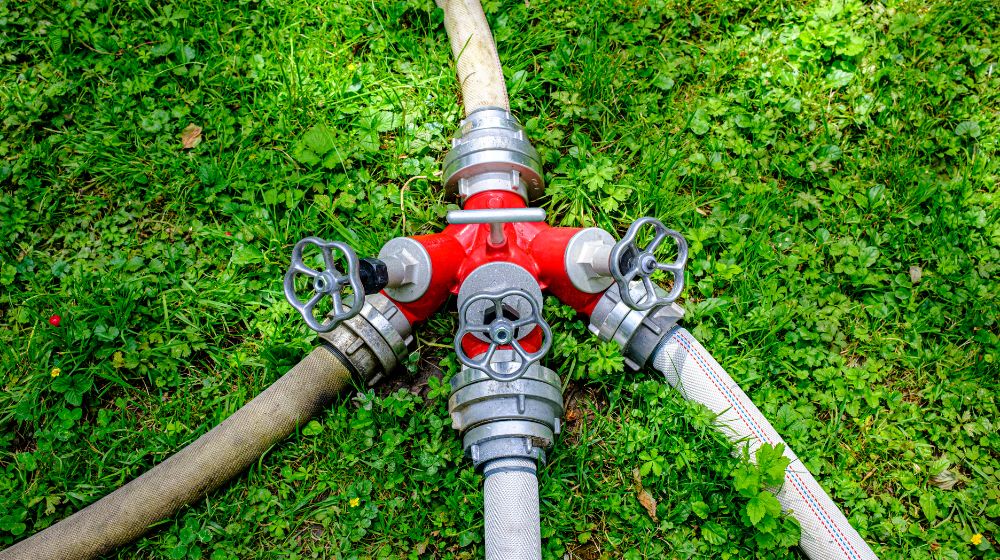
Fire Fighting and Other Emergency Services: Fire hoses withstand pressure and are made of strong materials for quick response during an emergency.
Choosing the Right Material for Your Hose and Fittings
When it comes to hoses and fittings, the material is one of the most vital selection criteria regarding durability and compatibility with the fluid or gas in use.
Some of the materials include rubber, PVC, and stainless steel – the latter is much sought after especially in Stainless Steel Pipe Fittings due to its ability to resist corrosion as well as the fact that it is suitable for high pressure uses.
Hose Material
응용 프로그램
장점
고무
Industrial, automotive
Flexible, durable
PVC
Garden, household
Lightweight, cost-effective
스테인리스 스틸
Industrial, high-pressure
Corrosion-resistant, handles high heat
How to Connect and Install the Hose?
Proper installation is critical for your hose’s operation and longevity. Here’s a brief guide on how to connect and install the hose properly:
Step 1: Choose the Right Fittings
Ensure the same thread fittings are available for the hose and connector like GHT for garden usage and NPT for industrial use. Always confirm the specifications, so that a tight fit is provided.
Step 2: Inspect Seals and Washers
Seals and washers are essential components in the prevention of any form of leaks. Always ensure these parts are not damaged or missing before attaching the hose. For garden hoses, most of the time, a standard rubber washer will suffice. For higher-pressure settings, use reinforced washers.
Step 3: Tighten Connections Securely
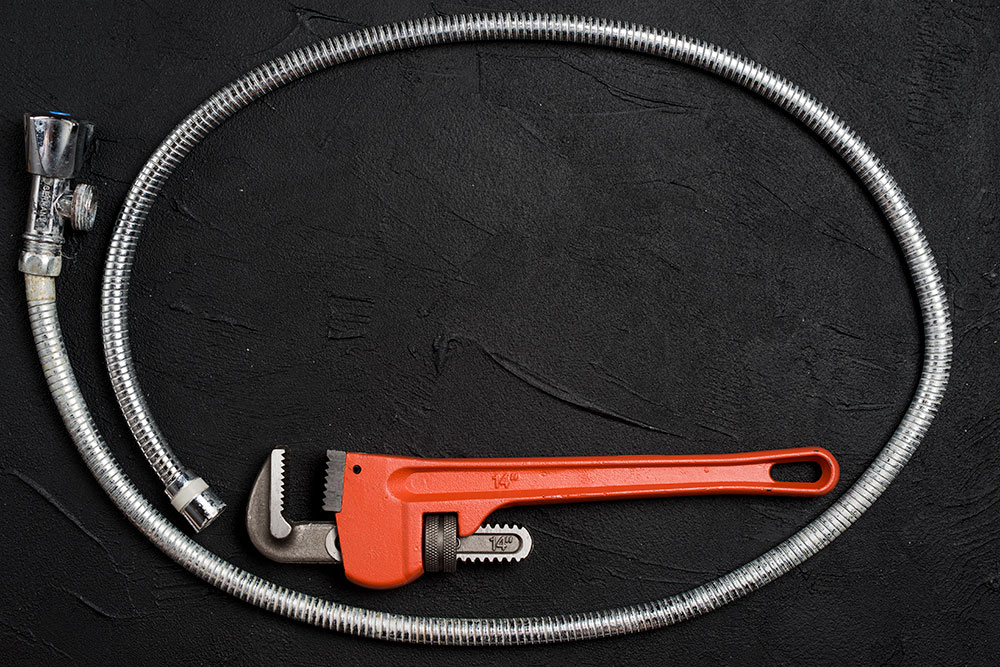
On completion of the inspection of the seals and washers, the attention now shifts to the bolting of all connections. The hoses should be fastened tightly with a wrench or by hand, depending on the specific fittings used, but should never be made so loose that they may allow leaks.
Be careful not to apply unnecessary forces to the connections since this can break the washers or cut the threads. After tightening all the joints, perform a visual inspection to ensure that there are no leaks.
Step 4: Check for Leaks
It is very essential that the installed hose or its quick connectors be pressure tested after being installed. In normal installations of hoses, the water or air supply is turned on, but only slowly. If leaks are noticed at this stage, stop the supply and realign the fittings where necessary.
How to Test the Performance of Hose to Ensure Reliability
Ensuring that a hose is in optimal condition is crucial for both safety and efficiency. Here’s how to test the performance of hoses to keep them reliable:
Visual Inspection
It is important to frequently inspect the hose for frays, cracks, or other signs of its age. Also, consider checking for any parts that are deformed (bulged out) since these may pose areas of failure.
압력 테스트
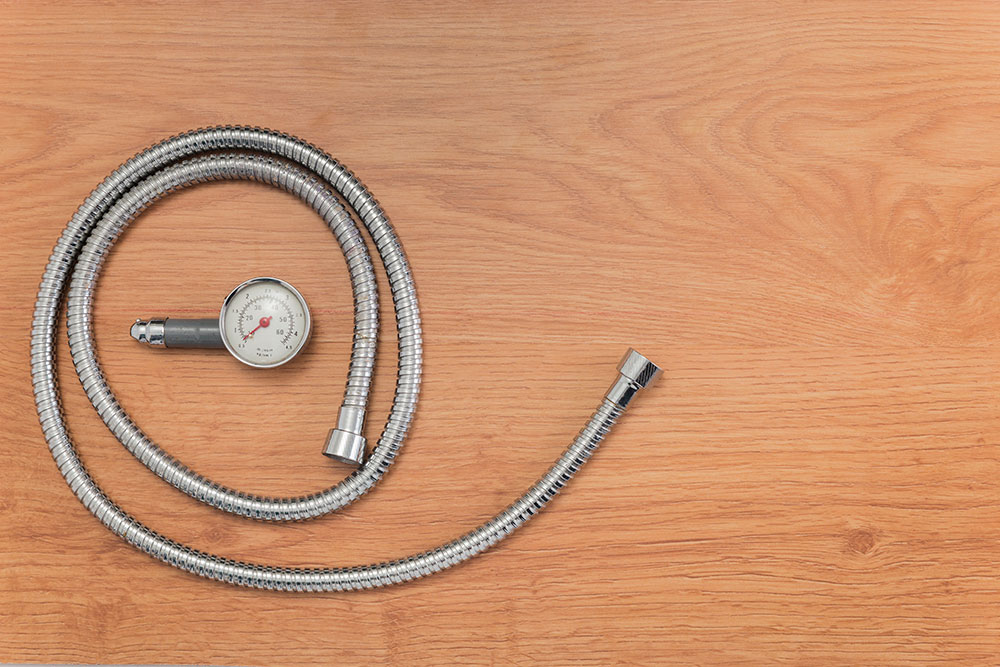
Pressure testing of hoses is vital especially when they are designed for high pressure applications. Take the hose and connect it to the pressure gauge and slowly increase the pressure until it reaches the maximum operational limit. If the hose achieves this pressure without any deformation or stress, the hoses are suitable for use.
Flexibility Test
Over time, hoses can become stiff or brittle. However, flexibility is particularly important in situations where the hose will be flexed or rotated regularly. Very slowly bend and rotate the hose to determine if it still has the flexibility to bend without cracking.
Leak Testing
Water the hose and check for leak spots longitudinally across the hose. Gas hoses should be checked by wrapping soap solution around the connectors and looking for air bubbles that might result in leakage.
온도 허용 오차
When using hoses under extreme temperature conditions, it is essential to ensure that the hoses can perform under these conditions. Place them in both cold and hot conditions to see whether they can still work.
Safety Tips for Hose Installation and Maintenance
Safety and functioning of hoses is highly dependent on correct fitting and consistent maintenance. One critical aspect during installation is the joining of the hoses; always make sure the connectors fit the thread type and remember to verify the tightness of seals and washers at all times.
It is also beneficial to carry out normal wear checks regularly and inspect hoses for crack propagation or leaks, as this helps prevent hose malfunction and extends the working life of the hose.
Furthermore, it is also recommended to keep the hoses at normal temperatures and in dry conditions; this would enhance durability, further ensuring reliable performance during a number of tasks.
Final Words!
We have discussed all the important aspects that make hoses reliable and useful, such as types of threads, their various modes of application, methods of installation, and procedures for testing their effectiveness.
All these major points enable you to select a proper hose for the intended task, its appropriate installation and due maintenance to guarantee efficiency and safety for a long time.
By following these best practices, you can maximize the effectiveness of your hose, whether you’re watering your garden or handling heavy-duty industrial applications. Remember, the right hose can make all the difference in creating a safe, efficient, and convenient setup.
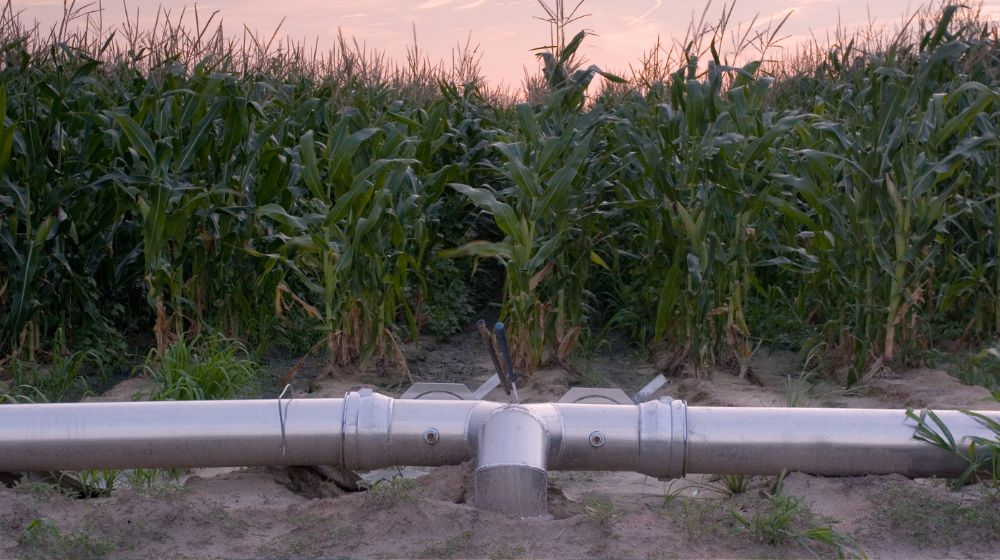
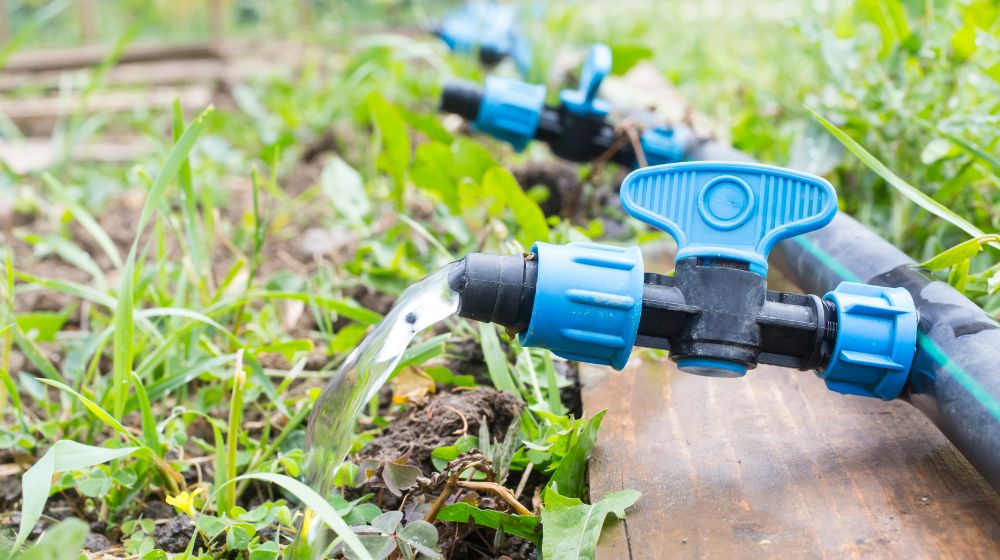
In irrigation systems in agriculture and horticulture, the proper selection and application of pipe fittings will directly affect the irrigation efficiency and the overall service life of the system. With the widespread application in these fields, the status of pipe fittings has become increasingly important. This article will discuss in detail how pipe fittings affect irrigation systems and improve efficiency.
Common Pipe Fittings
The following are some common pipe fittings in irrigation systems.
팔꿈치
Elbows are used to change the direction of pipes. Common angles are 45° and 90°. They have a simple structure and are easy to install. The presence of elbows in irrigation systems can achieve flexible layout of pipes, reduce pressure loss caused by direct bending of pipes, and optimize the spatial layout of irrigation systems.
티셔츠
Tee is used to distribute or merge fluids in the pipe system. According to the interface form, tees can be divided into two types: equal-diameter tees and reducing-diameter tees. Tees achieve uniform distribution of water flow between the main pipe and the branch pipe, flexibly configure irrigation areas, meet the irrigation needs of different crops, and improve irrigation coverage.
커플링
The main function of the coupling is to connect the two ends of the pipe or equipment in the irrigation system to achieve a firm connection between the pipes or equipment. It can be divided into two types: quick connector and fixed connector.
The coupling is easy to install and disassemble. The quick connector type is quick to install and is suitable for irrigation systems that require frequent disassembly and assembly; the fixed connector type of coupling can ensure the long-term stability of the irrigation system. At the same time, the sealing performance of the coupling is also very good.
리듀서
Reducers are mainly used to connect pipes of different diameters to achieve the connection between large-diameter main pipes and small-diameter branch pipes. Its existence can make the fluid transition smoothly, reduce the turbulence of water flow, improve the consistency of water flow rate, and reduce the pressure fluctuation inside the irrigation system.
The connection of reducers can achieve pressure balance, optimize water flow transmission efficiency, and adapt to complex pipe network design.
Capping Parts
Capping parts are pipe fittings used to close the ports of pipes. They can prevent impurities from entering the pipes or temporarily stop the operation of a pipe, and can also ensure the integrity of the irrigation system. It is very simple to operate and install, and is suitable for use when there is a need for system expansion and temporary shutdown.
How Do Pipe Fittings Work in Irrigation Systems?
In irrigation systems, pipe fittings mainly play the role of optimizing water flow distribution, enhancing connection reliability, simplifying system pipe layout and improving system operation efficiency.
Optimize Water Flow Distribution
Rational arrangement of pipe fittings in the irrigation system can achieve uniform distribution of water flow.
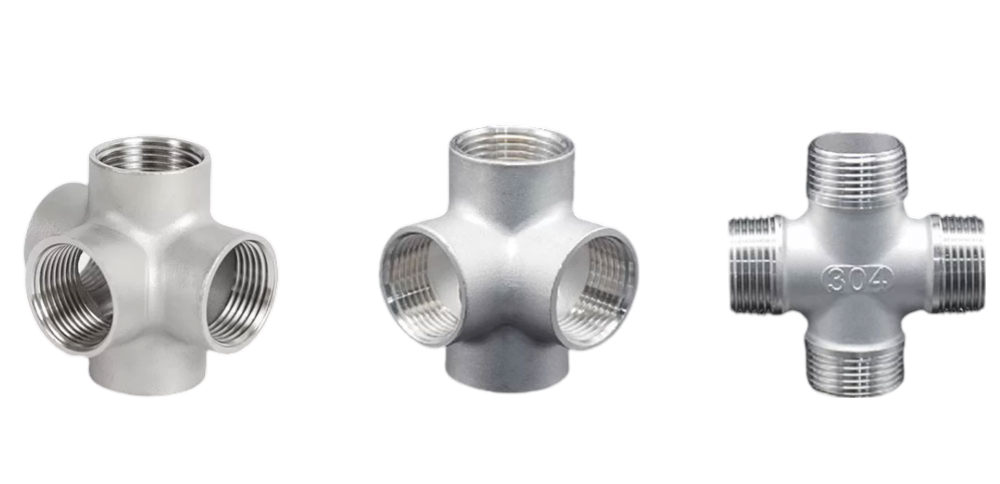
Pipe fittings such as tees and crosses can ensure accurate water flow distribution and uniform irrigation in each area according to the needs of different crops, improve the utilization rate of water resources, and avoid water waste. By using these pipe fittings reasonably, the irrigation system can cover more areas with water flow, further optimizing the distribution of water flow.
Enhanced Connection Reliability
The presence of pipe fittings can enhance the reliability and stability of irrigation system connections.
For example, the high-quality design of couplings and reducers can not only enhance the stability of pipe connections, but also simplify the installation process and reduce labor costs. They can ensure stable and reliable connections of pipes of different materials and specifications, reduce the risk of leakage, and improve the safety of system operation.
By reducing the risk of leakage and loose connections, the relevant pipe fittings can not only ensure the continuous and stable operation of the irrigation system, but also shorten the installation and maintenance time and reduce a lot of costs.
Simplify System Pipe Layout
The use of pipe fittings can make the system layout more flexible and achieve efficient layout in a limited space. At the same time, it can also reduce complex pipeline design and save installation time and cost. This flexibility can not only reduce unnecessary pipe length and optimize pipe paths, but also reduce water flow resistance loss and pressure loss, thereby achieving the purpose of maintaining irrigation efficiency stability.
Improve System Operation Efficiency
Pipe fittings generally have good durability and leak-proof properties, play an important role in the system, and can continuously improve the operation efficiency of the irrigation system.
By using pipe fittings properly, the irrigation system can adjust the operation scale and irrigation range according to seasonal needs and improve water use efficiency.
For example, reducers are used in the irrigation system to connect pipes of different diameters. The main pipe uses large-diameter pipes to improve water delivery efficiency, and the branch pipe uses small-diameter pipes to achieve precise irrigation. This can not only smoothly transition the water flow and avoid pressure fluctuations, but also ensure the system operating temperature and improve the system’s operating efficiency.
How to Choose the Right Pipe Fittings?
Choosing the right pipe fittings requires comprehensive consideration of system requirements and environmental conditions. Mainly from the perspectives of material selection, specification selection and connection method.
재료 선택
The main materials of pipe fittings are stainless steel, brass and plastic.
스테인리스 스틸: It has excellent corrosion resistance, durability and high-pressure resistance, and can be used in harsh, high-temperature and high-pressure environments and long-term exposure to the outdoors.
놋쇠: It has excellent oxidation resistance and pressure resistance, and can be used in systems and working conditions with long-term stable operation.
플라스틱: It is light, low cost, and has good corrosion resistance, and is suitable for operation in low-pressure stable irrigation systems.
When selecting the material of pipe fittings, all aspects of the environment in which they are used should be reasonably considered to ensure that the service life of the pipe fittings in the environment can be extended as much as possible, and the maintenance frequency caused by corrosion or aging can be reduced. This ensures the stability of the system and reduces maintenance costs.
Specification Selection
The specification selection of pipe fittings must be consistent with the diameter of the main pipe or branch pipe to ensure smooth water flow.
For example, when choosing a reducer, the appropriate transition size must be selected according to the water flow rate requirements to avoid unstable connections or excessive water flow resistance.
Connection Method
The connection method directly determines the difficulty of installation and the convenience of maintenance. Before making a choice, you need to reasonably consider the performance and characteristics of the irrigation system to improve the operating efficiency of the system.
For example, in a system that needs to be frequently disassembled and assembled, quick-connect type pipe fittings are a more suitable choice than threaded type pipe fittings.
The following are some common connection methods for pipe fittings for your reference.
빠른 연결: The pipe fittings of this connection method are very convenient to disassemble and assemble, and are suitable for scenes that require frequent disassembly and assembly, such as mobile irrigation equipment.
나사 연결: This is a stable connection method with excellent sealing performance, which plays an important role in long-term fixed irrigation systems.
플랜지 연결: This connection method is very strong and can be disassembled and assembled repeatedly. It is very suitable for high-pressure and large-diameter agricultural irrigation projects or water pipes.
Welding Connection: This connection method has excellent sealing performance and can withstand high-temperature and high-pressure, which is very suitable for long-term stable operation of irrigation systems.
결론
Pipe fittings play an indispensable role in irrigation systems. Whether it is tees, crosses, elbows, or couplings, they all improve the operating efficiency of irrigation systems with their irreplaceable roles. Reasonable use and maintenance of these fittings can not only improve irrigation efficiency, but also extend the service life of the system and reduce operating costs.
배관 및 산업 분야에서 파이프 피팅은 유체와 가스의 안전하고 효율적인 이송에 중요한 역할을 합니다. 주택용 배관 시스템부터 대규모 산업 공정에 이르기까지 파이프 피팅의 무결성과 신뢰성은 매우 중요합니다. 바로 이러한 측면에서 표준 및 인증이 중요하며, 품질, 안전성 및 호환성을 보장하는 프레임워크를 제공합니다. 선도적인 캠록 커플링 제조업체인 SSABP는 고객에게 최고의 제품을 제공하기 위해 이러한 표준을 준수하는 것이 얼마나 중요한지 잘 알고 있습니다.
파이프 피팅 이해
파이프 피팅은 파이프의 직선 구간을 연결하고, 다양한 크기나 모양에 맞게 조정하며, 시스템 내 유체 또는 기체의 흐름을 제어하는 데 사용되는 부품입니다. 엘보, 티, 커플링, 리듀서, 어댑터 등 다양한 유형으로 제공되며, 각각 특정 기능을 수행합니다. 이 중 캠록 커플링은 특히 산업 현장에서 사용 편의성과 신뢰성으로 높은 평가를 받고 있습니다. 당사의 다양한 제품을 살펴보시려면 파이프 피팅, 제품 페이지를 방문하세요.
표준 및 인증의 중요성
파이프 피팅 산업의 표준과 인증은 다음과 같은 여러 가지 이유로 필수적입니다.
안전성: 부속품이 의도한 용도의 압력과 온도를 견딜 수 있는지 확인하면 사고와 시스템 고장을 예방할 수 있습니다.
품질 보증: 표준은 제조 공정에 대한 벤치마크를 제공하여 모든 제품에서 일관된 품질을 보장합니다.
상호 운용성: 인증된 피팅은 다른 구성 요소와 원활하게 작동하도록 설계되어 호환성 문제의 위험을 줄입니다.
규정 준수: 인정된 표준을 준수하면 회사가 법적 및 규제 요구 사항을 충족하고 잠재적인 벌금과 법적 문제를 피하는 데 도움이 됩니다.
고객 신뢰: 인증은 고객에게 제품이 고품질 기준을 충족한다는 신호를 보내 브랜드에 대한 신뢰와 자신감을 키워줍니다.
파이프 피팅 산업의 주요 표준
여러 기관에서 파이프 피팅에 대한 표준을 제정하고 있으며, 각 표준은 설계, 재료, 성능 및 시험의 다양한 측면을 다룹니다. 가장 영향력 있는 표준은 다음과 같습니다.
1. 미국 국립 표준 협회(ANSI)
그만큼 미국 국가 표준 협회(ANSI) 미국 내 제품, 서비스, 프로세스 및 시스템에 대한 합의 표준의 제정 및 보급을 감독합니다. 파이프 피팅의 경우, ANSI 표준은 제품이 특정 성능 기준 및 호환성 요건을 충족하는지 확인합니다.
2. ASTM International(미국재료시험학회)
ASTM은 광범위한 재료, 제품, 시스템 및 서비스에 대한 자발적 합의 표준을 개발하고 발표합니다. ASTM의 주요 파이프 피팅 표준은 다음과 같습니다.
ASTM A105/A105M: 배관용 탄소강 단조품에 대한 규정입니다.
ASTM B16: 다양한 유형의 플랜지, 피팅, 밸브를 다룹니다.
ASTM F2260: 유연한 금속 호스 피팅에 대한 요구 사항을 지정합니다.
3. 국제표준화기구(ISO)
ISO 파이프 피팅 표준 제품이 글로벌 품질 및 안전 기준을 충족하도록 보장함으로써 국제 무역을 촉진합니다. 파이프 피팅 관련 ISO 표준은 다음과 같습니다.
ISO 9001: 품질 관리 시스템에 중점을 둡니다.
ISO 228-1: 파이프, 나사, 너트의 파이프 나사산에 관한 것입니다.
4. 미국석유협회(API)
API 표준은 석유 및 가스 산업에서 매우 중요하며, 이러한 산업에서 사용되는 파이프 피팅이 엄격한 안전 및 성능 요건을 충족하도록 보장합니다. API 6A(웰헤드 및 크리스마스 트리 장비용)와 같은 표준은 널리 인정받고 있습니다.
5. 미국기계학회(ASME)
ASME는 파이프 피팅을 포함한 기계 장치에 대한 표준을 설정합니다. 예를 들어, ASME B16 시리즈는 다양한 유형의 파이프 피팅과 플랜지를 포괄하여 다양한 용도에 대한 적합성을 보장합니다.
인증: 품질 및 규정 준수 보장
인증은 제품이나 회사가 특정 기준을 충족한다는 공식적인 인정을 의미합니다. 파이프 피팅의 경우, 특히 다음과 같은 몇 가지 인증이 중요합니다.
1. CE 마크
CE 마크는 제품이 유럽 연합의 안전, 건강 및 환경 보호 기준을 준수함을 나타냅니다. 파이프 피팅의 경우, 이 인증은 EU 시장 진출에 필수적입니다.
2. UL(Underwriters Laboratories) 인증
UL 인증은 파이프 피팅의 안전성과 성능에 대한 테스트를 거쳤음을 보장합니다. 이는 특히 전기 및 산업용 피팅에 중요합니다.
3. ISO 9001 인증
ISO 9001 인증은 기업이 탄탄한 품질 관리 시스템을 갖추고 있음을 의미합니다. SSABP와 같은 제조업체에게 이 인증은 고품질 생산 기준을 유지하려는 당사의 의지를 보여줍니다.
4. API 인증
API 인증은 석유 및 가스 산업에 사용되는 파이프 피팅에 필수적입니다. 이 인증은 해당 피팅이 이러한 까다로운 적용 분야에 필요한 엄격한 표준을 충족함을 보장합니다.
파이프 피팅 선택을 위한 규정 준수 팁
프로젝트에 맞는 파이프 피팅을 선택할 때, 표준과 인증을 준수하도록 다음 팁을 고려하세요.
관련 표준 파악: 특정 애플리케이션에 적용되는 표준을 확인하고 선택한 부속품이 해당 표준을 준수하는지 확인하세요.
인증 확인: ISO, ANSI, ASTM, API 등 공인 기관의 인증을 받아 부속품이 품질 및 안전 요구 사항을 충족하는지 확인하세요.
제조업체에 문의하세요: SSABP와 같은 평판 좋은 제조업체와 협력하여 귀하의 요구 사항에 가장 적합한 피팅에 대한 지침을 제공하고 업계 표준을 준수하는지 확인하세요.
최신 정보 유지: 프로젝트의 규정 준수와 안전을 유지하기 위해 관련 표준 및 인증의 변경 사항이나 업데이트를 파악하세요.
용도별 요구 사항 고려: 용도에 따라 특정 화학물질, 고압 또는 극한 온도에 대한 내성 등 고유한 요구 사항이 있을 수 있습니다. 선택한 부속품이 이러한 조건에 적합한지 확인하십시오.
결론
표준 및 인증은 파이프 피팅 산업의 핵심으로, 제품의 안전성, 신뢰성, 그리고 고품질을 보장합니다. 제조업체와 소비자 모두에게 이러한 표준을 이해하고 준수하는 것은 프로젝트의 성공과 규정 준수에 필수적입니다.
DIY 프로젝트를 시작하는 DIY 애호가든, 복잡한 시스템을 관리하는 산업 전문가든, 파이프 피팅에 있어 표준 및 인증의 중요성은 아무리 강조해도 지나치지 않습니다. 이러한 측면을 우선시하는 제조업체를 신뢰하고, 업계 최고의 전문가들이 프로젝트를 지원하도록 하세요.
식음료, 제약, 유제품, 양조업 등 위생 기준 유지가 필수적인 산업에서는 올바른 위생 피팅과 밸브를 선택하는 것이 매우 중요합니다. 올바른 피팅을 선택하면 생산 공정의 효율성, 안전성, 그리고 규정 준수에 큰 차이를 만들 수 있습니다. SSABP는 선도적인 캠록 커플링 제조업체로서 풍부한 전문 지식을 바탕으로 각 산업의 고유한 요구 사항을 이해하고 귀사의 특정 용도에 가장 적합한 옵션을 찾을 수 있도록 도와드립니다.
이 가이드에서는 귀하의 산업에 맞는 올바른 위생 부속품과 밸브를 선택하는 데 고려해야 할 요소를 다룹니다.
위생 피팅 및 밸브 이해
위생 설비 및 밸브 높은 수준의 청결을 요구하는 산업에서 필수적인 부품입니다. 시스템의 여러 부분 사이에 안전하고 누출 방지 연결을 구축하는 동시에 오염 위험을 최소화하도록 설계되었습니다. 각 부품은 세척이 용이하고, 부식에 강하며, 다양한 산업의 작동 조건을 견딜 수 있을 만큼 내구성이 뛰어나야 합니다.
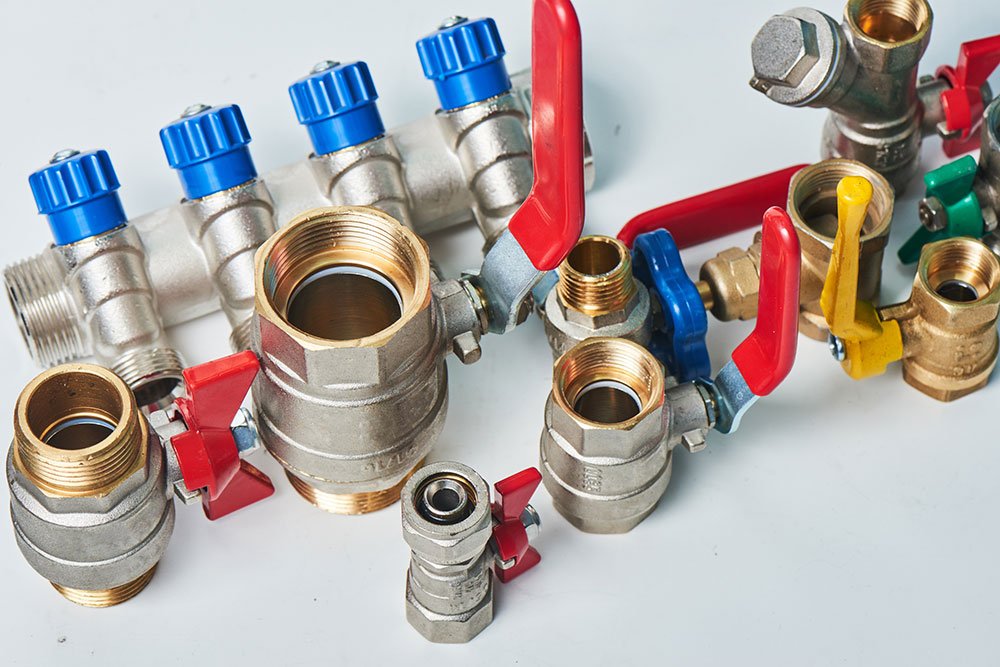
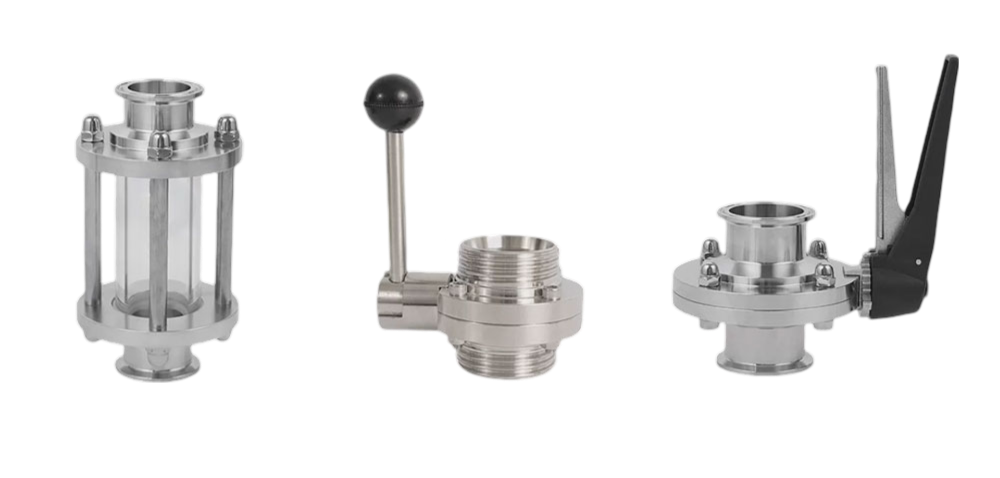
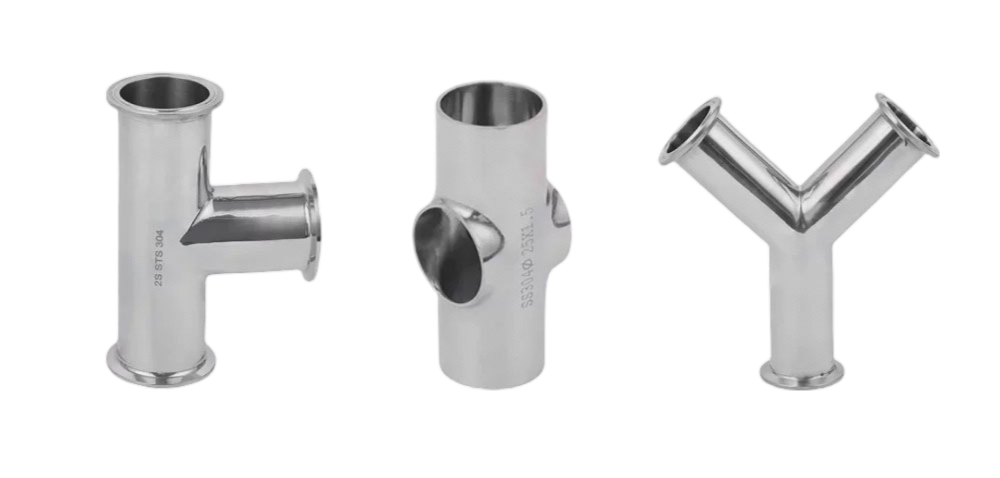
일반적인 위생용 피팅에는 캠록 커플링, 트라이 클램프 피팅, 엘보, 리듀서 등이 있습니다. 위생용 밸브에는 버터플라이 밸브, 볼 밸브, 다이어프램 밸브가 있으며, 각각 고유한 용도를 가지고 있습니다. 이러한 부품의 특징을 이해하는 것은 업계 표준을 충족할 뿐만 아니라 운영을 최적화하는 데 필수적입니다.
올바른 피팅 및 밸브 선택의 핵심 요소
1. 재료 선택
재료는 위생 설비와 밸브가 업계의 환경 및 운영 요건을 충족하는 데 중요한 역할을 합니다. 일반적인 재료는 다음과 같습니다.
스테인리스 스틸: 내식성으로 유명한 스테인리스 스틸은 대부분의 위생 설비에 선호되는 소재입니다. 304 및 316L과 같은 등급은 특히 식품 및 제약 산업에서 뛰어난 내구성을 제공합니다.
PTFE(테프론): PTFE는 개스킷 소재로 자주 사용되며, 뛰어난 내화학성을 제공하여 산성 또는 알칼리성이 강한 물질을 취급하는 산업에 적합합니다.
부나-N 및 EPDM: 이러한 고무와 같은 소재는 유연성과 내화학성이 필요한 분야의 밸브 시트에 자주 사용됩니다.
2. 산업 표준 및 인증
각 산업에는 위생 및 안전 규정 준수를 위해 피팅과 밸브가 충족해야 하는 특정 표준과 인증이 있습니다. 주요 인증은 다음과 같습니다.
3A 위생 기준: 일반적으로 유제품 및 식품 산업에서 요구되며 부속품이 위생 요구 사항을 충족하는지 확인합니다.
FDA 규정 준수: 부속품에 사용된 재료가 식품 및 의약품과 접촉해도 안전한지 확인합니다.
제품을 선택하기 전에 귀사의 작업에 필요한 산업 표준을 충족하는지 확인하십시오. 예를 들어, SSABP 캠록 커플링은 모든 산업 분야에서 안전과 위생을 보장하기 위해 엄격한 기준을 충족합니다.
3. 처리 매체와의 호환성
피팅과 밸브를 통과하는 유체의 종류(액체, 기체 또는 분말)에 따라 선택이 달라집니다. 다양한 물질이 특정 재료와 반응하여 부식이나 축적을 유발할 수 있습니다. 이러한 문제를 방지하려면 다음과 같이 하십시오.
산성이나 부식성 매체의 경우 스테인리스 스틸과 같이 부식에 강한 재료를 선택하세요.
식품 및 음료 산업에서 입자 축적을 최소화하려면 표면이 매끄럽고 연결부가 원활한 부속품을 고려하세요.
생산 라인의 특정 물질에 맞는 올바른 재료와 디자인을 선택하면 장비의 수명이 늘어나고 오염 위험이 줄어듭니다.
일반적인 위생 피팅 및 밸브 유형과 그 응용 분야
1. 캠록 커플링
캠록 커플링은 잦은 조립 및 분해가 필요한 산업 분야에서 일반적으로 사용되는 다용도 퀵커넥트 피팅입니다. 이 커플링은 안전하고 누수 방지가 필요하며 세척이 용이해야 하는 연결 부위에 이상적입니다. SSABP 캠록 커플링예를 들어, 내구성, 신뢰성, 다양한 물질과의 호환성을 갖추고 있어 식품, 음료부터 화학까지 다양한 산업에 적합합니다.
2. 트라이 클램프 피팅
트라이 클램프 피팅은 안전하고 위생적인 연결 덕분에 식품 및 제약 산업에서 널리 사용됩니다. 조립 및 분해가 간편하여 세척과 유지 보수가 간편합니다. 특히 액체 이송 분야에 적합합니다.
3. 버터플라이 밸브
버터플라이 밸브는 저압 시스템의 유량 제어에 이상적입니다. 빠른 차단 기능이 필요한 분야에 자주 사용됩니다. 버터플라이 밸브는 내구성과 세척 용이성 때문에 유제품 및 양조 산업에서 선호됩니다.
4. 볼 밸브
볼 밸브는 유체 흐름을 정밀하게 제어하고 버터플라이 밸브보다 높은 압력을 견딜 수 있습니다. 볼 밸브는 제약 및 화학 공정과 같이 완벽한 누수 방지 씰이 필요한 산업에서 일반적으로 사용됩니다.
5. 다이어프램 밸브
다이어프램 밸브는 오염에 대한 내성이 매우 뛰어나 무균 또는 멸균 조건이 필요한 산업에서 자주 사용됩니다. 이 밸브는 박테리아나 오염 물질이 축적될 수 있는 부분을 제거하도록 설계되어 제약 분야에 이상적입니다.
피팅 및 밸브 선택을 위한 실용적인 팁
흐름 요구 사항 평가: 시스템의 유량과 압력 수준을 결정하세요. 밸브마다 제어 수준이 다르므로 유량 요구 사항에 맞는 밸브를 선택하세요.
극한 온도를 고려하세요. 시스템이 고온이나 저온에서 작동하는 경우, 피팅과 밸브에 사용된 재료가 성능 저하 없이 해당 조건을 견딜 수 있는지 확인하세요.
청소 및 유지 관리의 용이성: 위생적인 용도는 위생 유지를 위해 자주 청소해야 합니다. 캠록 커플링이나 트라이 클램프 피팅처럼 분해 및 재조립이 쉬운 피팅을 선택하세요.
장기 비용 평가: 고품질 피팅과 밸브는 초기 비용이 높을 수 있지만 내구성과 효율성이 더 뛰어나 시간이 지남에 따라 유지 관리 및 교체 비용이 낮아집니다.
결론
적합한 위생 부속품과 밸브를 선택하는 것은 높은 위생 기준에 의존하는 산업에서 청결을 유지하고, 규정을 준수하며, 효율성을 최적화하는 데 필수적입니다. 자재 호환성, 산업 표준, 유지 관리 요구 사항 등의 요소를 고려함으로써 장기적인 운영 성공을 뒷받침하는 정보에 기반한 결정을 내릴 수 있습니다.
신뢰성 있고 내구성 있는 위생 부속품을 원하신다면 캠록 커플링 제조 분야의 선두주자인 SSABP를 신뢰하세요. 오늘 저희에게 연락하세요 당사의 제품에 대해 자세히 알아보고 해당 제품이 귀사 산업의 고유한 요구 사항을 어떻게 지원할 수 있는지 알아보세요.
엘보는 파이프 시스템의 필수적이고 중요한 부분입니다. 다양한 크기와 사양으로 제공되며, 다양한 산업 및 시스템에서 널리 사용됩니다. 석유화학 산업이든 까다로운 식음료 산업이든, 엘보는 탁월한 성능을 통해 핵심적인 역할을 합니다.
이 글에서는 엘보에 대한 심층 분석을 통해 엘보가 어떻게 시스템 효율성을 개선할 수 있는지 알려드리겠습니다.
팔꿈치란 무엇인가?
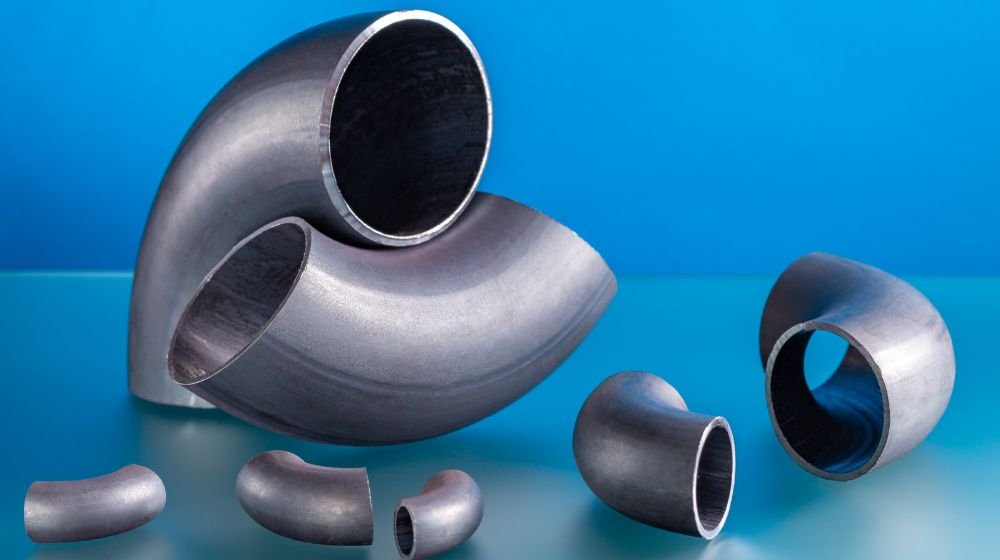
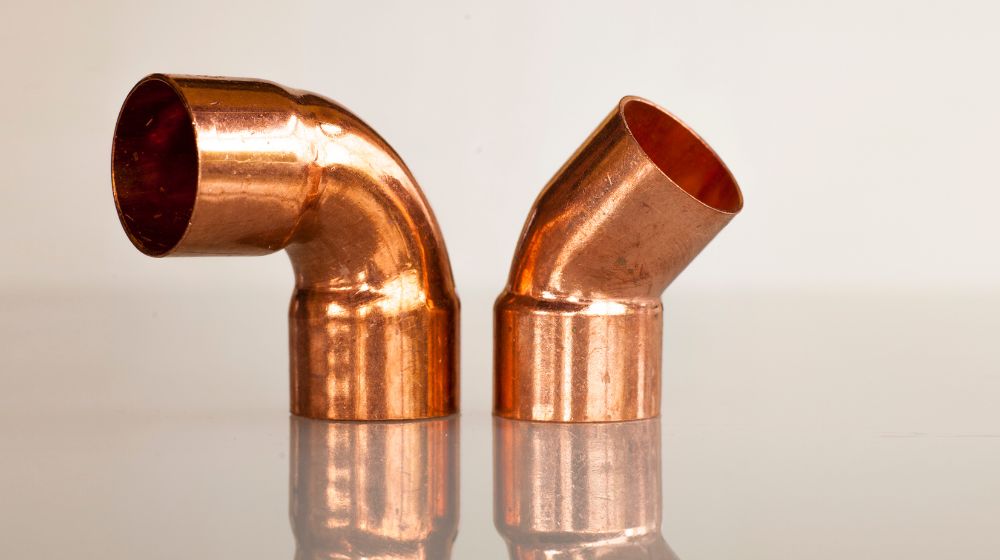
엘보는 배관 시스템에서 배관과 유체의 방향을 바꾸는 배관 부속품입니다. 일반적인 엘보 각도는 45°, 90°, 180°입니다. 엘보는 긴 반경과 짧은 반경으로 나뉘며, 시스템 및 산업 요구 사항에 따라 길이가 다릅니다.
팔꿈치의 종류
각도에 따라
팔꿈치의 각도에 따라 45°, 90°, 180°의 세 가지 유형의 팔꿈치로 나눌 수 있습니다. 특별한 경우에는 다른 각도를 가진 특수 팔꿈치도 있습니다.
반경 기반
엘보의 반경 길이에 따라 긴 반경 엘보와 짧은 반경 엘보로 나눌 수 있습니다.
롱 라디우스 엘보: 반경이 파이프 직경의 1.5배이며 유체 저항이 낮습니다.
짧은 반경 엘보: 반지름은 파이프 지름의 1배입니다. 콤팩트한 구조로 공간을 적게 차지하여 공간 비용을 절감합니다.
항구를 기반으로
엘보의 다양한 연결 유형에 따라 나사 엘보, 맞대기 용접 엘보, 소켓 엘보 등으로 나눌 수 있습니다.
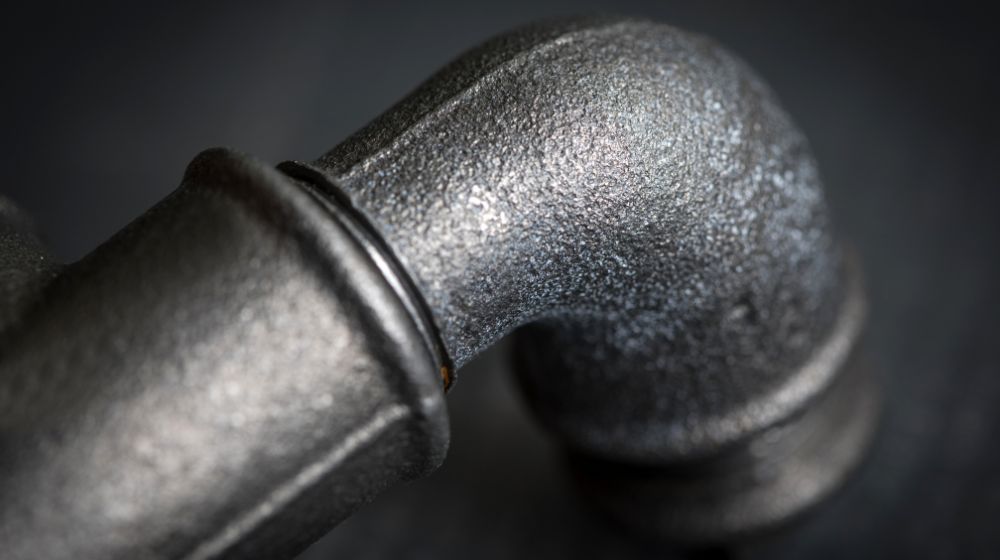
나사산 엘보: 나사산을 통해 파이프 시스템에 연결되며, 나사 입구, 굽은 부분 등으로 구성되며 나사산 홈이 있습니다.
맞대기 용접 엘보: 강철을 열간 압착 또는 단조하여 제작하고, 파이프 시스템에 직접 맞대기 용접할 수 있습니다.
소켓 엘보: 고압 및 고정밀 환경에서 널리 사용되는 고압 엘보 파이프 피팅입니다.
엘보의 성능 및 장점: 파이프 시스템 레이아웃 최적화
엘보우는 많은 우수한 성능과 장점을 가지고 있어 파이프 시스템의 레이아웃을 최적화하고 파이프 시스템의 전달 효율을 향상시킬 수 있습니다.
성능
다양한 재료
엘보우는 스테인리스강, 합금강 등 다양한 재질로 제작될 수 있으며, 이는 모두 엘보우의 원료입니다. 다양한 작업 조건에 따라 다양한 재질의 엘보우를 선택할 수 있습니다.
다양한 사양
일반적인 45°, 90°, 180° 엘보 외에도 특정 특수 각도의 엘보도 요구 사항에 맞게 맞춤 제작할 수 있습니다.
고강도
엘보의 제조 공정은 단조 및 스탬핑과 같은 매우 우수합니다. 이러한 공정으로 제작된 엘보는 매우 우수한 강도를 가지며 고압 및 충격 환경에서도 사용할 수 있습니다.
가벼운 무게
팔꿈치의 무게는 비교적 가볍고 휴대성이 뛰어나 운송 비용을 크게 절감할 수 있습니다.
우수한 밀봉 성능
엘보의 다양한 밀착 연결 방식은 매우 우수한 밀봉 성능을 제공하여 파이프 시스템 내부의 매체가 누출되지 않도록 보장하는 동시에 파이프 시스템의 안전하고 원활한 작동을 보장합니다.
장점
파이프 방향 변경
엘보의 주요 기능은 배관 시스템 내부 파이프라인의 방향을 변경하여 유체가 지정된 방향과 위치로 흐르도록 하는 것입니다. 동시에, 배관 시스템이 다양한 복잡한 공간 레이아웃과 이동 방향에 적응하여 지정된 위치에 연결되도록 보장합니다. 또한, 불필요한 배관 길이를 줄이고, 배관 시스템 레이아웃을 최적화하며, 운영 비용을 절감할 수 있습니다.
전송 효율 개선
엘보우의 합리적인 배치는 파이프 내 유체의 저항과 압력 손실을 효과적으로 줄이고, 전달 효율을 향상시키며, 에너지 소비를 줄일 수 있습니다.
파이프 시스템의 유연성 향상
파이프 시스템에 엘보를 합리적으로 배치하면 파이프 시스템의 유연성을 향상시키고, 파이프 시스템 내부의 매체가 목적지까지 원활하게 전송되도록 보장하며, 다양한 작업 조건과 복잡한 외부 환경에 적응할 수 있습니다.
유지 관리 및 교체가 쉽습니다
엘보는 다양한 연결 방식을 제공하지만, 작동이 매우 편리하여 교체 및 유지 관리에 매우 유용합니다. 이러한 장점 덕분에 다양한 연결 방식을 사용하는 배관 시스템의 요구 사항을 충족하고 교체 및 유지 관리 비용을 크게 절감할 수 있습니다. 동시에, 엘보는 내구성이 뛰어나 교체 없이 오랫동안 사용할 수 있어 배관 시스템의 수명을 연장합니다.
엘보우 적용: 파이프 시스템의 효율성 개선
석유 및 가스 산업: 엘보우는 고압 파이프 시스템에서 끊임없이 변화하고 복잡한 외부 작업 환경에 적응하여 석유화학 제품, 천연가스 및 기타 매체가 지정된 위치까지 원활하게 전송될 수 있도록 하는 데 사용됩니다.
수처리 산업: 급수 시스템, 하수 처리 시스템 및 산업용 냉각수 시스템에서 엘보를 사용하면 유체의 전달 방향을 조절하고, 물 흐름 저항을 줄이고 전달 효율을 향상시킬 수 있습니다.
식품 및 음료 산업: 음식이나 음료 등의 매체를 전송할 때 위생적이고 식품 등급의 엘보를 적용하면 전송의 위생과 안전성을 보장할 수 있습니다.
HVAC 시스템: HVAC 파이프에서 엘보를 사용하면 냉방 및 난방 매체의 흐름 방향을 조정하여 온도가 항상 적절한 범위 내에서 유지되도록 할 수 있습니다.
파이프 시스템에 맞는 엘보를 선택하는 방법은?
먼저, 적절한 크기의 엘보를 선택하기 위해 파이프의 공칭 직경을 확인해야 합니다. 파이프 시스템의 방향에 따라 필요한 엘보 각도를 선택하고, 파이프의 특성에 따라 긴 반경 엘보 또는 짧은 반경 엘보 중 어떤 것을 선택할지 결정하십시오.
다양한 재질의 엘보가 다양한 산업 분야에 적합합니다. 예를 들어, 내식성 스테인리스 스틸 엘보는 석유화학과 같은 산업에 매우 적합합니다. 동시에 위생성도 우수하여 식품 산업에도 적합합니다.
엘보 연결 방식 또한 고려해야 할 중요한 사항입니다. 고온 고압 배관 시스템의 경우, 맞대기 용접 엘보가 가장 적합합니다. 소켓 엘보는 중압 및 저압 배관 시스템에 더 적합합니다. 따라서 엘보 연결 방식도 선택 전에 결정해야 합니다.
결론
엘보는 배관 시스템의 훌륭한 파트너입니다. 배관 시스템에서 엘보의 역할은 단순한 구조 그 이상입니다. 배관 방향 변경부터 배관 배치 최적화까지, 엘보는 뛰어난 잠재력을 가지고 있습니다. 적합한 엘보를 선택하면 배관 시스템의 전달 효율을 향상시킬 뿐만 아니라 운영 비용도 효과적으로 절감할 수 있습니다.
어떤 도움이 필요하시든 최고 품질의 엘보와 귀사의 파이프 시스템에 가장 적합한 믿을 수 있는 제품을 제공해 드리겠습니다. 궁금한 점이 있으시면 언제든지 문의해 주세요.






 Korean
  English
  Danish
  German
  Spanish
  Japanese
  French
  Polish
  Portuguese (Brazil)
  Russian
  Swedish
  Norwegian
  Finnish
  Thai
Thai  Vietnamese
  Chinese
  German (Austria)
  Portuguese (Portugal)
  Arabic