Teollisuusputkistoissa tehokkuus ja luotettavuus ovat ratkaisevan tärkeitä. Olipa kyseessä sitten kemikaalit, elintarvikkeiden jalostus tai jäteveden käsittely, sujuva nestevirtaus varmistaa menestyksen. Keskeinen osa näiden järjestelmien optimointia on nokka-akselin sulkuventtiili, erityisesti 2-1-liitin. Tässä oppaassa selitetään 2-1-nokka-akselin sulkuventtiilien edut ja käyttötarkoitukset sekä se, miten SSABP:n korkealaatuiset sulkuventtiilit parantavat putkistojärjestelmiä eri teollisuudenaloilla.
Mitä ovat 2-to-1 Camlock-supistusliittimet?
Camlock-liittimet, joita kutsutaan myös nokka-uraliittimiksi, ovat letkuliittimiä, jotka mahdollistavat nopeat ja turvalliset liitännät ilman työkaluja. 2:1-camlock-supitin yhdistää erikokoisia letkuja tai putkia ja pienentää halkaisijaltaan 2 tuumasta 1 tuumaan.
Miten ne toimivat
Camlock-supistusliittimissä käytetään nokkia (vipuja), jotka lukittuvat suljettuna sovittimen uriin ja luovat tiiviin tiivistyksen. Tämä rakenne mahdollistaa nopean liittämisen ja irrottamisen, mikä säästää aikaa asennuksen tai huollon aikana.
2-yhteen Camlock-supistusliittimien edut
Enemmän tehokkuutta
Näiden supistuskappaleiden avulla voit liittää erikokoisia putkia suoraan, mikä poistaa ylimääräisten sovittimien tai monimutkaisten kokoonpanojen tarpeen. Tämä vähentää mahdollisia vuotokohtia ja tekee järjestelmän virtauksesta tasaisempaa.
Sopii moniin käyttötarkoituksiin
Camlock-supistimet sopivat erilaisten materiaalien, kuten nesteiden, jauheiden ja rakeiden, käsittelyyn. Tämä tekee niistä hyödyllisiä monilla teollisuudenaloilla lääketeollisuudesta petrokemiaan.
Helppokäyttöinen
Nokka- ja urarakenteen ansiosta kiinnitys ja irrotus on nopeaa ilman työkaluja. Tämä nopeuttaa kokoamista ja purkamista, alentaa työvoimakustannuksia ja vähentää seisokkiaikoja huollon aikana.
Vahva ja luotettava
Korkealaatuiset supistimet valmistajalta SSABP on valmistettu kestävistä materiaaleista, kuten ruostumattomasta teräksestä. Ne kestävät pidempään, kestävät korroosiota ja pysyvät luotettavina myös vaativissa olosuhteissa.
Turvallinen
Turvalliset liitännät auttavat estämään vuotoja, roiskeita ja onnettomuuksia, suojellen sekä ihmisiä että ympäristöä. Yksinkertainen lukitusmekanismi minimoi myös inhimilliset virheet letkuja kytkettäessä.
Missä käytetään 2:1 Camlock-supistusliittimiä
Kemianteollisuus
Vaarallisia tai haihtuvia aineita käsiteltäessä turvalliset liitännät ovat välttämättömiä. 2:1-sulkuliittimet estävät vuodot, parantavat turvallisuutta ja ehkäisevät ympäristöhaittoja.
Elintarvikkeiden ja juomien jalostus
Puhtaus on elintärkeää elintarviketuotannossa. SSABP:n ruostumattomasta teräksestä valmistetuissa supistusventtiileissä on sileät pinnat, jotka hylkivät bakteereja ja ovat helppoja puhdistaa, joten ne sopivat täydellisesti elintarvikekäyttöön.
Maatalous ja kastelu
Tehokas vedenhallinta on avainasemassa maataloudessa. Camlock-supistajat mahdollistavat joustavat kasteluasetukset liittämällä helposti erikokoisia letkuja, mikä optimoi vedenjakelun ilman suuria muutoksia.
Kaivos- ja rakennusala
Vaativissa olosuhteissa laitteiden on oltava kestäviä. Camlock-supistimet käsittelevät veden, lietteen ja muiden materiaalien siirtoa ja kestävät kovaa käyttöä ja ankaria olosuhteita.
Meri- ja laivanrakennus
Laivat tarvitsevat luotettavat putkistot polttoaineelle, vedelle ja jätteelle. Camlock-supistusliittimet tarjoavat vahvat liitokset, jotka kestävät meriympäristöjen liikkeet ja rasituksen.
Tietoja SSABP:stä
Vuodesta 2015 lähtien SSABP:stä on tullut yksi johtavista valmistajista korkealaatuisia nokka-akseliliittimiä ja -varusteita. Heidän suuri 33 000 neliömetrin laitos sijaitsee Changshanin teollisuuspuistossa Quzhoun kaupungissa Zhejiangin maakunnassa, ja se osoittaa heidän omistautumisensa huippuosaamiseen.
Luotettava laatu
ISO 9001:2015 -sertifioidulla SSABP:llä on tiukat laatuvaatimukset. Jokainen alennusvaihde valmistetaan tarkasti vastaamaan maailmanlaajuisia standardeja ja toimimaan täydellisesti tärkeissä sovelluksissa.
Edistynyt valmistus
Yli 300 ammattitaitoisen työntekijän voimin SSABP käyttää moderneja valmistusteknologioita laajan tuotevalikoiman luomiseen. He voivat räätälöidä ruostumattomasta teräksestä valmistettuja liittimiä vastaamaan erityistarpeita ja tukea ainutlaatuisia projekteja.
Innovatiiviset tuotteet
SSABP suunnittelee innovatiivisia 2:1-sulkuventtiilejä luoden tuotteita, jotka vastaavat alan nykyisiin tarpeisiin ja valmistautuvat tulevaisuuden haasteisiin käytännöllisillä ja eteenpäin katsovilla ratkaisuilla.
Paranna putkistoasi SSABP:n avulla
Mukautetut asetukset
Jokainen putkistojärjestelmä on erilainen. SSABP tarjoaa mukautettavia supistuskappaleita, mukaan lukien materiaalivalinnat, koot ja ainutlaatuiset kokoonpanot, varmistaen, että liittimet sopivat juuri sinun tarpeisiisi.
Hanki etulyöntiasema
SSABP:n korkealaatuisten alennusventtiilien käyttö antaa sinulle kilpailuedun. Niiden tehokkaat ja luotettavat tuotteet johtavat lyhyempiin seisokkiaikoihin, alhaisempiin ylläpitokustannuksiin ja parempaan järjestelmän suorituskykyyn.
Asiantuntija-apu
SSABP tarjoaa muutakin kuin vain tuotteita. Heidän asiantuntijansa tarjoavat opastusta supistuskappaleiden valintaan, asennukseen ja huoltoon, auttaen sinua saamaan kaiken irti heidän liittimistään.
Menestystarinoita
Esimerkki: Parempi kemiallinen prosessointi
Maailmanlaajuisella kemianteollisuuden yrityksellä oli toistuvia vuotoja ja seisokkeja huonolaatuisten liitosten vuoksi. Siirtyminen SSABP:n 2:1-nokkalukkosupistajiin alensi ylläpitokustannuksia 30%:llä ja paransi järjestelmän kokonaistehokkuutta.
Esimerkki: Parannettu ruoantuotanto
Elintarviketehdas tarvitsi hygieenisiä ja luotettavia liittimiä tiukkojen standardien täyttämiseksi. SSABP toimitti mittatilaustyönä valmistettuja ruostumattomasta teräksestä valmistettuja supistusliittimiä, jotka ylittivät määräykset ja paransivat tuotteiden laatua ja turvallisuutta.
Johtopäätös
Teollisuusalueilla, joilla tehokkuus on kriittistä, luotettavat komponentit, kuten 2:1-nokkalukkosupistimet, ovat välttämättömiä. SSABP on alan johtava toimija korkealaatuisilla ja innovatiivisilla ratkaisuilla, jotka parantavat putkistojärjestelmiä monilla eri aloilla.
SSABP:n nokkalukkosupistimet tarjoavat kestäviä, tehokkaita ja mielenrauhaa tuovia tuotteita. Olitpa sitten päivittämässä teollisuusjärjestelmää tai tekemässä pieniä parannuksia, nämä liittimet tarjoavat todellisia etuja.
Hydraulic valves are often treated as individual components selected late in the design process. In industrial environments, however, this approach frequently leads to unstable performance, excessive energy consumption, and unexpected downtime. In reality, hydraulic valves are system-level decision points that directly affect productivity, reliability, and total operating cost.
This guide explains hydraulic valves from an industrial B2B perspective, helping engineers and decision-makers understand how valves function within hydraulic systems, how to select them correctly, and how poor valve decisions impact long-term operations.
Why Hydraulic Valves Determine System Performance, Cost, and Downtime in Industrial Operations
In industrial settings, unplanned downtime is rarely caused by a single catastrophic failure. More often, it results from gradual performance degradation—overheating, pressure instability, or inconsistent motion. In many cases, hydraulic valves are the root cause.
Hydraulic valves control how energy is distributed, limited, and redirected throughout a hydraulic system. When valves are mismatched to the application, the consequences include:
Increased energy losses and heat generation
Reduced machine precision and repeatability
Accelerated wear of pumps, seals, and actuators
Higher maintenance frequency and spare-part consumption
For OEMs and industrial operators, valve selection is therefore not only a technical choice, but also a business decision affecting lifecycle cost and operational reliability.
What Are Hydraulic Valves? — An Industrial Perspective
At a basic level, hydraulic valves regulate pressure, flow, and direction of hydraulic fluid. From an industrial perspective, this definition is incomplete.
In real applications, hydraulic valves function as:
Energy management devices, controlling how power is transmitted and dissipated
Safety boundaries, preventing overload and system damage
Control logic elements, determining motion sequencing and responsiveness
Unlike laboratory or educational examples, industrial hydraulic systems operate under variable loads, contamination risks, temperature fluctuations, and continuous duty cycles. Hydraulic valves must perform reliably under these conditions while maintaining predictable behavior over time.
How Hydraulic Valves Function Within Industrial Hydraulic Systems
A hydraulic system should be evaluated as an integrated loop: pump, valves, actuators, fluid, and controls. Hydraulic valves sit at the center of this loop.
In industrial hydraulic systems, valves influence:
Pump efficiency by determining pressure demand and flow paths
Actuator behavior by controlling speed, force, and motion stability
Thermal balance through throttling losses and internal leakage
System cleanliness by defining contamination sensitivity and filtration requirements
Selecting a valve based solely on nominal pressure and flow ratings ignores these interactions. In practice, improper valve selection often shifts inefficiencies elsewhere in the system, increasing energy consumption or shortening component life.
Types of Hydraulic Valves Used in Industrial Equipment
Rather than listing valve types by name alone, it is more useful to classify them by functional role within industrial machinery.
Pressure Control Valves — Managing Risk and Compliance
Pressure control valves define the maximum operating limits of a hydraulic system. Common examples include relief valves, pressure reducing valves, and sequence valves.
In industrial environments, these valves are critical for:
Protecting mechanical structures and actuators
Preventing overload conditions during transient events
Supporting compliance with safety and machinery regulations
Incorrect pressure settings or unsuitable valve designs often lead to chronic overheating and reduced system efficiency rather than immediate failure.
Flow Control Valves — Balancing Productivity and Energy Efficiency
Flow control valves regulate actuator speed and motion smoothness. In industrial production equipment, speed stability is often as important as maximum throughput.
Key considerations include:
Throttling losses and their effect on energy consumption
Load-induced speed variations
Interaction with pressure-compensated circuits
Poor flow control strategies can result in inconsistent cycle times, reduced product quality, and excessive heat generation.
Directional Control Valves — Enabling Reliable Machine Logic
Directional control valves determine the sequence and logic of machine motion. They are essential for repeatable and predictable operation.
In industrial systems, directional valve selection affects:
Automation level and control precision
Response time and switching reliability
Integration with electrical and electronic controls
As machine complexity increases, directional valves become a key interface between mechanical power and control logic.
How to Select Hydraulic Valves for B2B Industrial Applications
Valve selection in industrial contexts should be based on application requirements rather than catalog optimization.
Experienced engineers look beyond nominal specifications and evaluate factors such as:
Actual operating pressure versus rated pressure
Continuous versus intermittent duty cycles
Internal leakage and its effect on holding accuracy
Contamination tolerance and filtration strategy
Response characteristics under varying loads
Ignoring these parameters often results in systems that technically function but perform poorly over time.
Operational Factors Procurement Teams Should Consider
From a procurement and operations perspective, hydraulic valve decisions influence long-term cost and supply stability. Important factors include:
Total cost of ownership rather than unit price
Spare-part availability and standardization
Lead-time consistency across production cycles
Compatibility with existing systems and maintenance practices
Aligning engineering requirements with procurement constraints is essential for sustainable industrial operations.
Common Industrial Hydraulic Valve Failures — and Their Root Causes
In many industrial environments, valve failures are symptoms rather than root causes. Common issues include:
Excessive heat generation caused by throttling losses
Unstable actuator motion due to flow mismatches
Premature wear resulting from contamination sensitivity
Noise and vibration linked to pressure instability
In most cases, these problems originate from inappropriate valve selection or system integration, not from manufacturing defects.
Application-Specific Considerations for Hydraulic Valves
Different industrial sectors impose distinct demands on hydraulic valves.
Manufacturing and Automation Equipment
These systems prioritize precision, repeatability, and integration with electronic controls. Valve consistency and response predictability are critical.
Construction and Heavy Machinery
Valves must withstand shock loads, contamination, and variable operating conditions while maintaining reliability in harsh environments.
Mobile Hydraulic Systems
Compact design, efficiency under partial load, and thermal management become key selection criteria due to space and power constraints.
Understanding these application-specific requirements prevents generic valve choices that compromise performance.
Industry Trends Affecting Hydraulic Valve Selection
Several trends are reshaping how hydraulic valves are specified in industrial systems:
Increasing focus on energy efficiency and heat reduction
Integration of electro-hydraulic and proportional control
Greater emphasis on system-level optimization rather than component replacement
Rising expectations for diagnostic capability and operational transparency
These trends reinforce the importance of viewing hydraulic valves as part of an integrated control strategy rather than standalone components.
Conclusion: Hydraulic Valves Are a Strategic Engineering Decision
In industrial applications, hydraulic valves influence far more than fluid direction or pressure limits. They shape system efficiency, reliability, safety, and operating cost over the entire equipment lifecycle.
Treating hydraulic valves as strategic system elements—rather than interchangeable components—allows OEMs and operators to reduce downtime, control energy consumption, and achieve consistent machine performance.
Manufacturers are often skeptical when choosing cryogenic valves. Sometimes they are concerned about the valve’s performance, durability, standards, or even safety. Unlike other industries and use cases, cryogenic environments have unique demands that must be met, otherwise, the risks can be very significant. Stainless steel cryogenic valves are preferred here since they are better at conducting cryogenic liquids and gases, and their corrosion resistance is top-notch, hence reducing these concerns, amongst other features.
However, all of these come with a caveat. If your valves were not made for cryogenic services, small failures can quickly become big problems. The global cryogenic valves market was valued at USD 3.63 billion in 2024 and is projected to reach USD 5.3 billion by 2030, driven by LNG and hydrogen projects. Hence, why you need the right cryogenic valves. To choose a stainless steel valve for liquefied gases or any cryogenic application, you have to get the valve type, design, materials, components, and standards right. Over here, we explained the different types of cryogenic valves, when and how to use them, stainless steel materials used in their production, and questions to ask before you buy.
Procamlock is a trusted OEM/private label manufacturer of all types of stainless steel cryogenic valves. Feel free to contact us to discuss the best one for your industry or enterprise.
What Are Cryogenic Valves & How Do They Work?
Cryogenic valves are a type of valve that controls the flow of fluids at extremely low temperatures (typically below -100°C or -148°F). They are used to store and transport large volumes of gases that have been cooled into a liquid state, like liquid nitrogen, methane, and oxygen. These valves make use of specialized designs and materials to prevent leaks, cracks, freezing, and industrial hazards that regular valves cannot handle. Knowing how gases like oxygen work, even tiny leaks can cause a fire outbreak, hence the need for caution.
Metals operate differently at low temperatures, and considering the very low temperatures required for cryogenic services, the materials used have to be able to withstand such temperatures. At very low temperatures, austenitic stainless steel remains tough, unlike carbon steel, which can become brittle. Also, the thermal expansion of metals in trapped volumes can be tricky, however, the valve design and austenitic stainless steel used here are adapted to these cryogenic liquids.
Types of Stainless Steel Cryogenic Service Valves
In industrial cryogenic systems (LNG, LOX, LH2, etc.), several cryogenic valve designs are used, each adapted with stainless steel materials and unique features for low‐temperature service. They include:
Stainless Steel Cryogenic Ball Valves
A cryogenic ball valve is a fast shutoff valve that is specially built to work at very low temperatures, which you find with liquefied gases (LNG, liquid oxygen, liquid nitrogen, liquid hydrogen). Inside the valve is a round ball with a hole through it. When the hole lines up with the pipe, fluid flows, and when the ball turns 90°, the hole is blocked, and flow stops. Most cryogenic ball valves are made from austenitic stainless steel (like 304L, 316L, or ASTM CF8/CF8M), and the valves have a stem that is kept away from the cold fluid with a long column. This way, the packing and seals are warmer and don’t freeze.
If liquid gets trapped around the ball and then warms up, the internal pressure can spike. Thankfully, stainless steel cryogenic ball valves often have small relief ports so trapped fluid can vent safely. The stem and seals are designed to be very strong so they don’t break or leak in low temperatures. Some 3-way cryogenic ball valves have pneumatic/electric actuators for remote shutoff, while others are manual.
Ruostumattomasta teräksestä valmistetut palloventtiilit are used in cryogenic systems because they can quickly shut off the system with just a quarter-turn. They’re commonly used in tanker lines, truck offloading, and pipeline sections where you need reliable and quick isolation.
Stainless Steel Cryogenic Gate Valves
A stainless steel cryogenic gate valve is a heavy-duty shutoff valve that slides open straight through the pipe. The interior is like a gate that lifts up when opened and lowers when closed to block the flow of fluid across the pipe. This sliding action makes gate valves ideal when you want little flow restriction.
Cryogenic gate valves made from austenitic stainless steels are safe and reliable. Like other cryogenic valves, the bonnet keeps packing and seals away from the cold fluid so they don’t freeze. Some gate valves have relief holes, full-port (piggable) styles, dual-seat designs, or vented seats so any liquid trapped between the gate and seat can escape upstream, preventing dangerous pressure build-up. Stainless steel cryogenic gate valves provide very tight shutoff when closed and minimal pressure drop when open, so they are common at tank outlets and transfer manifolds. They are not usually used for rapid cycling.
Stainless Steel Cryogenic Globe Valves
A cryogenic globe valve is a linear, throttling valve used to safely control fluid flow at low temperatures. When the stem is turned, it presses a disc (plug) onto a seat to start, slow down, or stop flow. The plug (or disc) moves up and down to let more or less fluid through, and this throttling action makes globe valves good for flow control in smaller lines. Cryogenic globe valves use extended bonnets (like gate valves) to keep the stem seal area at higher temperatures. The seats are usually metal or special low-temp alloys for tight sealing. Unlike gate valves, globes introduce more pressure drop, but allow fine adjustment.
Stainless steel cryogenic globe valves are the go-to when you need to meter, regulate, or throttle cryogenic fluids. They manage boil-off gas rates, venting, and pressure in storage or process lines. Small globe valves give fine control to sensors and laboratory connections. And, they are used where controlled bleed or slow shutoff is safer than a sudden on/off.
Stainless Steel Cryogenic Check Valves
Stainless steel cryogenic check valves allow one-way flow to prevent backflow of cryogenic fluid. It opens automatically when the flow goes forward, then closes by gravity (or spring) when the flow stops or reverses. Cryogenic check valves are commonly made from fully welded stainless steel (304 SS) to prevent leaks, and installed vertically so gravity helps the disc close on reverse flow. The seats and seals are made from materials like PTFE, which are flexible at –196°C. These valves are rated for extreme conditions (e.g., some designs handle down to –452°F / –269 °C for helium service).
Common designs include swing-check, lift-check, and dual-plate check types. In practice, stainless cryogenic check valves protect piping systems (LNG, LH₂, He, Ar lines) against reverse flow or fluid hammer, thereby contributing to system safety and stability.
Stainless Steel Cryogenic Butterfly Valves
Butterfly valves use a rotating disc in the flow path to provide fast on/off control. Cryogenic butterfly valves are usually high-performance/offset designs (double‐ or triple‐offset) with metal or reinforced-graphite seats that give bubble-tight shutoff at low temperature. The valve disc and body are often made of 316 stainless steel. They typically have an extended neck or stem so that the actuator or handle stays above the cold zone (acting as a heat shield). These valves are lighter and shorter than gate or globe valves, and they require less torque for actuation.
Simply put, stainless steel cryogenic butterfly valves offer high flow capacity and relatively simple construction. They are lighter in weight, simpler to use, and cheaper than other valve types. Butterfly valves are ideal for large diameter pipelines (up to 24″ or more), such as LNG loading arms, tank inlet lines, or bulk transfer piping, where space is limited and high flow capacity is needed.
Stainless Steel Materials Used in Cryogenic Valve Applications
Austenitic stainless steel is often used in making cryogenic valves because it remains tough and ductile at very low temperatures. Austenitics (like 304, 304L, 316, 316L) have a face-centered cubic (FCC) structure that does not become compromised or brittle down to as low as –320 °F (–196 °C). They actually become more resistant to deformation at lower temperatures.
304 / 304L
316 / 316L
Stainless steel 304 is the normal, cost-effective option, and 304L is the low-carbon version.
These are molybdenum-containing versions, for extra corrosion protection.
304L is often used for welded parts in an attempt to avoid carbide precipitation in weld heat zones.
They are usually applied in LNG, marine, or contaminated gas service.
In specialized cases (like liquid helium or highly corrosive streams), higher-Ni alloys (Inconel, Hastelloy, etc.) may be used. Alloys are typically specified per ASTM A351 (cast CF8/CF8M) or A743 (bimetallic disc) for cryogenic valves. Note that valves often list both the body and trim alloys.
Austenitics possess adequate ductility for cryogenic service; they “don’t just survive cryogenic service, they remain reliable”. But always ask for material test certificates (MTCs) so that you can check the exact grade and traceability before buying.
Components Of Stainless Steel Cryogenic Valves
Cryogenic stainless steel valves have a few key parts that keep them working in very cold environments.
Extended bonnet (or long stem column) is one of the most important parts. All stainless steel cryogenic valves have a long stem extension or bonnet. It creates a large warm “gas column” above the valve cavity so that the stem packing stays out of the cold zone. This prevents the gland from freezing and stops ice buildup that could seize the valve.
Cryogenic valve design codes (e.g., MSS SP-134 and BS 6364) mandate the extensions for service below –73 °C, and stems made as solid one-piece assemblies with no welds. This is because a solid stem is stronger and less likely to crack from thermal stress.
Another safety feature is vented or relief cavities. If liquid gets trapped inside a cavity and then warms, it can vaporize quickly and spike pressure inside the valve. Small relief holes or self-relieving seat paths let that gas escape safely. These reliefs are often placed on the upstream side and are sometimes marked by a tiny “T” on the stem to show the vent path.
Typical stem packing is PTFE or Grafoil. Valves for cryogenic applications often use outside-screw-and-yoke (OS&Y) stem designs so the moving parts remain accessible and protected.
Cryogenic Valve Applications
Cryogenic stainless steel valves are used in any industry that handles liquefied gases. These include:
LNG handling, including trains, liquefaction units, marine terminals and trucks loading or unloading fuel. Plus tip: Global operational LNG liquefaction capacity reached 494.4 MTPA at the end of 2024, increasing demand for cryogenic piping and valves.
In industries and hospitals, liquids like oxygen (LOX), nitrogen (LN₂), argon (LAR) and gases coming from air plants.
Petrochemical sites running low‑temperature steps such as ethylene cracking or ammonia synthesis.
Aerospace hydrogen projects that need liquefaction, tanks, trailers, fuel‑cell stations, onboard systems.
Bulk storage & distribution using insulated pipes, loading arms, manifolds and ships loads of LNG, LOX or LH₂.
Stainless steel’s corrosion resistance and weldability make it ideal for these aggressive fluids. Whether the cryogen is flammable (H₂, CH₄), oxidizing (O₂), or inert (He), high-grade austenitic alloys provide the strength, leak-tight sealing, and low-temperature performance needed for modern cryogenic service.
Standards and Testing for Cryogenic Valves
Cryogenic valves must meet a short list of hard standards. These are the rules that prove a valve was designed, built, and tested for very low temperatures.
BS 6364 and ISO 21011 cryogenic valve requirements: These standards define the design, materials, and low-temperature testing requirements for valves rated −40 °C and below.
MSS SP-134 cryogenic valves: It specifies the body/bonnet extension and fabrication details, including extended bonnets, seamless tubes, and welding notes. It helps ensure the valve is up to size and built with safe bonnet columns.
Cryogenic valve standards ASME 16.34: This is a general valve standard (materials, pressure-temperature ratings, marking) that also applies to cryogenic valves.
API 598 cryogenic valve testing: A valve inspection and testing standard including shell tests and seat leak tests. Cryogenic valves are usually tested per API 598 (or ISO 5208) at room temp and often tested cold (BS 6364 cold-testing is optional).
Leakage and emissions: ISO 15848-1 covers stem-seal performance for low emissions. Many cryogenic valve makers use API 624 or ISO 15848 packing for tight, low-leakage service.
Pressure equipment directive (PED 2014/68/EU): For valves sold in Europe, pressure-equipment directives and national rules (e.g., CE marking) apply.
Bonus Tip: You should insist on documented proof for any of these tests or standards.
Johtopäätös
Cryogenic valves often have venting, cavity relief, or extended bonnets to accommodate trapped volumes and operate at very low temperatures. Knowing how gases like oxygen work, even tiny leaks can cause a fire outbreak. Hence, every detail of a stainless steel cryogenic valve needs extra attention to prevent industrial hazards. Don’t buy on the label “cryogenic” alone. Ask for material test certificates (MTCs), documented cryogenic tests, and clear temperature-to-pressure tables. If you need a single source for cryogenic stainless steel valves and support, check out Procamlock’s stainless steel cryogenic valve product line. Follow the details in this article, and you’ll be far more likely to get valves that perform safely and reliably in cryogenic service.
Usein kysytyt kysymykset
What makes stainless steel suitable for cryogenic valves?
Austenitic stainless steels, such as 304/304L and 316/316L, are resistant to cracking at very low temperatures, they don’t corrode much, are easy to weld and still retain their tensile strength as the temperature drops. All of which is just what you need for handling liquid gases.
What is the difference between a cryogenic ball valve and a globe valve?
A ball valve is a quick, quarter-turn shutoff valve with very tight sealing, great for isolation. A globe valve is a linear valve used to throttle or control flow. Both need cryogenic valve features (extended bonnets, one-piece stems, special seats), but ball is better for fast shutoff and globe for precise control.
What industry standards apply to cryogenic stainless steel valves?
Well-known industry standards that apply to cryogenic stainless steel valves are BS 6364 and ISO 21011 for their design and testing, MSS SP-134 for the bonnet and extension fabrication, ASME B16.34 and API 598 for pressure ratings and testing, ISO 15848-1 for fugitive emissions, and PED/CE if you’re working in the EU.
What valves are used in cryogenic service?
Common valve types used in cryogenic applications are ball, gate, globe, check, butterfly, relief/safety valves, vacuum-jacketed valves, control/regulating valves, and specialty instrument valves.
What stainless steel is used for cryogenic service?
304/304L and 316/316L are the stainless steel types mostly used for cryogenic services. 304L is preferred for welded parts to avoid carbide issues while 316/316L contains molybdenum for better resistance in salty or oxygen-rich environments. Both remain tough at liquid-nitrogen and liquid-hydrogen temperatures.
Minor cracks and pits in deep oil rigs and offshore systems can quickly become major problems. A single riser leak can stop production and trigger costly inspections and repairs. And the routine maintenance and repeated part replacements can quietly push operating costs higher than most teams expect.
Metals behave very differently in seawater. But on the flip side, austenitic, duplex, and super duplex stainless steel grades form protective films that limit pitting and crevice corrosion. Duplex grades have higher strength and PREN values, so they resist chlorides and mechanical stress better than plain 316 stainless.
Failures in stainless steel used in offshore applications usually come from pitting, crevice corrosion, chloride stress-corrosion cracking (SCC), or microbiologically influenced corrosion. The right alloy helps, but so do good welding, post-weld treatment, crevice-free design, and regular inspection. Together, these steps cut downtime and total lifecycle cost.
Over here, we detailed the basics on stainless steel for offshore applications. The standards to demand (NORSOK, NACE/ISO) from steel pipe and fittings suppliers, welding and test checkpoints, and a short procurement checklist to specify and buy correctly. Procamlock is a trusted supplier of stainless steel grades used for offshore applications; get in touch so we can take you through the next steps in choosing and purchasing the right stainless steel for offshore systems.
Why Deep Sea Oil Rigs are Brutal to Metals
There are lots of vectors in deep sea environments that can quickly turn metals into trouble. Seawater contains high chloride levels that eat away at the metals. These chloride salts can break the thin chromium oxide film that covers the stainless steel. Once the film is breached, tiny pits form. At first, the pits are small, but over time, those pits act as stress risers that can crack open and grow into serious failures.
Deep sea oil rigs also face constant motion and pressure. This adds another layer of risk because waves, vibration, and temperature swings put some of the parts under repeated stress. Hence, any small pit or scratch is likely to grow faster due to corrosion fatigue. Overall, mechanical loading and corrosion together wear the parts out much quicker.
Small surface damages from handling or welding can also shorten metal life dramatically under these conditions. Therefore, regular inspection is important, especially for parts that are repeatedly loaded.
Marine biology and deposits make corrosion worse. Marine growth and biofilms trap salts, cut off oxygen in some spots, and host microbes that cause microbiologically influenced corrosion (MIC). The mud and scale create crevices and allow chloride concentration to occur, which internally attacks the metal.
Simply put, pitting, crevice corrosion, SCC, MIC, and corrosion fatigue in metals used in offshore applications result from the combination of seawater chemistry, variable oxygen supply, mechanical stress, fouling, thermal cycling, and bacteria. Therefore, you need the right stainless steel alloy, product design, qualified welding, and regular inspections for metals to survive in offshore setups.
How Stainless Steel in Offshore Applications Resists Corrosion
Stainless steel survives offshore setups because it forms a thin, protective layer that stops metal from reacting with seawater. That layer is a chromium-rich oxide called the passive film; it stops the metal beneath from reacting with salts in the water. The metal remains protected as long as the film is intact or enough chromium is in the alloy. But should the chlorides in seawater breach the film, little holes might develop and grow into bigger system issues.
Stainless steel becomes tougher in chloride solutions when molybdenum (Mo) and nitrogen (N) are added to it, since doing so strengthens its passive film. Consequently, alloys with more Mo and N are resistant to crevice attack and pitting far better than standard grades. Nickel (Ni) doesn’t stop pitting directly, but it makes the steel tougher and easier to weld; this is useful in components subjected to heavy loads or low temperatures. Put together, these elements explain why duplex and super-duplex steels outperform 316L in harsh marine conditions.
PREN (Pitting Resistance Equivalent Number) is what engineers use as a simple way of measuring pitting resistance. An ideal equation is PREN = %Cr + 3.3 × % Mo + 16 × % N. Higher PREN is equivalent to enhanced resistance to seawater pitting. As a rule of thumb, PREN = 32 is often the minimum target for seawater service, and PREN >40 gives a larger safety margin in very salty or aggressive spots. Remember, PREN is a helpful guide, but the fabrication, heat treatment, and design still matter.
Bottom line: Choose alloys on the basis of PREN and service conditions, not by name. On critical equipment, order ASTM G48 pitting tests, PMI upon delivery, and full MTC traceability before installation by you.
Common Stainless Steel Grades for Deep Sea Rigs
Below are the different grades of stainless steel in offshore applications and why engineers choose them:
Duplex Stainless Steel 2205 (S32205)
Many offshore projects use Duplex 2205 as the workhorse since it offers a good mix of strength and corrosion resistance. Having more chromium, molybdenum, and nitrogen than 300-series steels, it has better resistance against chloride attack and stress-corrosion cracking than 316L. The higher strength of this stainless steel grade used for offshore applications lets designers use thinner sections where appropriate, therefore reducing risers’ and platforms’ weight. With duplex stainless steel for offshore systems, welding must be controlled, and for critical pieces, a post-weld heat treatment may be required depending on the product and spec. Where both chloride exposure and mechanical load are concerns, 2205 duplex stainless steel is perfect for mid-water risers, pump skids, and subsea manifolds.
Super Duplex Stainless Steel 2507 (S32750)
Super duplex 2507 is the follow-up stage when chloride values or temperatures are quite high. It contains higher Cr, Mo, and N, giving it a much higher PREN and excellent protection against pitting and crevice corrosion in warm, salty water. That is the reason why designers select super duplex stainless steel for choke/kill lines, critical subsea piping, and highly salty environments. Of course, it is more costly and needs tighter welding control and heat treatment, but it typically cuts maintenance and replacement back in the long run.
316L / 317L (Austenitic Stainless Steel Grades)
Austenitic stainless steel grades are a straightforward and cheaper option for mild spots. 316L is a common stainless steel grade used for offshore applications due to its weldability and ability to withstand general corrosion and mild splash zones. 317L contains more molybdenum, so it resists pitting a little better than 316L. Neither 316L nor 317L corrosion-resistant austenitic stainless steels match duplex for chloride or SCC resistance, so it’s best to use them in lower-risk places like handrails, non-critical topside piping, or internal utility lines. For welded work, pick the low-carbon “L” versions to avoid weld-related grain boundary issues.
High-Nickel Stainless Steel Alloys (Inconel 625, 825, and Similar Options)
Nickel-based alloys like Inconel 625 or Alloy 825 are the best bet for the worst offshore conditions. Think of harsh acids, sour (H₂S) environments, very high temperatures, or places where even super duplex stainless steel would not fare well. They can sustain pitting, crevice corrosion, chloride SCC, and most chemical attacks, and maintain strength in high temperatures as well. The drawback of these corrosion-resistant stainless steel alloys is the expense and manufacturing difficulty. Welding and NDT must be tightly controlled, and the material cost is significantly higher than that of duplex grades. Ideally, they are reserved for where the lifecycle risk or safety case justifies the premium price.
Quick Notes When Selecting a Stainless Steel Grade Used for Offshore Applications
Stainless Steel Grade
When to Use
316L ruostumaton teräs
If the offshore environment is mild
Duplex 2205 Stainless Steel
If you need added strength and better chloride resistance
Super Duplex 2507 Stainless Steel
Supersize to super duplex 2507 for heavily aggressive seawater, higher temperatures, or critical subsea pipes.
Nickel Alloys
Hold back on these alloys, unless where chemistry or sour service precludes other stainless grades
When ordering stainless steel materials for offshore applications, clearly define the needed PREN, welding controls, heat treating, and testing (PMI, MTCs, ASTM G48 or equivalent). Also, have fabricators certified and request traceable mill certificates. These realistic steps convert a solid stainless steel alloy selection into successful field performance.
Common Failures in Stainless Steel Used in Offshore Applications & How to Mitigate Them
Failure
How it Happens
How to Stop/Prevent it
Pitting corrosion
Begins when chloride salts breach the passive film and form tiny holes
Pick alloys with higher PREN (more molybdenum and nitrogen), avoid designs that trap salt, and ask stainless steel fittings suppliers for pitting test results (ASTM G48).
Crevice corrosion
Crevices under deposits, clamps, or gaskets create low-oxygen pockets where chlorides concentrate and eat the metal
Design tight gaps, use crevice-resistant features or gaskets, and select alloys resistant to crevice corrosion
Chloride stress-corrosion cracking (SCC)
SCC happens when tensile stress meets chlorides, thereby forming little cracks.
Reduce stressors, use duplex or super duplex (or other high-PREN alloys), and insist on qualified welding procedures and post-weld controls. Follow NACE/ISO direction for risky services.
Corrosion fatigue
Small defects grow faster with repeated loads and a corrosive environment.
Use better surface finish, use fatigue-rated alloys (duplex helps), control welding stresses, and schedule inspections focused on high-cycle parts.
Microbiologically influenced corrosion (MIC)
Microbes living in biofilms can create acids or sulfides that attack metal.
Avoid stagnant pockets, keep surfaces clean, monitor for biofilm, and use targeted cleaning or biocide programs where practical.
Galvanic corrosion
When stainless steel touches carbon steel or other dissimilar metals, the less noble metal can corrode faster.
Electrically separate different metals, use appropriate fasteners, or apply sacrificial anodes/coatings.
Hydrogen-related cracking (sour environments)
Hydrogen-related cracking is caused by atomic hydrogen and H₂S.
Only use materials certified to NACE MR0175 / ISO 15156 for sour service and adhere to exacting quality control on welding and heat treatment.
Choosing the Right Stainless Steel Fittings Suppliers for Your Business
Treat stainless steel used in offshore applications as an engineered purchase, not a commodity. Start by writing the right standards into the specifications you give your steel pipe and fittings suppliers. Ask for NORSOK M-001 for material selection and corrosion protection. Insist on NACE MR0175 / ISO 15156 compliance in the presence of H₂S or “sour” conditions. Those criteria set alloy limits, hardness rules, and manufacturing procedures that are relevant for subsea systems and oil rigs.
On testing and inspection, ask steel pipe fittings suppliers for traceable paperwork with every shipment. Request for high-PREN alloys MTCs (EN 10204 3.1/3.2), PMI at delivery, and pitting/crevice test findings (ASTM G48). In your purchase order, add weld procedure records (WPS/PQR), any post-weld solution anneal reports, and NDT results (RT/UT, PT/MT). For life-critical components, incorporate on-site PMI and third-party observed testing before acceptance.
To make procurement of stainless steel grades for offshore setup practical, pre-qualify steel pipe and fittings suppliers with shop audits and certificates (ISO 9001, DNV, or similar) and create PREN and welding regulation into the spec.
When sourcing reliable partners, especially stainless steel fittings suppliers, quality and lead time matter. Allow realistic lead times for duplex and super-duplex, and bundle items to get MOQ discounts. Ask for export-grade packing for sea transport to prevent salt damage. For North Sea, Gulf of Mexico, or Brazil projects, add local regulatory checkpoints and witness inspection clauses for critical lots. These steps close common purchasing gaps between you, the steel pipe fittings suppliers, and your products; and cut rework and downtime offshore.
Johtopäätös
When choosing a grade of stainless steel in offshore applications, duplex and super duplex stainless steels create a strong balance between strength, corrosion resistance, and lifecycle cost for deepwater rigs. They can withstand pitting, crevice corrosion, and chloride stress-corrosion cracking far better than standard austenitic grades of stainless steel in many offshore settings.
However, before you select a grade of stainless steel to use in offshore systems, match the alloy to the environment using PREN and service conditions. Also consider the H₂S exposure, temperature, and mechanical loading before you specify the stainless steel grade to use. That way, you will know which stainless steel used in offshore applications is best for your systems.
Working with trusted steel pipe fittings suppliers ensures durability, reliability, and compliance with international standards. If you need traceable, offshore-grade stainless steel fittings and valves, or assistance with choosing a stainless steel grade used for offshore applications before your purchase, get in touch with Procamlock. We can help you pick the right alloy and provide the certificates your project needs at competitive rates.
Usein kysytyt kysymykset
Is 316 stainless steel good enough for offshore use?
Yes, 316/316L is an austenitic stainless steel grade used for offshore applications. It works well for mild splash zones and internal pipework with little chloride exposure. However, it may not be the ideal pick in rigs with continuous chloride exposure, subsea service, or heavy mechanical load.
When should I specify duplex vs super-duplex stainless steel?
Duplex stainless steel is your pick for general topside and subsea lines where strength and chloride resistance are needed. Choose super duplex stainless steel when chlorides, temperature, or sour service demand higher PREN and strength.
What is PREN and why does it matter offshore?
PREN predicts the pitting resistance of stainless steel used in oil and gas industries. PREN = %Cr + 3.3×%Mo + 16×%N. A higher PREN value means a better pitting and crevice resistance in seawater.
What standards should I check for offshore stainless steel?
Ask for NORSOK M-001, NACE MR0175 / ISO 15156 for sour service, DNV rules where applicable, and EN-10204 MTCs. Also, request for qualified WPS/PQR and PMI on delivery.
How do stainless steels fail in seawater, and how do I prevent it?
The common failures of stainless steel in offshore applications are pitting, crevice corrosion, chloride SCC, MIC, and corrosion fatigue. You can prevent them by picking the right alloy, avoiding crevices, qualifying welds, and running routine inspection and maintenance.
Stainless steel check valves are essential for preventing backflow in systems and ensuring the one-way movement of fluid. It offers durability, corrosion resistance, and reliability, making it an ideal choice in high-pressure and aggressive environments like chemical processing, oil and gas, food production, and water treatment.
What makes stainless steel check valves stand out is their ability to handle high pressure, abrupt changes in temperature, and corrosion without compromising system efficiency and safety.
A valve failure is something you want to avoid because it can bring your entire operation to a halt. Aside from the money it would cost you to replace, every hour of downtime eats into profits.
This issue is a common one – ABB reports that most industrial businesses suffer unplanned outages every month. One way you can avoid being part of the statistics is by using stainless steel check valves.
In this guide, we’ll explore the key applications of stainless steel check valves and share insights from leading manufacturers to help you understand what to look for when selecting the right valve for your project.
How Check Valves Work and Why Stainless Steel is Best
Check valves are essential components that allow fluid to flow in only one direction. The valve opens when fluid pressure pushes in the right direction. If the pressure reverses – for example, due to a pump shutting off or a system malfunction – the valve automatically closes. This prevents backflow, protecting pumps, pipelines, and other equipment from damage.
Check valves are made from stainless steel because it’s resistant to rust and high temperatures. It pays off over time for businesses that cannot afford unexpected shutdowns.
Also, in industries like food processing, pharmaceuticals, and water treatment, high-grade stainless steel ensures production meets safety and hygienic standards.
Furthermore, stainless steel is a better long-term choice. Not only is it designed to last for decades, but stainless steel products are also 100% recyclable, with about 60% of each item made from recycled material.
To get a better idea of why stainless steel is the best option, refer to the table below.
Ominaisuus
Ruostumaton teräs
hiiliteräs
Plastic/PVC
Bronze/Brass
Suorituskyky
Very strong, resists corrosion, handles high pressure and temperature
Strong but prone to rust and scale in harsh environments
Good for low-pressure, non-corrosive applications.
Good corrosion resistance in water systems; moderate pressure/temperature tolerance.
Lifespan
20 – 50 years with little maintenance
10–20 years depending on the environment and coating.
5–15 years; shorter if exposed to UV, heat, or chemicals
15–30 years, but wears faster with abrasive fluids.
Cost (upfront)
Higher initial cost.
Moderate, cheaper than stainless.
Lowest cost, budget friendly
Mid-range, more expensive than iron but cheaper than stainless.
Cost (Long term)
Lower, due to durability and low replacement needs.
Higher, due to corrosion, repairs, and replacements
Higher, because of frequent replacements.
Moderate; requires occasional replacement in demanding applications.
Industrial Applications of Stainless Steel Check Valves
Stainless steel check valves are used in many industries to control fluid flow and protect systems from backflow damage.
Chemical Processing & Manufacturing
In chemical plants, these valves prevent backflow that could mix hazardous substances or damage equipment. They are built to withstand tough chemicals without corroding.
In a solvent recovery system, for example, a check valve keeps solvents moving in the right direction and prevents them from contaminating waste streams.
These valves protect public health by stopping contaminated water from flowing back into the clean supply. Stainless steel helps prevent rust and wear – common problems in these environments – so the system keeps running.
For instance, during a power outage, a stainless steel check valve quickly shuts to stop wastewater from backing up and spilling into public areas. In irrigation systems, it also keeps dirty well water from mixing with clean sources.
Oil, Gas, and Petrochemicals
The oil and gas industry relies on these valves because they can withstand extreme pressure and heat, keeping pipelines safe. You’ll find them in refineries and offshore platforms, where they stop the backflow of flammable liquids and gases.
The use of high-quality stainless steel check valves prevents major problems. A government report linked one valve failure to a major leak that shut down a plant for over two months. Using stainless steel would have prevented that.
With energy demand rising in developing countries, the global network of pipelines is expected to expand by 2030. To keep supply flowing safely, companies are investing in durable components like stainless steel check valves.
Food, Beverage & Pharmaceutical Manufacturing
Hygiene is very important in these industries, and stainless steel check valves are used because they are easy to clean and do not rust easily. They are often made with polished finishes to prevent bacterial growth and keep products pure.
During food and beverage processing, these valves ensure ingredients move in the right direction, preventing cross-contamination between different product lines.
In a pharmaceutical plant, a check valve might be used in a purified water loop to ensure sterile water flows correctly, helping to keep medicines pure and safe for consumers.
Expert Advice – Recommendations When Choosing Check Valves
While stainless steel has many benefits, you need to match the valve to your specific application. The right choice can save you from costly downtime and safety risks.
Here’s how to pick the best fit for your system.
Choose the one appropriate for your project
There are different types of check valves you can use for your project. The most suitable valve depends on your system’s design and operating conditions. Each type has its benefits and limitations.
Swing Check: This valve uses a hinged disc that swings open when the flow moves forward, causing minimal pressure loss. It’s best for low-velocity systems because it doesn’t cause much pressure loss. The downside is that it needs more space and, in some cases, can cause “water hammer” – a sudden banging or pressure surge in the pipes that happens when the valve closes abruptly
Lift Check: This valve uses a disc or piston that lifts to allow flow. It can be shut firmly and works well in high-pressure, fast-flow systems with steady flow, such as those used for steam or gas.
Ball Check: The Pallotakaiskuventtiili is simple and uses a ball that lifts to allow flow. It has a self-cleaning effect as the ball moves, making it a low-maintenance option for different media, including viscous fluids and slurries.
Diaphragm Check: Using a flexible diaphragm, this valve is useful in systems where hygiene matters, like food, beverage, or pharmaceutical processes. It withstands corrosion well but isn’t the best option for high-pressure systems. You can learn more about its features here.
Consider Material Compatibility
While stainless steel is a durable material, not all grades perform the same. Pairing it with the wrong metal in a wet or harsh environment can cause galvanic corrosion, causing early wear.
Grade 316 stainless steel contains molybdenum, giving it better resistance to chlorides and aggressive chemicals than Grade 304. This makes 316 a preferred option for marine and chemical environments.
Case Study: Cast Iron Valve Failure from Galvanic Corrosion
While we have explored the effects of using the wrong material, here’s a real-life example of what can happen:
In a steam condensate system, a cast iron valve was installed in a stainless steel (AISI 304) pipe, right next to a copper heat exchanger.
Because these metals have very different electrical potentials, the cast iron corroded much faster than expected. Over time, the iron dissolved and left behind a weak, porous shell.
This case shows that understanding your environment and picking the right material is vital for safety and lasting performance. You can read the full report here.
Choose a Reliable Manufacturer
A valve is only as good as the company behind it. Even the best design won’t last if the materials used in the manufacturing are poor. That’s why it’s worth paying attention to who you buy from.
Here are two key things to look for in a manufacturer:
Certifications: Check that their valves meet international standards such as API, ISO, or ASME. These stamps of approval show the valves have been properly designed, tested, and proven safe. For food and pharmaceutical use, FDA certification is essential. And if your system involves corrosive or sour gas, NACE certification is a must.
Beyond the Valve: The best manufacturers don’t just hand over a product; they offer technical support, tailored solutions, and warranties. Having that kind of support means less stress for you and a system you can count on for years.
To prevent future problems, find a manufacturer that offers partnership, not just a product. Procamlock specializes in high-quality stainless steel valves and fittings, providing reliable products and long-term support to ensure your systems run efficiently.
Installation and Maintenance Tips for Best Performance
Proper installation and maintenance are required to ensure a check valve’s long-term performance and safety. Here are tips to get the most out of your system.
Understand Pressure and Flow
Before you install anything, you need to understand a few basic terms, like:
The pressure rating: this is the maximum pressure a valve can safely handle.
The cracking pressure: the minimum upstream pressure needed to open the valve and allow fluid to pass.
The flow rate: the volume of fluid moving through the valve over time.
Ensure the valve you are using meets the pressure rating and flow rating of your system. This will help you ensure your system operates within its safe limits.
Installing Your Valve
When installing a check valve, confirm the flow direction – the arrow on the body shows the correct orientation. Position it as required (horizontal or vertical) since some designs allow only one. Before connecting, clean the pipeline to prevent debris from damaging the valve or blocking flow.
Maintenance Basics
Check valves need little maintenance, but regular inspections help them last longer and cut down on stoppages. Look for leaks, rust, or fatigue, and listen for unusual sounds such as chattering or whistling that may point to parts wearing out.
Global Market and Supply Chain Trends for 2025
The demand for stainless steel check valves is increasing because industries are growing and older infrastructure is being replaced. Also, new safety and environmental rules are pushing companies to choose stronger and longer-lasting components.
According to a recent DataIntelo report, the stainless steel valves market is expected to reach USD 21.3 billion by 2032.
Another industry analysis states that the global industrial valves market could reach about USD 93.64 billion in 2028 because of growth in developing regions and stricter safety rules. The Asia market is projected to dominate the market with countries like China and India taking the lead.
Supply Chain Challenges
But the growth also comes with challenges. Steel prices keep rising and falling, and shipping delays are still a problem. Both can push up costs and throw off project schedules. That’s why sourcing from reliable manufacturers with local support is becoming more important for avoiding delays and quality issues.
Johtopäätös
Unplanned downtime doesn’t just interrupt operations—it drains resources, inflates maintenance costs, and reduces overall efficiency. This is particularly important because maintenance inefficiency can cost your company up to four times more than necessary. Plants with poor efficiency may spend $400 million a year compared to $100 million at well-run sites. So, invest in durable parts so you can reduce downtime and cost.
Stainless steel check valves play a vital role in keeping systems running smoothly, especially in industries where reliability is non-negotiable. By choosing durable, corrosion-resistant components, you safeguard your plant against costly inefficiencies and unexpected failures.
For companies that want more than just a supplier, the key is finding a partner committed to performance and long-term value. Procamlock delivers high-quality stainless steel valves and fittings backed by expertise and customer-focused support—helping you reduce downtime, cut costs, and achieve lasting operational success.
Usein kysytyt kysymykset
How can I fix a check valve stuck open or closed?
Most times, a stuck valve is caused by debris. A professional can fix this by flushing the system or disassembling and cleaning the valve. If that doesn’t help, the valve or its parts may need to be replaced.
What’s the difference between a check valve and a gate valve?
A check valve works automatically, letting fluid flow only one way. A gate valve is manual and uses a disc to fully open or close the flow, like an on/off switch.
How does cracking pressure affect my system?
Cracking pressure is the minimum pressure needed to push a check valve open. If your system pressure is below this level, the valve stays closed, which can restrict flow and cause performance issues.
How long do stainless steel check valves usually last?
A good stainless steel check valve can last decades – often 20 to 50 years or more. They have such a long life because the material is strong and resists rust.
Are stainless steel check valves suitable for high-temperature steam applications?
Yes. Certain stainless steel grades are designed to handle high-temperature steam. They resist both corrosion and thermal stress, keeping the system safe for years.
How do I know which grade of stainless steel is best for my industry?
The best grade depends on the specific environment, temperature, and chemicals involved. Grade 316 is often used in harsh conditions like chemical plants or marine systems, while Grade 304 is common for general use. The safest option is to confirm with a material specialist.
Can valves be customized for special systems or sizes?
Yes, many manufacturers offer custom solutions for unique systems. They can adjust size, pressure rating, or materials to match your exact system requirements.
Where can I buy stainless steel check valves in bulk for export?
For bulk export, it’s best to go through known manufacturers with established global logistics. Companies like ProCamLock supply stainless steel check valves worldwide, ensuring quality standards and smooth delivery.
Regular maintenance contributes a lot to the lifespan of your stainless steel ball valves and fittings. Once a week, have a quick look: any tiny beads of water around the joints? Clean off deposits with a soft cloth, then add a thin film of the right lubricant. These simple habits can go a long way to help prevent rust, unexpected breakdowns, and save real money in the long run.
Do you want to extend the lifespan of your stainless steel valves and fittings? Give them a little regular care. This will help prevent breakdowns and expensive replacements. It’s surprising today to see how many systems fail early, not because the parts were faulty, but because of poor maintenance.
Sometimes, when things such as a tiny leak, a bit of rust, or a stiff valve that won’t budge happen, we assume they are minor issues. But in achemical plant or food factory, that small issue can result in serious problems soon enough. If you don’t properly maintain your ball valves and pipe fittings, you’re likely to deal with problems like contamination risk, production halt, or even safety penalties.
Replacing a damaged valve usually costs more than we often expect, whereas cleaning and checking it regularly will only cost you a cloth and five minutes of your time. Some industry reports even say nearly40% of valve failureshappen because of poor or irregular maintenance. That clearly means that maintenance is more vital than most people know.
So, in this guide, we’ll show you simple things you can do to keep your stainless steel ball valves and fittings working as they should.
Understand What You’re Working With
When it comes to maintenance, you must have an understanding of what you are working with. Always check the specs before using any maintenance product or tool. The right cleaner for 316 might not be ideal for 304. And applying the wrong treatment could do more harm than good.
So, before you grab a wrench or go for a cleaning spray, first try to figure out exactly what kind of stainless steel you’re dealing with. This is one thing we always suggest starting with – and trust us, it makes everything else easier.
Most ball valves and fittings are made from304 or 316 stainless steel. Both of these steel grades do pretty well in resisting rust and wear, but because of the little molybdenum content of 316, it has an extra protection in chloride-rich settings like seawater, de-icers, and many chemicals. That’s why it’s the type that is mostly used in marine, chemical, or food processing setups.
You will also need to know thevalve type. Between the two-piece and the three-piece ball valves, the former is simple and sturdy, making it a perfect choice for general use. On the other hand, three-piece valves are built to be taken apart. This is what makes them an ideal option when you need to clean things thoroughly or replace internal parts quickly.
And don’t forget about the pipe fittings. Whether you’re using couplings, elbows, or unions, each one wears in its unique way. Some traps build up more easily, while others might loosen over time. When you know the layout, it will be much easier for you to spot issues early and maintain things properly.
Daily and weekly checks matter
Stainless steel is built to last, but it shouldn’t be fit-and-forget; you need to conduct daily and weekly checks. Dedicating a few minutes each day or week to maintain it can help you catch small faults early and save on costly repairs. These small steps take minutes and add years to your system:
Give it a proper look: Check for tea-staining, odd coloring, tiny rust specks, or dampness around the joints. These are early signs of wear or corrosion.
Don’t ignore drips: Even the tiniest leak is something to be concerned about. They don’t fix themselves. So, find it and sort it.
Work the handle, end to end: Open and close the handle fully to see how it feels. It should feel smooth and consistent. If it’s stiff, loose, or sticky, clean and lubricate it.
Quick wipe-down: Use a soft cloth with warm water or a pH-neutral stainless cleaner. Don’t use abrasives, chlorides, bleach, or steel wool.
Feel the joints: Lightly check unions, couplings, and seals. If anything’s loose, swollen, or misshapen, investigate and replace O-rings as needed.
Use your senses: Hissing, a faint whine, or unusual smells can point to leaks or trapped media.
Deep Cleaning and Lubrication: Monthly and Seasonal Care
A quick wipe keeps things tidy, but every so often your stainless-steel valves and fittings need a proper service. This is the only way to catch things you might have missed during daily checks.
Let’s consider some of the things you need to do here:
Clean without being too rough
Start simple: use a soft microfibre cloth, warm water, and a pH-neutral cleaner. Don’t use bleach and anything gritty to avoid removing the protective layer of the steel. A drop of mild washing-up liquid often does the trick.
To deal with fingerprints or oily patches, use a dedicated stainless-steel cleaner. Wipe with the grain, not against it, then rinse and dry with a clean towel to prevent streaks and water spots.
Disassemble with Care
If you’re working with a two-piece or three-piece ball valve, you shouldtake it apart now and then for a proper clean. To do that, always isolate and depressurize the line first, then follow your site’s safety steps (that is, PPE on and lockout/tagout applied).
Taking one apart isn’t as daunting as it sounds. For most designs, what you need to do is:
Loosen the bolts or clamps
Gently pull the body apart
Take out the ball and inspect it for gunk or wear
If anything feels stuck, don’t force it. A touch of lubricant or a look at the manufacturer’s guide usually helps.
Lubricate the right way
Once everything is clean and dry, add a thin film of food-grade or silicone-based lubricant to the moving parts: think seats, stem, and seals.Cycle the valve a few times to work it in, then wipe off any excess so it doesn’t collect grit.
Avoid using petroleum greases to lubricate because they can attack elastomers and aren’t suitable for food or many chemical duties.
The bottom line is to lubricate regularly, as even a valve that already feels smooth can benefit from a light coat. It helps prevent stick-slip, reduces wear, and makes the next service quicker.
Check O-rings and seals
Look closely for nicks, cracks, swelling, flat spots, or stiffness. If you spot any of these, replace the part. It would do you good to keep a small kit of spares matched to your media and temperature, so you can quickly change leaks without delaying production.
Also, when fitting new rings, add a small portion of approved lubricant and seat them squarely without twisting them.
Avoiding Common Mistakes That Shorten Lifespan
Even the toughest stainless steel gear can wear out fast if it’s not handled right. Let’s go over some simple but common mistakes that can cut their life short, plus how to avoid them.
1. Over-tightening fittings
It’s easy to think tighter means better, but turning a valve or fitting too hard can cause damage. You could end up warping the threads or crushing internal seals. A good rule of thumb is to tighten by hand, then give it just a little extra nudge. That’s usually enough to tighten valves and fittings.
2. Using the wrong sealant
Teflon (PTFE) tape is fine for many water and air jobs. But high pressure, vibration, or aggressive chemicals often need a proper thread paste or the compound the manufacturer recommends. If you use the wrong stuff, you’ll get weeping threads or softened plastics. So choose a sealant rated for the pressure, temperature, and media where the fittings will be used.
3. Mixing different metals
Joining stainless steel to copper or brass can trigger galvanic corrosion, especially in wet systems. That’s when one metal sacrifices itself, and the joint starts to pit and seize. It’s always recommended to keep materials the same or break the circuit with a dielectric union/insulating joint. If you must mix, insulate the connection and use a compatible sealant so the joint lasts.
4. Leaving ball valves stuck in one position
Ball valves work best when they’re either fully open or fully closed. Leaving them halfway or not using them for ages can lead to buildup or stiffness. Even if a valve isn’t in use, give it a turn now and then to keep things moving.
5. Forgetting to log your checks
One last tip is to keep a basic maintenance log. Nothing fancy; just a quick note of what was checked and when should suffice. It’ll help you catch patterns and fix small problems before they become big and expensive.
Real-World Example of Maintenance Making a Difference
Stainless steel is tough, but it still needs a little help to last, especially in harsh places. Here’s what that looks like in the real world.
A coastal marine site fitted its system with 304 stainless ball valves. For months, everything ran smoothly. Then the salt in the air and constant humidity began to bite, light tea-staining showed up around joints and threads, and handles grew stiff. A few valves started to weep at the seats, and the maintenance team found themselves constantly patching things up.
They took a step back and changed their approach. First, they upgraded the problem spots to 316 stainless, which stands up better to chlorides and salt spray. Next, they introduced a simple monthly routine and also kept a small kit of spare seals matched to the media and temperature.
The difference was dramatic.
Downtime due to valve issues dropped by 60% in the first six months. Repair costs went down, and systems ran more smoothly. The team now spends less time fixing problems and more time keeping things running efficiently.
It’s a great reminder that when you pair the right materials with the right maintenance habits, everything lasts longer and performs better.
Global Market and Supply Chain Trends, 2025
Keeping your stainless steel valves and fittings in good shape is more essential now than ever to keep up with the competitive business world.
In 2025, more industries are using corrosion-resistant materials like 316 stainless steel, and because of this, demand has shot up fast, impacting the Stainless Steel market value positively. What this means is that more people are dealing with harsh conditions and looking for better long-term solutions.
The only issue is that with increased demand, the materials are getting harder to find.
Lead times for certain grades, especially 316L, which has extra molybdenum for added protection, are stretching out. Some suppliers now give 10 to 14 weeks, depending on where you’re sourcing from.
So, if you’re not paying attention to proper maintenance now to keep you ahead, a small valve issue could quickly turn into a major delay that will cause you to wait for weeks before you can get replacements.
This is why regular maintenance matters more than ever. You need to practice regular smart upkeep to extend the life of what you already have, and buy yourself time when parts are hard to get.
There’s alsoa shift toward predictive maintenance. More facilities are using sensors and data to catch issues early, before failure happens. However, if you’re not there yet, just having a solid visual and cleaning routine can save thousands down the line.
Recommended Maintenance Schedule
Keeping stainless steel valves and fittings in good condition isn’t complicated. Most of the time, we just need a consistent routine to keep things in top shape. So, we have provided a practical schedule you can follow to make maintenance easy for you, regardless of your industry:
Task
Frequency
Notes
Visual check
Weekly
Look for drips, loose unions, tea-staining, or scuffs.
Wipe down surfaces
Weekly
Use a soft cloth and pH-neutral cleaner. Skip abrasives and harsh sprays.
Lubricate ball valves
Monthly
Apply a thin film of food-grade or silicone-based lubricant to stems, seats, and seals. Cycle the valve fully, then wipe excess.
Deep clean & seals
Quarterly
Strip down if needed. Inspect O-rings and seats for cracks, swelling, or flat spots. Replace any that look tired.
Pressure integrity check
Annually
Test system pressure (and reliefs) on high-pressure or critical lines. Retorque supports if required.
How to Extend Lifespan in Harsh Environments
If you’ve got valves working near the sea, around chemicals, or in hot, high-pressure setups, understand that they need a bit more protection to keep going strong.
For outdoor or marine use, try using covers or special coatings to block out salt, moisture, and other nasty stuff. In chemical environments, double-check that your fittings can handle what’s flowing through them. It’s not one-size-fits-all, so you need to check to confirm.
And if you’re dealing with high temps or pressure, basic fittings won’t cut it. You’ll want gear that’s rated for those extremes.
Additionally, if you’re still using 304 stainless steel in rough conditions, it might be time to switch to 316. It holds up much better against corrosion, especially when there’s salt or harsh chemicals involved. Sure, it’s a bit pricier, but it’s cheaper than emergency repairs and unplanned downtime.
How to Work with Your Supplier for Maintenance Success
Your supplier shouldn’t just be someone who drops off parts and disappears. The good ones are there to partner with you to keep things running smoothly for the long haul.
Here’s how to make that relationship count:
Ask for maintenance tips when buying: Don’t wait until something goes wrong. Most reliable suppliers have useful advice based on your setup and materials.
Get the paperwork: Always ask for things like MTCs (material test certificates) and valve specs. Knowing exactly what you’re working with makes future maintenance way easier.
Use their support: If they offer after-sales help, take it and reach out any time there is an issue, even supposedly trivial ones like a weird noise. That’s what they’re there for, after all.
Keep the conversation going. When you stay in touch with your supplier, it makes it very easy to reorder or upgrade parts, especially if you’re ever in a pinch.
Ask questions. Don’t hesitate.A reliable supplier will be more than willing to explain what you’re buying and how to keep it in great shape.
Loppuajatuksena
Regular maintenance of your ball valves and fittings is more about protecting your investment. A quick wipe here, a little lube there, will keep your machine running smoother for longer.
Don’t forget that a few minutes of simple maintenance today can save you a major headache and a huge invoice tomorrow.
If you ever need help picking the right gear or figuring out a maintenance routine that works for you, just reach out to us. The team at Procamlock is always happy to help.
Usein kysytyt kysymykset
How often should I lubricate stainless steel ball valves?
About once a month is usually enough to lubricate a stainless steel ball valve. However, you can do it more often if the valve gets heavy use or is in a tough environment. Just make sure you’re using food-grade or silicone-based lubricant.
Can I use vinegar or bleach to clean stainless fittings?
Nope. Vinegar and bleach are too harsh and can damage the protective layer of stainless fittings. Stick with pH-neutral cleaners and a soft cloth instead.
What’s the best way to prevent corrosion in outdoor fittings?
Use 316 stainless steel if you’re near the sea or dealing with chemicals. You can also use protective coatings or put the fittings inside weather-resistant covers.
How do I know when a ball valve needs replacement vs repair?
If it’s leaking all the time, getting harder to turn even after lubing, or the seals look worn out, it’s probably time to replace it. Minor stuff like grime or stiffness, however, can usually be fixed.
Do I need special tools for maintaining stainless steel valves?
Not really. Most of the time, all you need is an adjustable wrench, a soft brush, and the right lubricant. Just be gentle and follow the basics.
Where can I get replacement parts for these valves?
Right here at Procamlock. We stock quality stainless steel valves, fittings, and accessories, and we’re always ready to help you find exactly what fits your setup.
Buying the wrong stainless steel pipe fittings can quietly blow a project budget. A cheap part that fails inspection or arrives damaged costs more in rework, rush freight, and lost hours than the money you saved up front. This guide shows simple, practical steps on how to reduce costs on stainless steel pipe fittings without cutting corners on quality.
Here, you’ll learn how to pick a small set of standard SKUs, choose the right alloy for the job, and use supplier leverage for better stainless steel fittings price negotiation. We also cover landed-cost thinking so you won’t be surprised by freight or duty, and quick checks to avoid common traps, among other stainless steel pipe fittings procurement tips.
The ultimate goal here is to balance product quality with cost-effective practices on both sides (you and your clients). Procamlock is a trusted manufacturer of stainless steel pipe fittings. We are reliable and put customer satisfaction first by providing fittings of top quality, flexible MOQs, customer support, and price negotiations, to mention a few. Contact us today to get started with procuring stainless steel pipe fittings that meet your project needs.
The True Cost of Stainless Steel Pipe Fittings
The true cost of a stainless steel fitting is more than the price on the stickers. It is made up of the unit price, inspection and testing, rejects and rework, installation labor, downtime, shipping and duties, inventory carrying costs, and warranty or repair risk. If you ignore these extra items when manufacturing or reselling, you may lose more money than what you are saving on cheap parts.
Here’s a short example to make this easier to understand (Prices shown are purely illustrative):
Option A: You buy a cheap unit at $5.00 per piece. Then, add inspection ($0.75), installation labor ($12), a 4% reject rate with $100 rework per reject, and a small downtime risk. That gives a total installed cost ≈ $23.75 per fitting.
Option B: You buy a higher-quality unit, which costs $8.00, plus inspection ($0.50), the same installation labor, a 0.5% reject rate, and lower downtime risk. Total installed cost ≈ $21.40 per fitting.
That means you’re saving $2.35 per fitting when you choose the better-quality option (although it didn’t look that way from the start). On 10,000 fittings, that adds up to roughly $23,500 saved. The lesson is simple. The true cost of stainless steel pipe fittings comes from the landed and installed cost, not just the unit price.
Stainless steel fittings cost what they do because of a string of inputs and processes that add up long before a fitting reaches the jobsite. The single biggest driver is raw material. The nickel and molybdenum content (the extra alloy in 316/316L) makes that grade significantly more expensive than 304/304L. Plus, market trends affect nickel and steel prices and can move your unit cost overnight.
Manufacturing method is another factor. Forged fittings need more machining, so they cost more than cast or pressed fittings, but they’re stronger and safer for high-pressure systems. Complex shapes, tight tolerances, and small productions increase manufacturing time and scrap rates. For food, pharma, and similar industries, you also have to consider surface finishing, which adds both time and cost to the price of stainless steel pipe fittings.
Testing and traceability add another layer. MTCs, third-party lab reports, PMI checks, and hydrostatic tests all cost money to generate and audit; they also increase supplier cost and time, but they reduce your risk. Packaging, logistics, duties, and currency affect landed cost. Then, when you add inventory and warranty costs, which is the capital tied up in stock, you get to see all that adds to your true price.
Here are some procurement tips to reduce costs on your stainless steel pipe fittings orders:
Standardize your SKUs (Stock Keeping Units)
Identify 6 to 12 core fittings (in common sizes/materials) and lock down their specs. Focusing on a few SKUs means each unit is ordered in much larger batches. Plus, the lesser variety lets you take advantage of bulk pipe fittings discounts and cut procurement costs. This way, you unlock bigger discounts and win customer loyalty.
One tip to keep in mind here: Use standard sizes. You don’t want to have a store full of fittings that take forever to sell. Instead, go for parts made to common dimensions, so unit prices will be ultimately lower and you sell out faster. Also, standard specs of stainless steel pipe fittings makes ordering and quality checks simpler; since they are often produced in larger amounts. You also want to keep inventory simple, at least in the early days, then expand with more varieties as needed or demanded.
Specify the Right Stainless Steel for Your Project, Not the Fanciest
If you’re buying stainless steel pipe fittings for a project, ensure that it is suitable for the environment and not the fanciest you hear of. Stainless steel 304/304L is advisable for general service, while 316/316L is often reserved for special cases. 304 is cheaper and is more suitable for mild conditions like plumbing, indoor systems, and moderate environments. 316L has extra nickel/molybdenum added to it; hence, you only need it in highly corrosive conditions, high-salt or oxidizing applications, like chlorides, seawater, or acids.
If it’s not a need, you shouldn’t overpay for 316L. Simply put: If you don’t need the added resistance of 316, standard 304 will give you similar results at a lower price.
Consolidate Suppliers for Volume Leverage
You don’t need 10 suppliers for one stainless steel fitting. For your key fittings, work with 1 or 2 of your preferred suppliers. Buying a larger total volume from fewer vendors gives you the leverage to negotiate for better pricing and bulk discounts. And, bulk purchase commitments translate to lower per-unit costs and stronger supplier support.
Before you make a preferred pick of a stainless steel pipe fittings supplier, research them thoroughly. Check their capacity, quality track record, lead times, and customer support. Working closely with a small supplier set helps streamline procurement and build strong partnerships. These focused relationships will often mean faster delivery and more flexibility on price as volumes grow. Feel free to check annual volume forecasts or ask suppliers about volume-discount programs. A multi-year buying plan lets you push for the best contract terms and price breaks.
Buy on Landed Cost, Not Unit Price
Always compare the total landed cost, not just the piece price. When requesting quotes, insist on a breakdown of unit cost plus testing, packaging, freight, and duties. This “total landed cost” shows the true expense to get the goods to your door.
A low per-unit price can vanish when you see the high shipping or import fees. Hence, it is advisable to ask for the total landed cost instead of the unit price alone. You can also evaluate your suppliers by the full landed price, so you’re not surprised by hidden charges.
Using landed costs also allows you to negotiate smarter. For example, if a quote has very high freight relative to the item price, you can ask about consolidating shipments, cheaper shipping modes, or including freight in the unit price. Plus, adjusting order sizes can also cut per-unit freight and duty.
Use Bulk Purchase Options like Blanket POs or VMI for Fast-Turn Items
Blanket Purchase Orders is when you lock in a fixed low price on a large volume order, then schedule deliveries over time. This secures the lowest bulk pricing without having to pay for all inventory upfront. Here, you save the cost of a big order while receiving goods as needed.
A Vendor-Managed Inventory (VMI) occurs when you have your supplier hold common fittings on consignment. Then, after your bulk purchase, they warehouse the products so they’re “ready-to-ship” on demand. This eliminates rush fees and ensures you have stock available for urgent jobs without expedited shipping.
Both methods speed up fast-turn items and lower cost of pipe fittings procurement. Blanket POs reduce repetitive order fees and price volatility, while VMI guarantees that the pipe fittings are on hand with minimal lead time. This way, urgent orders don’t incur extra rush charges or high last-minute pricing.
MOQ vs. Holding Cost (EOQ Thinking)
Many manufacturers use the Economic Order Quantity (EOQ) model to balance the ordering and holding costs. For highly demanded stainless steel pipe fittings, ordering just above a supplier’s minimum order quantity (MOQ) can give you volume discounts, reducing the per-unit price more than the added carrying cost. The key is to ensure that the savings from the holding costs exceed the extra warehousing expense.
In practice, applying the EOQ formula or inventory software can help pinpoint this “sweet spot.” Using EOQ effectively also means you don’t keep more on hand than needed, freeing cash for other uses. However, if some steel pipe fittings aren’t selling as fast as the forecast claims, extra stock becomes deadstock, tying up cash and eroding profit.
Pre-Qualify Suppliers with MTC & Sample Tests
Always ensure the raw materials meet specifications upfront to save significant cost. Insist that each batch of bulk stainless steel pipe fittings orders come with a Material Test Certificate (MTC) that confirms the alloy and treatment. Before full production, verify one or two sample parts against this certificate (a first-article inspection) to catch any defects early.
Asking for the full certificate package (material certificates, weld logs, test reports) with every shipment is one of the best practices for buying stainless steel fittings in bulk. A small upfront vetting step is far cheaper than fixing a bad batch of product later, so it’s best you do it.
Optimize Inspections: Sample Smart, Not 100%
Inspecting every single unit of an order is usually overkill except for the most critical parts. However, you can use statistical AQL sampling, which is generally sufficient, to save a lot of time and labor. Oftentimes, quality standards explicitly use sampling plans so that reasonable quality can be assured without inspecting every piece.
You can reserve a full inspection for safety-critical, high-value, or custom orders where defects have intolerable consequences. This way, standard SKUs get their representative spot-checks, while inspection resources focus on the parts that really matter.
Ship Your Stainless Steel Pipe Fittings Smartly
Consolidating cartons into one sea container (and using standard pallets) can slash freight costs per piece and reduce import duties on steel pipe fittings. By filling a whole container, you only pay for the space you use. Optimizing pallet loads (standard sizes, no wasted gaps) lets you fit more parts in each shipment.
This spreads shipping and handling costs across more units and even cuts damage: for instance, full-container loads see about half the damage rate of mixed LCL shipments. Research shows LTL pallet consolidation can cut freight costs by 10 – 50%, so booking pallets or groupage loads is an effective way to reduce costs on stainless steel pipe fittings.
Design for Procurement
To cut costs on bulk stainless steel pipe fittings orders, design units for procurement. This means favoring standard, off-the-shelf choices. Instead of designing multiple units in exotic finishes, custom threads, or one-off sizes; use standard thread forms and common plate thicknesses. This way, suppliers can readily stock or batch-produce common dimensions and threads of stainless steel pipe fittings.
Likewise, when specific surface finishes and specs are needed, keep them focused and limited to where it is needed. They often dramatically raise manufacturing time and price; hence, you should involve procurement early so they can suggest simpler alternatives. Those small choices cut lead time and lower the unit cost of stainless steel pipe fittings.
Mistakes to Avoid When Bulk Buying Stainless Steel Pipe Fittings
Buying cheap stainless pipe fittings on unit price alone is a common trap. Low sticker price can hide high freight, testing, rework, and downtime costs. Always compare landed and installed cost, not just the per-piece rate.
Skipping Material Test Certificates (MTCs) and pre-shipment tests is another costly mistake. Accepting shipments without MTCs lets wrong alloys or heat treatments slip through. Ask for batch MTCs and a first-article sample test before full production runs.
Ignoring MOQ, lead times, and holding costs causes rush orders and premium freight. Small, frequent buys look flexible but often cost more. Run a simple EOQ check and balance MOQ discounts against storage costs.
Weak stainless pipe fittings supplier vetting and inspection plans invite quality problems. Don’t rely on one phone call. Check factory capacity, export experience, references, and ask for past test reports. Use AQL sampling for commodity SKUs and full inspection for critical lots.
Other mistakes to avoid: Using exotic alloys where unnecessary, neglecting packaging and palletization (which leads to transit damage), and skipping warranty/return terms.
The fixes are simple: match material to the service, request robust packaging, confirm warranty coverage, and write clear inspection clauses into POs. These steps stop surprises and increase cost savings on stainless steel pipe fittings over the project life.
Johtopäätös
In summary, wrap up your SKU audit this week and pick 6 to 12 core fittings to standardize. Ask suppliers for landed-cost quotes that show unit price, testing, packing, freight, and duties. Request MTCs and a stamped sample before big orders to avoid rework and delays. Choose one or two trusted suppliers to work with and negotiate volume discounts or rebate tiers. Use blanket POs or VMI for fast-turn items to cut rush fees and steady unit pricing. Apply simple EOQ thinking so your MOQ savings aren’t swallowed by holding costs or dead stock. Use AQL sampling for commodity SKUs and full checks for safety-critical lots. Finally, design with procurement in mind by choosing standard threads, common finishes, and tolerances that cut machining and lead time.
These small changes add up over time. Standardize, buy on landed cost, vet materials, and lock in supplier terms that reward volume. If you’re ready to put this into practice, contact Procamlock to request a bulk quote for your next stainless-steel pipe fittings order. Our team will help with landed-cost quotes, MTC checks, and a simple template to get you started.
Usein kysytyt kysymykset
How do I decide between 304/304L and 316/316L for my project?
For general, indoor, or non-chloride environments, use 304/304L. Then, when chloride, seawater, or harsh chemicals are present, or for critical marine/oxygen services, choose 316/316L. 304L is also recommended for use in welded assemblies to avoid carbide precipitation.
What tests and certificates should I ask for to avoid costly rejects?
Ask for Material Test Certificates – MTCs (which include ASTM and ISO certifications) for all wetted parts, dimensional checks, visual inspection, and pressure/hydro or seat-leak tests as appropriate. Add PMI or lab reports and third-party inspection for critical units.
How should I compare supplier quotes so I don’t get fooled by low prices?
Compare landed cost (which is unit + testing + packing + freight + duties + returns) and check lead time, MOQ, MTCs, warranty, and inspection scope. A lower unit price can lose you money if other line items are high.
Are forged fittings worth the extra cost versus cast or pressed fittings?
Forged fittings offer higher strength and reliability for pressure-critical systems. Cast or pressed fittings are cheaper for low-pressure, non-critical uses. Your choice between the two depends on the risk and safety requirements.
What common specification mistakes cause the biggest hidden costs at install?
Over-specifying alloys, vague temp/pressure ratings, missing MTC/inspection clauses, nonstandard threads/sizes, and poor packaging. Always address these issues in the PO to prevent rework and delays.



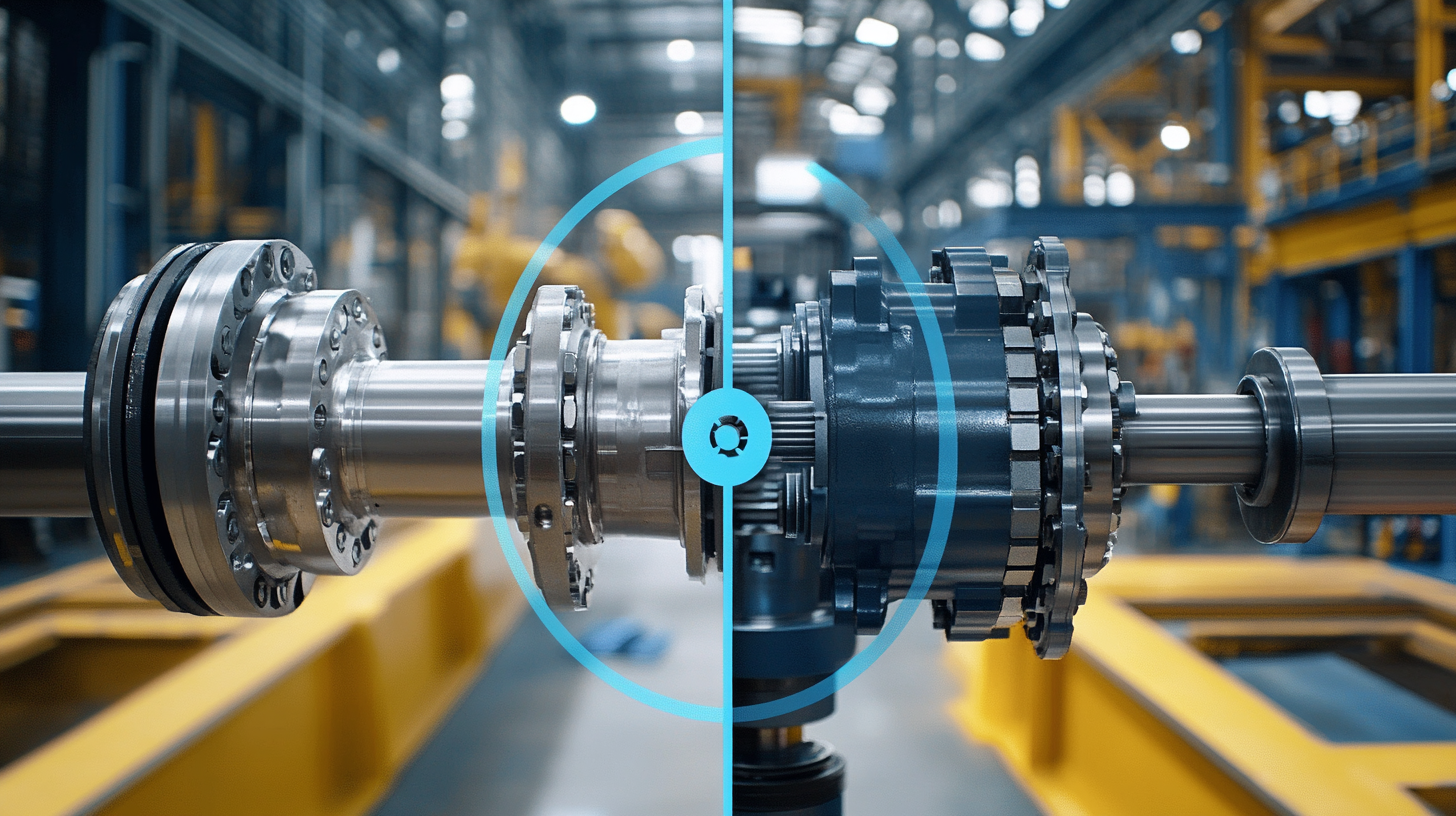

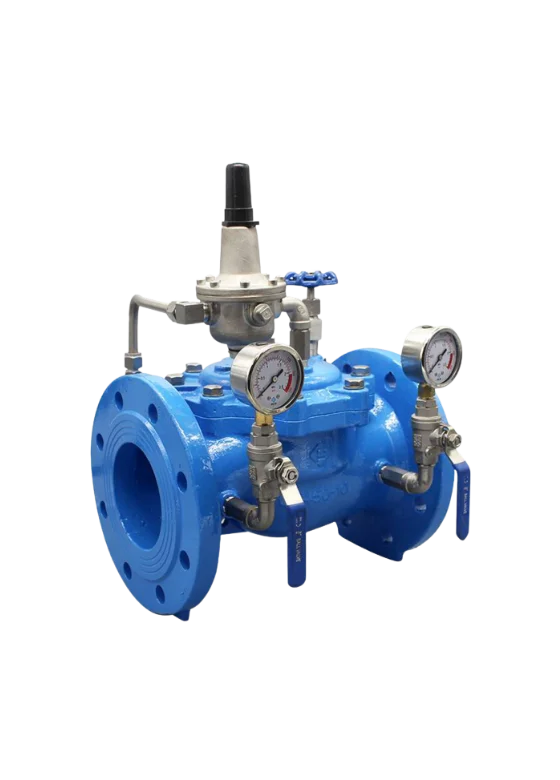
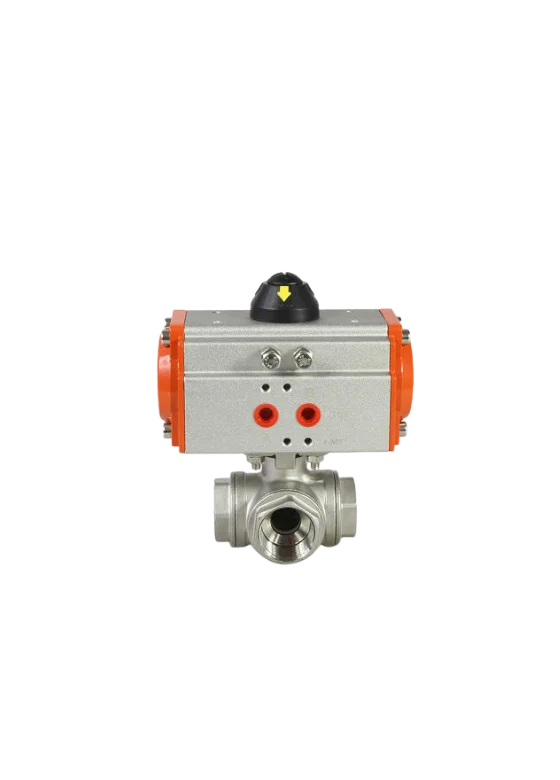
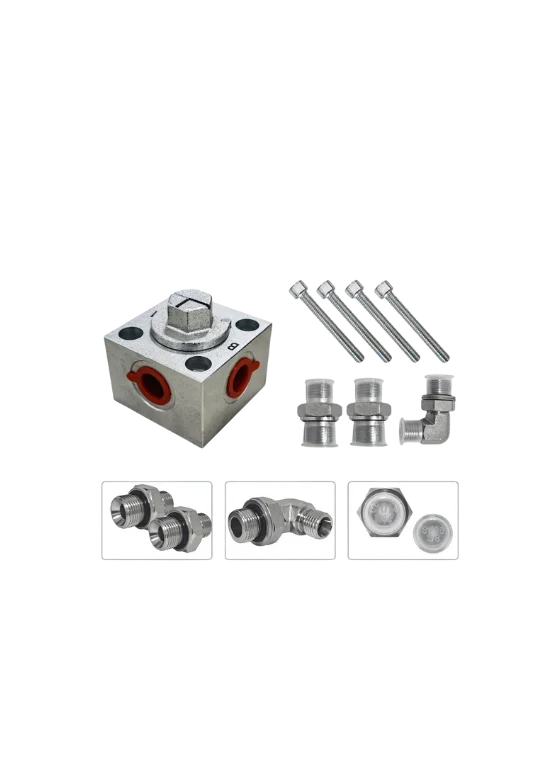


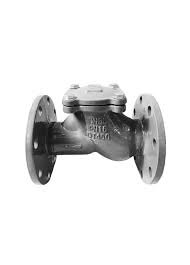
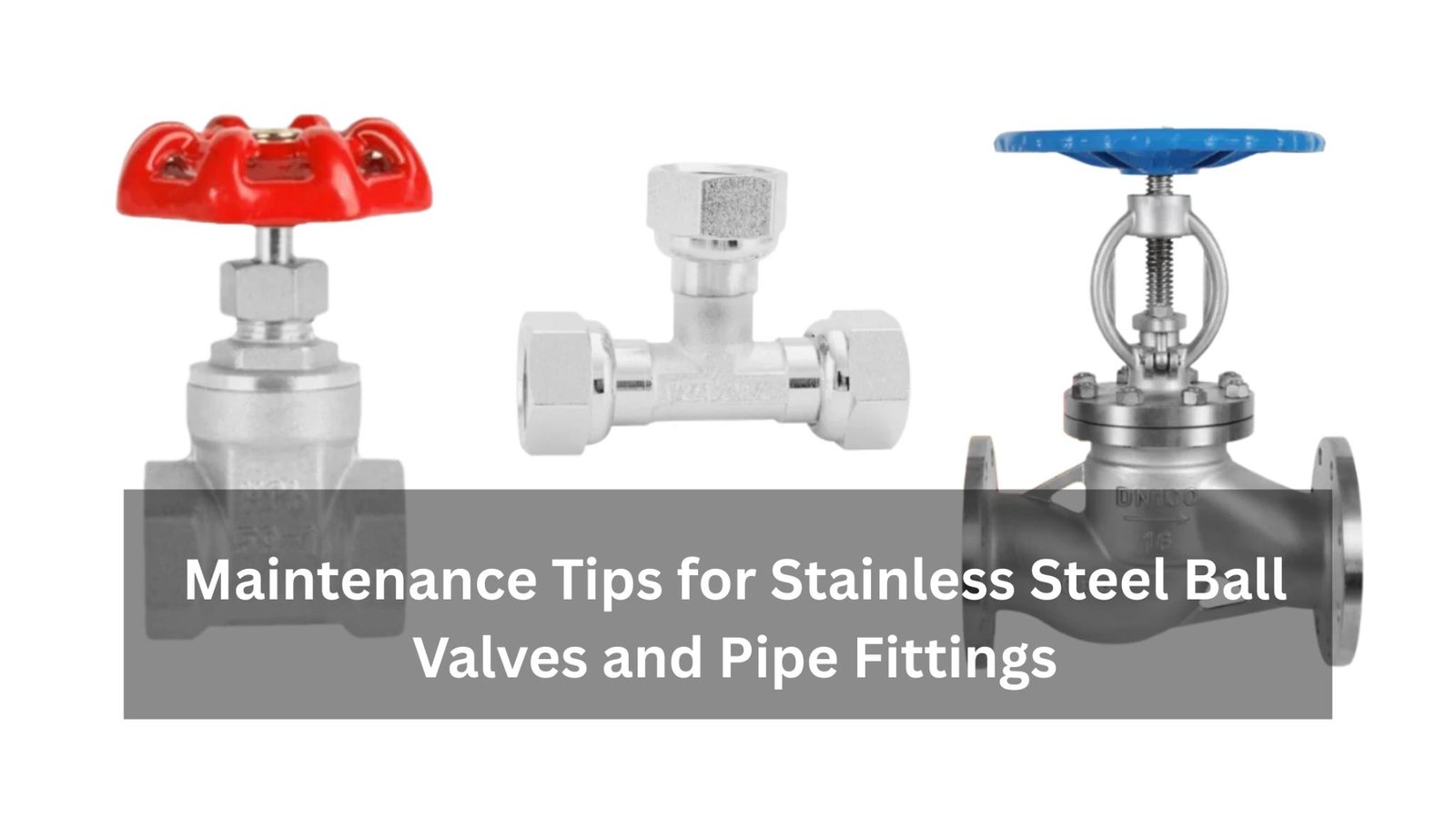
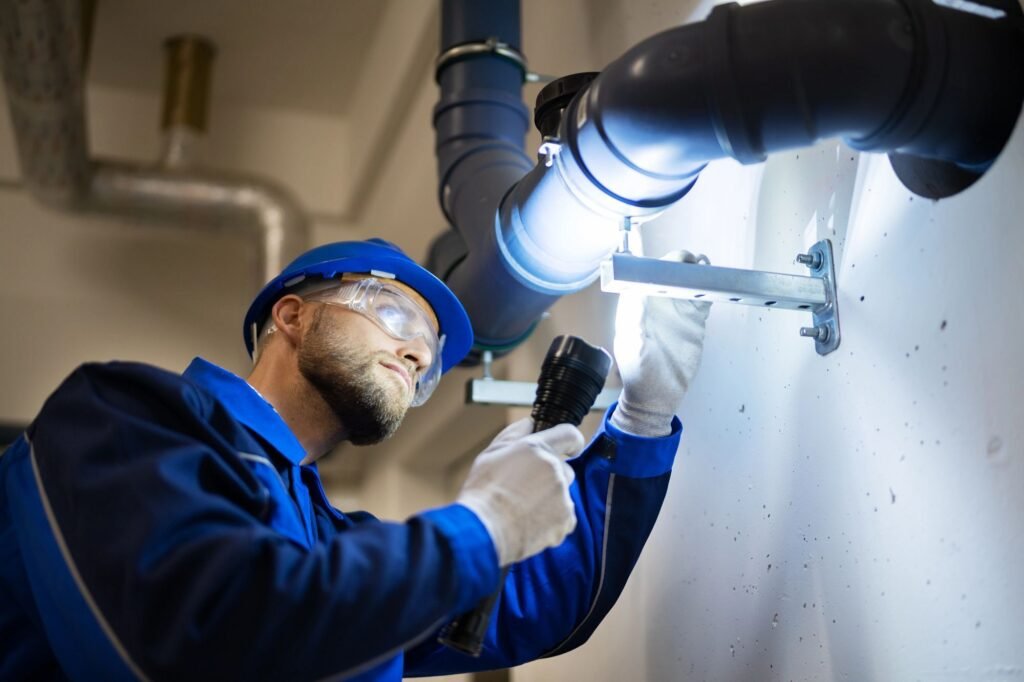
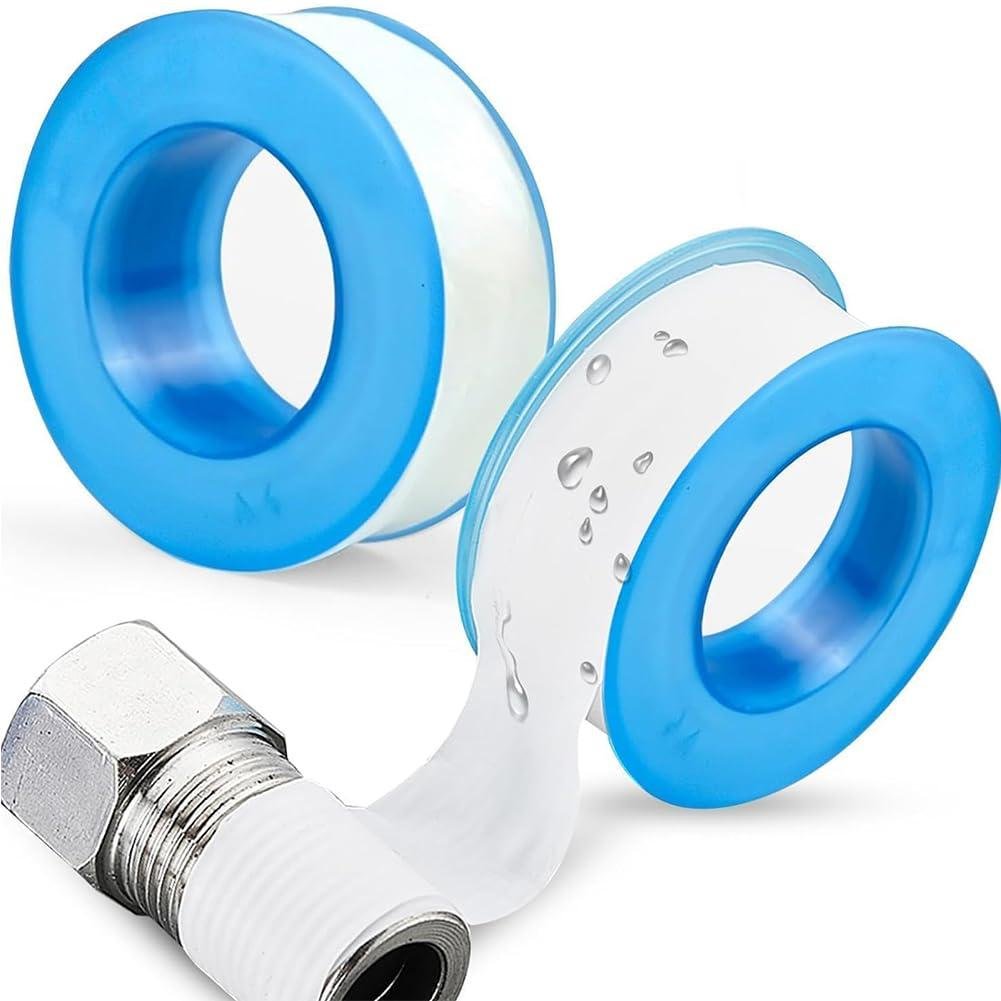
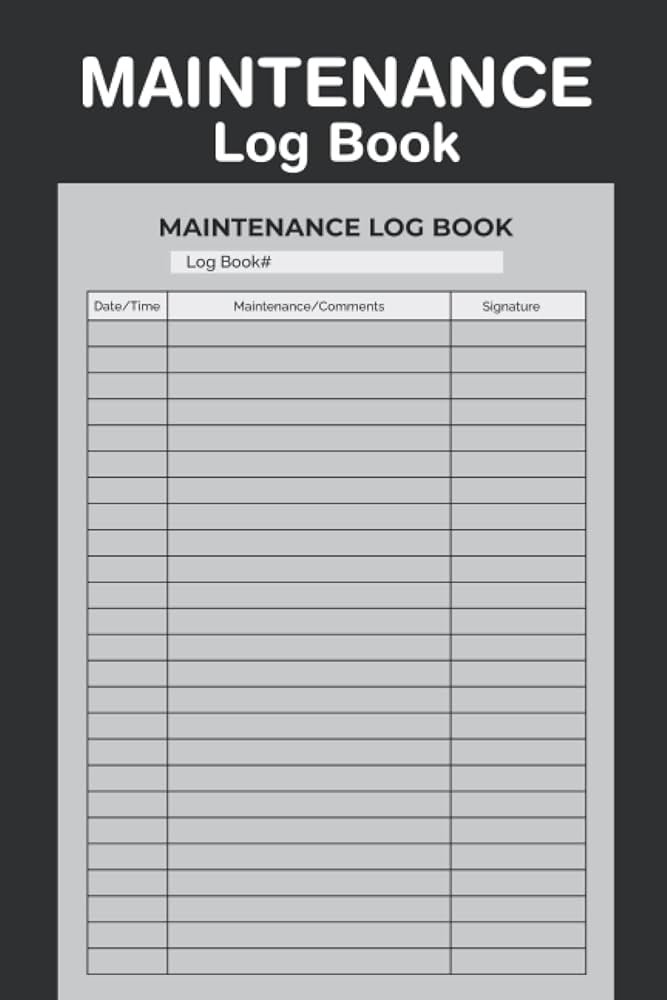

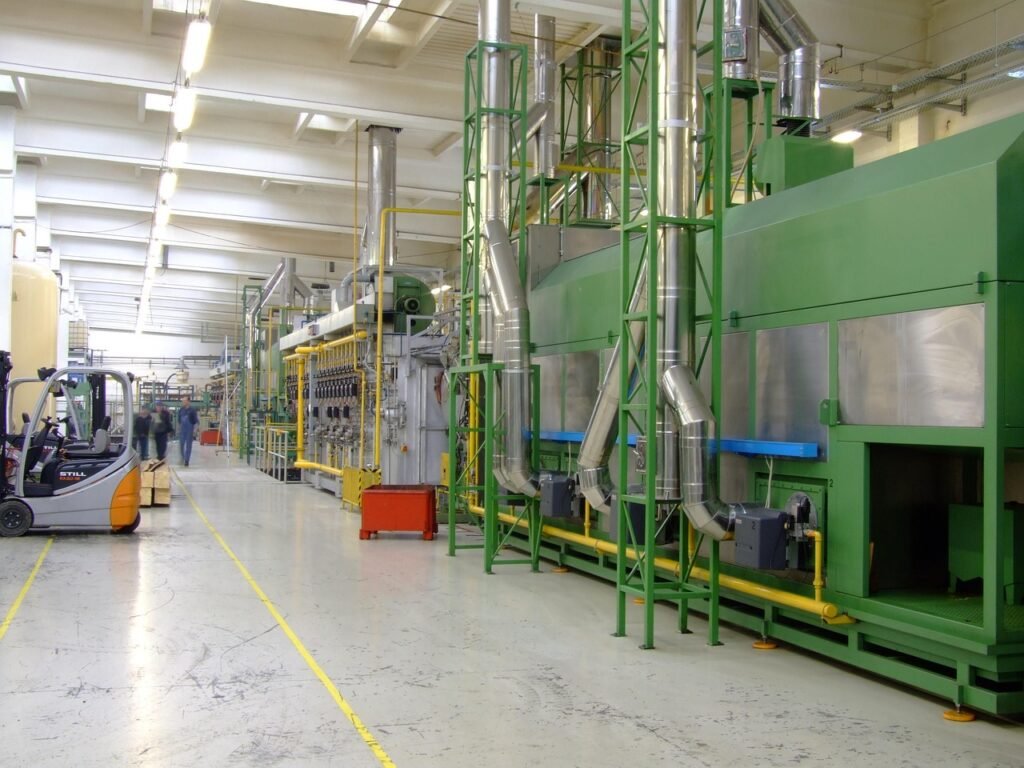

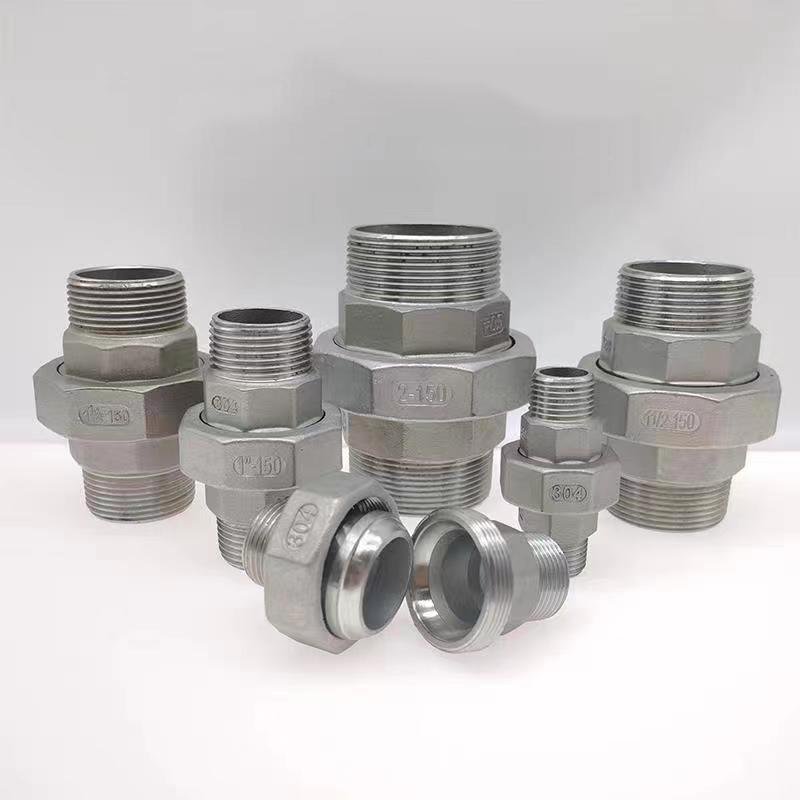
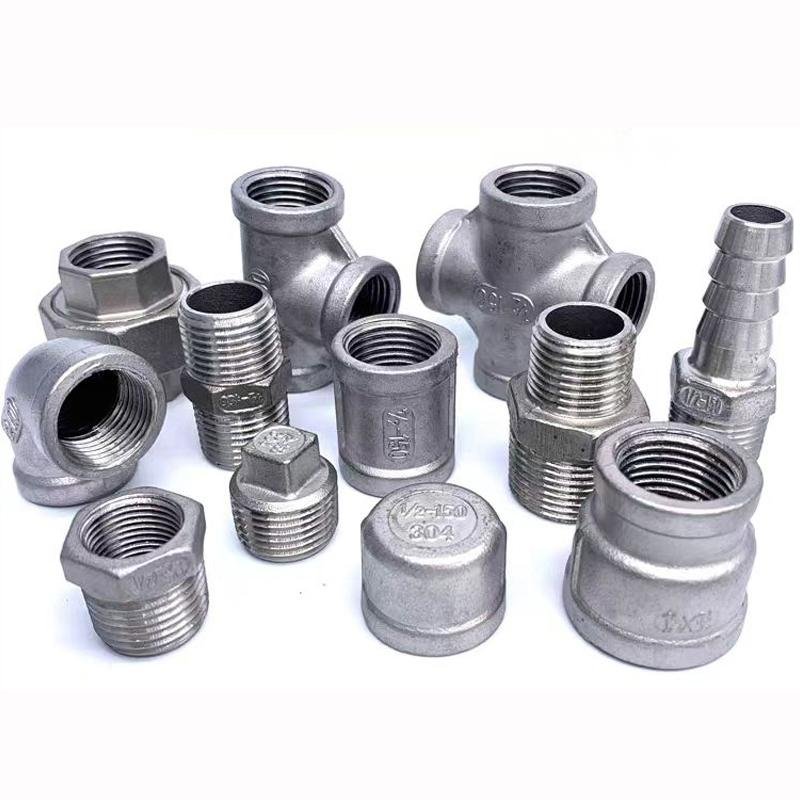
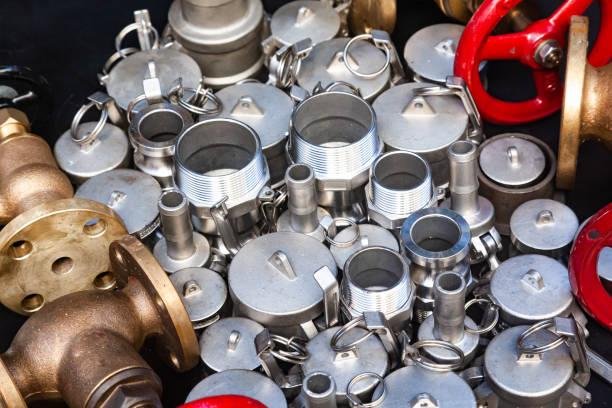
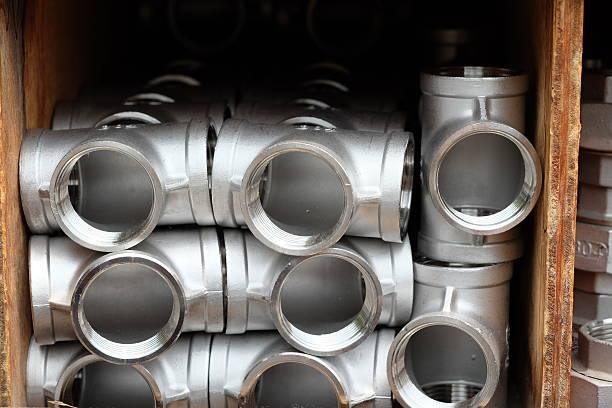
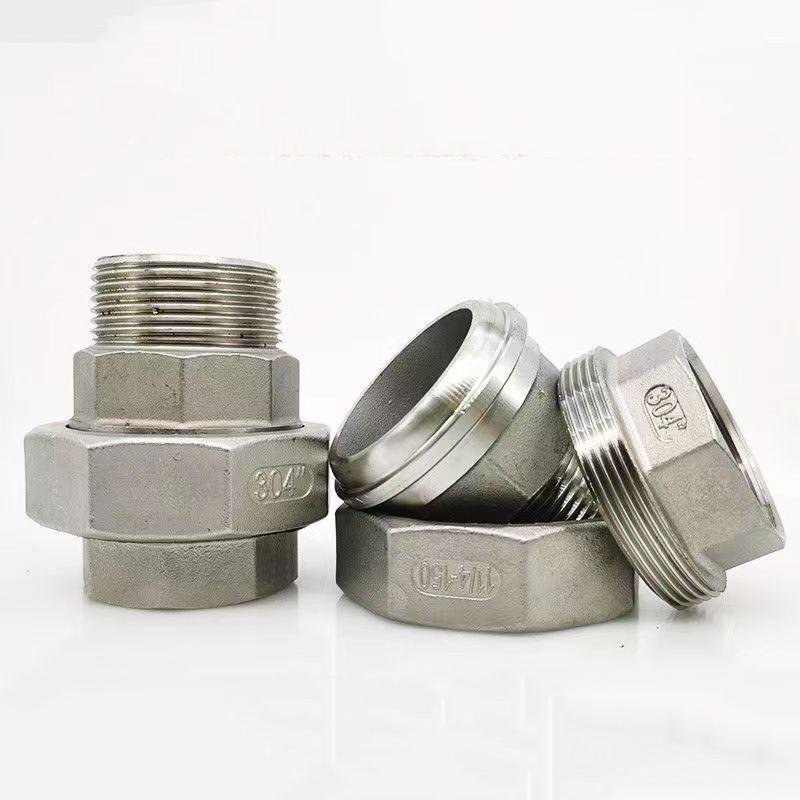
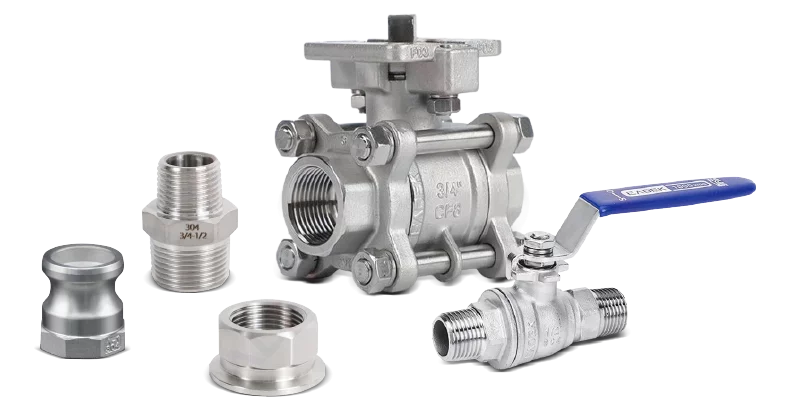
 Finnish
  English
  Danish
  German
  Spanish
  Japanese
  Korean
  French
  Polish
  Portuguese (Brazil)
  Russian
  Swedish
  Norwegian
  Thai
Thai  Vietnamese
  Chinese
  German (Austria)
  Portuguese (Portugal)
  Arabic